

What Is FreeCell?
FreeCell (also written Free Cell) is a one-player solitaire game played with a standard 52-card deck, every card dealt face up into eight columns. Four free cells above the columns each hold one card while you dig for the cards you need. You win by building all four suits up from Ace to King on the foundations.
Because no card is hidden, almost every deal can be won: a complete computer check of more than 8.5 billion deals found one impossible deal in about 84,000. The skill is in the order of your moves, since four cells and eight columns fill up fast.
- Cards: 52, one standard deck, all face up
- Tableau: 8 columns, four of 7 cards and four of 6
- Free cells: 4, one card each
- Foundations: 4, one per suit, built Ace to King
- Building: down one rank at a time, red on black or black on red
- Goal: all 52 cards on the foundations
How to Set Up FreeCell
Shuffle one 52-card deck and deal every card face up, left to right, across eight columns. The first four columns end with seven cards and the last four with six: 28 plus 24 makes 52, so nothing is left over for a stock. Leave space above the columns for four free cells on one side and four foundations on the other.
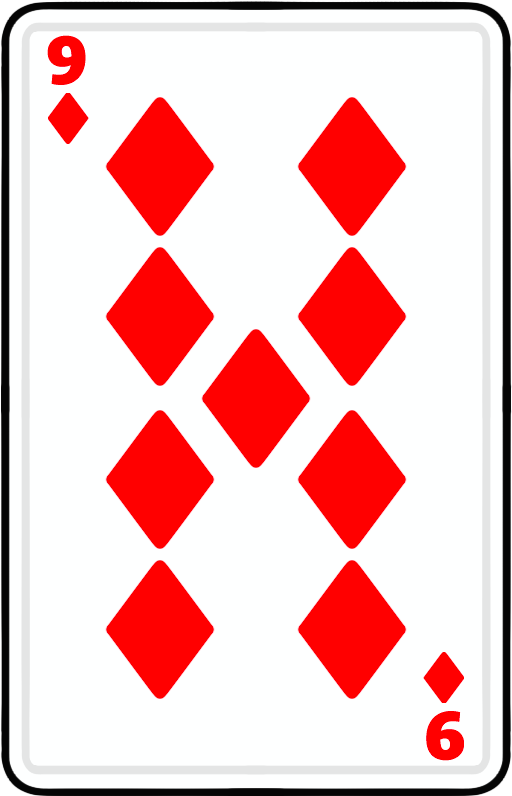
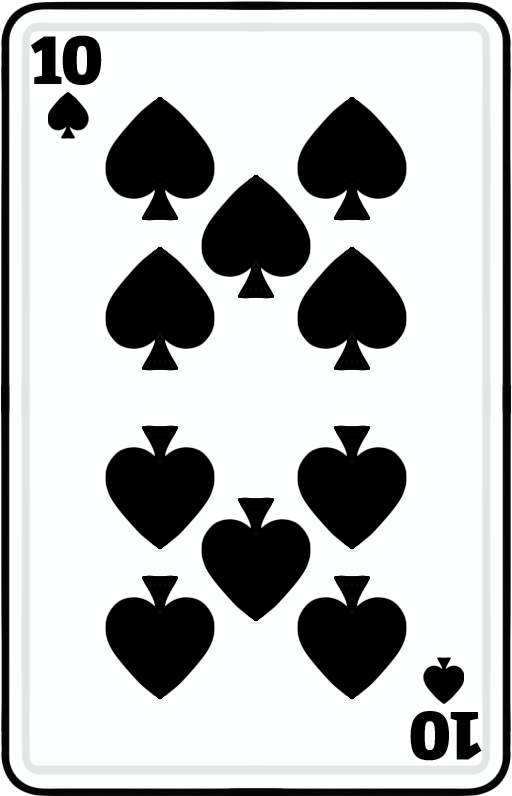
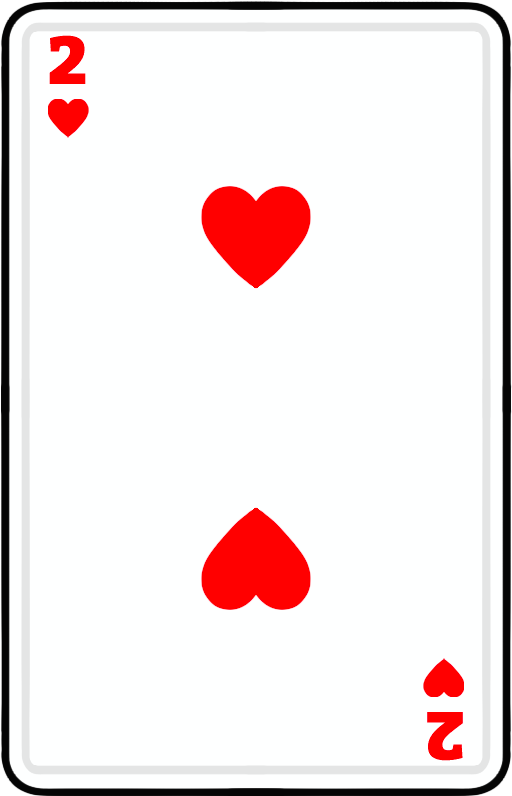
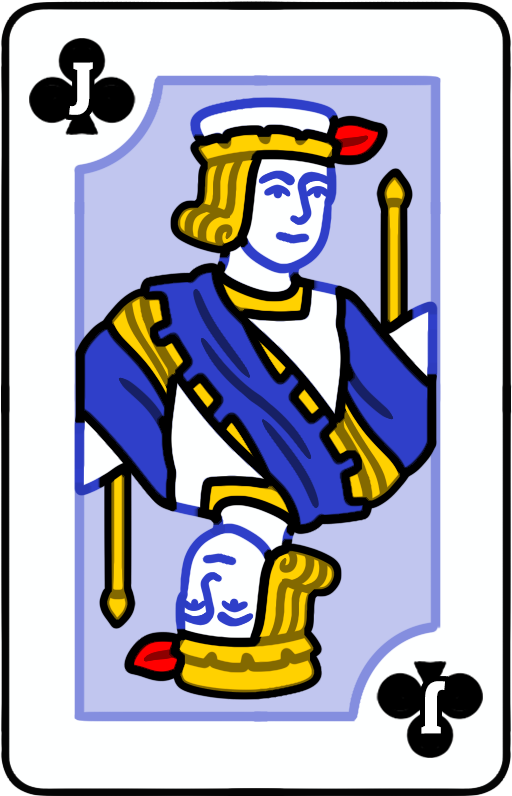
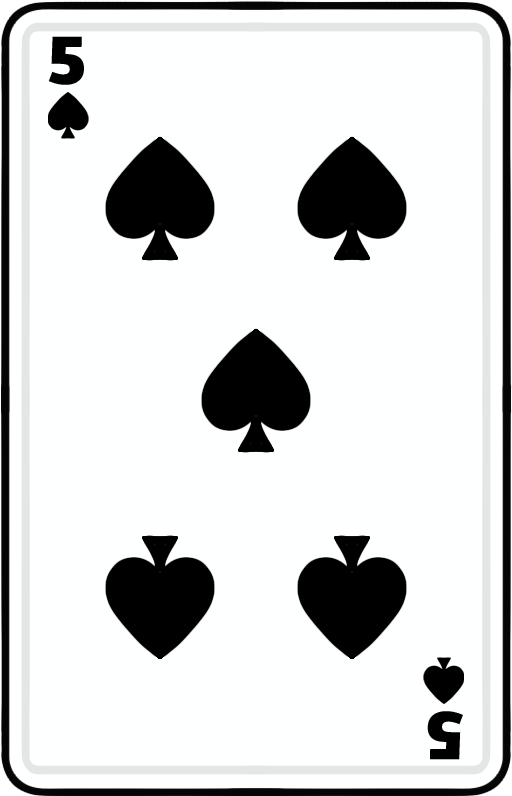
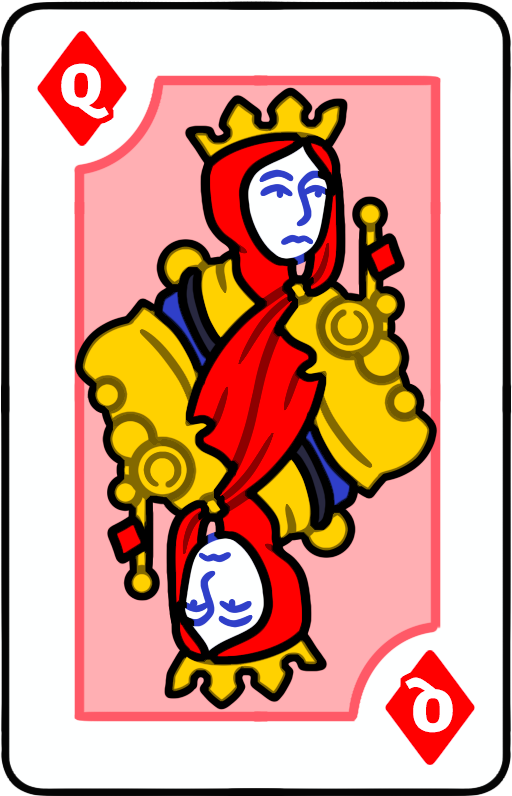
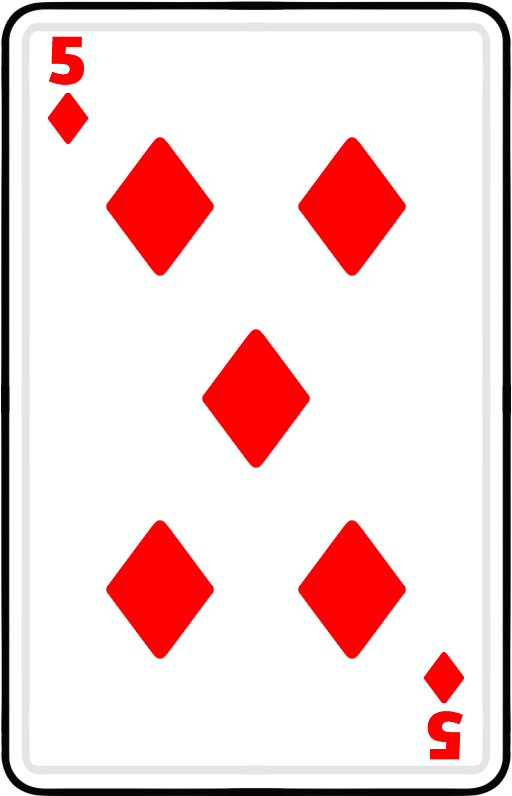
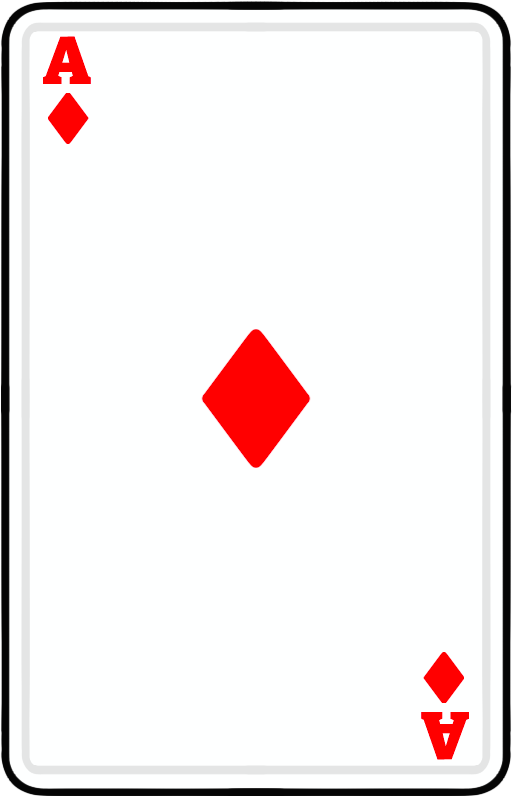
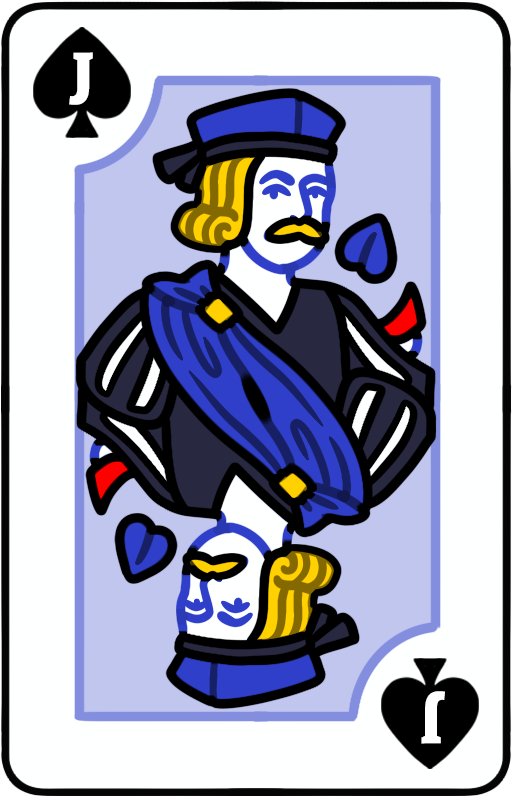
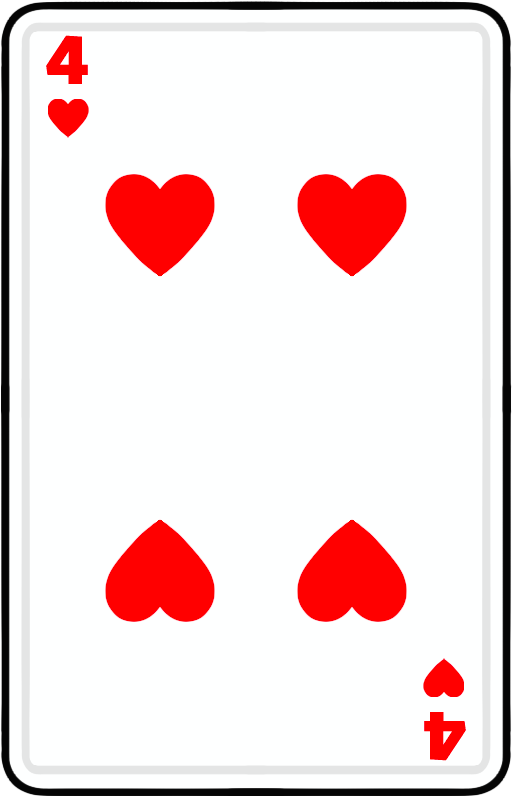
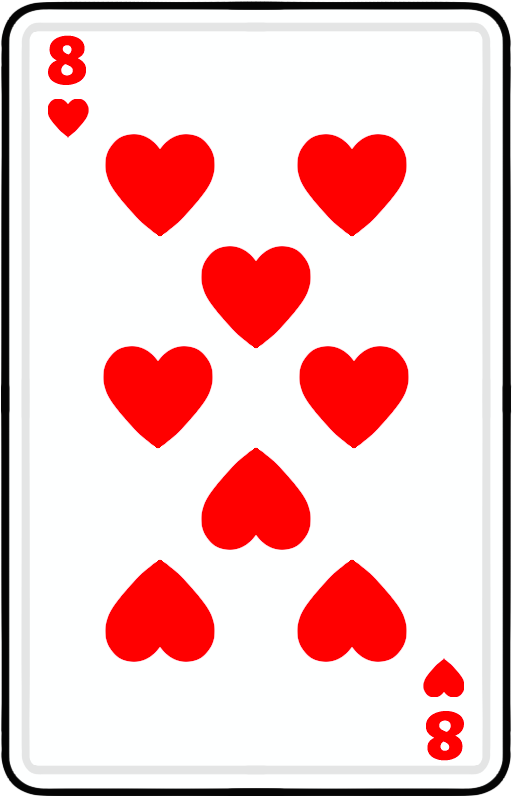
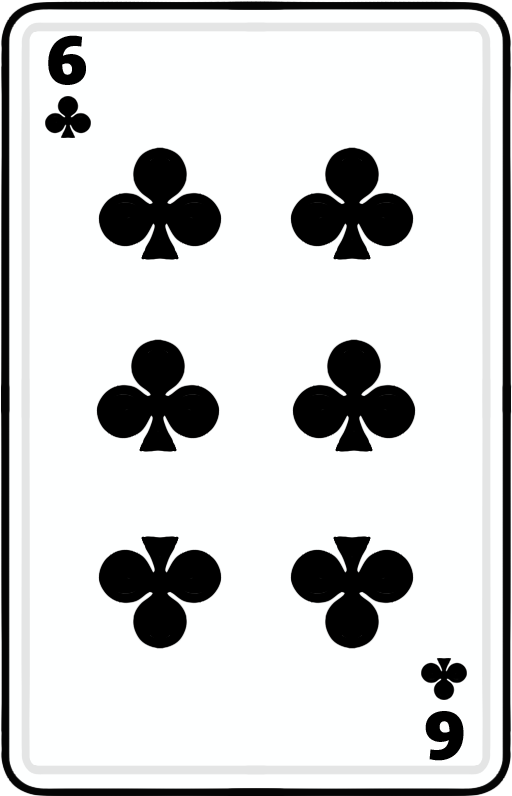
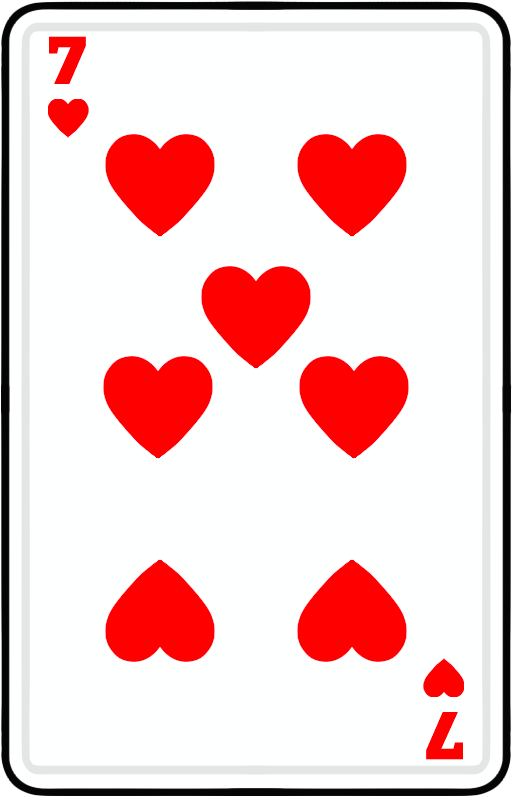
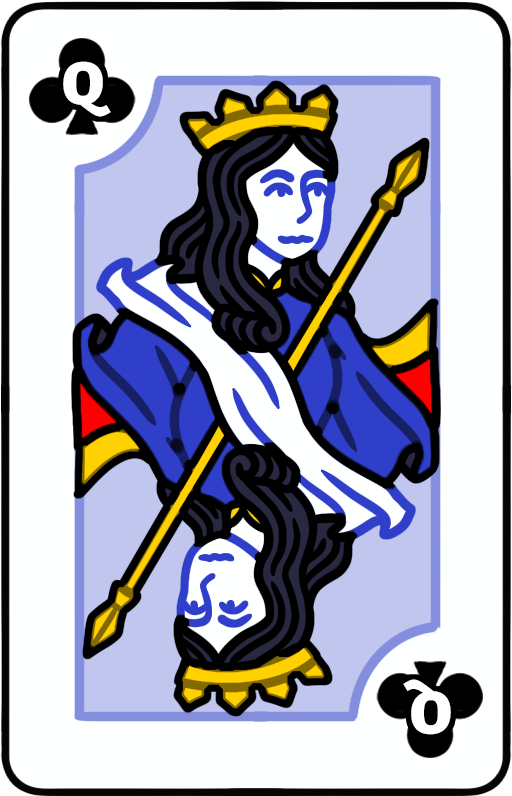
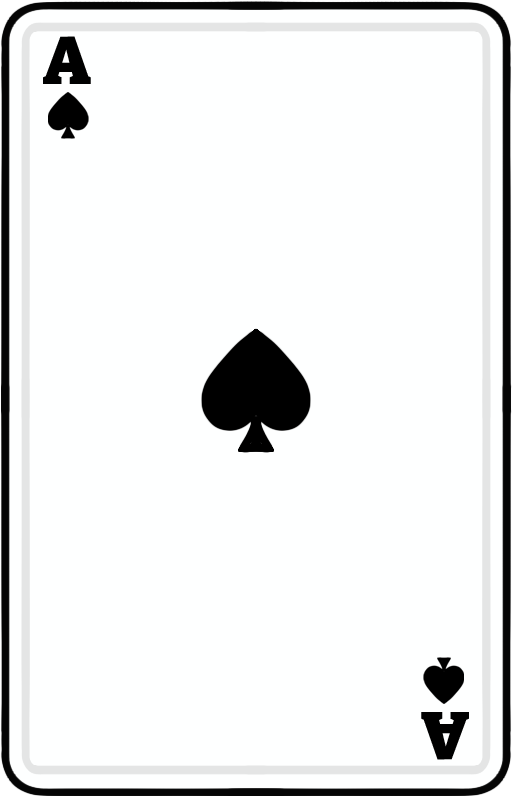
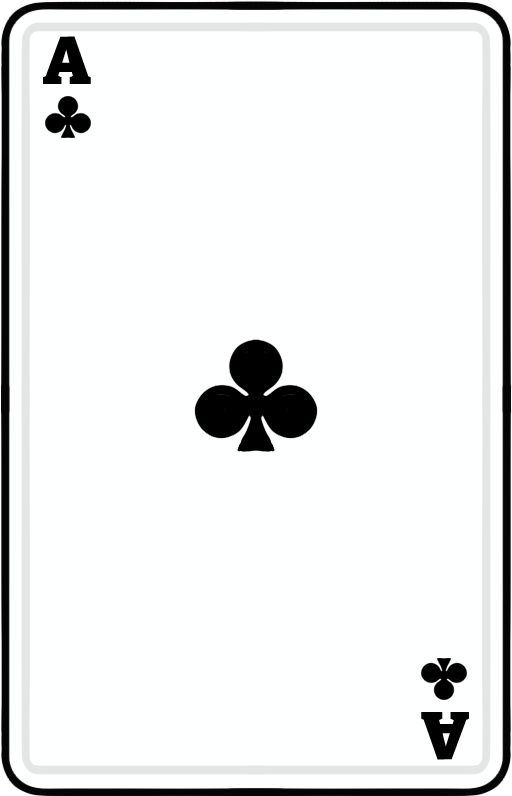
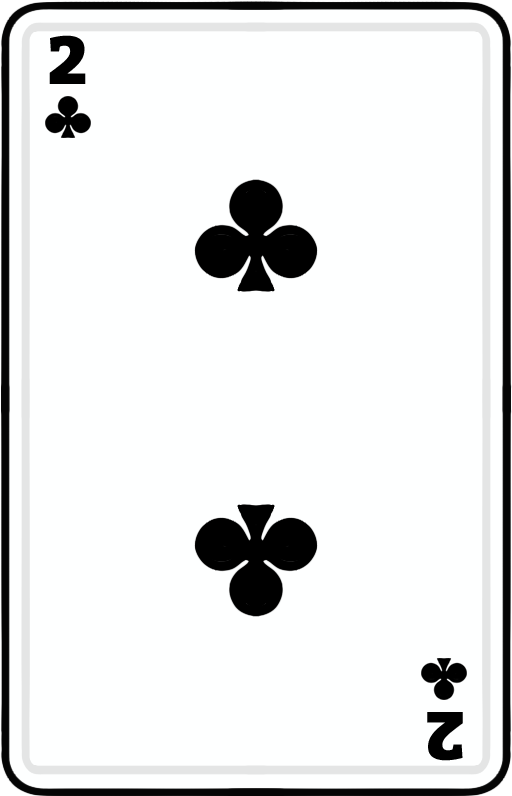
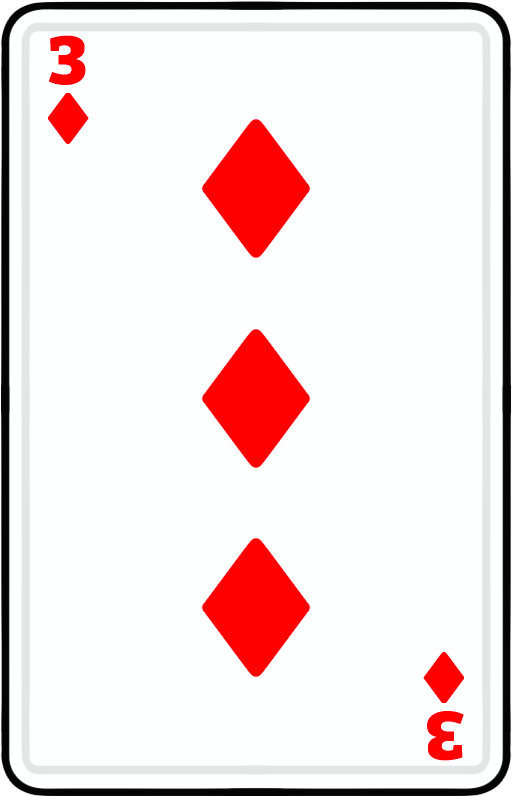

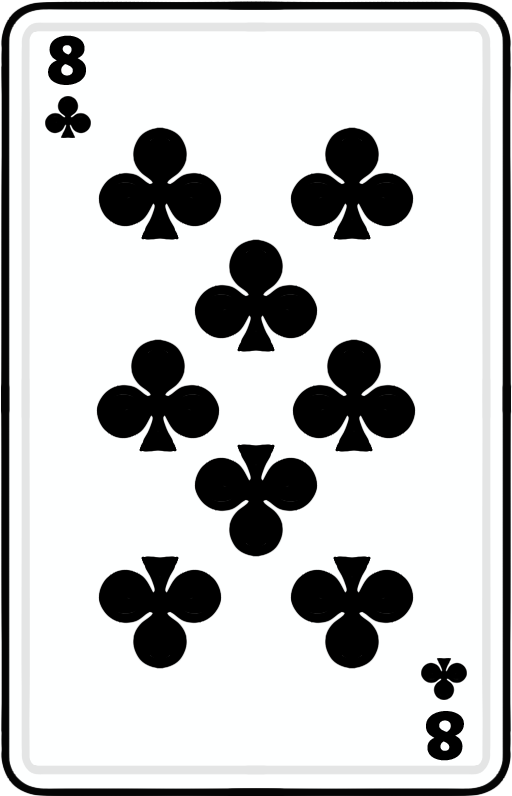
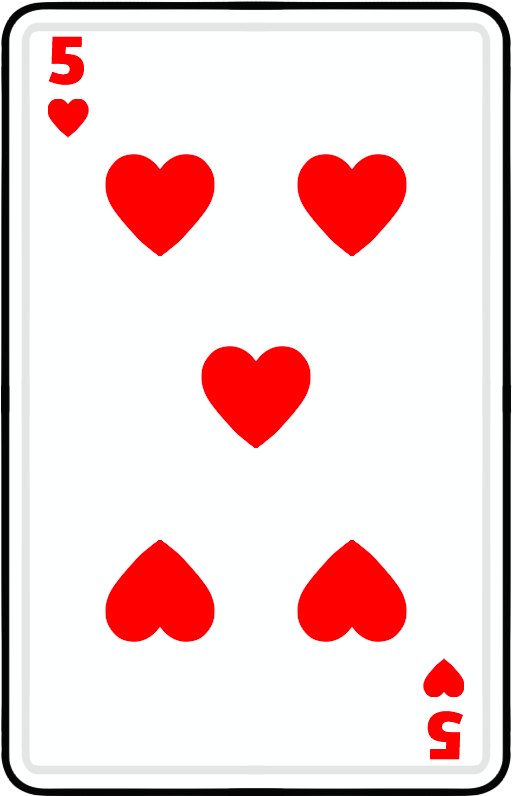
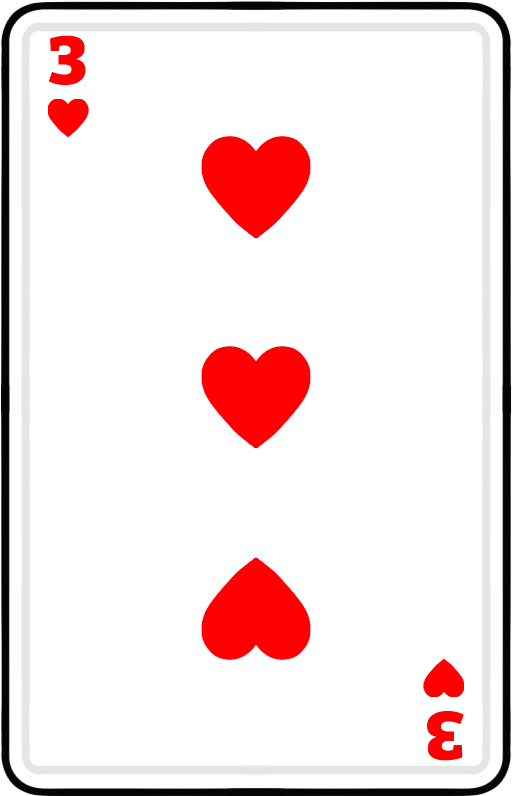
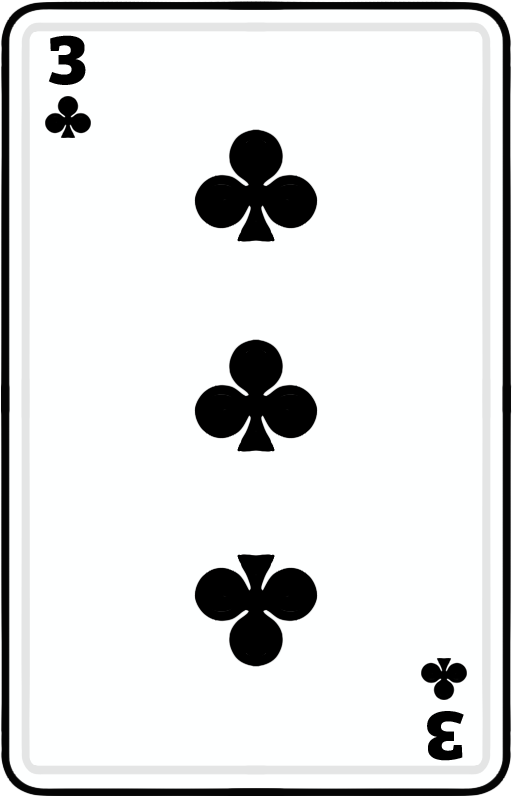
This is FreeCell deal #1, the first of Microsoft's numbered deals. The card at the foot of each column is exposed and free to move; every card above it waits until the cards covering it are gone. Here the Ace of clubs sits under two cards, the 2 of clubs and the 3 of diamonds, while the Ace of diamonds is buried under four.
How to Play FreeCell
Each move takes one exposed card and puts it somewhere legal: on a tableau card, in a free cell, in an empty column, or on its foundation.
- Move exposed cards down in alternating colors. Only the last card of each column can move. Place it on a card one rank higher and of the other color: a red 6 on a black 7, a black Jack on a red Queen.
- Park a card in a free cell. Any exposed card can go into an empty free cell. Each of the four cells holds one card, which can later move onto a column or home to its foundation.
- Send Aces home and build each suit up. An Ace starts each of the four foundations. Each foundation then takes the 2 of that suit, then the 3, and so on up to the King. A card on a foundation stays there.
- Fill empty columns with any card. When a column empties, any exposed card, or a run of cards in order, can move into it. It does not have to be a King.
- Move runs when you have room. A run in descending order and alternating colors moves as one unit when enough free cells and empty columns are open to move it one card at a time.
- Win by sending all 52 cards home. The game is won when each foundation runs from Ace to King in one suit.
A first five moves, deal #1
On the deal pictured above, five moves free two Aces and still leave three cells empty:
- Move the 7 of hearts from column 8 into a free cell.
- Send the Ace of clubs, now exposed, to a foundation.
- Send the Ace of hearts, under it, to another foundation.
- Move the 9 of hearts from column 2 onto the 10 of spades in column 8.
- Move the 4 of diamonds from column 4 onto the 5 of clubs in column 3.
The 7 of hearts waits in its cell for a black 8, and the 2 of spades, now exposed in column 2, is ready for its Ace. In our game you send every card home yourself: double-click it, drag it, or select it and click the foundation.
How Many Cards Can You Move at Once?
Take the number of empty free cells, add one, and double the result for every empty column: (cells + 1) x 2columns. The rules only ever move one card at a time, so a run moves only if it could be carried card by card through the open spaces. The game does that shuffling for you in a single move, often called a supermove.
| Empty free cells | No empty column | 1 empty column | 2 empty columns |
|---|---|---|---|
| 0 | 1 | 2 | 4 |
| 1 | 2 | 4 | 8 |
| 2 | 3 | 6 | 12 |
| 3 | 4 | 8 | 16 |
| 4 | 5 | 10 | 20 |
An empty column you are moving into cannot help with the move, so leave it out of the count. With four empty cells and one empty column, you can move 10 cards onto a card but only 5 into that column. The 16 and 20 in the table never come into play: a run can be at most 12 cards long when it lands on a card (Queen down to Ace, under a King) and 13 when it fills an empty column.
To see the doubling, picture four cards moving with one empty cell and one empty column. It takes nine single moves: two cards go to the empty column through the cell, two go to their destination the same way, then the first two follow. Our game counts all of it as one move.
FreeCell Strategy: How to Win More Deals
FreeCell is won or lost on space. Empty cells, and above all empty columns, decide whether you can move the runs that bury your low cards, so every tip below is a way to keep space or spend it well.
Read the whole deal before your first move
Find the four Aces and count the cards on top of each. In deal #1 the Ace of clubs is under one card and the Ace of diamonds under five, so clubs and hearts can start at once while diamonds wait. Aim at the shallow Aces first, and do not fill three cells to reach one deep one.
Empty a column early
One empty column doubles how many cards you can move, and it holds a whole run where a cell holds one card. The six-card columns are the natural targets. Once a column is empty, do not fill it with a single card unless that card opens something bigger.
Know how a card leaves a cell before you put it there
A card in a cell needs a landing spot later, and every card below a King can land on only two cards: a black 7 goes on the 8 of hearts or the 8 of diamonds, nowhere else. If both are buried, that cell stays full for a long time. Two cards of the same rank and color, such as both black 7s, compete for those same two red 8s.
Keep Kings out of the cells
Nothing ranks above a King, so a King in a cell can leave only for an empty column or its foundation. Two Kings in cells halve your storage until a column opens.
Fix backward pairs with a spare space
When a King lies on top of the Queen that belongs on it, move the King to an empty column, then put the Queen on the King. If the pair is all that is left in its column, two free cells do the same job: lift both, then put the King back first. A King at the head of an empty column is the best base a run can have.
Send cards home only when they are safe
Aces and 2s can always go home. Any other card is safe once both foundations of the other color have reached one rank below it, because then no card will ever need it as a landing spot. Send a card home earlier and you may want it back, which the rules do not allow.
Recognize a lost position
A deal can be lost while legal moves remain. If the only thing left to do is shuttle a red 5 between two black 6s, the game is over. Our game does not announce a loss, so use undo (three per game on the free plan) to go back to your last real choice, or start a new deal.
Can Every FreeCell Deal Be Won?
Nearly every deal can be won, but not quite all. Of Microsoft FreeCell's original 32,000 numbered deals, every one except #11982 has been won, first by more than 100 volunteers in the Internet FreeCell Project of 1994 and 1995 and since by computer. Eight of the first million are impossible. In 2018 Theodore Pringle and Shlomi Fish checked all 8,589,934,591 deals in the FreeCell Pro numbering and found 102,075 that cannot be won: about one in 84,000.
Fewer free cells change that fast. These are the shares of deals that can be won with perfect play, from complete counts and from Blake and Gent's study of patience games:
| Free cells | Deals that can be won | Basis |
|---|---|---|
| Four (the standard game) | 99.9988% | all but 102,075 of 8,589,934,591 deals |
| Three | 99.36% | 993,600 of 1,000,000 deals |
| Two | 79.5% | 317,873 of 400,000 deals |
| One | about 19.5% | 19,473 of 100,000 deals |
| None | about 0.22% | at least 18,577,014 of 8,589,934,591 deals |
These are the limits of perfect play, not player win rates, and we know of no reliable figure for how often real players win. They do explain why a loss stings: with four cells, a lost deal almost always had a winning line you missed.
Microsoft FreeCell Deal Numbers and #11982
Deal #11982 is the one deal among Microsoft FreeCell's original 32,000 that nobody can win. Jim Horne, the Microsoft programmer who wrote it, turned each number from 1 to 32,000 into a fixed shuffle, so players could swap the numbers of hard deals, and Windows XP later stretched the range to 1,000,000. Many FreeCell programs copy his method, so a Microsoft deal number means the same layout in all of them.
With four cells there is no way through; FreeCell researcher Michael Keller reports that it falls with a fifth.
Our numbered deals use Microsoft's method, so every number from #1 to #1,000,000 gives the same layout here as in Windows FreeCell. Play deal #11982 and see how far you get. Numbered deals come from Microsoft's public formula, not our provably fair shuffle: anyone can work out a numbered layout in advance, which is what makes the numbers easy to share.
Play a Numbered Deal
Enter any number from 1 to 1,000,000. Deals 1 to 32,000 are the original set; Windows XP added the rest.
Or start with a deal that has a story:
- Deal #11982: the unwinnable deal
- Deal #1941: the hardest deal you can win
- Deal #617: often the first hard deal for players going in order
- Deal #9998: winnable with no free cells
- Deal #11987: winnable with no free cells
- Deal #1: the first deal
FreeCell vs Klondike
FreeCell shows you every card from the start; Klondike, the game Windows called plain Solitaire, hides 21 of its 28 tableau cards and feeds you the other 24 from a stock. Both build down in alternating colors, but FreeCell's free cells, and empty columns that take any card, turn it into a puzzle you can plan end to end.
| FreeCell | Klondike | |
|---|---|---|
| Cards you can see at the start | All 52 | 7 of 28 tableau cards |
| Stock | None | 24 cards, drawn 1 or 3 at a time |
| Free cells | 4, one card each | None |
| Empty column takes | Any card or run | A King only |
| Tableau building | Down, alternating colors | Down, alternating colors |
| Deals winnable with every card known | All but about 1 in 84,000 | 81.9% (draw 3), 90.5% (draw 1) |
The last row assumes a player who knows every hidden Klondike card, as Blake and Gent's study did. Even then, almost one draw-three Klondike deal in five cannot be won. For a solitaire with hidden cards and more luck, try Spider or Yukon.
Where FreeCell Came From
FreeCell grew out of older games that give you single-card storage spaces. Eight Off, one of the oldest, has eight cells and builds down by suit. In June 1968 Martin Gardner described Baker's Game in his Mathematical Games column in Scientific American: the same four cells and eight columns as FreeCell, but cards build down by suit. Gardner wrote that Baker learned it from his father, who learned it from an Englishman in the 1920s. A Swedish book of patience games from 1945 already had a close relative that built in alternating colors: Napoleon in St. Helena, not to be confused with the Napoleon at St Helena that is also called Forty Thieves.
Paul Alfille made the change that created FreeCell: alternating colors with Baker's layout. He programmed it in 1978 on PLATO, the University of Illinois computer system, where players could pick from 4 to 10 columns and 1 to 10 cells and chase winning streaks. Alfille later said he remembered the game from a solitaire book he read as a child, and that he thinks he made up the name.
Jim Horne learned FreeCell on PLATO, wrote a version for DOS, and then the Windows version that first shipped in Microsoft Entertainment Pack Volume 2. Its 32,000 numbered deals set off the Internet FreeCell Project: from August 1994 to April 1995, Dave Ring's volunteers solved every deal but #11982. Bundled with Windows 95, the game went from obscure to famous, and Windows XP raised the count to a million deals in 2001.
Baker's Game, Eight Off, and Seahaven Towers are still played, each with its own mix of cells, columns, and building rules; the FreeCell variants table sets them side by side. On our site, Forty Thieves also deals its whole tableau face up, 40 cards from two decks, but builds by suit and moves one card at a time. The solitaire games hub lists the rest.
FreeCell FAQ
What is a FreeCell?
A free cell is one of the four storage spaces above the columns in FreeCell. Each holds exactly one card, any card, while you uncover what lies beneath it. A card in a cell can later move onto the tableau or home to its foundation. Empty cells also decide how many cards you can move at once.
How do you play FreeCell step by step?
Deal all 52 cards face up into eight columns. Move exposed cards onto a card one rank higher in the other color, park cards in the four free cells, and fill empty columns with any card. Send each Ace to a foundation and build it up by suit to the King. You win when all 52 cards are home.
How many cards can you move at once in FreeCell?
One more than the number of empty free cells, doubled for every empty column: (cells + 1) x 2^columns. With two empty cells and one empty column you can move six cards onto another card. When that empty column is the destination, it cannot help, so only three cards can move into it.
What is the best strategy for FreeCell?
Protect your space. Find the four Aces before the first move, empty a column as early as you can, and never park a card in a free cell without knowing how it gets out. Keep Kings out of the cells, and send a card home only when both foundations of the other color are one rank behind it.
Is FreeCell a game of skill or luck?
FreeCell is almost pure skill. Every card is dealt face up, so nothing is hidden, and only about one deal in 84,000 cannot be won with correct play. The shuffle decides how hard a deal is, but a lost game nearly always contains a wrong move somewhere, and undo is how you find it.
Can every game of FreeCell be solved?
No, but nearly. Of the original 32,000 numbered deals in Microsoft FreeCell, only #11982 is unsolvable, and eight of its first million are. A 2018 computer search of 8,589,934,591 deals by Theodore Pringle and Shlomi Fish found 102,075 impossible ones, about one in 84,000. Every other deal has a winning line.
What is the hardest FreeCell game number?
In Microsoft's numbering, #11982 is the only one of the first 32,000 deals that cannot be won at all. Among the winnable ones, FreeCell researcher Michael Keller nominates #1941 as the hardest. Our numbered deals follow Microsoft's numbering, so you can play both here, #11982 included.
What number is the easiest FreeCell game?
Michael Keller's FreeCell FAQ points to Microsoft deals #9998 and #11987. Both can be won without using a free cell, and all four Aces can go home before you make any other move. Our numbered deals follow Microsoft's numbering, so both are the same layouts here.
Is it possible to lose FreeCell?
Yes. You have lost when no useful move is left, even while a legal one remains: a red 5 that can only shuttle between two black 6s is a dead position. Our game never announces a loss, so when you spot a loop like that, undo to your last real choice or start a new deal.
What is the least amount of moves to win FreeCell?
In our game, 52 at the very least, because each card reaches its foundation by its own move and nothing plays automatically. Programs that send safe cards home by themselves count far fewer moves: one solver author reported deals won in 13 moves under Microsoft-style automatic play and multi-card moves.
What happened to my FreeCell?
Windows 8 dropped the stand-alone FreeCell that came with every version of Windows from Windows 95 to Windows 7. Microsoft moved the game into its Solitaire Collection app, released for Windows 8 in 2012 and later bundled with Windows 10. You can also play FreeCell here in any browser, with no download.
Who invented FreeCell?
Paul Alfille created FreeCell in 1978 on the PLATO computer system at the University of Illinois. He took Baker's Game, where cards build down by suit, and made them build in alternating colors instead. Jim Horne, who learned the game on PLATO, later wrote the Windows version that Windows 95 made famous.
Play FreeCell Free Online
The game at the top of this page runs in any browser with no download. Here is exactly what it does:
- New Game deals from our provably fair shuffle.
- Numbered deals from #1 to #1,000,000 match Microsoft FreeCell's numbering and can be restarted and shared by number.
- Moves: drag, double-click to send a card home, or select a card and then its destination. Runs move in one step when you have the room, and each counts as one move.
- Nothing moves on its own: no card goes to a foundation until you send it, and there are no hints.
- Undo: three per game on the free plan, unlimited with SuitedGames+.
- Challenge a Friend after a win sends a friend the same deal.
For a fresh puzzle every day, the daily FreeCell challenge deals everyone the same layout for each UTC date and ranks the finishers on a leaderboard.