

Loading...
Loading...
Forty Thieves is a two-deck patience game in which 40 cards are dealt face-up into 10 columns of 4 and the player builds eight foundations from Ace to King in suit. The game also goes by Napoleon at St Helena, Big Forty, Le Cadran, and Roosevelt at San Juan. Four constraints define play: tableau builds go down by suit only, only one card moves at a time, the 64-card stock is dealt once with no redeal, and every tableau card is face-up from the start. Those four rules put Forty Thieves among the harder two-deck patiences, with consensus win rates near 10 percent under skilled play and around 3.69 percent across random algorithmic deals.
Forty Thieves needs two standard 52-card decks combined and shuffled, jokers removed, for 104 cards. The layout has three areas.
When play begins, every tableau card is face-up, the stock is the unseen 64, and the foundations are empty.
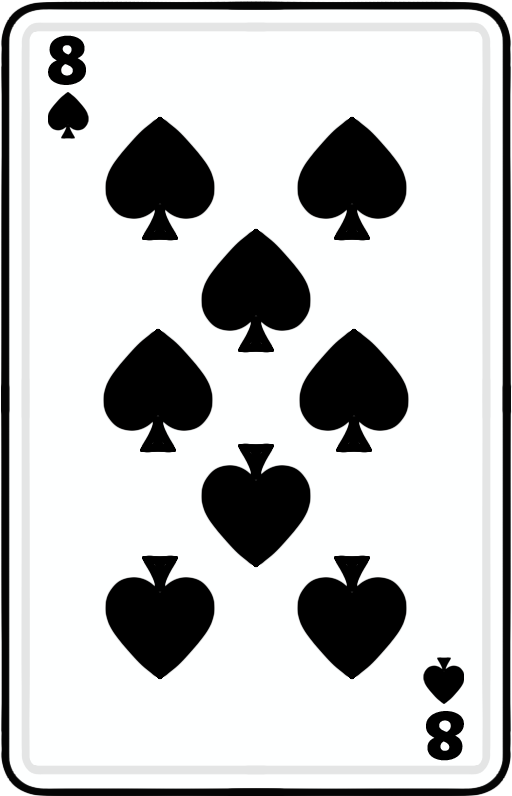
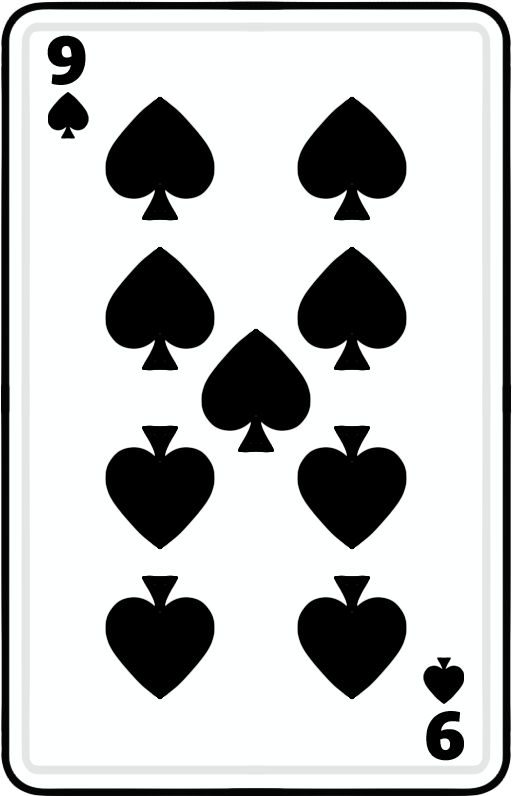
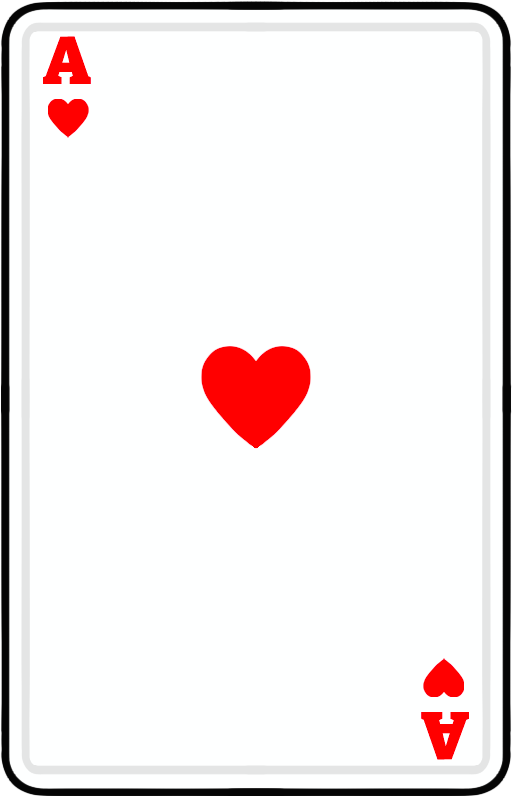
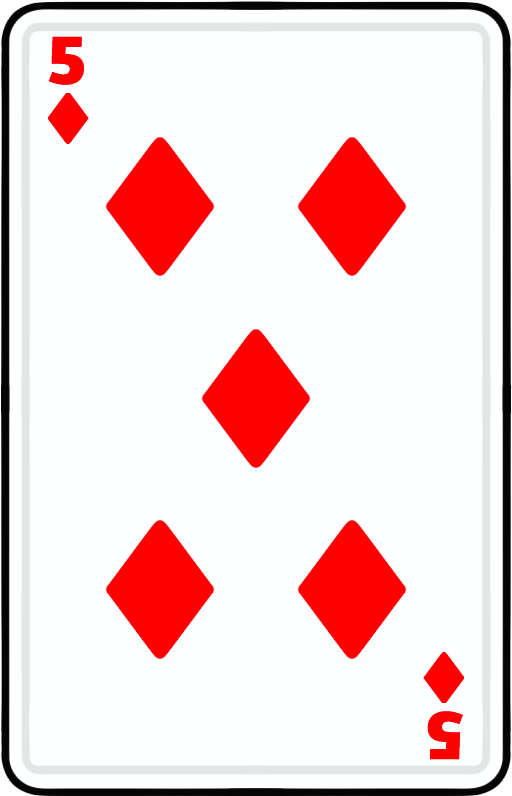
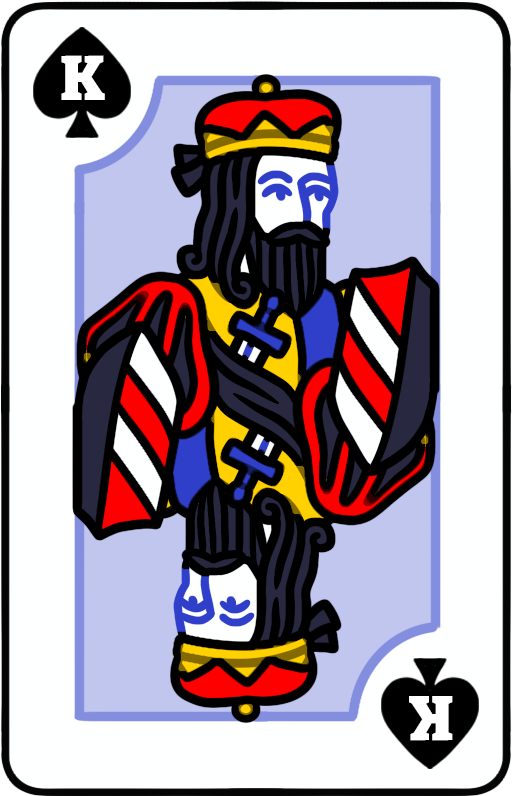
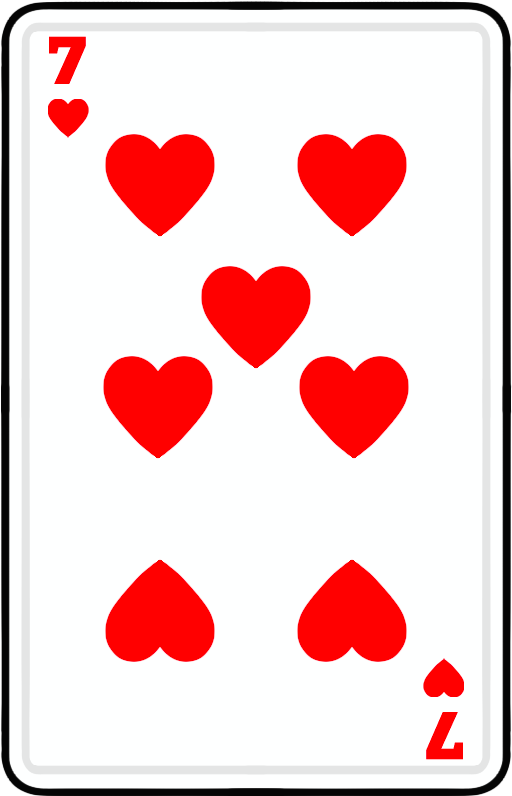
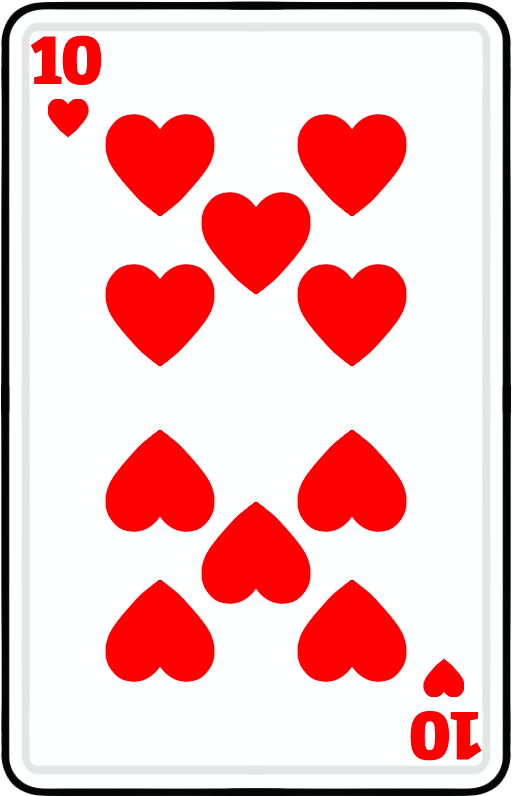
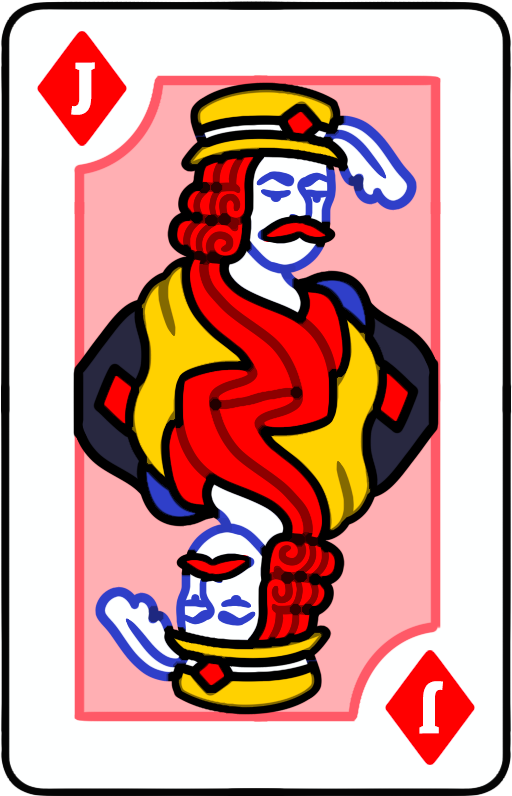
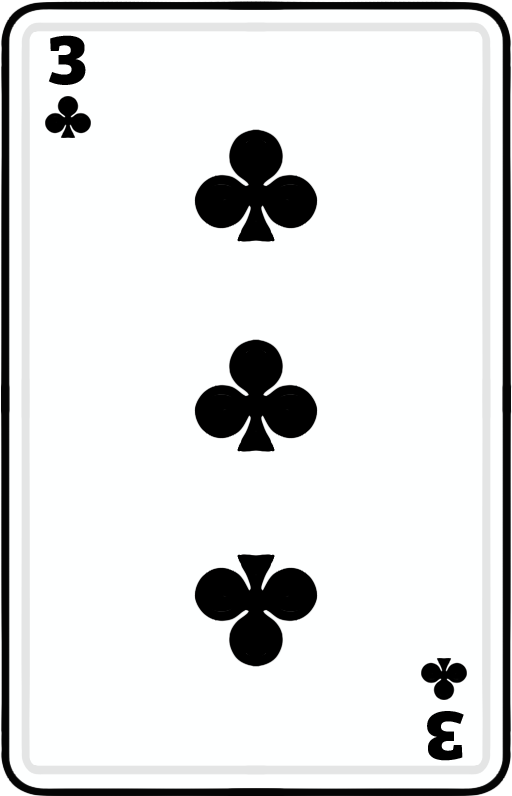
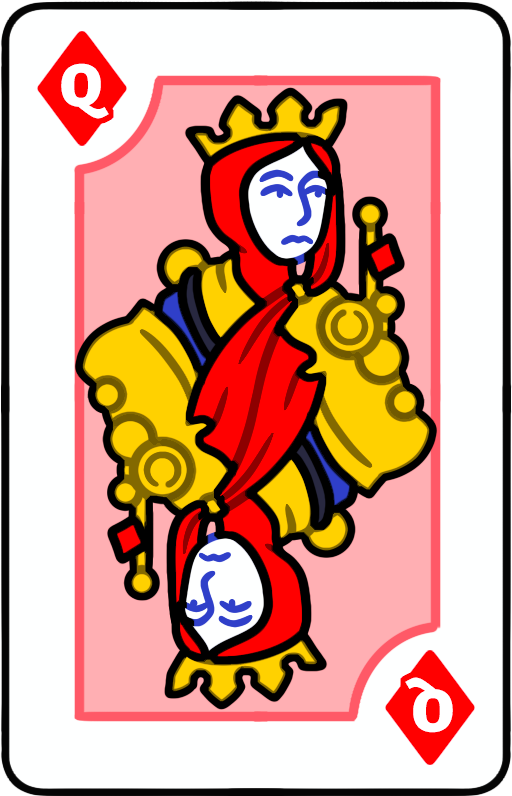
Tableau builds go down by suit only. A card placed on another tableau card must be the same suit and exactly one rank lower. The 7 of Clubs goes only on the 8 of Clubs. The Jack of Hearts goes only on the Queen of Hearts. There is no alternating-color rule, no any-suit fallback. This is the main reason Forty Thieves wins so rarely; Klondike's alternating-color rule offers two valid landing suits per rank, and Forty Thieves cuts that to one.
Only the top card of each column is in play. Cards beneath the top are blocked until everything above them moves. A 6 of Spades buried under a 4 of Hearts and a 2 of Diamonds cannot be touched until those two cards leave the column.
Single-card movement is strict in the canonical rules. A perfectly built 10-9-8 of Spades sequence does not transfer as a unit. To shift it, you serialize: park the 9 and 10 in scratch space (an empty column or a same-suit landing pad), move the 8 to its destination, then bring the 9 and 10 back. Three cards need at least two parking slots to move cleanly. Some software auto-performs multi-card moves when the empty space exists; that auto-move is a UI convenience, not a rule change.
The eight foundations build up by suit from Ace to King. Each suit fills two foundations because the deck is doubled. A finished foundation runs A, 2, 3, 4, 5, 6, 7, 8, 9, 10, J, Q, K in one suit and contains 13 cards. Eight finished foundations end the game.
Aces move up as soon as they become available. Nothing is pre-dealt; the eight slots start empty and fill during play. Once a card reaches a foundation, it stays there. Canonical rules treat foundation moves as one-way; some implementations allow undo as a quality-of-life feature, but the standard rules treat each promotion as final.
Two-deck foundations create a pacing problem the one-deck game never sees. Promoting a 6 of Hearts before both 5s of Hearts have arrived can strand a low Heart in the tableau when the second 5 finally appears. Aces, 2s, and 3s are safe on sight; from the 4 upward the calculus changes (see strategy for the full pacing argument).
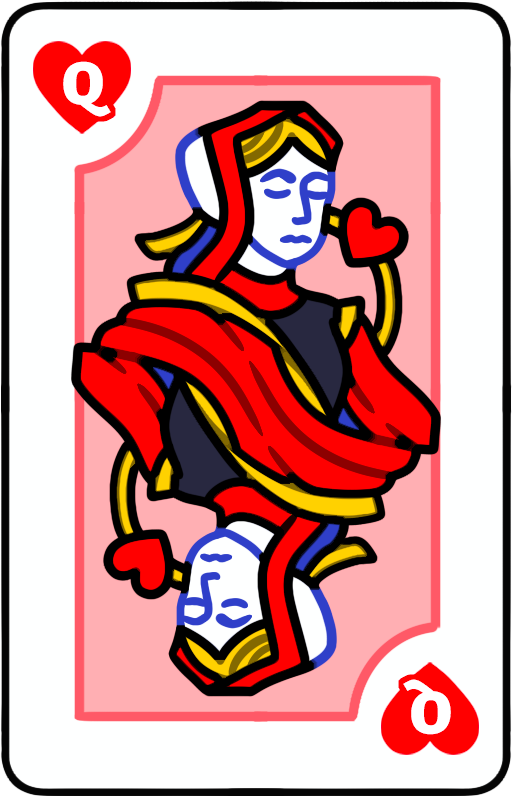
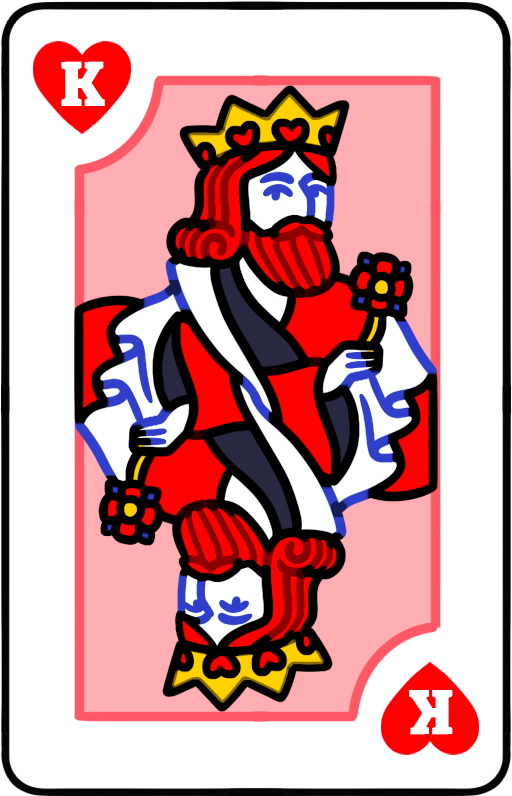
The stock holds the 64 cards not dealt to the tableau. Cards turn one at a time onto a face-up waste pile. The top of the waste is always available; lower cards are buried until the top moves.
The stock is a one-pass resource. Once all 64 cards have been dealt, the waste is not turned over to refresh the stock. Standard Forty Thieves has no redeal; play continues using only what is currently exposed, until either the foundations finish or no legal move remains.
A common beginner failure: the 6 of Spades sits on top of column 4, the 7 of Spades waits on the waste, and the player flips the next stock card before lifting that 6 onto the 7. The new card buries the 7, and the spade run for that foundation can stall for the rest of the deal. Every stock flip is a one-way commitment; scan the ten column tops for any legal move before drawing.
Empty columns accept any single card. There is no Kings-only restriction. A waste card, a tableau top, or any single available card may move into a vacant column.
Empty columns raise the maximum movable chain. With one empty column, a two-card pair can be transferred (park one, move the other, bring the parked card back). With two empties, a three-card group can be moved by the same serialization. Maximum movable chain length equals 1 + the number of empty columns.
Trading an empty column for a card that did not need one is the most expensive mistake new players make. A 10 of Diamonds dropped into an empty column to clear the waste, when the 10 could have sat on a Jack of Diamonds elsewhere, gives up a serialization slot for nothing.
The game is won when all 104 cards reach the eight foundations, each holding a complete Ace-through-King sequence in a single suit. The game is lost when the stock is empty, the top of the waste cannot be played, and no tableau-to-tableau or tableau-to-foundation move is available.
Win rates depend on the source.
The gap between the two is what skilled play earns: roughly an extra 6 percentage points on top of the floor that the deal sets. The buried-Ace problem (an Ace covered by face cards in the same suit) is the most common deal-killer; foundation greed (promoting mid-rank cards too early) is the most common skill mistake. Estimated game time is around 20 minutes per deal.
Forty Thieves sits between Klondike and FreeCell on most metrics, but the strict same-suit tableau rule makes it the harder game.
| Element | Forty Thieves | Klondike | FreeCell |
|---|---|---|---|
| Tableau columns | 10 of 4, all face-up | 7 of 1 to 7, top card only face-up | 8 of 6 or 7, all face-up |
| Tableau build | Down by suit only | Down by alternating color | Down by alternating color |
| Stock draw | 1 at a time from a 64-card stock | 1 or 3 at a time from a 24-card stock | No stock |
| Redeals | None (single pass) | Unlimited in most apps; 1 in Vegas variant | None |
| Group moves | One card at a time | Built sequences move as a group | Auto-move when free cells allow |
| Win rate | ~10% skilled / 3.69% algorithmic | ~30-43% practical / ~80% theoretical | ~99% (almost all deals winnable) |
Two implications follow. First, Forty Thieves' face-up tableau looks easier than Klondike's hidden-card tableau, but the same-suit rule punishes more than the hidden cards reward. Second, the absence of free cells and the strict one-card movement rule mean Forty Thieves never offers FreeCell's “any deal is solvable with enough thought” guarantee. A bad Forty Thieves deal stays bad.
Cross-reference: full rules for Klondike and FreeCell live on their own pages.
Three rule disputes come up often.
Canon is single-pass: the stock is dealt once and the waste is not recycled. Bicycle, the Solitaire Association, and Wikipedia's Napoleon at St Helena article all agree. One printed source, Denexa Games, describes a one-redeal house rule in which the discard pile may be turned over to refresh the stock. This is a Denexa-specific convention rather than the dominant tradition. Many software implementations expose it as an “easier mode” toggle; on suitedgames.com the default play is single-pass.
The base rule allows only one card at a time. A built 10-9-8 of Spades does not transfer as a unit. Some software auto-performs multi-card moves when intermediate parking space exists, lifting the whole sequence as a single drag and using empty columns as scratch space. The auto-move is a UI convenience, not a rule change.
A few variants remove the eight Aces from the deck before the deal and place them directly on the foundations. The base game does not; Aces stay in the deck and reach the foundations during play. The named variant where pre-dealt Aces are canonical is Lucas, which also widens the tableau to 13 columns of 3 cards. A software toggle labeled “start with Aces up” is converting the game to Lucas-style rules.
For more variant detail, see the Forty Thieves variants section on the pillar.
A walk-through clarifies more than rule paragraphs. The position below illustrates empty-column hoarding, foundation discipline, and the same-suit-only build rule.
Starting tableau (top of each column shown, deeper cards in parentheses):
The first stock flip turns up the 2 of Diamonds.
Move 1: A of Hearts to foundation. The Ace at the top of column 3 goes straight up. Aces are always safe to promote; column 3 now exposes the 10 of Clubs.
Move 2: 8 of Spades onto 9 of Spades. Column 1's 8 of Spades shifts onto column 2's 9 of Spades. Same-suit descending. Column 1 exposes the Queen of Hearts.
Move 3: skip the 7 of Hearts onto 8 of Spades. Tempting, but illegal. The build rule is same-suit only; the 7 of Hearts can only go on the 8 of Hearts (buried in column 4). A new player who plays Klondike or FreeCell instinct loses the deal here.
Move 4: hold the 2 of Diamonds on the waste. The 3 of Diamonds is buried in column 7, so the 2 has no tableau landing. Holding it on the waste preserves the option to promote it once a Diamond foundation opens. Flip the next stock card.
Move 5: do not move the 10 of Hearts. The 10 sits on top of column 7 with no Jack of Hearts available (Jack of Hearts sits at the bottom of column 3, two cards below the new top, the 10 of Clubs revealed in Move 1). Sending it to an empty column would burn a serialization slot for no payoff. Hold position and turn another stock card.
The sequence shows three patterns. Aces go up immediately. Same-suit-only kills cross-suit instincts. And empty columns are too valuable to spend on cards with legal homes elsewhere or no urgent need to move.
| Element | Detail |
|---|---|
| Decks | 2 standard decks (104 cards) |
| Tableau columns | 10 columns, 4 face-up cards each |
| Stock size | 64 cards |
| Foundations | 8 piles (2 per suit), Ace to King |
| Tableau build | Down by suit only (not alternating color) |
| Foundation build | Up by suit, Ace through King |
| Card moves | Single cards only (no group moves in base rules) |
| Stock deal | 1 card at a time |
| Stock passes | 1 pass only (no recycling) |
| Empty columns | Any single card may fill |
| Win rate | ~10% skilled play / 3.69% random algorithmic |
| Game time | ~20 minutes per deal |
| Also known as | Napoleon at St Helena, Big Forty, Le Cadran, Roosevelt at San Juan |
For the seven-step beginner walk-through, see the Forty Thieves pillar page. For tactics that lift the win rate, see the Forty Thieves strategy guide. For the full FAQ including the Napoleon legend and the major variants, see the Forty Thieves FAQ.
Beat the odds. Try Forty Thieves Solitaire with full move validation, automatic foundation building, and provably fair shuffles.
Play Forty Thieves Now