

Forty Thieves is a two-deck patience game in which 40 cards are dealt face-up into 10 columns of 4. The eight foundations build up from Ace to King in suit; the tableau builds down by suit only; and only one card may move at a time. The 64-card stock is dealt once with no redeal, which is most of the reason the win rate sits near 10 percent even with practice. The game also goes by Napoleon at St Helena, Big Forty, Le Cadran, and Roosevelt at San Juan.
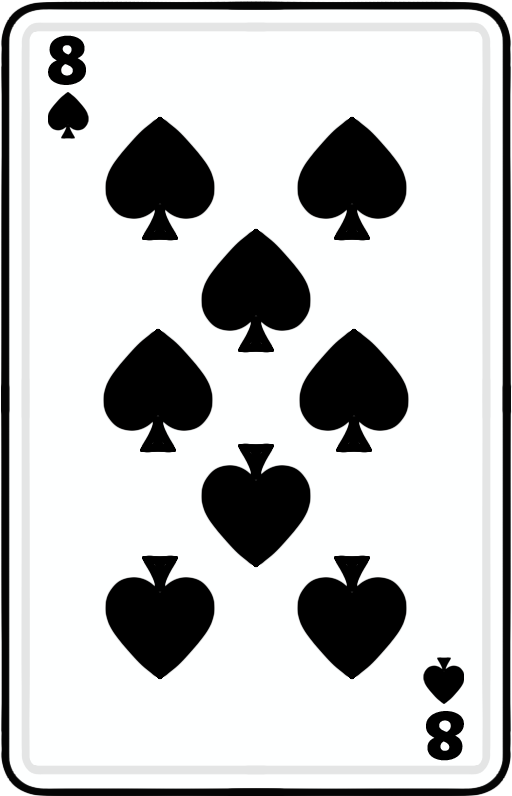
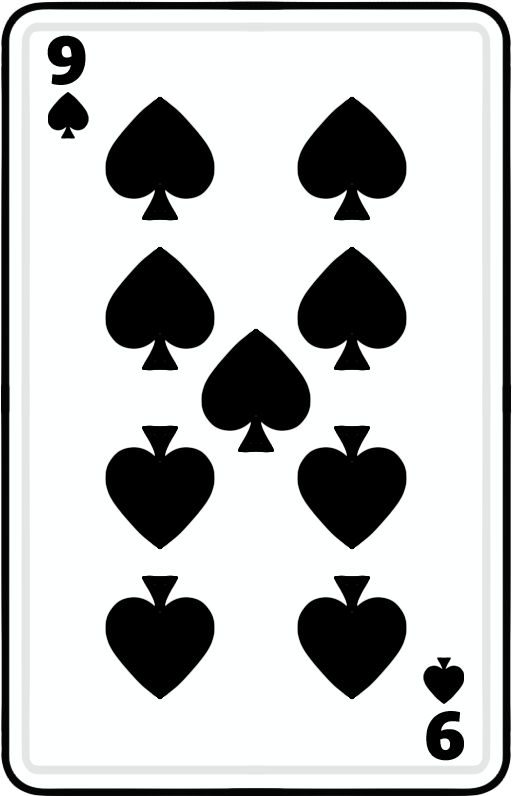
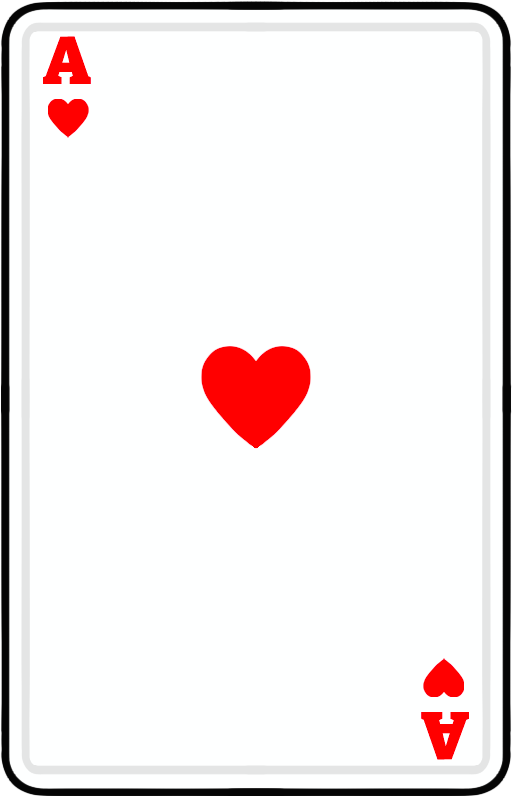
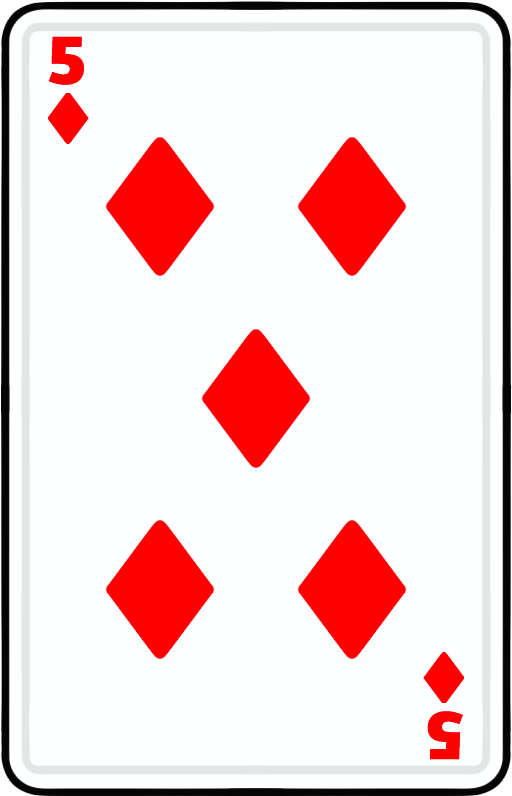
How to Play Forty Thieves Solitaire
Seven steps cover the full game from shuffle to win.
- Shuffle two standard 52-card decks together. That gives you 104 cards. Remove the jokers.
- Deal 40 cards face-up into 10 columns of 4. Deal by rows so each column receives one card per pass. Every tableau card is visible from the start; nothing is hidden.
- Set out eight foundation slots above the tableau. Two foundations per suit, all empty. Aces will go up as they appear.
- Build the tableau down by suit. Only the top card of each column is in play. The 7 of Clubs goes only on the 8 of Clubs; alternating colors and same-rank-different-suit moves are not legal here.
- Move one card at a time. A built sequence is not a movable group. To shift a 9-8-7 of Diamonds, you need parking space for two cards while you relocate them one at a time.
- Draw from the 64-card stock one card at a time. Each drawn card may be played immediately or sent to the waste pile. You get one pass through the stock; the waste pile is never recycled.
- Win by building all eight foundations Ace through King in suit. All 104 cards on foundations means a finished game. Lose when no legal moves remain.
For the full rules, including software conventions and house-rule variants, see the full Forty Thieves rules guide.
Setup and Layout
Forty Thieves uses one of the simplest layouts in two-deck patience.
- Two standard 52-card decks combined, jokers removed: 104 cards total.
- Tableau: 10 columns of 4 cards each, all face-up, dealt by rows. The “Forty” in the name refers to these 40 visible cards, not to the foundations.
- Stock: 64 cards face-down, off to the side. One card flips at a time during play.
- Waste pile: starts empty. The top card of the waste is always available to play.
- Foundations: 8 empty slots above the tableau, two per suit. Each foundation will hold one Ace-through-King sequence in a single suit when finished.
Empty columns matter more than they look: a single empty column behaves like one FreeCell free cell, since you can use it to park a card while shifting another. Hoarding empties is the closest thing the game has to a secret.
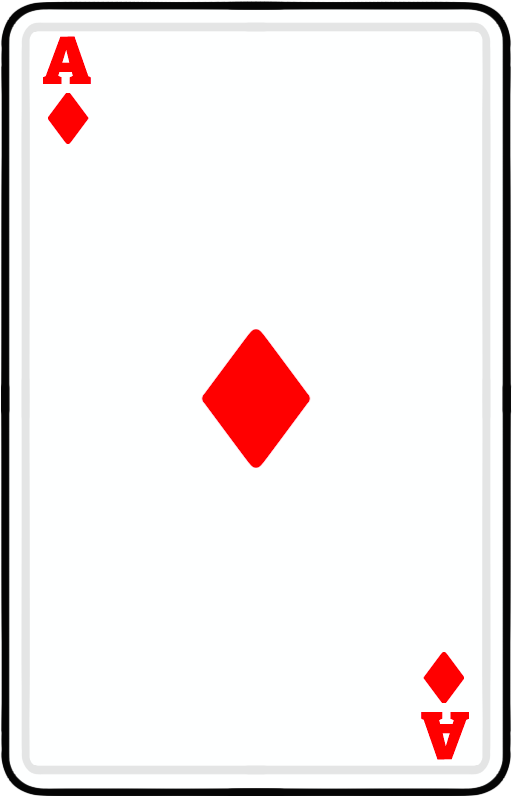
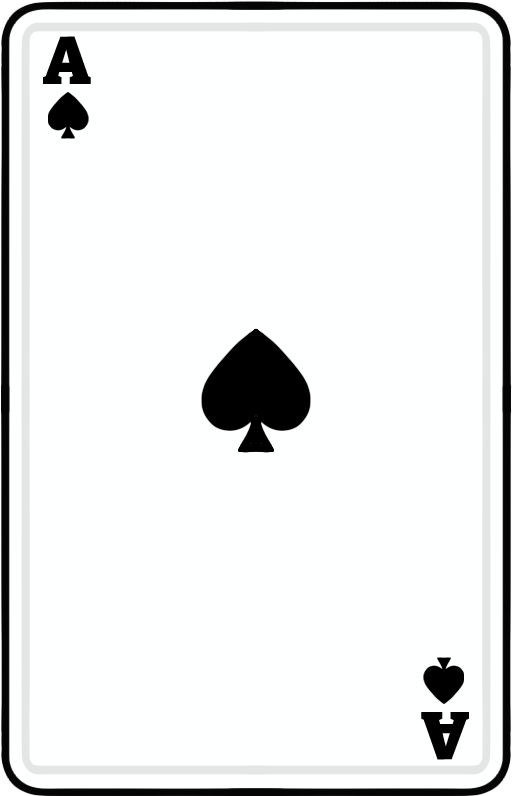
Tableau and Foundation Rules
The tableau and foundation rules are what make Forty Thieves the demanding game it is.
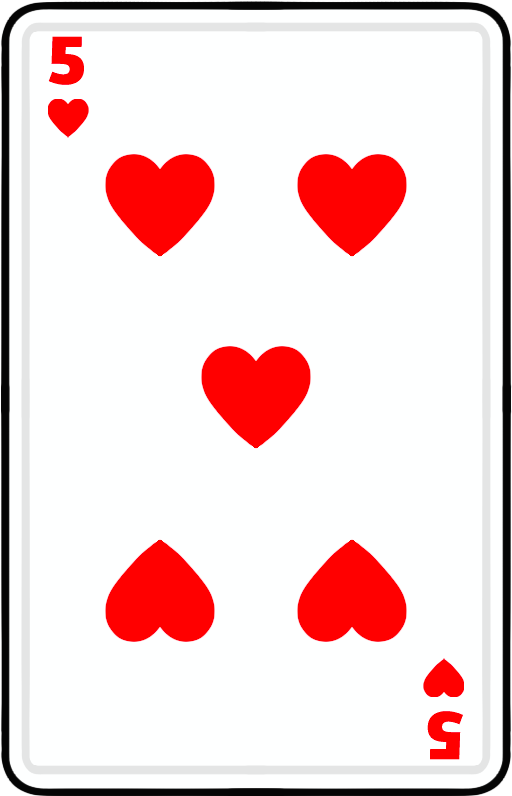
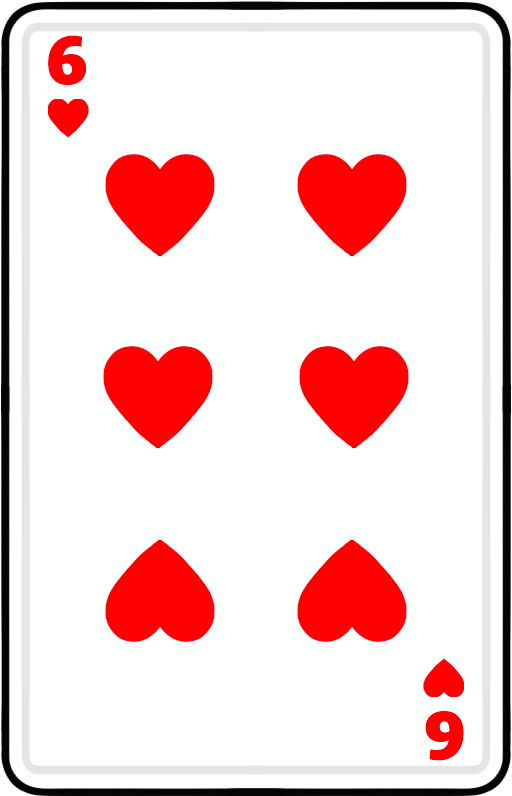
Tableau builds down by suit. A card placed on another card must be the same suit and exactly one rank lower. The 5 of Hearts goes on the 6 of Hearts. There is no alternating-color rule, no any-suit rule. This is the single biggest reason the game is so much harder than Klondike.
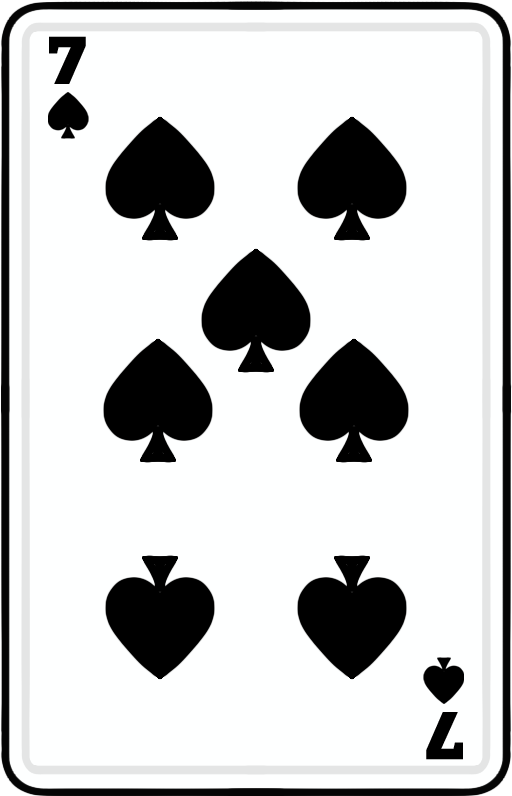
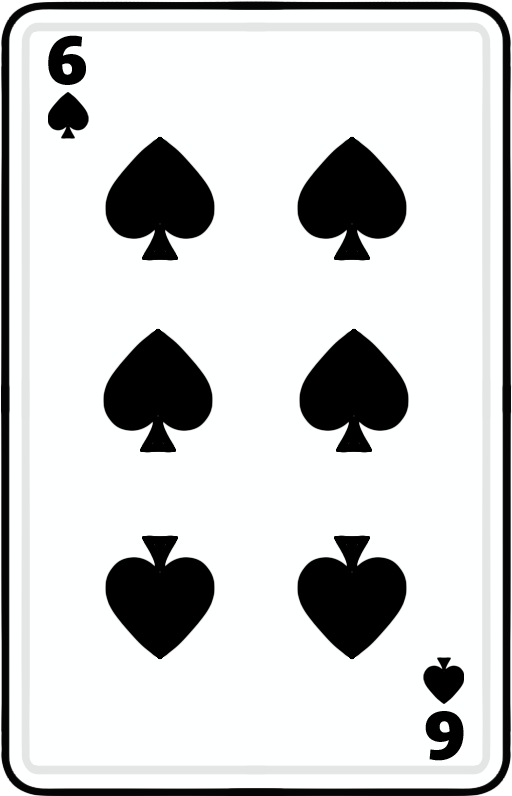
Only one card moves at a time. Even a perfect descending same-suit sequence does not transfer as a unit. To move a 10-9-8 of Spades, you serialize: park two cards in scratch space, slide the third onto its destination, bring the two parked cards back. Three cards need at least two empty columns or open same-suit landing pads to move cleanly.
Empty columns accept any single card. No Kings-only rule, unlike some Klondike conventions. This flexibility is why empty columns are valuable; trading one for the wrong card is the fastest way to lose.
Foundations build up by suit, Ace to King. Each suit fills two foundations, since the deck is doubled. Once a card is promoted to a foundation, it stays there. Some implementations allow undo, but the canonical rule is that foundation moves are irreversible.
One pass through the stock, no redeal. The 64-card stock is dealt one card at a time to the waste; once exhausted, the waste is not recycled. Some software adds a “with redeal” toggle as an easier-mode option, and one printed source describes a one-redeal house rule, but the standard is single-pass.
For the comparison with Klondike and FreeCell, edge cases like software-assisted multi-card moves, and a full glossary, see the Forty Thieves rules guide.
Strategy and Tactics
Forty Thieves rewards planning more than card-counting. Five tactics carry most of the weight.
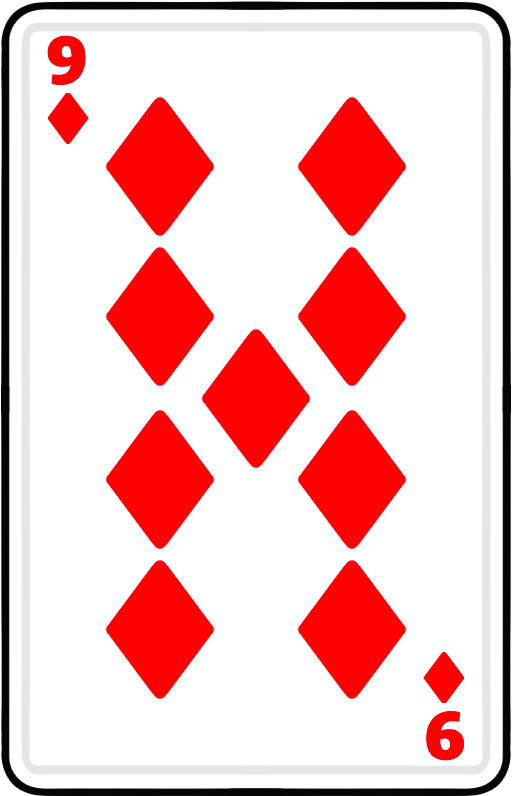
Empty columns are your free cells. Because the rules let you move only one card at a time, one empty column lets you transfer a two-card pair, two empties move a three-card group, three empties move a four-card group. Maximum movable chain = 1 + number of empty columns. Knowing this turns the empty count into a planning variable instead of a vague resource.
Stock is a clock, not a resource. The 64-card stock runs once. Every flip is irreversible. The discipline is reflexive: scan all ten column tops for any legal move before drawing. A common beginner failure: the 6 of Spades is on top of column 4, the 7 of Spades is on the waste, and the player draws the next stock card before lifting that 6 onto the 7. The new card buries the 7, and the spade run is dead.
Send the low cards. Hold the mid-rank cards. Aces, 2s, and 3s should go to foundation as soon as they appear. From the 4 upward, the rule inverts. A 4 of Hearts at the bottom of an otherwise-tidy 4-3 of Hearts is more useful as a landing zone for a 3 of Hearts still in the waste than as one tick on the foundation. The foundation is a graveyard for cards that cannot serve.
Build short same-suit runs on cards you do not need. A Q-J-10 of Diamonds on a column whose lower cards are face cards or already-promoted ranks is excellent: the column becomes a parking lot. The worst runs are mid-rank stacks built on low cards that the foundations need. A 9 of Spades sitting on a 5 of Spades is an active liability; the 5 must reach foundation eventually, and now it cannot.
Read the deal early. If two Aces are buried under face cards in the same suit, that suit is in real trouble; if every column has a face card in its bottom three, the deal is probably dead. Knowing when to abandon a deal is a skill, not a failure. The published 3.69 percent random-deal win rate (a 182,919-game algorithmic test) suggests that most of the time the deck has already decided the outcome before the first move.
For the full strategy treatment, including the buried-Ace problem and foundation pacing in two-deck play, see the Forty Thieves strategy guide.
History
The game first appears in print as Napoleon at St. Helena in Annie B. Henshaw's Amusements for Invalids (Boston, 1870), framed as “a most excellent game which has the added charm of having been a favorite with Napoleon at St. Helena.” Four years later Lady Adelaide Cadogan's Illustrated Games of Patience (London, 1874) describes the same layout under the French name Le Cadran (“The Dial”). Cadogan used French titles throughout her book, which is the strongest indirect argument that the game has earlier French roots that nobody has yet found in print.
The names “Big Forty” and “Forty Thieves” emerge in 1920s American patience books (Hoyle 1922; Seymour's The New Hoyle 1929). Helen Leslie Coops adds Roosevelt at San Juan in 100 Games of Solitaire (1939), a name that never traveled far. The Morehead and Mott-Smith Complete Book of Solitaire and Patience Games (1949) cemented the game in American postwar play, and David Parlett's The Penguin Book of Patience (1979) is the standard modern reference.
The Napoleon legend is almost certainly apocryphal. The Croker Quarterly Review of 1816 describes Las Cases at a “solitary game of patience” on St Helena, but the modern reading (Ross and Healey) is that the phrase refers to Las Cases breaking in fresh decks of cards rather than playing the patience game we now call Forty Thieves. Napoleon himself is documented playing whist (Captain Edmund Denman, via John Marshall's Royal Naval Biography, 1825), not patience. Henshaw's 1870 attribution is the oldest written claim, and it dates from 49 years after Napoleon's death.
Variants
The Forty Thieves family is one of the largest in solitaire. Five variants come up most often.
Streets (also called Forty and Eight in some sources) keeps the 10×4 layout but builds the tableau down by alternating colors instead of by suit. The change makes the game noticeably easier and is the closest thing the family has to a beginner-friendly version.
Rank and File (also called Emperor or Dress Parade depending on which rulebook) allows you to move validly-built sequences as a group. Group moves are the single biggest difficulty reducer in the family; this is the variant most commercial solitaire apps include when they want a more approachable two-deck game.
Lucas uses 13 columns of 3 cards each instead of 10×4, and the eight Aces are removed from the decks and placed directly on the foundations before the deal. The wider, shallower tableau and the pre-placed Aces lift the win rate near 33 percent.
Indian runs 10 columns of 3 cards. Tableau builds go down in any suit except the same suit, an inversion of the base rule that produces a genuinely distinctive feel.
Forty and Eight (the version distinct from Streets) shrinks the tableau to 8 columns of 4 cards and allows one redeal of the stock. The redeal mechanic alone makes a sizeable difference in win rate.
These variants are not currently playable on suitedgames.com; full game pages are planned. In the meantime, the rules above describe base Forty Thieves only.
Frequently Asked Questions
How do you play Forty Thieves solitaire?
Shuffle two decks, deal 40 cards face-up into 10 columns of 4, and place the remaining 64 cards as the stock. Build the tableau down by suit, the foundations up by suit from Ace to King, moving one card at a time. The stock deals once with no redeal. Win by completing all eight foundations.
Why is it called Forty Thieves?
The name refers to the 40 cards dealt face-up at the start, in 10 columns of 4. Modern card writers borrowed the imagery from Ali Baba and the Forty Thieves in One Thousand and One Nights, casting each tableau card as a "thief" trying to block your path to the foundations. The name first appears in 1920s American sources.
How many decks does Forty Thieves use?
Two standard 52-card decks combined, with jokers removed, for 104 cards total. 40 cards land in the tableau and 64 form the stock.
Is Forty Thieves solitaire hard?
Yes. With careful play the win rate sits around 10 percent (Morehead and Mott-Smith's 1949 figure, still the strategy-guide consensus). A large algorithmic study of 182,919 random deals reports a 3.69 percent rate without skilled-human heuristics. Many deals are unwinnable from the moment the cards are turned face-up.
Can I move groups of cards in Forty Thieves?
No. The base rule moves one card at a time, even when the cards form a perfect descending same-suit sequence. Software implementations sometimes auto-perform multi-card moves when the empty columns exist to serialize them; this is a UI convenience, not a rule change.
Why can I only build by the same suit on the tableau?
That is the rule that defines the game. Klondike uses alternating colors, FreeCell allows any suit; Forty Thieves limits tableau builds to descending same-suit. The 5 of Diamonds goes only on the 6 of Diamonds. The same-suit constraint cuts available moves dramatically and is the main reason the win rate is so low.
What card can I place in an empty tableau column?
Any single card. There is no Kings-only rule. Empty columns are the most valuable resource in the game because they let you serialize multi-card moves; spending one on a card that did not need it is the most expensive mistake new players make.
Did Napoleon really play Forty Thieves?
Almost certainly not, at least not the version we play today. The contemporary records of Napoleon at St Helena describe him playing whist, not patience; the often-quoted "solitary game of patience" line from Croker's 1816 Quarterly Review most likely refers to Las Cases breaking in fresh card decks. The legend dates from Annie B. Henshaw's 1870 patience book, 49 years after Napoleon's death.
For more questions, including the major variants and one-deck offshoots, see the full FAQ.