

Last updated
Tri-Peaks Solitaire Rules
The goal of Tri-Peaks is to clear all 28 cards from three overlapping peaks onto one waste pile, a card at a time, each card one rank above or below the card before it. This page is the full rule set of the game on this site, with its scoring, the 1991 original it comes from, and the terms players use.
For a shorter start with a worked example, read how to play Tri-Peaks.
The Layout
One standard 52-card deck, no jokers. Twenty-eight cards make the three peaks, 23 make the stock, and one starts the waste pile: 28 + 23 + 1 = 52.
| Part | Cards | Face | Rule |
|---|---|---|---|
| Peaks (top row) | 3 | Down | Each covered by two cards of the row below |
| Second row | 6 | Down | Each covered by two cards of the row below |
| Third row | 9 | Down | Each covered by two cards of the base row |
| Base row | 10 | Up | Nothing covers them: all ten can play |
| Stock | 23 | Down | Drawn from the top, one card at a time, once |
| Waste | 1 | Up | The card you play on; it starts the game |
Every card above the base row is covered by two neighboring cards of the row beneath it, and it turns face up the moment both are gone. The peaks share the base row: its fourth and seventh cards each cover cards from two different peaks, so clearing them helps two peaks at once.
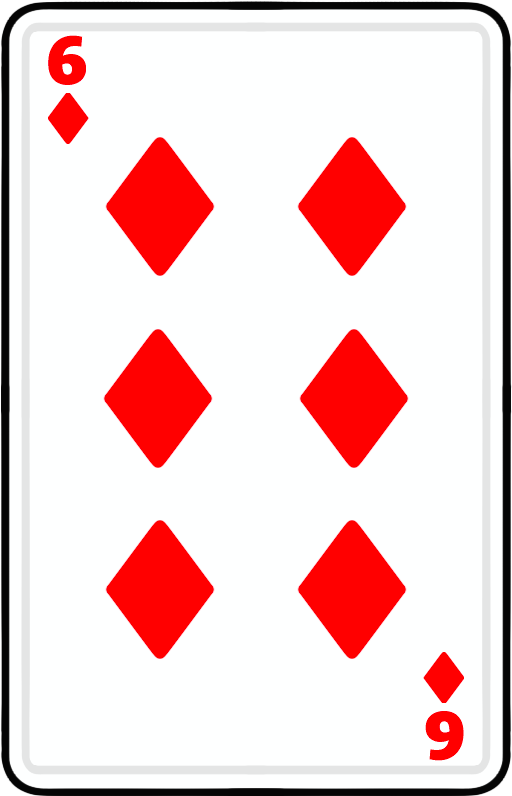
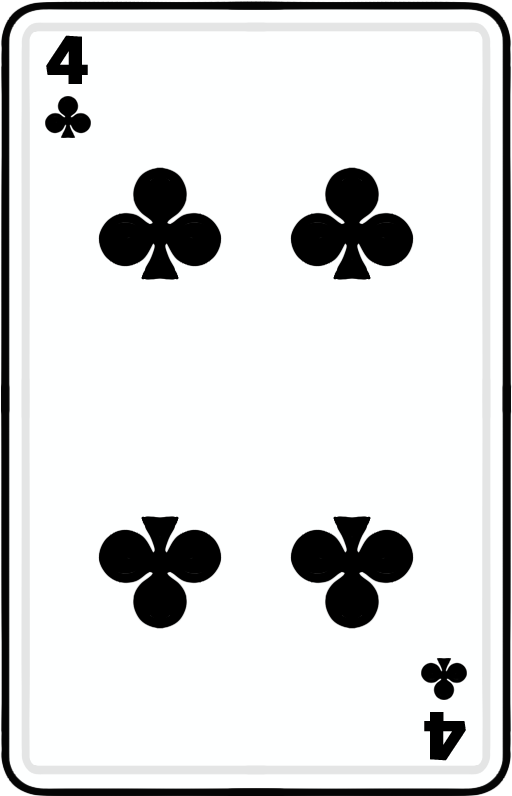
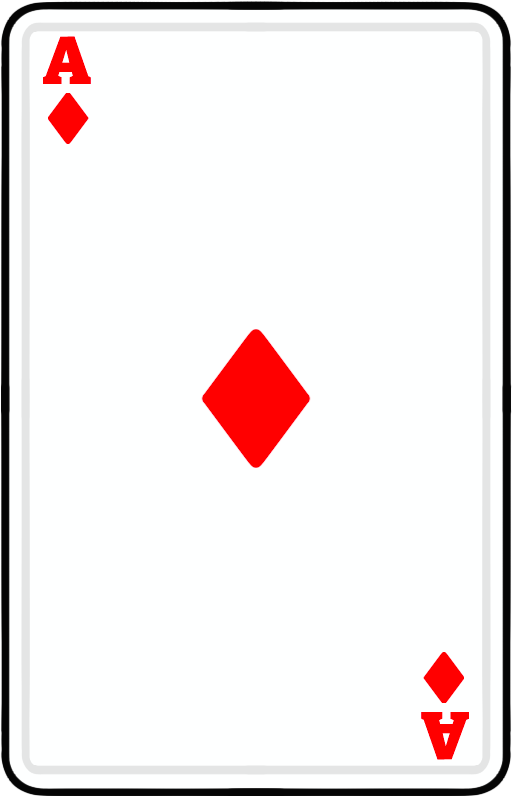
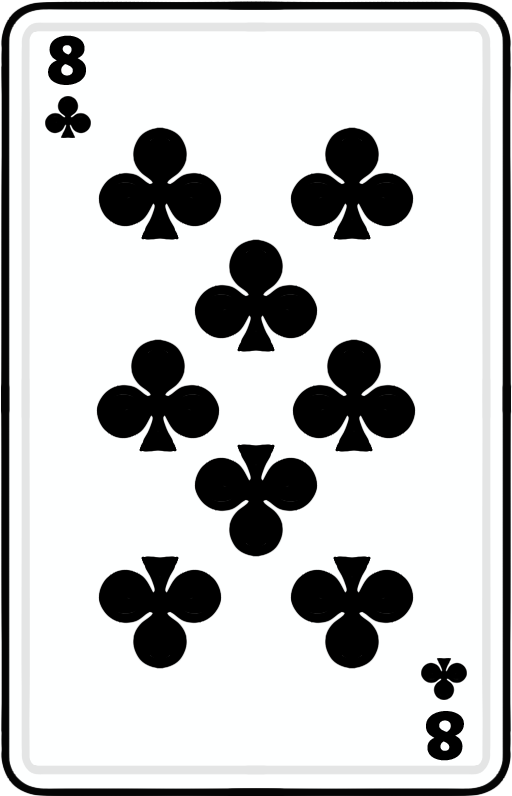
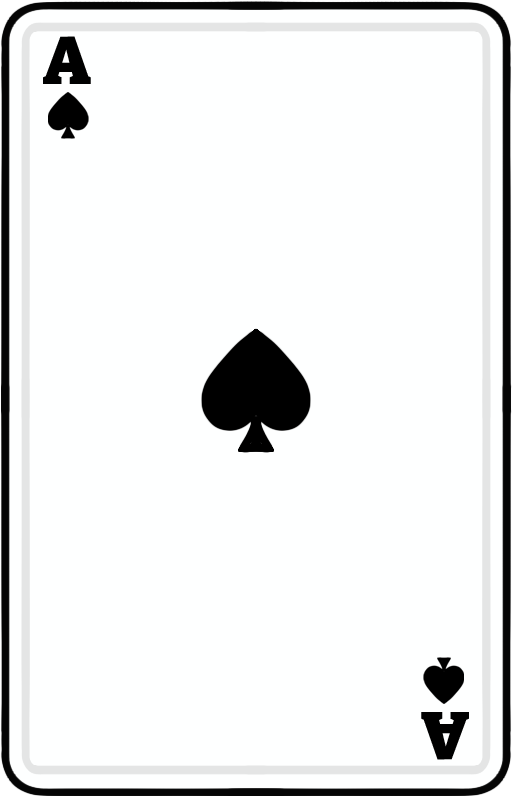
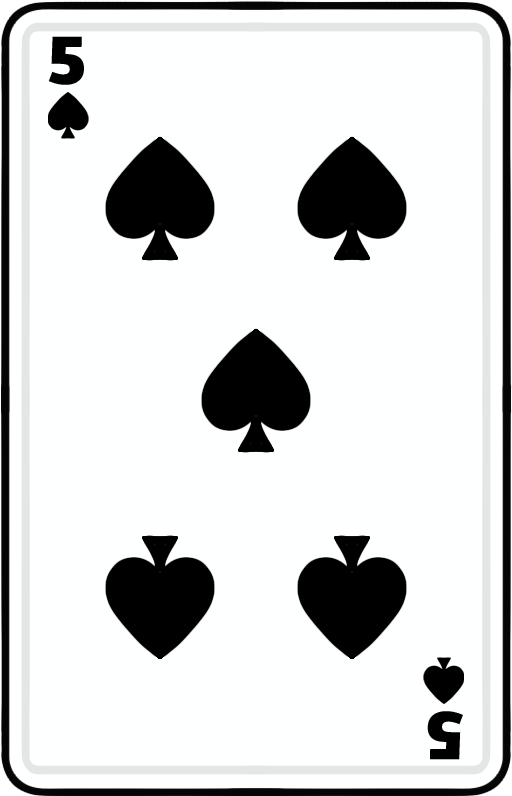
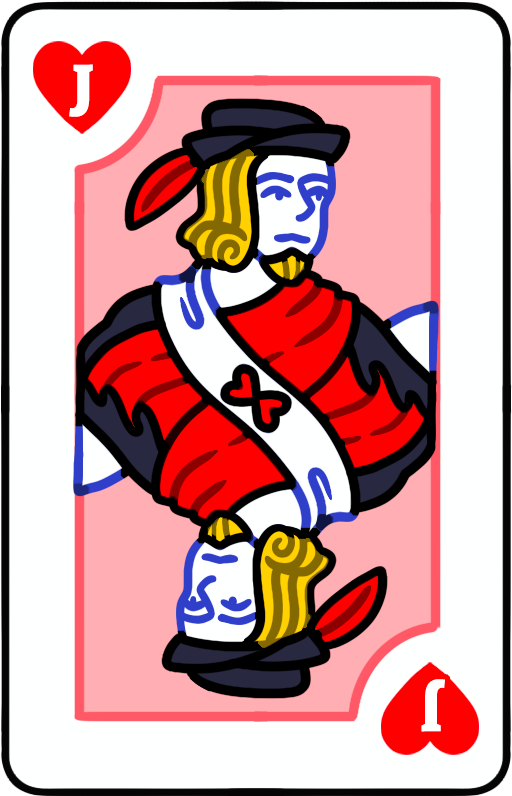
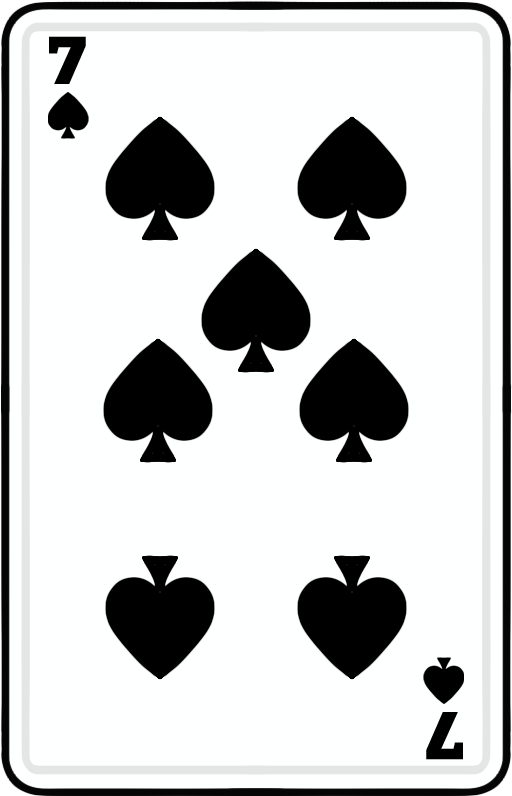
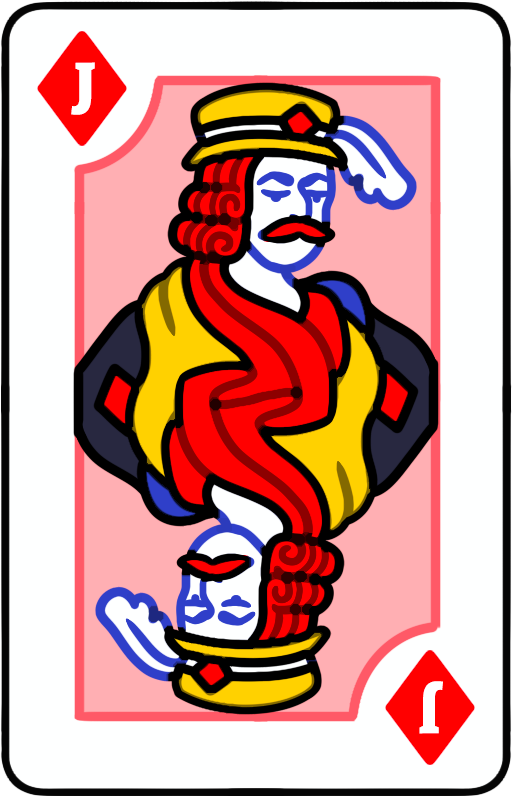
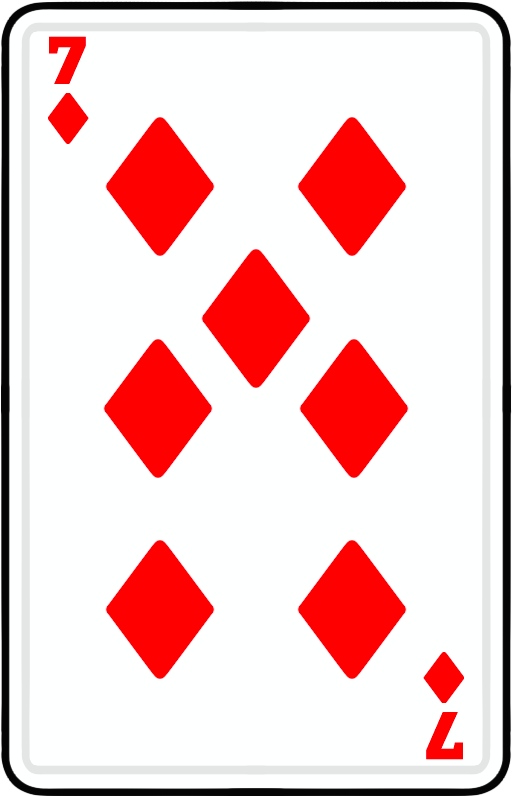
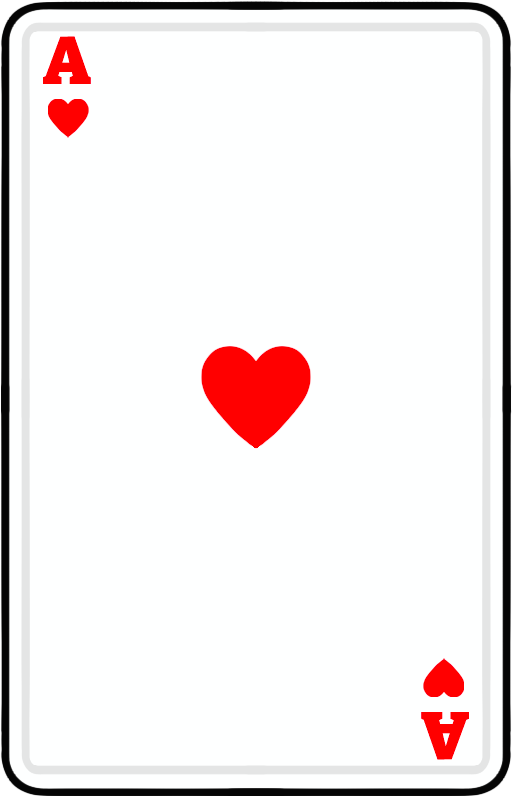
This is the deal drawn on the Tri-Peaks page with its 18 face-down cards shown. The tips of the peaks are the 6 of diamonds, the 4 of clubs, and the Ace of diamonds, and each can move only after the nine cards below it in its peak are gone.
Legal Moves
- Play: move an uncovered card from the peaks onto the waste pile if it is one rank above or below the top waste card. Suit and color never matter.
- Rank order: Ace, 2, 3, and so on to 10, Jack, Queen, King, and around again: an Ace plays on a King, and a King on an Ace.
- Uncovered cards: all ten base cards at the start, and any higher card once both cards covering it have gone. It turns face up at that moment.
- Draw: turn the top stock card onto the waste at any time, even when a card could play. It becomes the card to play on.
- One pass: the stock is used once. There is no redeal.
- No way back: cards on the waste stay there, and a card never returns to the peaks. Our game has no undo.
Winning and Losing
You win when all 28 cards have left the peaks, whatever is still in the stock. You lose when the stock is empty and no uncovered card is one rank from the waste card. Our game spots that position itself, ends the deal, and scores it.
Starting a New Game in the middle of a deal asks you to confirm, then drops the deal without recording a result. There is no way to quit and keep a score, which the 1991 original allowed at a price.
Scoring
Every card played scores its place in the current streak, the streak restarts after each draw, and bonuses come from the peaks.
| Event | Points |
|---|---|
| First card after the deal or after a draw | 1 |
| Each next card in the same streak | 2, then 3, then 4, and so on |
| Drawing a stock card | 0, and the next card scores 1 again |
| Clearing the first peak, and the second | 15 each |
| Clearing the third peak | 30 |
| Clearing all 28 cards | 50 more |
| Stuck with the stock empty | minus 5 for each card left in the peaks |
A peak bonus is paid when the peak's tip card is played, and the tip cannot move until the nine cards beneath it in that peak are gone. The three peaks between them cover all 28 cards, so the third tip is always the last card in the layout, and the winning click pays 30 for the peak and 50 for clearing.
Three worked examples:
- A win. The 28 cards leave in streaks of 8, 5, 5, 4, 3, and 3, with draws between. Streaks: 36 + 15 + 15 + 10 + 6 + 6 = 88. Peaks: 60. Clearing: 50. Total 198.
- A loss. Streaks worth 70 points and one peak cleared (15), then stuck with 6 cards left: 70 + 15 - 30 = 55.
- The maximum. All 28 cards in one streak with no draw: 1 + 2 + ... + 28 = 406, plus 60 in peak bonuses and 50 for clearing: 516. Our solver found no deal in 10,000 that allows it.
The 1991 Original and Other Versions
Robert Hogue's Tri-Peaks shipped in Microsoft Entertainment Pack 3 in 1991, and its help file sets out the original rules. Our game keeps the layout, the wrap, and the shape of the scoring, and changes what drawing and quitting cost.
| Rule | Our game | 1991 original | Elsewhere |
|---|---|---|---|
| King-Ace wrap | Yes, both ways | Yes: an Ace is one above a King and one below a 2 | Some programs leave it out or keep it for an easy mode |
| Drawing from the stock | Free; it resets the streak | $5 for every card drawn | Usually free |
| Streak points | 1, 2, 3, and so on per card | $1, $2, $3, and so on per card | Varies |
| Peak bonuses | 15, 15, and 30 | $15, $15, and $30 | Varies |
| Clearing all 28 cards | 50 more on top of the last peak bonus | No separate bonus | Varies |
| Cards left at the end | Minus 5 each when a deal ends stuck | Minus $5 each if you quit or redeal | Counted as the score, or just a loss |
| Undo and hints | None | None listed in the help file | Common in apps |
| Score kept | Per deal | A running money total per player, with a Hall of Fame | Usually per deal |
The 1991 game was about money. Its help file tells players that clearing the peaks is not the point, that each draw costs $5, and that walking away from a poor deal early, before paying for more draws, can be the better play.
The same help file holds the only strategy advice we have from the inventor: remove the card that turns over the most cards, keep as many cards face up as you can, and track which ranks have been played. The Tri-Peaks strategy guide puts those to work.
Tri-Peaks Variants
- No wrap. Kings and Aces become dead ends: a King on the waste takes only a Queen. The change can only make a deal harder, since every line that wins without the wrap also wins with it.
- All peak cards face up. The 18 hidden cards are dealt face up too, so you can plan every streak and guess only at the stock.
- Empty waste at the start. No stock card is turned up at the deal, so the first card played can be any card of the base row.
Two games we host use the same kind of layout or move. Golf solitaire plays one rank up or down onto one pile from seven face-up columns, with no wrap. Pyramid solitaire lays out 28 cards in a single pyramid and removes pairs that add up to 13.
Tri-Peaks Glossary
- Peak
- One of the three triangles of cards in the layout, and the single card at its tip. Clearing a tip card pays a peak bonus.
- Base row
- The bottom row of 10 cards, dealt face up and shared by all three peaks. At the start these are the only cards you can play.
- Uncovered card
- A card with no other card overlapping it, also called an exposed or open card. Only uncovered cards can be played.
- Waste pile
- The face-up pile you play onto, sometimes called the foundation or discard pile. Only its top card counts.
- Stock
- The face-down pile of 23 cards you draw from, one card at a time, with no redeal.
- Streak
- Cards played one after another with no draw between them. In our game the nth card of a streak scores n points.
- Wrap
- The rule that makes the King and the Ace neighbors, so a streak can run King, Ace, 2 or 2, Ace, King.
- Peak bonus
- Points for clearing a peak: 15 for the first, 15 for the second, 30 for the third.
- Stuck
- No uncovered card fits the waste card and the stock is empty. The deal ends, and each card left costs 5 points.
Quick Reference
- Deck: 52 cards
- Peaks: 28 cards in rows of 3, 6, 9, and 10; the base row of 10 face up
- Stock: 23 draws after one card starts the waste; one pass
- Move: an uncovered card one rank above or below the waste card, any suit
- Wrap: King and Ace connect, both ways
- Scoring: the nth card of a streak scores n; peaks 15, 15, 30; clearing 50; stuck minus 5 per card
- Win: all 28 cards off the peaks