

What Is Tri-Peaks Solitaire?
Tri-Peaks solitaire (also written TriPeaks, and called Three Peaks or Tri Towers) is a one-player card game for a standard 52-card deck. Twenty-eight cards form three overlapping peaks, and you clear them onto a single waste pile by playing any uncovered card one rank above or below the top card, whatever its suit.
Kings and Aces connect, so neither one ends a streak. Only the ten cards of the base row start face up. The 18 above them turn over as you uncover them, so every streak you plan is also a guess about the next card to appear.
- Cards: 52, one standard deck
- Peaks: 28 cards in rows of 3, 6, 9, and 10; only the base row of 10 starts face up
- Stock: 24 cards; the first starts the waste pile, leaving 23 draws and no redeal
- Moves: any uncovered card one rank higher or lower than the waste card, in any suit
- Wrap: a King plays on an Ace, and an Ace on a King
- Goal: clear all 28 cards from the peaks
How to Set Up Tri-Peaks
Deal the peaks from the top down. Lay three cards face down in a row with wide gaps between them: these are the tips of the three peaks. Overlap them with a row of six face-down cards, then a row of nine, and finish with ten face-up cards along the bottom. That is 3 + 6 + 9 + 10 = 28 cards. The other 24 form the stock; turn its top card face up to start the waste pile, and 23 draws remain. 28 + 24 = 52, so the whole deck is in play.
Every card above the base row is overlapped by two cards from the row beneath it, and the three peaks share the base row.
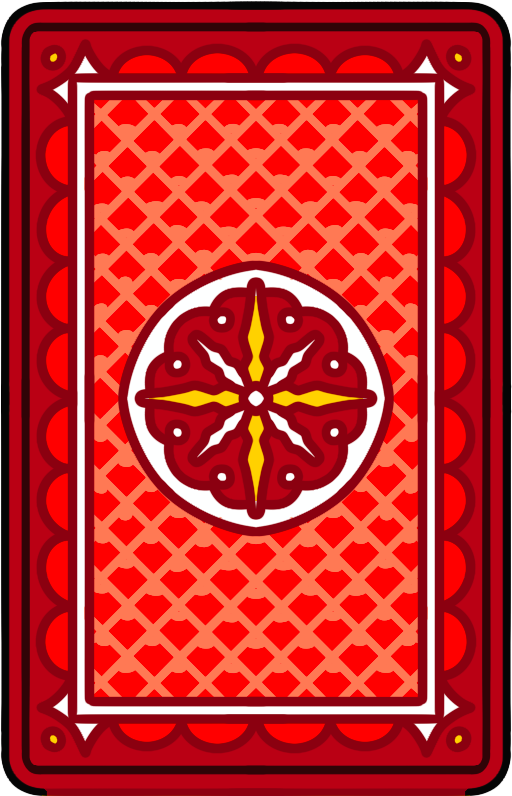
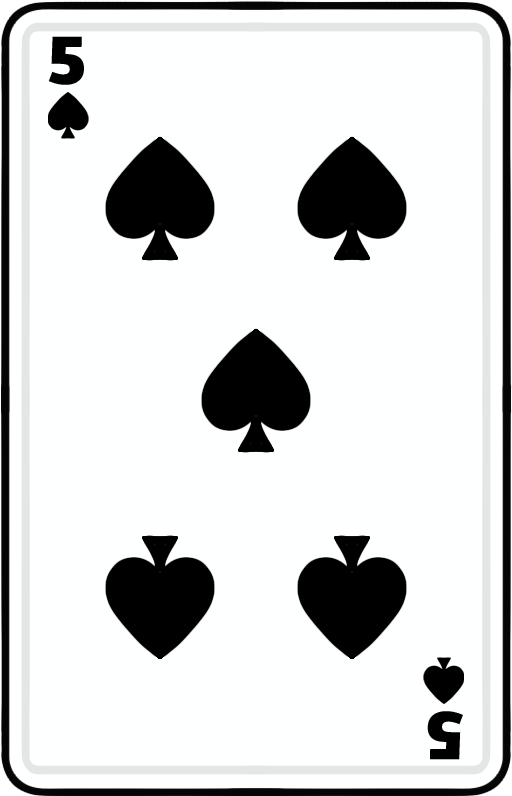
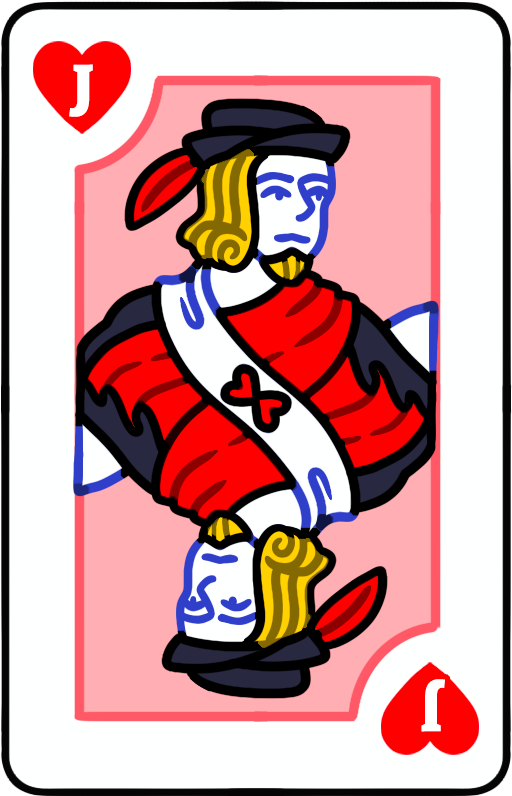
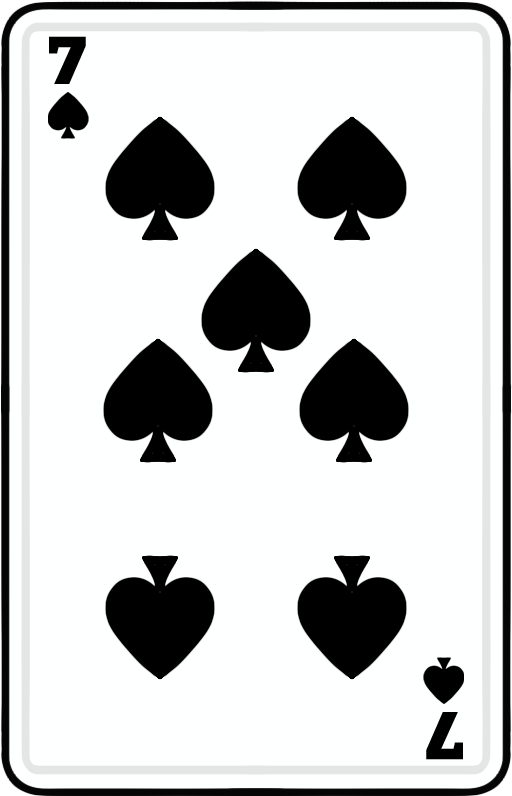
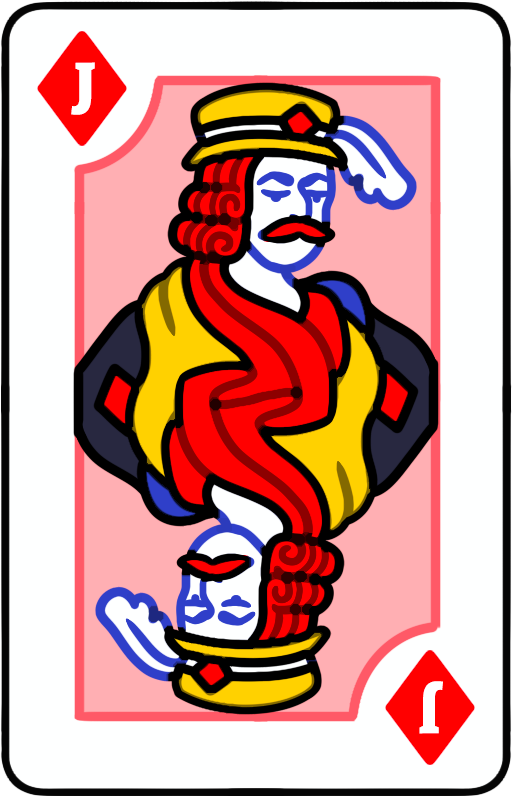
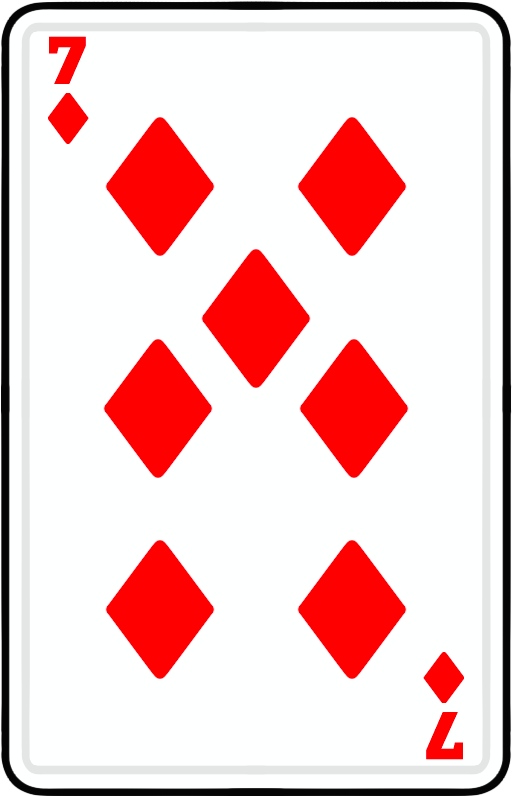
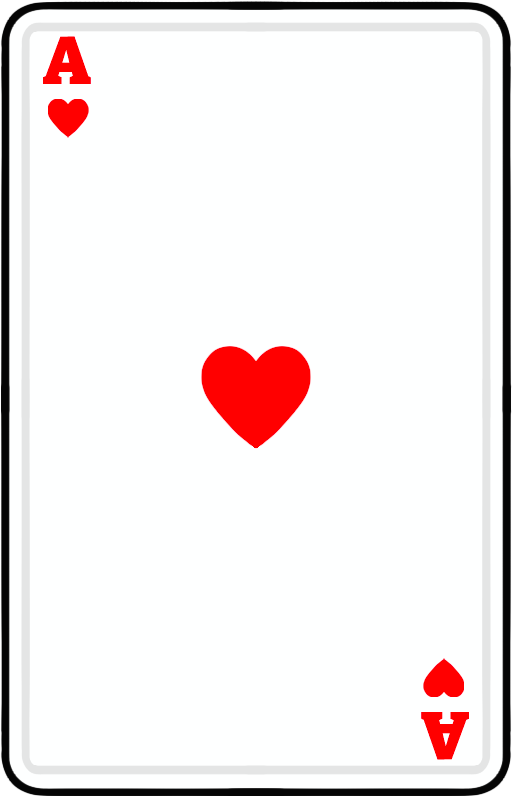
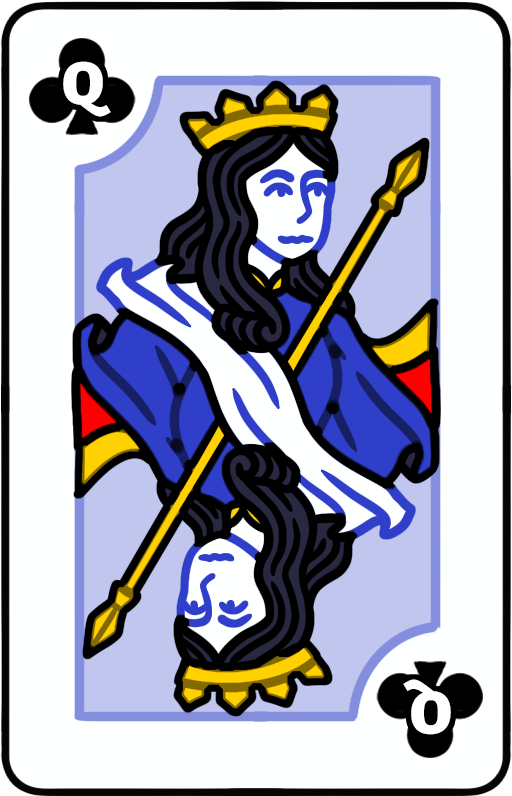
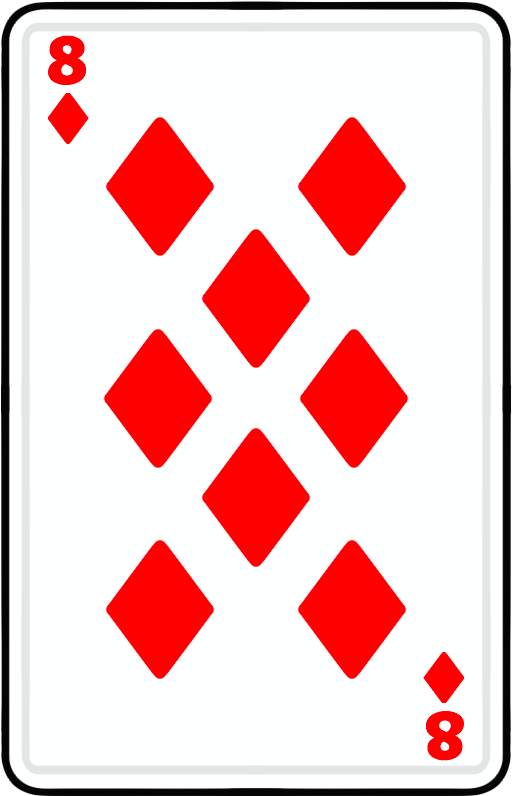
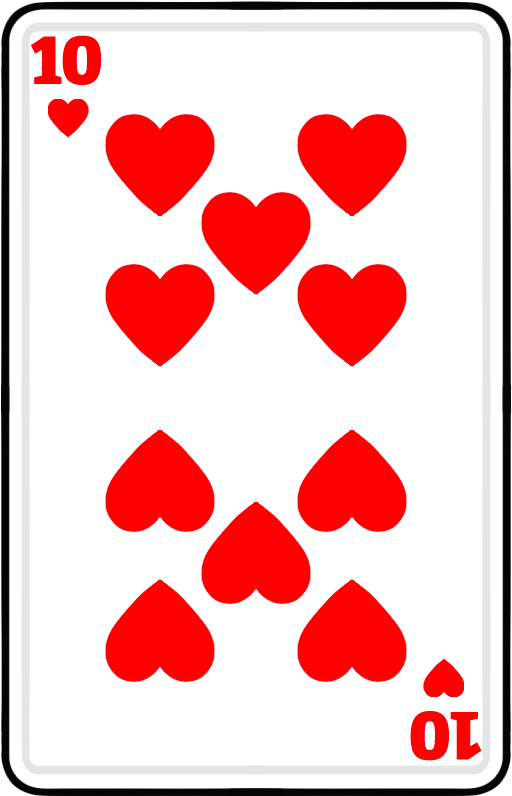
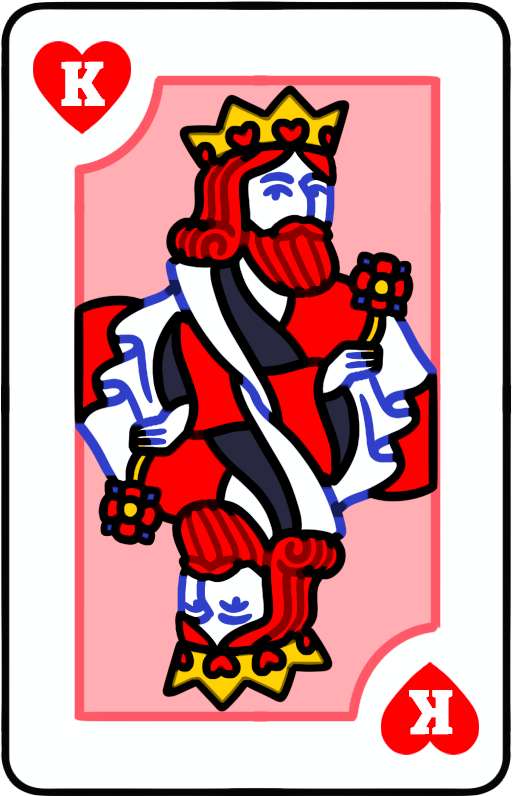
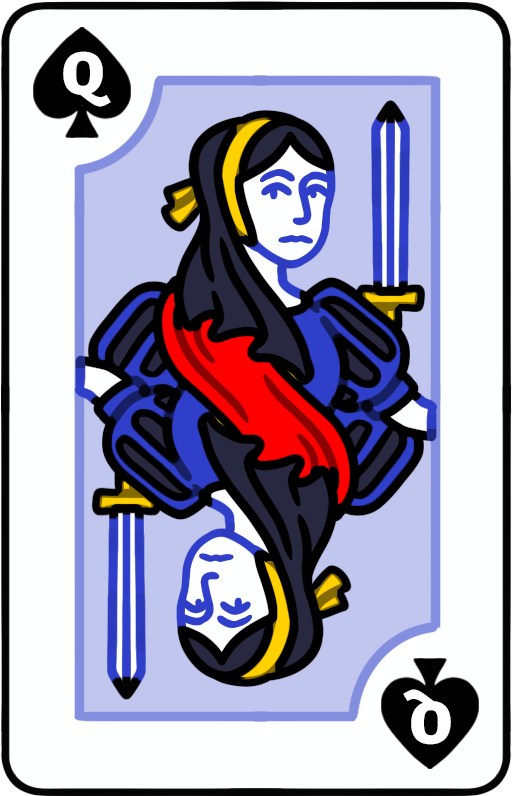
This is the exact deal our daily challenge gave every player on 28 September 2026, and you can still play this deal. Its base row offers three plays on the Queen of spades: either Jack, or the King of hearts.
How to Play Tri-Peaks Solitaire
Every move takes one uncovered card from the peaks and puts it on the waste pile, where it becomes the card to play on next.
- Play one rank up or down. Move any uncovered card from the peaks onto the waste pile if it is one rank higher or lower than the top waste card. Suit and color do not matter: on a 7, any 6 or any 8 will do.
- Wrap from King to Ace. Kings and Aces count as neighbors. A King plays on an Ace and an Ace plays on a King, so Queen, King, Ace, 2 is one legal streak.
- Keep the streak going. The card you just played becomes the card to play on, and the streak can change direction as often as you like: 6, 7, 6, 5 is legal.
- Turn up what you uncover. A face-down card turns face up once both cards overlapping it from the row below are gone. It can then be played like any other uncovered card.
- Draw when you are stuck. When nothing fits, turn the next stock card onto the waste and carry on from it. You get 23 draws, one pass, and no redeal.
- Clear all 28 cards to win. The deal is won when the three peaks are empty, whatever is left in the stock. It is lost when the stock is gone and no uncovered card fits the waste card.
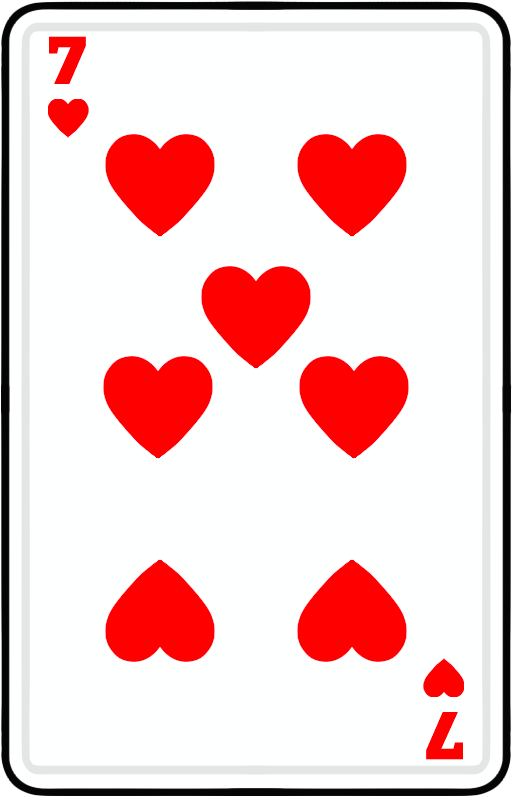
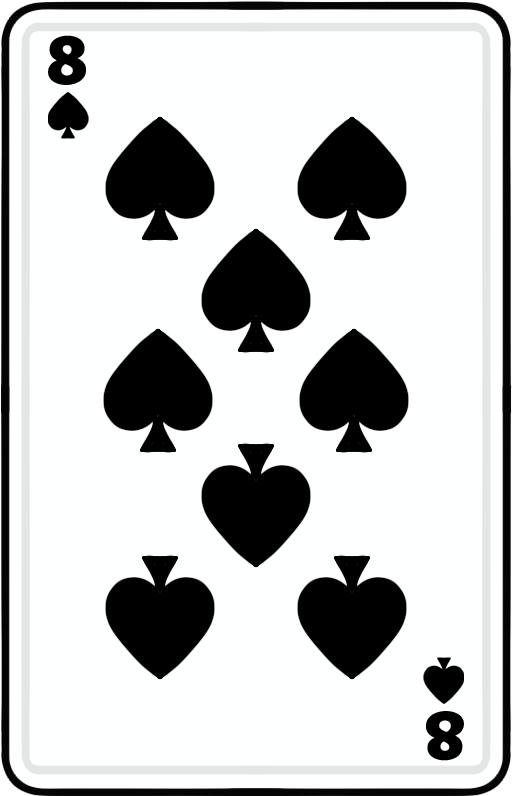
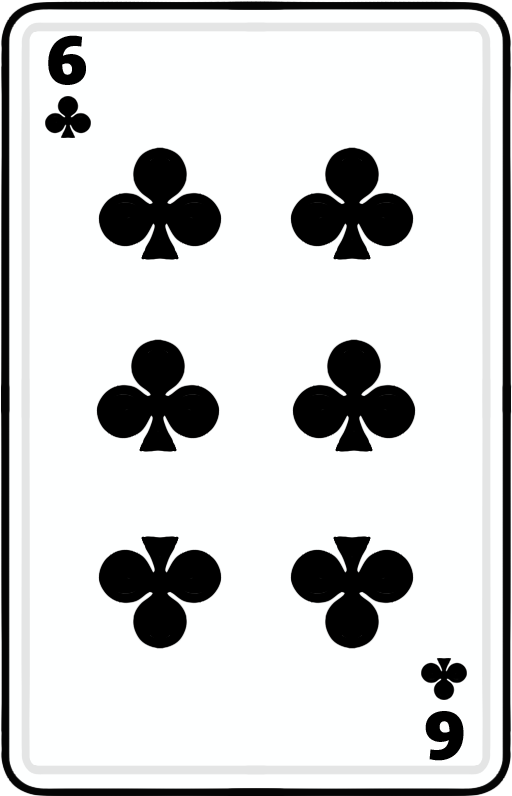
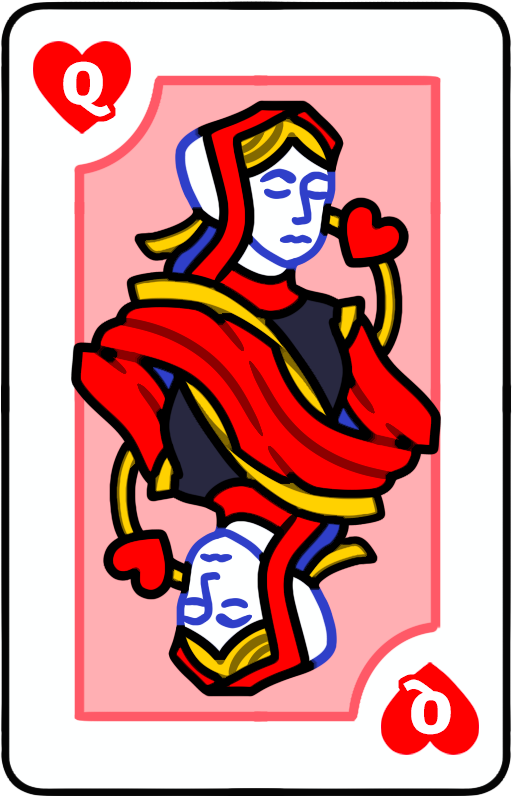
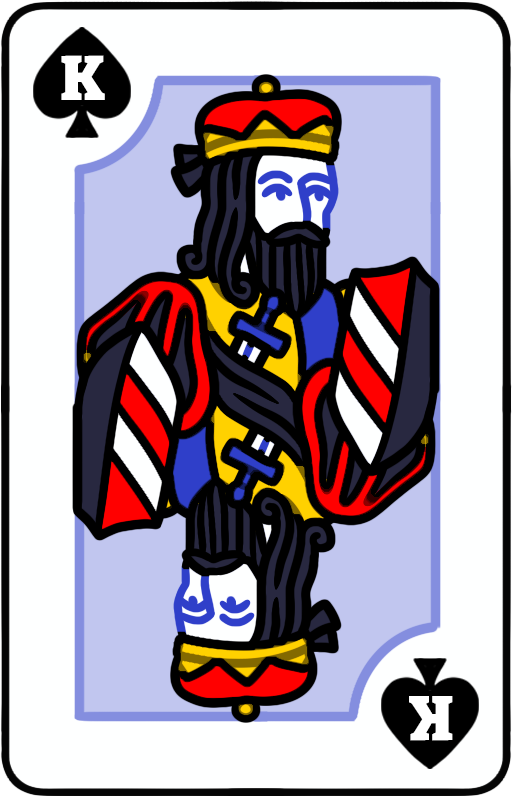
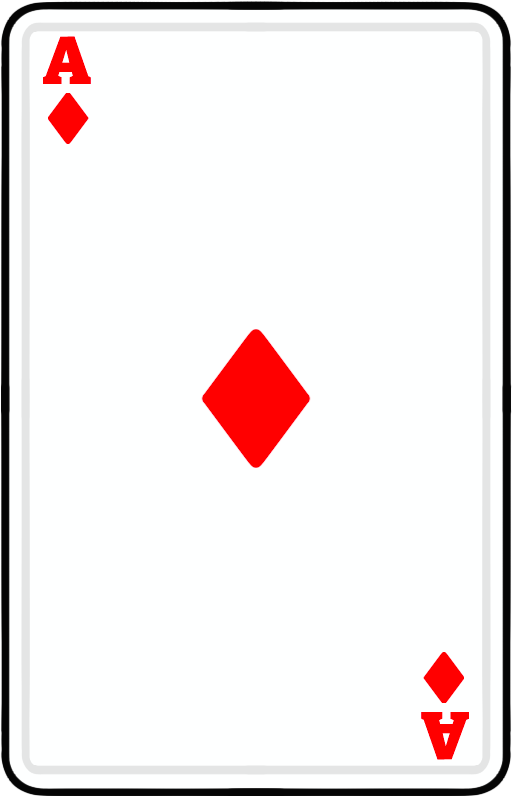
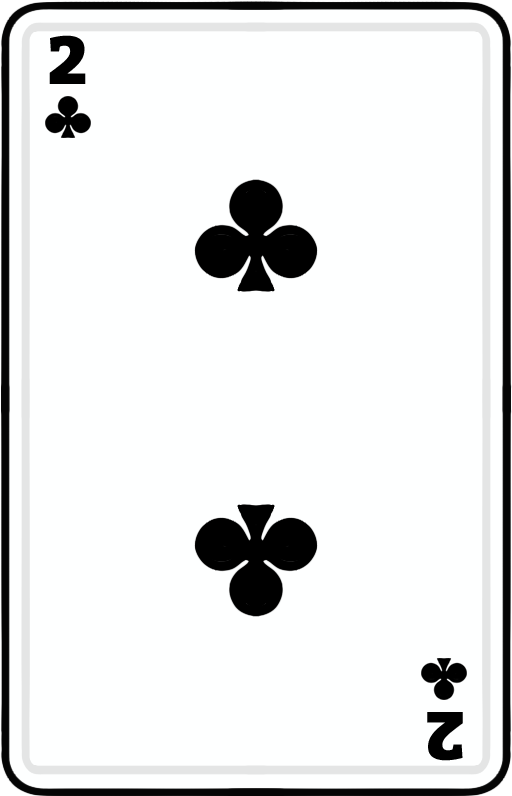
A first streak, step by step
On the 28 September 2026 deal pictured above, six cards of the opening streak are in view before you touch anything, and two more turn up on the way:
- Jack of hearts onto the Queen of spades: 1 point.
- 10 of hearts onto the Jack: 2 points.
- Jack of diamonds onto the 10: 3 points.
- Queen of clubs onto the Jack: 4 points.
- King of hearts onto the Queen: 5 points. The Ace of spades, which the 10 and King of hearts covered, turns face up.
- Ace of hearts onto the King, through the wrap: 6 points. The King of diamonds, which this Ace and the Queen of clubs covered, turns face up.
- King of diamonds onto the Ace: 7 points.
- Ace of spades onto the King: 8 points.
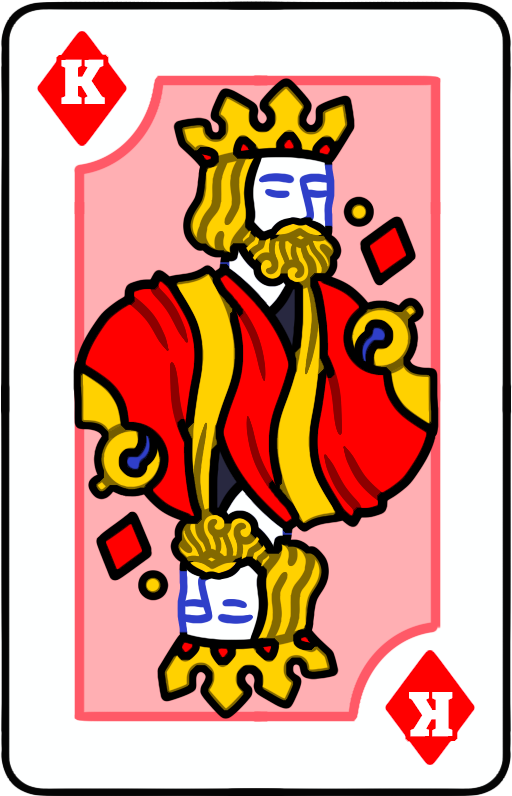
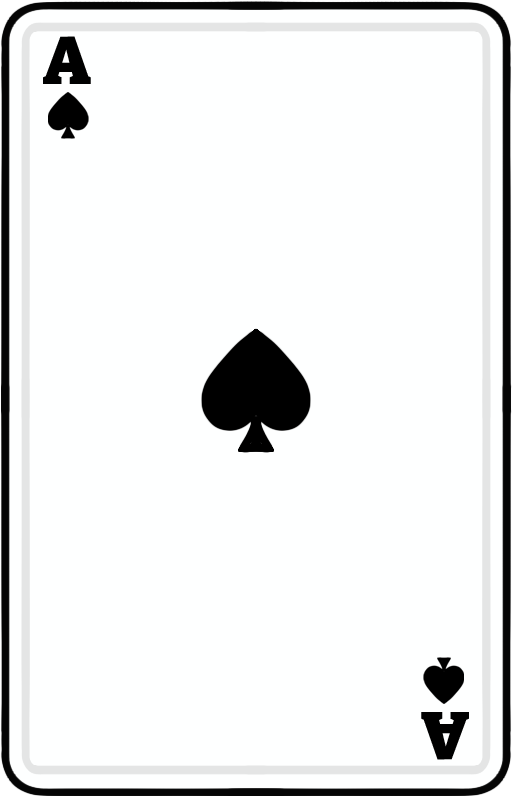
Play the King of hearts first and follow it with the Ace, and the streak stops after two cards for 3 points.
How Tri-Peaks Scoring Works
Points come from streaks: each card scores one more than the card before it, until you draw. Bonuses come from peaks, and the only way to lose points is to finish stuck.
| Event | Points |
|---|---|
| First card after the deal or after a draw | 1 |
| Each next card in the same streak | 2, then 3, then 4, and so on |
| Drawing a stock card | 0, and the next card scores 1 again |
| Clearing the first peak, and the second | 15 each |
| Clearing the third peak | 30 |
| Clearing all 28 cards | 50 more |
| Stuck with the stock empty | minus 5 for each card left in the peaks |
Long streaks pay far more than short ones. Eight cards in one streak score 36; the same eight cards in four streaks of two score 12. A peak counts as cleared when its top card goes, and the three peaks between them cover all 28 cards, so the third peak card is always the last card left: a win pays 30 and 50 on the final click.
The ceiling is 516: all 28 cards in one streak (1 + 2 + ... + 28 = 406), 60 in peak bonuses, and 50 for clearing. Do not expect to see it; our solver found no deal in 10,000 that could be cleared without a draw. A deal that ends stuck with 10 cards left costs 50 points, more than a nine-card streak earns (45). Scoring examples
Tri-Peaks Strategy: How to Win More Deals
Uncover cards to win more deals, and plan streaks to score more. The two usually go together, because every card you turn over is one more card that can extend a streak.
Take the card that turns over a face-down card
When two cards can play, remove the one that finishes uncovering a face-down card. A hidden card needs both cards covering it gone, so a card whose partner has already left is worth more than one whose partner is still in place. Robert Hogue's own help file for the 1991 game gives the same advice: remove the card that turns over the most cards. Working this way also keeps the three peaks shrinking at a similar pace.
Plan the whole streak before the first click
Read every face-up card and trace the longest chain from the waste card, up and down. On the 28 September 2026 deal the two Jacks, the 10 of hearts, the Queen of clubs, and the King and Ace of hearts make one six-card chain, and the two cards it uncovers stretch it to eight. Grabbing the first card that plays is how streaks end at two.
Count Kings and Aces as links
A King on the waste takes a Queen or an Ace, and an Ace takes a King or a 2. Treat them as ordinary cards when you trace a streak. The example opening passes through four of them in a row: King of hearts, Ace of hearts, King of diamonds, Ace of spades.
Check every card before you draw, then draw without guilt
A draw ends your streak and uses one of your 23 cards, so look at every uncovered card first. But expect to draw a lot. Across 10,000 deals, our solver, which sees every card, needed at least 14 draws to win a typical deal, and no deal could be won with fewer than 2. Sometimes a draw is right even while a card plays: in a separate sample of 1,000 deals, 64 of the 977 winnable ones could only be won by drawing at least once with a card still playable.
Remember which ranks are gone
If all four 7s are already on the waste, your 6s and 8s can join a streak only through 5s and 9s. Hogue's help file made the same point with the same 7s. Our game shows only the top waste card, so this one is memory work.
Can Every Tri-Peaks Deal Be Won?
No, but about 97 in 100 can. We ran our solver on 10,000 random deals under the rules of the game on this page, and it found a winning line for 9,714 of them: 97.1 percent. The other 286 cannot be won however you play. Every winning line was replayed, move by move, through the game's own rules engine.
Robert Hogue, who invented the game, found a similar result with his own computer analysis: over 90 percent of deals are completely solvable. Both figures describe perfect play by someone who can see every face-down card. You cannot, because 18 cards start hidden, so real players win less often, and we know of no reliable figure for how often.
The solver also shows how much of the stock a win takes: 116 of the winnable deals needed all 23 draws, and 856 needed 20 or more. A low stock is not a lost deal.
Tri-Peaks vs Golf and Pyramid
Golf solitaire is the closest relative: the same one-rank-up-or-down rule onto a single waste pile, but all 35 layout cards start face up, there is no wrap, and nothing plays on a King. Pyramid also lays out 28 cards and keeps 24 for the stock, but removes cards in pairs that add up to 13.
| Tri-Peaks | Golf | Pyramid | |
|---|---|---|---|
| Layout | 28 cards in three overlapping peaks | 35 cards in 7 columns of 5 | 28 cards in one pyramid of 7 rows |
| Face up at the start | 10, the base row | All 35 | All 28 |
| How a card leaves | One rank above or below the waste card | One rank above or below the waste card | In a pair that adds up to 13 |
| Kings and Aces | Connect: King on Ace, Ace on King | No wrap, and nothing plays on a King | A King (13) goes alone |
| Stock | 23 draws, one pass | 16 draws, one pass | 24 cards |
The solitaire games hub lists every solitaire game on this site.
Where Tri-Peaks Came From
Robert Hogue invented Tri-Peaks in 1989, and Microsoft published it in 1991 in Microsoft Entertainment Pack 3 for Windows. It plays like Golf, one rank up or down onto a single pile, but lays the cards out as three overlapping peaks with the upper cards face down. Tri-Peaks was picked again for The Best of Microsoft Entertainment Pack in 1994, and the Microsoft Solitaire Collection brought it back to Windows in 2012, with Windows 8.
The original was a money game. Its help file, which Hogue still offered on his own website years later, sets the terms: every card taken from the stock costs $5, a streak pays $1 for its first card, $2 for the second, and so on, the first two peaks pay $15 each and the last pays $30, and walking away with cards still in the peaks costs $5 for each of them. Clearing all 28 without a single draw paid $406. The help file even suggests quitting a bad deal early, because the aim was money, not clearing the peaks.
Our version keeps Hogue's layout, his King-Ace wrap, his streak scoring, and his 15, 15, and 30 peak bonuses. It drops the $5 charge for each draw, adds 50 points for clearing all 28 cards, and applies the 5-point charge per card when a deal ends stuck. The rules page compares the versions rule by rule.
Tri-Peaks FAQ
How do you play TriPeaks Solitaire?
Deal 28 cards into three overlapping peaks with only the 10-card base row face up, and turn one stock card up to start the waste pile. Move any uncovered card that is one rank higher or lower than the waste card onto it, in any suit. Draw from the stock when stuck, and clear all 28 cards to win.
Can you put an Ace on a King in Tri-Peaks?
Yes, in our game and in the original 1991 version. Kings and Aces count as neighbors, so an Ace plays on a King, a King plays on an Ace, and a streak can run Queen, King, Ace, 2. Some other programs turn the wrap off or keep it for an easy mode.
What are the odds of winning tri-peaks solitaire?
With perfect play, about 97 in 100. Our solver, which sees every face-down card, won 9,714 of 10,000 random deals under our rules, and the inventor, Robert Hogue, reported over 90 percent. Real players see only the face-up cards, so they win less often, and no reliable figure for real players exists.
Is every game of TriPeaks winnable?
No. In our solver run of 10,000 random deals, 286 could not be won by any sequence of moves, about 3 in 100. The shuffle decides those. Every other deal has at least one winning line, but finding it means guessing what the 18 face-down cards hold.
Is there a trick to winning tri-peaks?
Yes: when two cards can play, take the one that turns over a face-down card, because every card you uncover is another chance to extend a streak. Then plan the longest streak you can see before clicking, count Kings and Aces as links, and check every uncovered card before you draw.
How does scoring work in Tri-Peaks?
Each card in a streak scores one more than the card before it, 1, 2, 3, and so on, until a draw resets the count. Clearing the first two peaks adds 15 points each, the third adds 30, and clearing all 28 cards adds 50. A deal that ends stuck costs 5 points per card left.
What happens when the stock pile runs out?
You keep playing on the last waste card for as long as an uncovered card fits it. When none does, the deal is over: our game ends it for you and takes 5 points for each card still in the peaks. There is no second pass through the stock and no redeal.
What is the highest score in Tri-Peaks?
In our game, 516: all 28 cards in one unbroken streak (406 points), 60 in peak bonuses, and 50 for clearing the peaks. It needs a deal that can be cleared without a single draw, and our solver found none in 10,000 random deals, so real top scores are far lower.
How is Tri-Peaks different from Pyramid solitaire?
Pyramid removes pairs of uncovered cards that add up to 13, with Kings removed alone, from a single pyramid of 28 cards. Tri-Peaks removes one card at a time, a rank above or below the waste card, from three overlapping peaks. Both lay out 28 cards and leave the other 24 for the stock.
Where can I play TriPeaks Solitaire for free?
Right here. The game at the top of this page is free, runs in any browser with no download, and deals from a provably fair shuffle. A daily challenge gives every player the same deal each day, and you can send a friend the exact deal you are playing.
Who invented Tri-Peaks solitaire?
Robert Hogue invented Tri-Peaks in 1989. Microsoft published it in 1991 in Microsoft Entertainment Pack 3 for Windows, and the Microsoft Solitaire Collection brought it back to Windows in 2012. The original was scored in dollars: $1, $2, $3 for the cards of a streak, and $5 charged for every stock card.
Play Tri-Peaks Free Online
The game at the top of this page runs in any browser with no download. Here is exactly what it does:
- New Game deals from our provably fair shuffle.
- Moves: click an uncovered card to play it, or click the stock to draw. Score, streak, peaks cleared, and moves show above the table.
- No undo and no hints: every click counts.
- The end is automatic: when no card can play and the stock is empty, the game ends the deal and takes 5 points per card left.
- Share the deal: Share This Hand sends a friend the deal you are playing (it sits in the side panel on wide screens), and Challenge a Friend sends the deal you just finished.
For a fresh deal every day, the daily Tri-Peaks challenge deals everyone the same layout for each UTC date. Win it to post your result on the leaderboard.