

How to Play Scorpion Solitaire
Scorpion is a one-deck patience that borrows the goal of Spider and the movement of Yukon. You deal 49 cards into seven columns, build them down by suit, and try to line up all four suits from King to Ace. Most of the table is face up from the start, so Scorpion leans on planning more than luck, and one game runs about five to fifteen minutes.
The aim is to build four complete same-suit runs, King down to Ace, inside the seven tableau columns.
- Deal seven columns. Deal 49 cards into seven columns of seven. In the leftmost four columns the bottom three cards are face down; the rest, and all of columns five to seven, are face up. Hold the last three cards aside as a face-down reserve.
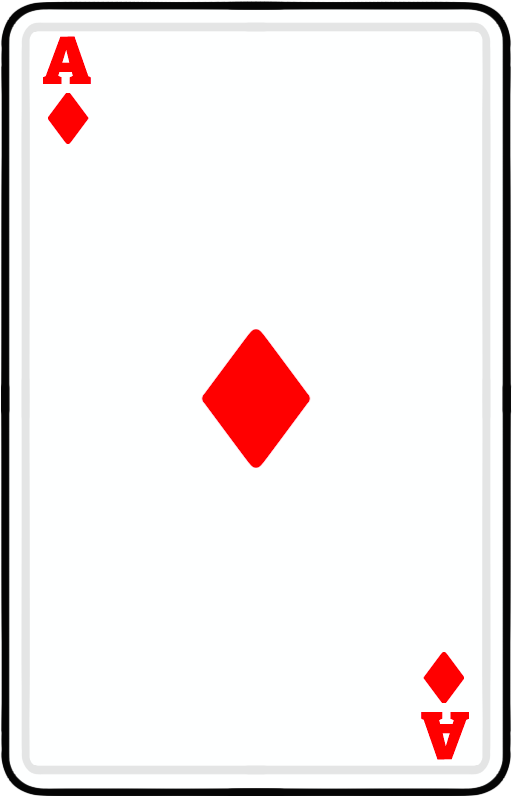
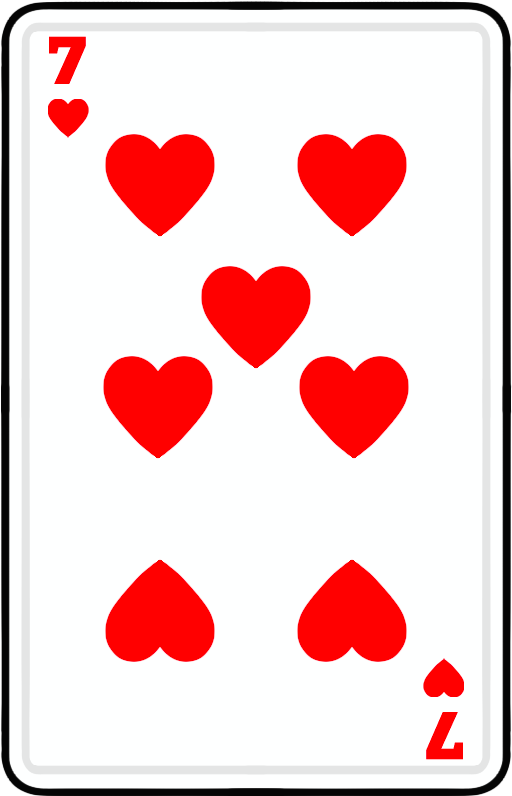
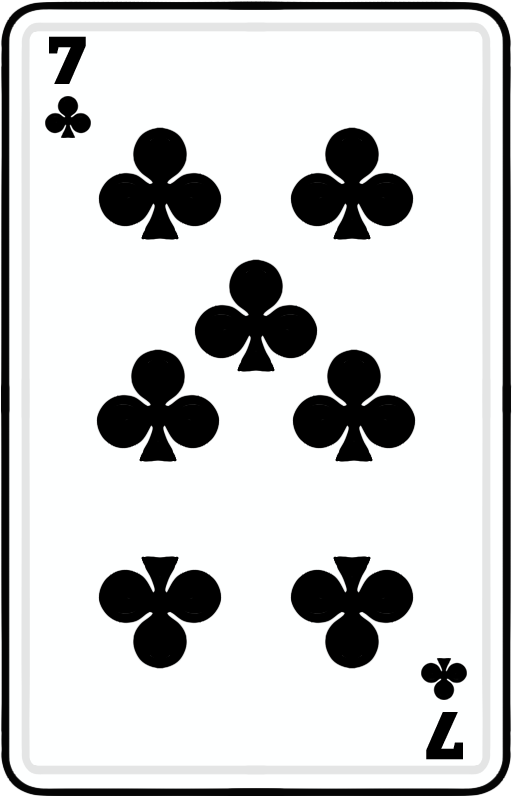
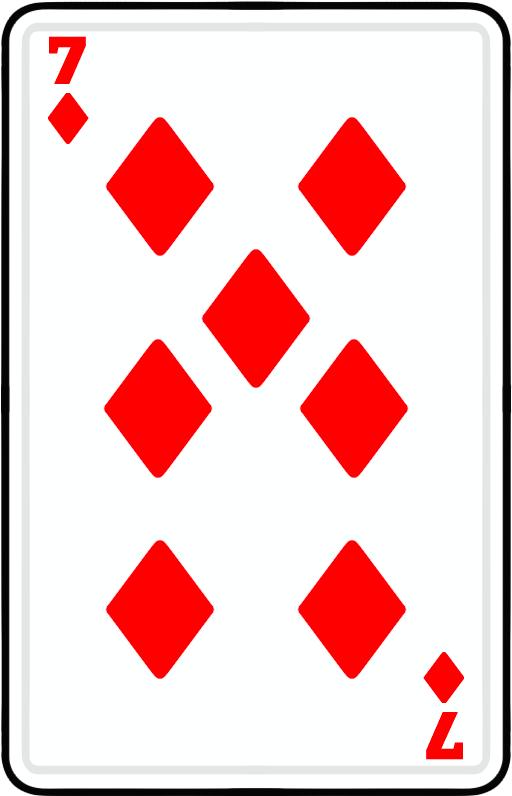
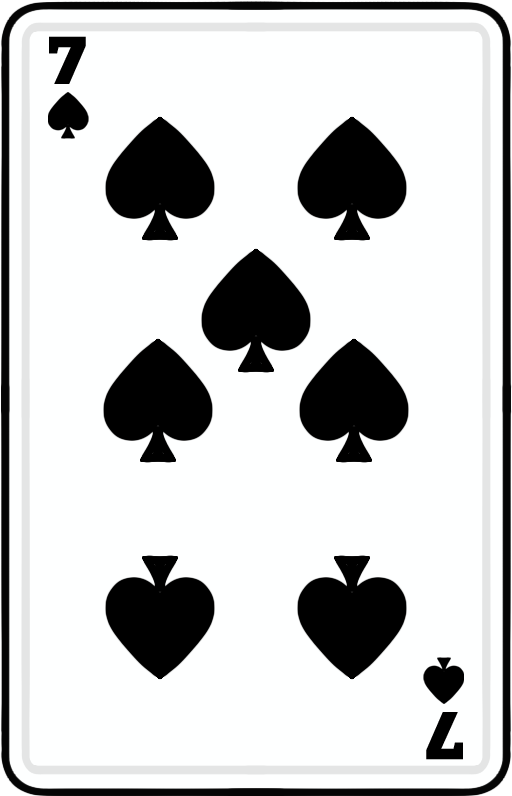
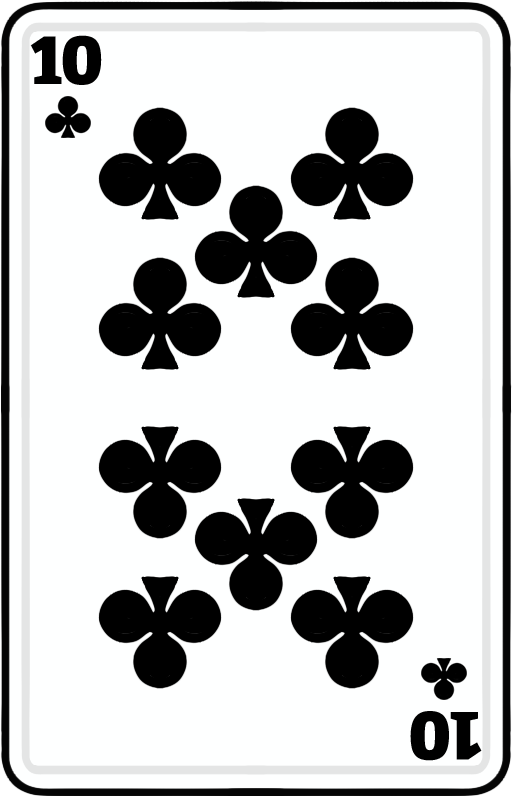
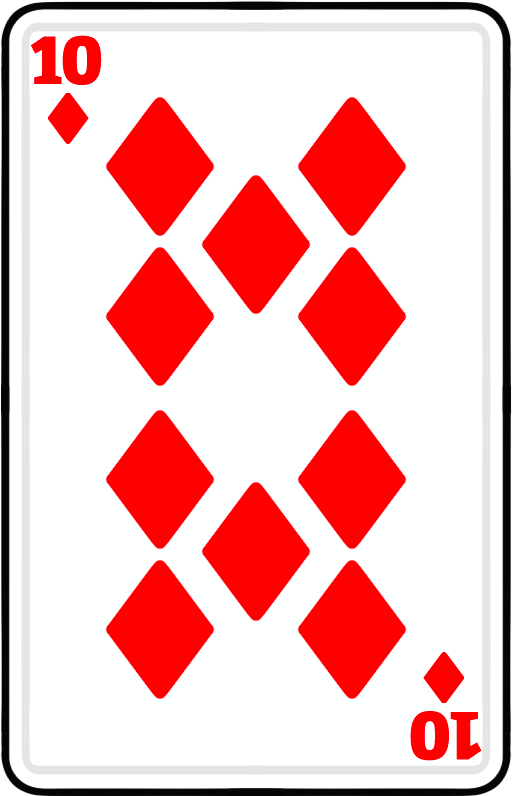
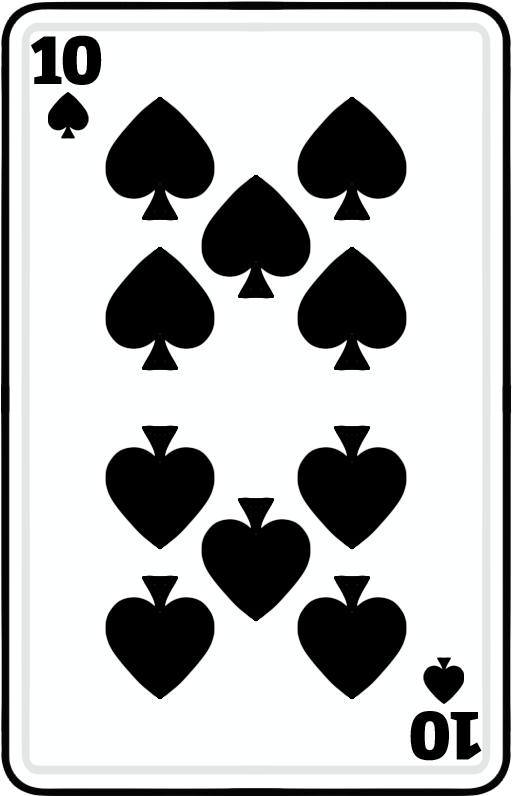
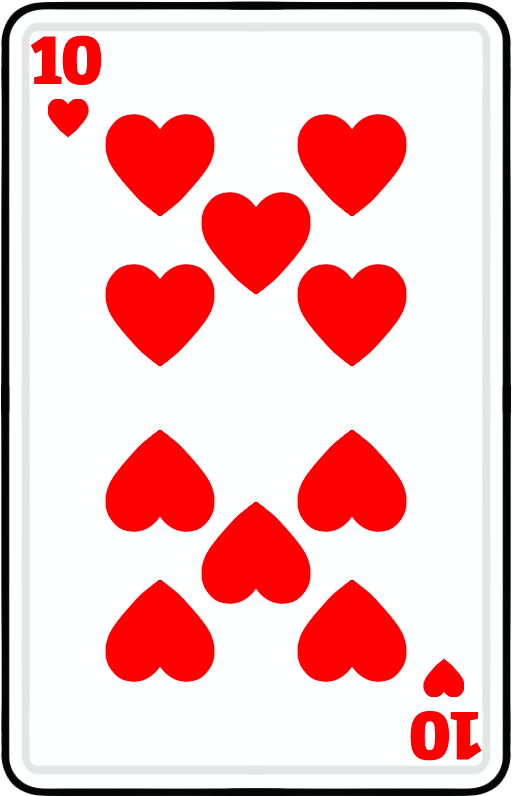
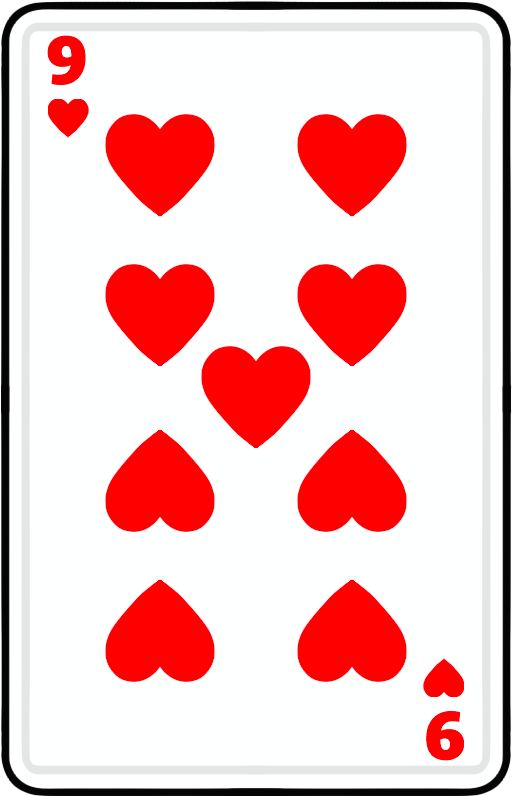
- Build down in suit. Within the tableau, build down by the same suit: a 9 of Hearts goes only on the 10 of Hearts. There is no separate foundation, so the runs form in the columns themselves.
- Move any card with its pile. Pick up any face-up card together with every card stacked on top of it, in order or not, and move the whole group. Only the card you grab has to fit: one rank lower and the same suit as its new home.
- Turn face-down cards. When a face-down card becomes the bottom of its column, flip it up. Uncovering those twelve hidden cards is the heart of the game.
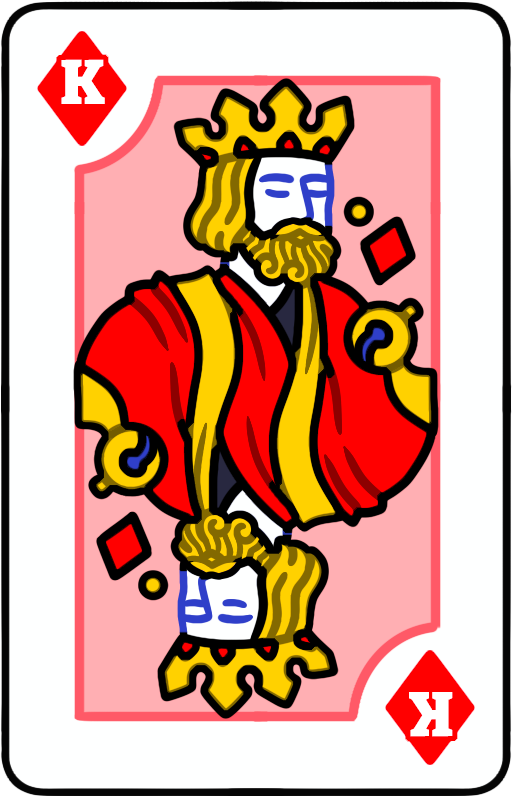
- Fill empty columns with Kings. Only a King, or a group led by a King, may move into an empty column. An empty space is useless until you have a King to park there.
- Deal the reserve when stuck. When no useful move remains, deal the three reserve cards, one onto each of the first three columns. This happens once, and there is no redeal.
- Complete four suit runs. Assemble all four suits from King down to Ace within the columns. Finish the four runs and you win.
The Group-Move Rule: Scorpion's Twist
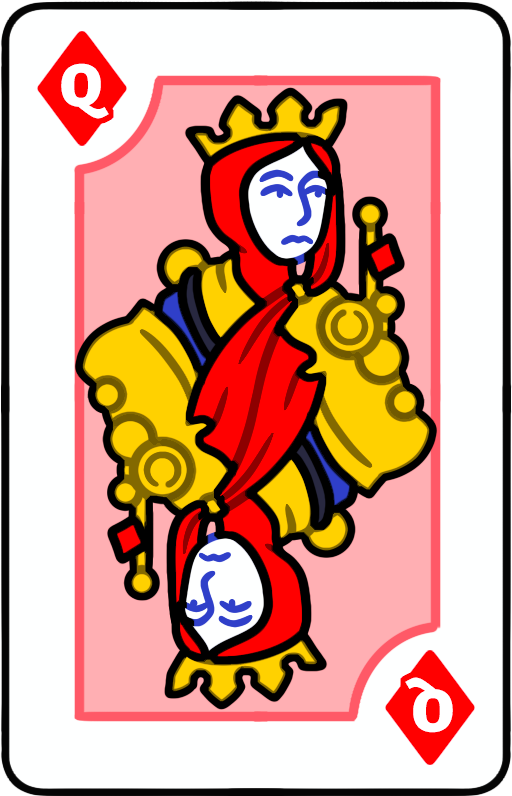
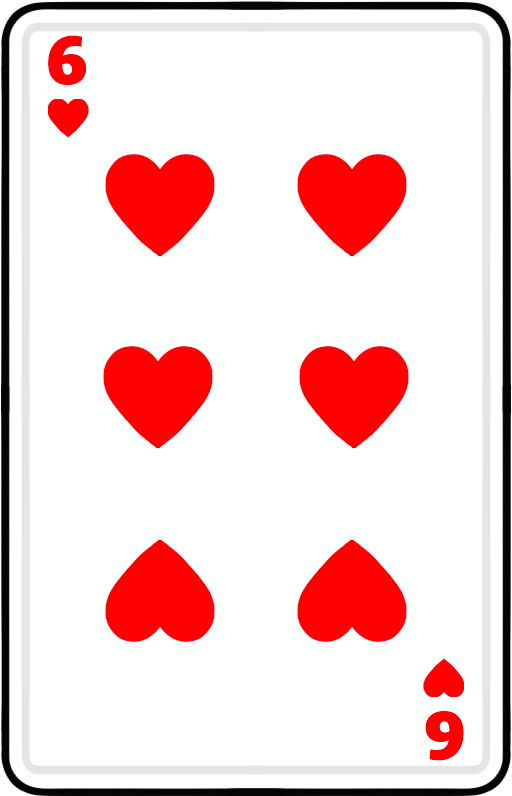
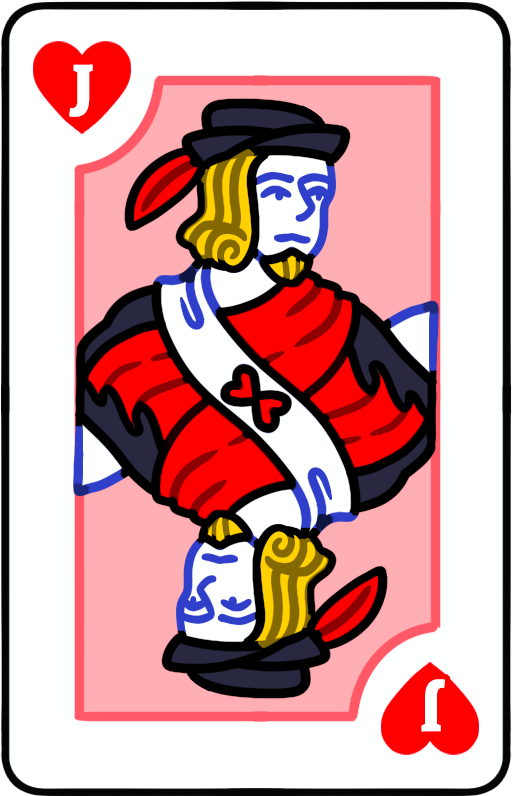
The move that defines Scorpion is its loose group move. You can grab any face-up card, however deeply buried, and slide it out with every card sitting on top of it, whether or not that pile is in order. Only the card you grab has to obey the rules: it must land on a card one rank higher of the same suit. Everything above it just rides along.
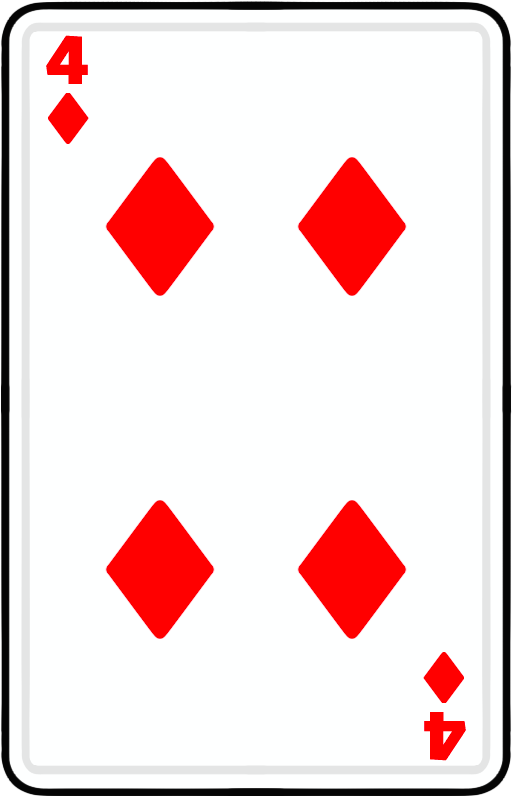
This is why Scorpion feels open even though it builds strictly by suit. You are always free to dig, shifting messy stacks aside to reach a buried card or a face-down one. The catch is that a careless drag can bury the very card you needed, so every group move is a small trade.
Scorpion Solitaire Strategy
Luck sets the ceiling in Scorpion, since some deals simply cannot be solved, but skill decides the ones that can. Four habits carry most games.
Turn a face-down card over any cosmetic move. The twelve hidden cards in the left four columns are your only missing information. A move that flips one of them is almost always better than one that just tidies the table.
Hold the reserve until you are truly stuck. The three reserve cards land on columns one, two, and three, the same side where your hidden cards live, so an early deal can re-bury the exact cards you were digging out. Treat it as a one-time deadlock breaker, not a refill button.
Empty a right-hand column, not a left one. A vacancy on the right survives the reserve deal; a vacancy on the left gets filled the instant you deal the reserve. Save an empty column for a King run.
Refuse deadlocking moves. Watch for a low card trapped beneath its own higher run-mate, or two columns that pin each other's key cards. With no reshuffle to bail you out, one bad drag can end the game on the spot.
How Hard Is Scorpion Solitaire?
Scorpion is hard but fair. The classic estimate, printed in the 1949 rulebook that first recorded the game, is about one win in ten. Careful play beats that, because 37 of the 49 cards are face up from the deal, so you can plan several moves deep instead of guessing at hidden cards. No solver study of Scorpion has been published, so the 1949 figure is the only number worth quoting, and it describes ordinary play rather than a ceiling.
Scorpion Solitaire Variants
The best-known variants make Scorpion kinder. Wasp keeps the exact same deal but lets any card or group fill an empty column instead of Kings only, which turns vacancies into useful workspace. Scorpion II hides fewer cards, dealing face-down cards in only the first three columns. Three Blind Mice spreads the cards into ten columns of five and keeps two reserve cards open the whole game, while Double Scorpion uses two decks for a longer solve.
Two games sit close by without being Scorpion. Yukon uses the same pick-up-anything move but builds in alternating colour onto foundations, and Spider is the two-deck ancestor whose theme gave Scorpion its name. Both are worth a game once Scorpion clicks.
Where Scorpion Solitaire Comes From
Scorpion has no recorded inventor. The firm anchor is its appearance in print by 1949, in Albert Morehead and Geoffrey Mott-Smith's Complete Book of Solitaire and Patience Games, which already listed its odds at about one in ten. Whoever created it did so earlier and left no name.
The game belongs to the Spider family, whose members carry creature names: Spider, Spiderette, Tarantula, Black Widow, and Scorpion. The tidy story that the layout looks like a scorpion, seven columns for the body and three reserve cards for the stinger, is a folk explanation you will see repeated, but no source documents it. What is clear is the design: Spider's goal of building suit runs, married to Yukon's freedom to move any card with its pile.
Frequently Asked Questions
How do you play Scorpion Solitaire?
Deal 49 cards into seven columns of seven, with twelve face down in the left four columns and three held in reserve. Build down by matching suit inside the tableau, moving any face-up card along with everything on top of it. Turn up hidden cards, fill empty columns with Kings, and complete four King-to-Ace suit runs to win.
What are your chances of winning Scorpion Solitaire?
Roughly one deal in ten under standard rules, a figure that traces back to the 1949 rulebook that first recorded the game. Scorpion rewards thought more than most patiences, since 37 of the 49 cards are face up from the start, and strong players report clearing well above the random-play rate.
How is Scorpion different from Spider Solitaire?
Scorpion uses one deck and seven columns; Spider uses two decks and ten. In Spider only ordered same-suit runs move as a group, and any card fills an empty column. Scorpion lets you move any card with the whole pile on top of it, but builds strictly by suit and reserves empty columns for Kings.
How is Scorpion different from Yukon Solitaire?
They share the signature move: pick up any face-up card with everything stacked on it. The difference is the build and the goal. Yukon builds down in alternating colour and clears cards onto four Ace-up foundations, while Scorpion builds down in one suit and forms its King-to-Ace runs inside the tableau.
Can you move any card in Scorpion Solitaire?
Any face-up card, yes, along with every card piled on top of it, even if that pile is a jumble. The cards above come along for the ride. The only rule is that the card you grab must land on a card one rank higher of the same suit, or on an empty column if it is a King.
What is the easiest version of Scorpion Solitaire?
Wasp. It uses the exact same deal as Scorpion, but any card or group may fill an empty column instead of Kings only. That single change makes empty columns far more useful and lifts the win rate. Scorpion II, which hides fewer cards, is another gentler version.
Play Scorpion Solitaire Online
Play Scorpion free with provably fair shuffles, unlimited undo, and a hint when you are stuck. Chase all four suit runs at your own pace, or take the daily challenge, where every player gets the same deal and you can compare who cleared it in the fewest moves.
Play the daily Scorpion challenge or explore more solitaire games.