

How to Play Canfield Solitaire
Canfield solitaire is a one-deck game built around a 13-card reserve and a foundation rank that shifts with every deal. You drain the reserve, build four foundations up in suit, and try to move all 52 cards home. It is one of the hardest solitaires in common play, and a single game runs about five to ten minutes.
The goal is to move all 52 cards onto the four foundations, each built up in suit from the base rank.
- Deal the reserve. Deal 13 cards into one face-down pile, then turn the top card up. This pile is the reserve, nicknamed the demon. Only its top card is ever in play.
- Set the base card. Deal one card to the first foundation. Its rank becomes the base for all four foundations. Deal a 7 and every foundation runs 7 up to King, wraps to Ace, and climbs to 6.
- Lay out the tableau and stock. Deal four cards face up as the four tableau columns. The last 34 cards become the stock, which you turn during play.
- Build the foundations up in suit. Move cards to the foundations in suit, one rank at a time, wrapping past King back to Ace. All four start on the base rank and share the job of holding all 52 cards.
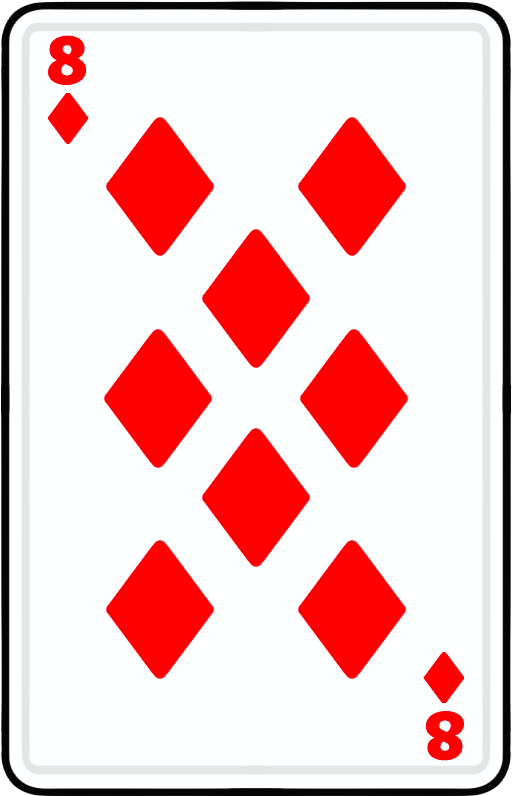
- Build the tableau down in alternating color. Pack the columns downward in alternating colors, a red 8 on a black 9. The build wraps as well, so a King can sit on an Ace. You may move a whole run or any part of one, as long as the cards you take form a valid sequence.
- Refill empty columns from the reserve. The moment a column empties, the top reserve card drops into it. Emptying columns is how you drain the reserve, and draining the reserve is how you win.
- Turn the stock three at a time. Deal the stock to a waste pile three cards at a time and play the top one. Redeal as often as you like while legal moves remain. Send all 52 cards home to win.
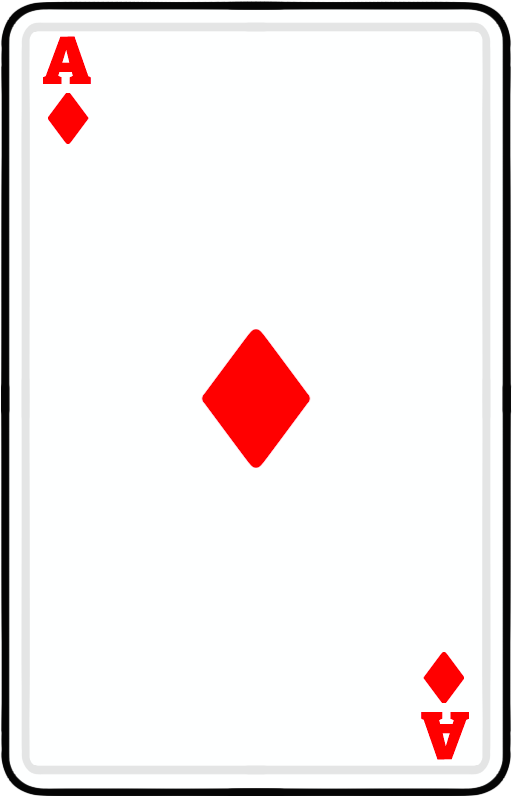
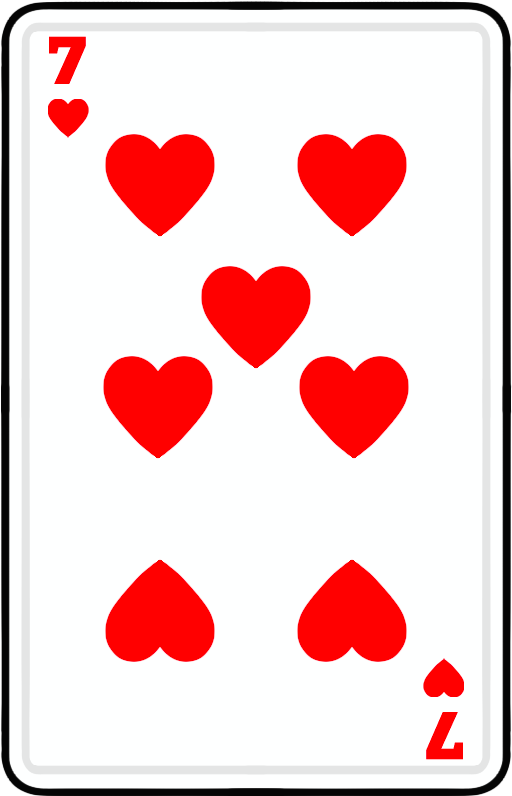
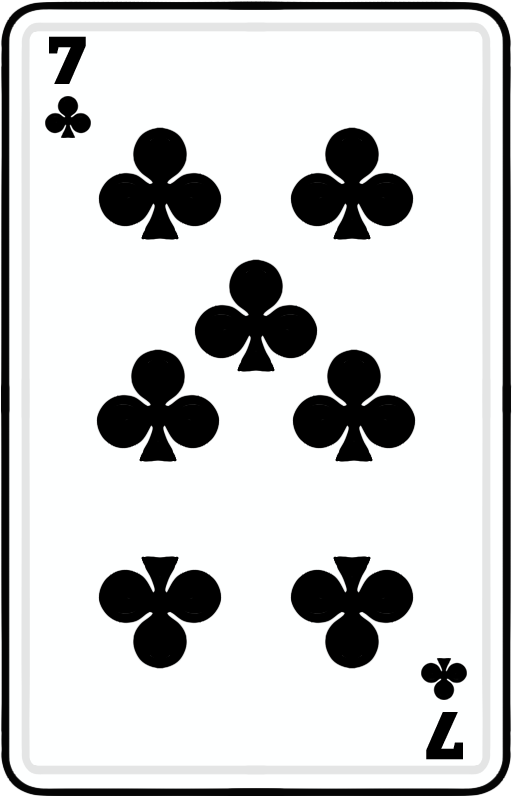
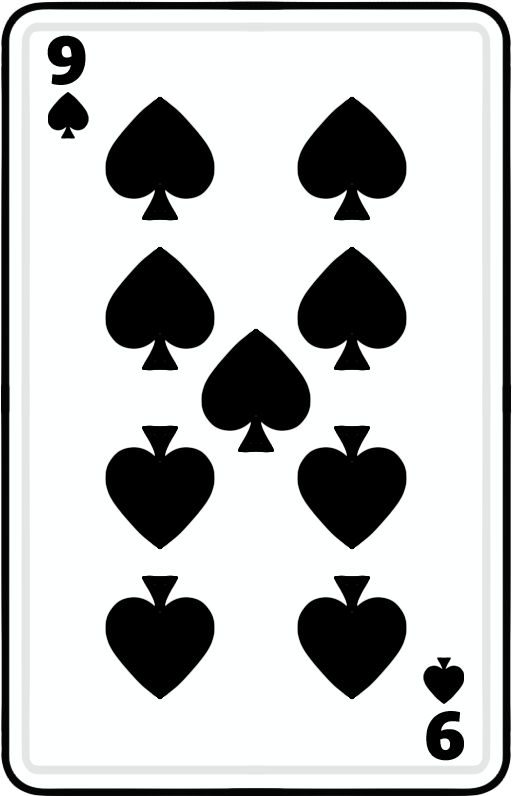
The Reserve and the Base Card
Two features set Canfield apart from every other solitaire: the reserve and the base card. Learn how these behave and the rest of the game falls into place.
The reserve is a stack of 13 cards dealt face down with one card turned up. Only that top card plays, so the 12 beneath it stay hidden until you work down to them. Freeing the reserve is the whole game. Drain it fast and the table opens up; ignore it and you stall with cards you cannot reach.
The base card is whatever lands on the first foundation, and its rank decides where all four foundations begin. Deal a 7 and every suit runs 7 up to King, then turns the corner to Ace and climbs to 6. Deal a Queen and the foundations open on Queen. Because the base changes each time, Canfield resists the memorized openings that carry a player through easier games.
How Hard Is Canfield Solitaire?
A typical player wins about 8 to 9 percent of Canfield deals under standard three-card-draw rules. That is one of the lowest win rates in solitaire, and it is why the game earned the British name Demon.
The low number hides a wide gap. A solver playing with perfect information wins close to 71 percent of deals, and skilled players clear around 35 percent. So most deals can be won; most players just cannot see the path. The three-card draw is the reason. You reach only every third card in the stock on a pass, so winning often means leaving a playable card on the waste and coming back for it several passes later. That kind of planning runs against instinct, which is where the wins leak away.
A one-card draw changes the character of the game. The same solver wins more than 90 percent, and human win rates climb past 15 percent, because every stock card is reachable on every pass. Our Canfield does not offer it: this is the three-card game, which is the form all the figures above describe.
Canfield vs Klondike
Canfield and Klondike look alike at a glance, but the reserve pile and the shifting base rank make Canfield far harder. Klondike gives you seven columns and always starts on Aces; Canfield hands you four columns, a locked reserve, and a base rank you do not choose.
| Feature | Canfield | Klondike |
|---|---|---|
| Tableau columns | Four | Seven |
| Reserve pile | 13 cards, feeds the tableau | None |
| Foundation start | A random dealt rank | Always Aces |
| Wrap past King | Yes, King to Ace | No |
| Empty column fill | From the reserve, any rank | Kings only |
| Typical win rate | About 9% | About 33% |
If Canfield is your first game in this family, learn the basics on Klondike first, then come back for the reserve and the wrap.
Canfield Solitaire Strategy
Skill lifts the Canfield win rate several times over, from the single digits toward the expert range near 35 percent. Six habits carry most of that gain.
Empty a column to drain the reserve. An empty tableau column refills from the top of the reserve, at any rank, so clearing columns is how you dig the demon apart. Every reserve card you expose is one less card locked away from you.
Build the four foundations evenly. Racing one suit ahead of the others strands the cards you gave away, because you can no longer place their opposite-color partners on the tableau. Keep the four piles within a rank or two of each other.
Do not send up every card that fits. A card on the tableau can catch and hold another card; the same card on a foundation is gone for good. Play to the foundation freely only when it keeps the piles even and leaves no tableau move waiting on that card.
Get the base cards up first. The four cards ranking one above the base are each foundation's first target. Find them early and do not bury them under long tableau chains.
Read the stock before you commit. Cycle the whole stock once to learn which cards sit in the waste and which 12 hide in the reserve. Redeals are unlimited, so you can time a play for the pass when the card you want lands on top.
Treat a loss as a lesson. When a deal locks up, look back for the move that buried a base card or spent a reserve card for nothing. Canfield punishes the same mistakes each time, and spotting them is most of the climb from 9 percent to 35.
Canfield Solitaire Variants
Double Canfield is the popular one. It uses two decks, 104 cards, with eight foundations and five tableau columns. The reserve is most often kept at 13 cards even with the doubled deck, though some digital versions enlarge it to match the extra cards. The longer solve and wider tableau make it feel roomier than the single-deck game.
The single-deck variants mostly change one rule each. Rainbow lets the tableau build down regardless of suit, which loosens the game. Storehouse, also called Thirteen Up, fixes the base at the 2s and builds the tableau down by suit. Superior Canfield spreads the whole reserve face up and lets you fill empty columns with any card by hand, so you play with full information. Selective Canfield deals five cards and lets you pick which becomes the base, removing the luck of the first card. Chameleon shrinks the reserve to 12 and the tableau to three columns.
The single biggest difficulty switch is the stock draw. Draw three is the standard, hard game; draw one is the same layout made much kinder.
The Name Behind Canfield Solitaire
The game is older than its American name. Mary Whitmore Jones recorded it in England in 1891 as Demon, or Demon Patience, a jab at how often it beats the player. Britain still calls it Demon. The United States renamed it for Richard Canfield, the Gilded-Age “Prince of Gamblers” who ran the Clubhouse casino at Saratoga Springs from 1894 and clubs in New York.
Canfield sold the game as a bet. A player paid 52 dollars for a fresh deck and collected 5 dollars for every card that reached the foundations. Eleven cards up meant a profit; a full clear paid 260 dollars. Players averaged only five or six cards a game, so the house held a steady edge. The tables closed around 1907 for a duller reason than losses: each player needed a dealer watching, and the games ran too slow to pay their way.
The story has one wrinkle worth stating. The early written accounts of the casino game describe a tableau dealt one card at a time, which is Klondike, not the reserve game we now call Canfield. Canfield himself called his game Klondike. The scoring is well documented; which layout actually sat on the felt is still argued.
Frequently Asked Questions
What is the difference between Canfield and Klondike solitaire?
Canfield adds a 13-card reserve that Klondike has no equivalent for, and deals four tableau columns instead of seven. Its foundations start on a random rank rather than Aces, and both the tableau and foundations wrap past King to Ace. Those constraints drop the win rate to roughly 9 percent, against Klondike near 33 percent.
What is the win rate for Canfield solitaire?
About 8 to 9 percent for a typical player under standard three-card-draw rules. A solver playing perfectly wins close to 71 percent of deals, and skilled players report around 35 percent. Most losses come from a deal that is hard to read, not one that cannot be solved. Draw-one play climbs past 15 percent.
Why do Canfield foundations not start with Aces?
The first card dealt to the foundations sets the base rank, and it can be any card. If a 9 lands there, all four foundations start on 9, build up through King, wrap to Ace, and finish on 8. This shifting base is the reason no two Canfield deals open the same way.
Is Canfield the same as Demon solitaire?
Yes. Demon, or Demon Patience, is the older British name for the game the United States calls Canfield. Mary Whitmore Jones recorded it as Demon in 1891, before the Canfield name attached to it. The rules match: a 13-card reserve, four tableau columns, and foundations built up in suit.
How do you handle empty columns in Canfield?
An empty tableau column fills from the top of the reserve, so early on you rarely leave one open by choice. Once the reserve runs dry, you fill gaps from the waste pile instead. Emptying columns to feed the reserve into play is one of the game's central tactics.
Why is it called Canfield solitaire?
It takes its name from Richard Canfield, who ran a casino at Saratoga Springs around 1900. A player bought a deck for 52 dollars and collected 5 dollars for each card reaching the foundations. Most got only five or six up, so the house stayed ahead, and the name stuck in America.
How many cards are in the Canfield reserve pile?
Thirteen. The reserve is dealt face down with only its top card turned up, and that top card is the one you can play. Because the 12 beneath it stay locked until you reach them, clearing the reserve is the main obstacle between you and a win.
Play Canfield Solitaire Online
Play Canfield free with provably fair shuffles and every move validated. The stock deals three at a time with unlimited passes, which is the classic form, and the corner turn from King back to Ace is live on both the foundations and the tableau. Chase all 52 cards home at your own pace.
Play the daily Canfield challenge or explore more solitaire games.