

How to Play Spit
Spit is a two-player card game played at full speed with no turns. Both players go at once, laying cards onto two shared center piles, and the first to get rid of every card wins. It uses a standard 52-card deck, a game lasts only a few minutes, and it rewards quick eyes and a quick hand more than any deep plan. Spit also goes by Slam, and it sits right next to Speed, a close cousin with a different layout that the section below pulls apart.
Spit splits the deck between two players who play cards one rank up or down onto two center piles at the same time, racing to empty their layouts first.
- Split the deck. Deal 26 cards to each player from a shuffled 52-card pack.
- Build your layout. Lay five stockpiles in a row holding 1, 2, 3, 4, and 5 cards, then turn the top card of each face up. Your last 11 cards stay face down in your hand as your spit cards.
- Spit to start. Both players say "spit" together and flip their top spit card into the middle, side by side. Those two cards begin the two center piles.
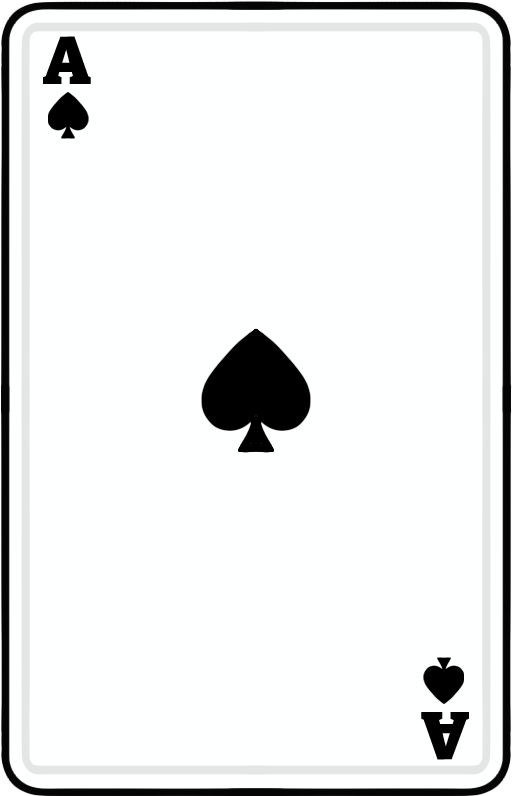
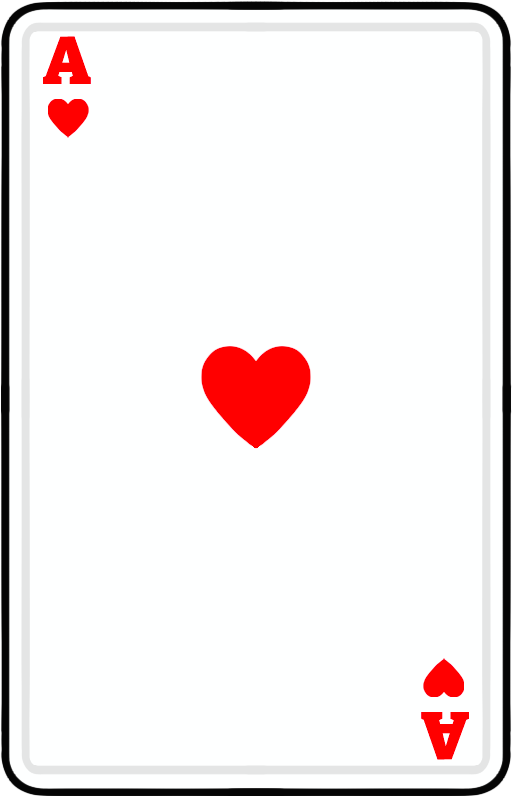
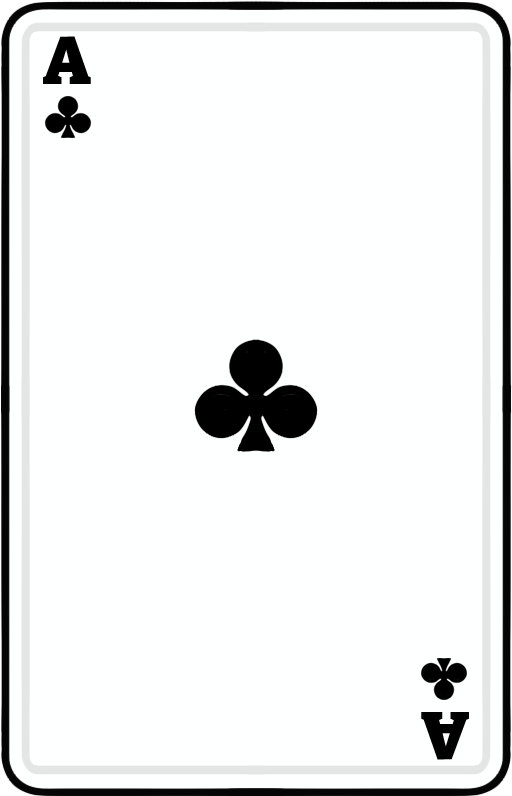
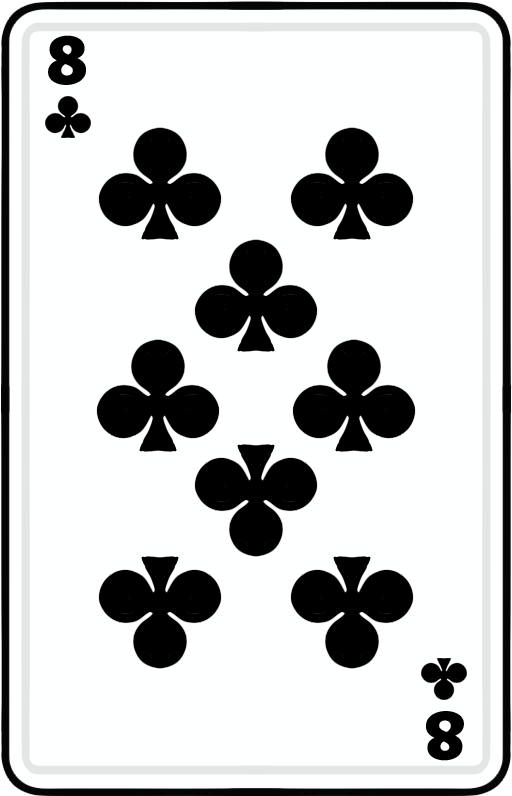
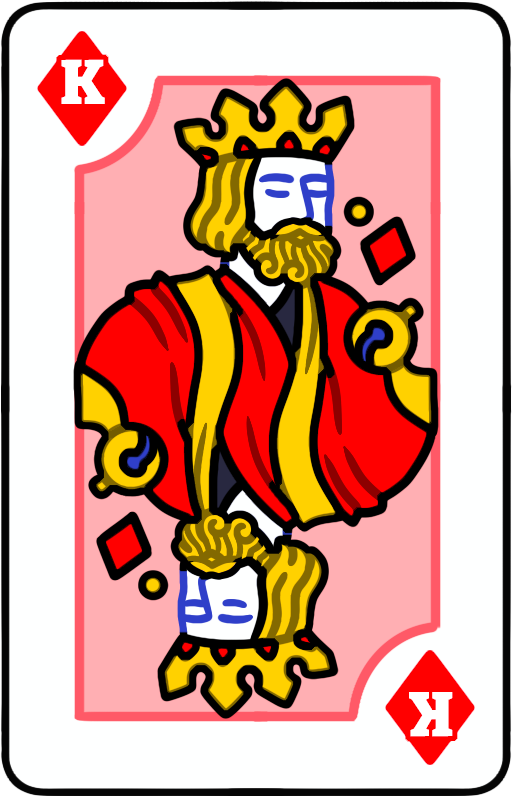
- Play one rank up or down. Move a face-up layout card onto either center pile if it sits one rank above or below the top card. Suit never matters, and an Ace turns the corner, so it plays on a King or a 2.
- Use one hand. Play one card at a time with a single hand. Flip each newly uncovered layout card face up, and slide a stranded card into an empty stockpile slot to free the card beneath.
- Spit again when stuck. If neither player can move, both flip their next spit card onto the center piles to restart the action.
- End the round. A round ends the moment a player empties all five stockpiles, or when both players are stuck with no spit cards left.
- Slap to claim the smaller pile. Either player may slap once the round ends, and the first hand down is given the smaller center pile. Shuffle, deal a fresh layout, and play on. Whoever runs out of cards completely wins.
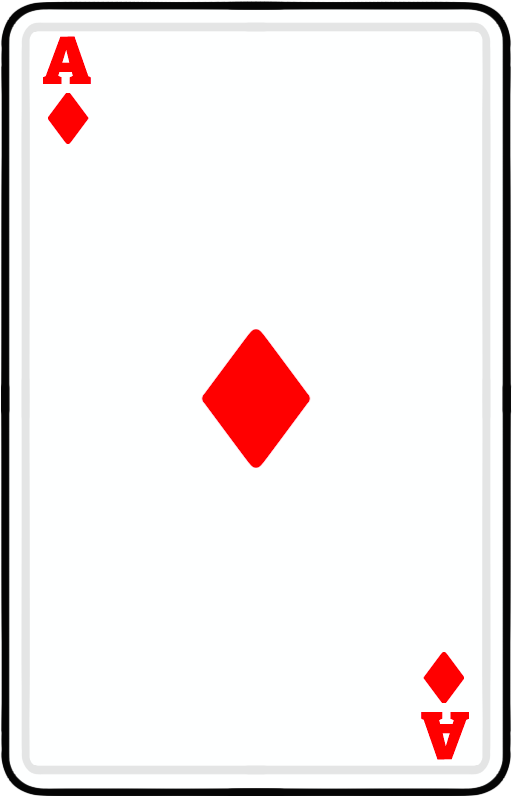
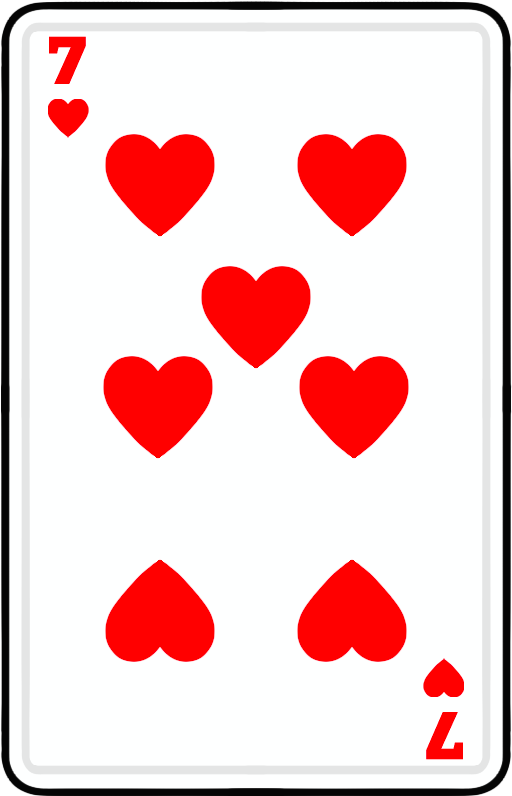
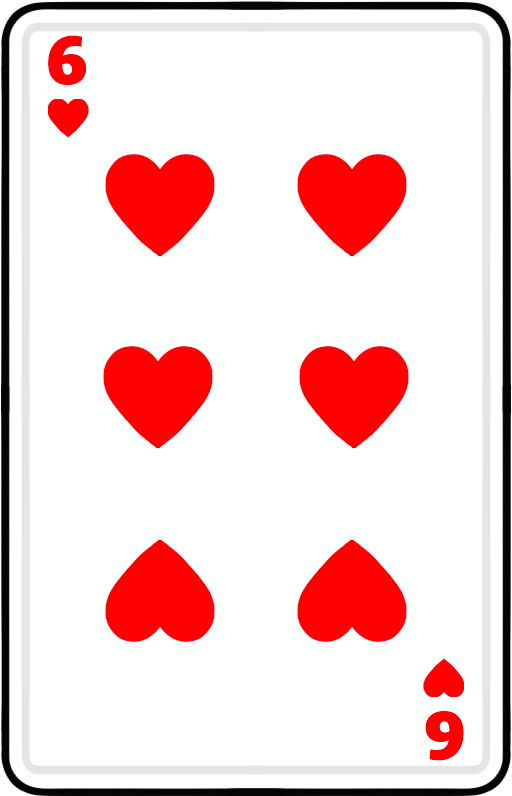
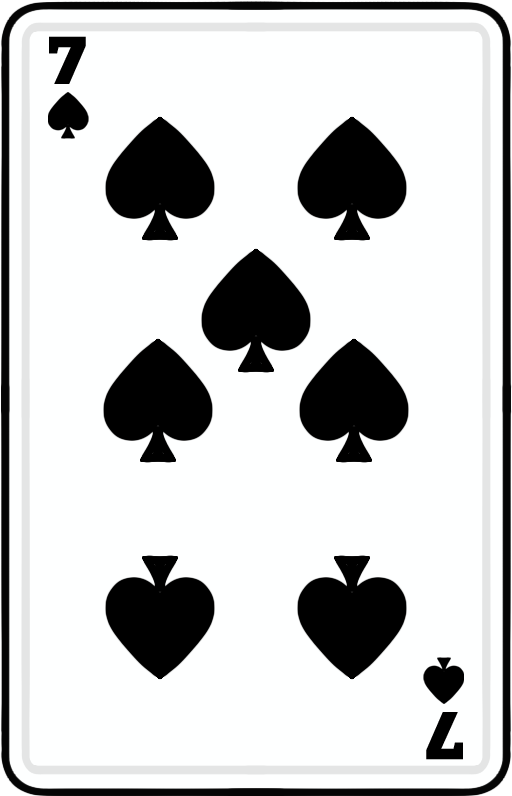
Spit vs Speed vs Slam
Spit, Speed, and Slam name the same kind of real-time race, but Speed changes the layout and Slam is just another word for Spit.
In Spit you play from five open stockpiles plus an 11-card spit reserve, and each round ends with a slap for the smaller center pile. In Speed you hold a hidden hand of five cards and refill it from a face-down draw pile, two center piles sit between two small reserve stacks, and many published Speed sets let you play a card of the same rank, not only one up or one down. Speed drops the slap entirely; you win by emptying your hand and draw pile. Slam carries no separate rules at all. It is a regional name, sometimes the word players shout when they slap the final pile.
| Spit | Speed | |
|---|---|---|
| Your cards | 5 open stockpiles + 11 spit cards | hidden 5-card hand + draw pile |
| Refilling | flip the card beneath a played one | draw back up to five |
| Same-rank play | no, one up or down only | often allowed |
| Round end | slap the smaller pile, then redeal | none, one continuous race |
| Winning | shed every card across rounds | empty your hand and draw pile |
Spit Strategy
Spit looks like luck, but a practiced player beats a casual one almost every time. The edge comes from four habits.
Clear your biggest stockpiles first to open an empty slot. An empty slot is Spit's version of a free cell: slide a stranded face-up card into it and you uncover the face-down card that was trapped underneath. Beginners forget the slot is a tool, not just a finish line.
Sequence your plays so each card sets up the next. If a center pile shows a 4 and you hold both a 5 and a 6, play the 5 first, then drop the 6 on top in the same motion. Leading with the 6 wastes the chain.
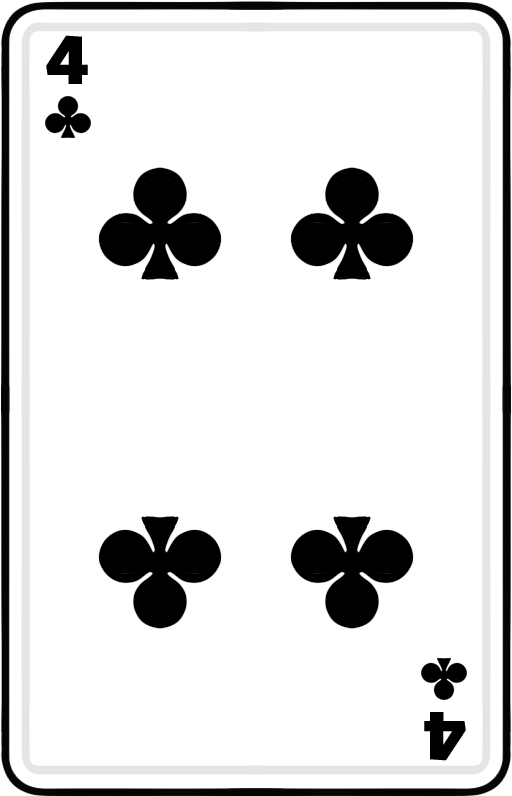
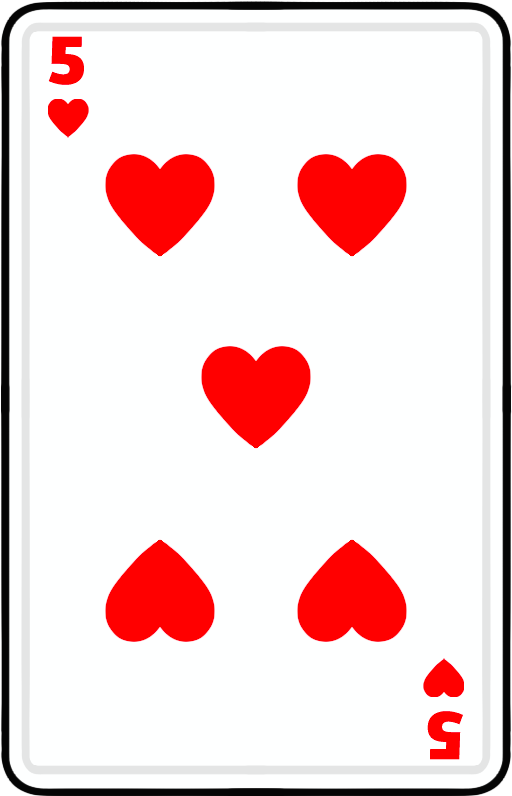
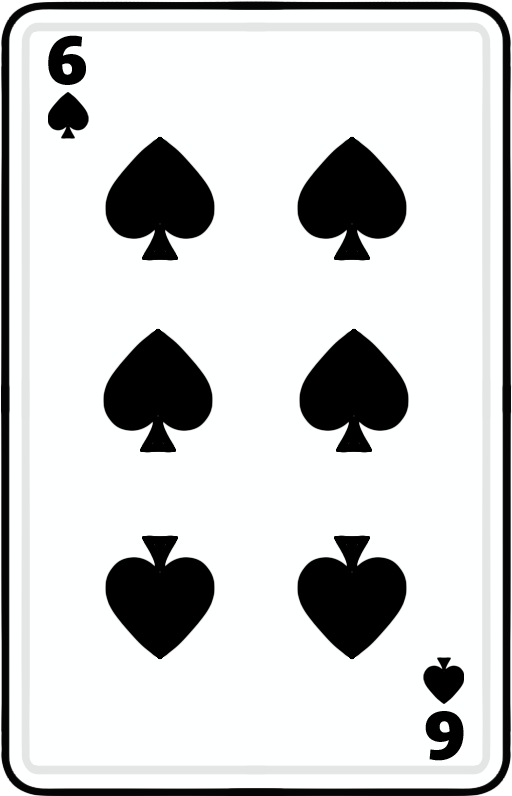
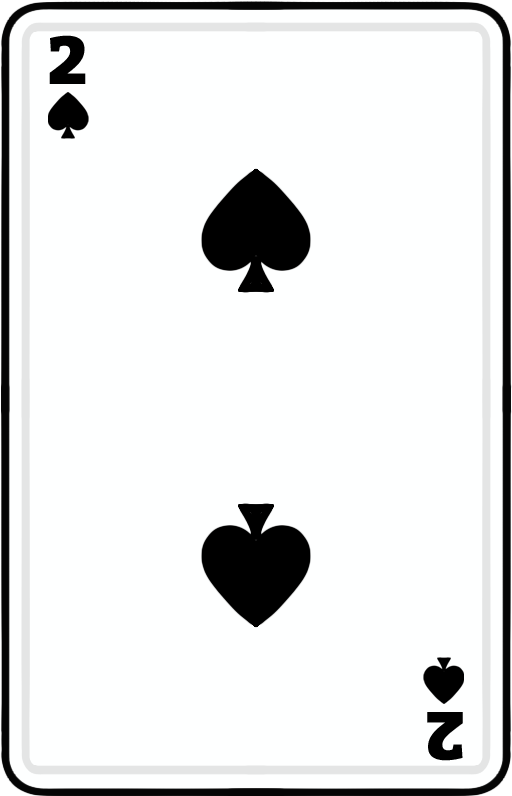
Watch what you hand your opponent. Before you change a center top, check whether it gifts them a card. Dropping a 3 onto a 2 hands an easy play to an opponent sitting on an exposed 4. Hold the 3 a beat, or play somewhere else, and make them solve their own board.
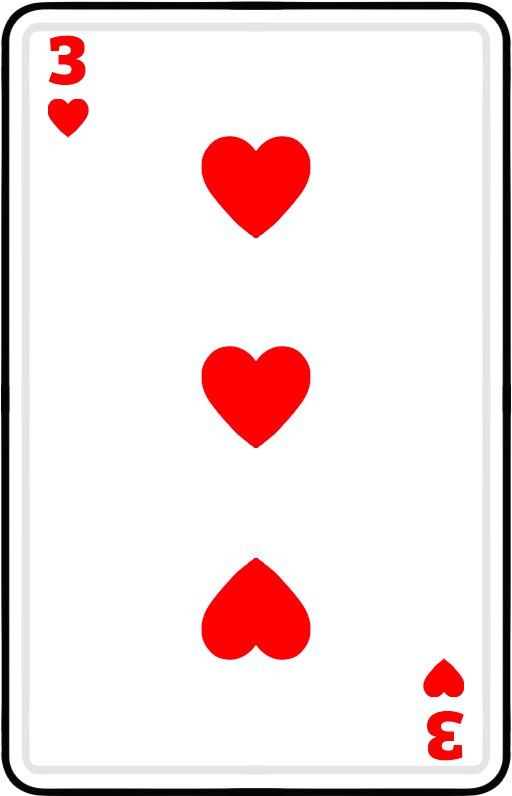
Slap first, because speed is the only thing the slap rewards here. You do not choose a pile: whoever slaps first is handed the smaller of the two, so there is no misjudgement to make and nothing to weigh up. Watch for the round ending, hover close, and get your hand down. In the face-to-face game you would pick a pile and could pick wrong, which is where the tradition of eyeballing the piles comes from.
Underneath all of it is trainable speed: run a fixed scan loop across your five layout tops and the two center tops, take in both center piles with your peripheral vision instead of darting between them, and commit to any safe legal play the instant you see it. Smooth beats frantic, because fumbled cards cost more than the half-second they seem to save.
Spit Variants
Most Spit variants tweak the layout or the wrap rule, and a few break further away.
- Four-pile Spit: deal four stockpiles (1-2-3-4) instead of five for a faster, slightly easier game.
- Alternating-colour piles: a center card must alternate red and black on top of being one rank up or down, which tightens every play.
- Equal-rank stacking: stack a card of the same rank within your own row to free a slot or expose a hidden card.
- California Speed: a matching game rather than a building game. Players flip four cards to the center and race to cover pairs of equal rank, with no sequencing at all.
- Wild Speed: jokers join the deck as wild cards, with the catch that you cannot go out on a joker.
- Double Speed: either two decks for four players, often in teams, or a two-player rule that allows same-rank plays to push the pace.
- Simplified versions: deal a shorter three-pile row for younger players, or add a third center pile so the game stalls less often.
Three games share a name or a slap but are not Spit: Spit in the Ocean is a draw-poker variant with a wild shared card, while Egyptian Rat Screw and Slamwich are slap-matching games where you collect cards instead of shedding them.
Where Spit Comes From
Spit is a folk game with no recorded inventor. It first turns up in print in 1973, in Margie Golick's book Deal Me In!, which described it as a game children taught each other rather than learned from adults. Nobody has found an earlier source, a first author, or a country of origin, and the honest answer is that none is documented.
What Spit clearly belongs to is the racing-patience family: solitaire played by two or more people at the same time instead of in turns. Its older, better-recorded relative is Racing Demon, known as Pounce or Nerts in the United States, which the card-game historian David Parlett traces to 1890s England and which appears in print through the 1920s and 1930s. A boxed game called Speed reached British shops in 1938, but it ran on a special transport-themed deck rather than standard cards, so it is a separate product that happens to share the name.
Frequently Asked Questions
How do you play Spit?
Deal 26 cards to each player. Lay five stockpiles of 1, 2, 3, 4, and 5 cards with the top of each face up, and hold the last 11 as spit cards. Both players flip a spit card to start two center piles, then play cards one rank up or down at the same time until someone empties their layout.
Why is it called Spit?
The name comes from the call. Both players shout "spit" and flip a card into the center to begin a round, and again to restart play whenever they get stuck. The word marks the simultaneous flip that drives the game. Its deeper origin is not documented.
How many cards do you start with in Spit?
Each player starts with 26 cards. Fifteen of them build the five stockpiles in a 1-2-3-4-5 staircase with one card face up on each, and the remaining 11 are the face-down spit cards you flip to the center to start and restart play.
What is the difference between Spit and Speed?
Spit deals five open stockpiles plus an 11-card spit reserve and ends each round with a slap for the smaller pile. Speed gives you a hidden five-card hand refilled from a draw pile, often allows same-rank plays, and has no slap. They are close cousins, not the same game.
How do you win at Spit?
Win a round by emptying your five stockpiles first, then slap the smaller center pile so you collect fewer cards. Combine, shuffle, and redeal each round. You win the whole game when you run out of cards entirely, with nothing left in your layout or spit pile.
What happens when both players get stuck?
When neither player can make a legal move, both flip their next spit card onto the center piles at the same time. The fresh top cards usually unstick play. If one player has no spit cards left, only the other player flips, onto a single center pile.
Can an Ace be played high and low in Spit?
Yes. An Ace turns the corner, connecting a King and a 2. You can play an Ace on a King or a 2, and you can play a King or a 2 back onto an Ace, so the sequence loops. Some casual house rules drop the wrap and play Aces low only.
How many players can play Spit?
Spit is built for exactly two players, who split the deck between them. Adaptations for three to six players exist but are not standard, and they work by adding extra decks and extra center piles to keep everyone supplied.
Play Spit Online
Play Spit free against an AI opponent that reacts in real time. Sharpen your scan loop and slap timing solo, then take the speed you build into a fresh game. A daily challenge deals the same starting layout to everyone, so you can compare how fast you clear it against other players.
Play the daily Spit challenge or browse more card games.