

What Is Pinochle?
Pinochle is a trick-taking game played with a 48-card deck: two copies each of the Ace, Ten, King, Queen, Jack, and Nine. You score twice in every hand, once for the combinations you were dealt and once for the counters you capture in tricks, and you have to name a points target before either of those things happens.
That double scoring is what separates it from Hearts, Spades, or Euchre. A pinochle hand can be worth 400 points before a single card is played, and the same hand can be worth nothing at all if your side never wins a trick.
Cards rank Ace, Ten, King, Queen, Jack, Nine. The Ten sitting above the King is the first thing to unlearn from other card games, and it bites twice: the Ten takes tricks the King cannot, and it is worth a full 10 points when captured.
Four Games Share the Name Pinochle
Most pages explaining pinochle rules pick one form of the game without saying which one. If a rule set you find elsewhere does not match what you remember, that is almost always the reason, and it catches people out on the biggest sites: several of the highest-ranking pages for the plain term teach the two-handed game.
| Form | Deal | How it plays |
|---|---|---|
| Two-handed2 players | 12 each, 24-card stock | Draw from the stock after every trick. Melds are laid on the table and stay there. Usually played to 1,000. |
| Three-handed3 players | 15 each plus a 3-card widow | Also called cutthroat. Every player for themselves. The bidder takes the widow, then discards back down to 15. |
| Four-handed partnership4 players | 12 each, no widow | The common American game and the one we deal here. Partners exchange four cards once trump is named. |
| Double deck4 players | 20 each from 80 cards | Nines removed, every other card four copies deep. Bidding starts at 500 and meld runs on a different scale. |
When an American says pinochle without qualifying it, they usually mean the four-handed partnership game, and that is the one we deal here. The two-handed game is a genuinely different experience built around drawing from a stock, the three-handed game has no partners at all, and double deck pinochle is a fourth game again. All pinochle variants.
How to Play Pinochle
- Deal 12 cards each. Four players in fixed partnerships, partners sitting opposite. Deal the whole 48-card deck, 12 to each player. Nothing is held back and there is no widow.
- Bid for the right to name trump. Bidding opens at 250 and rises in tens. The high bidder names trump and commits their side to that many points from meld and tricks combined.
- Pass four cards. The bidder's partner passes four cards across, and the bidder passes four back. This is where a thin bid gets rescued, so choose carefully.
- Score the meld. Both partners lay out their combinations and add them together. A run in trump is 150, aces around is 100, a pinochle is 40.
- Play 12 tricks. Follow suit if you can, and trump when you are void. The highest trump wins, or the highest card of the suit led if nobody trumps.
- Add meld to counters. Aces, Tens, and Kings are worth 10 each, 240 in the deck, plus 10 for the last trick. Miss the bid and your side loses the full amount instead.
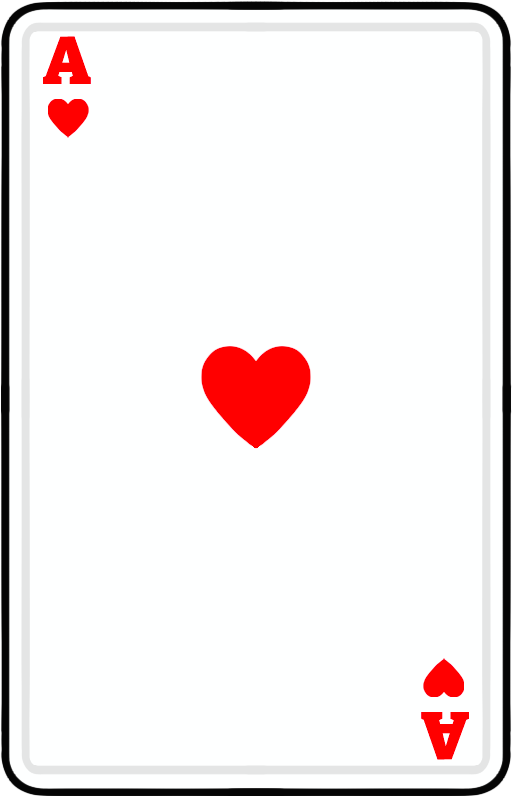
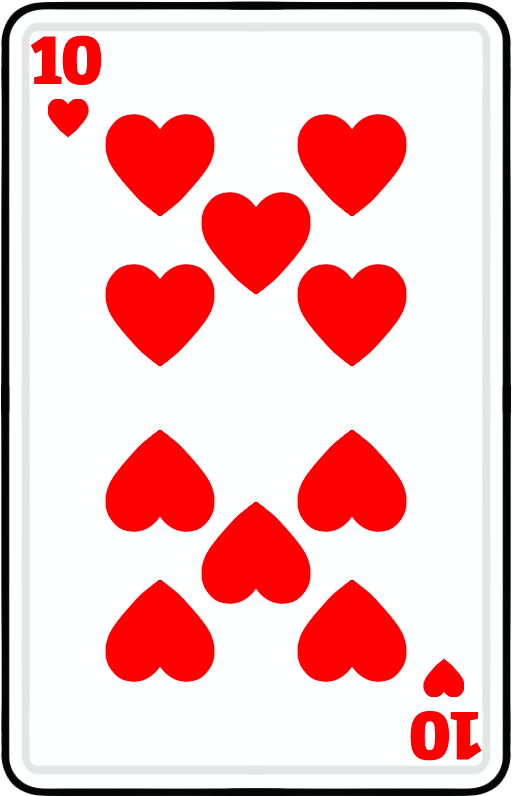
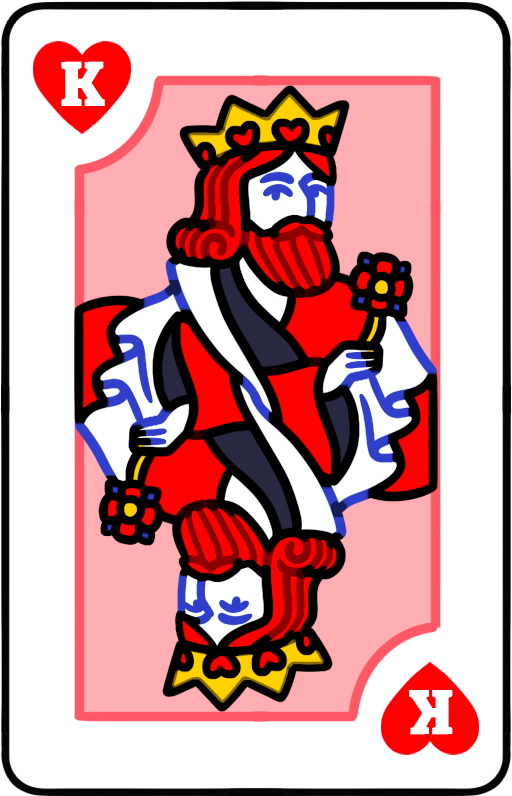
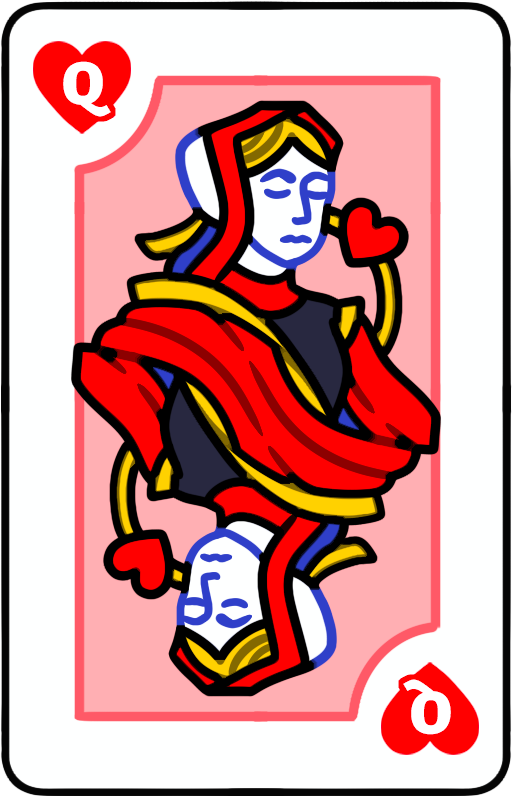
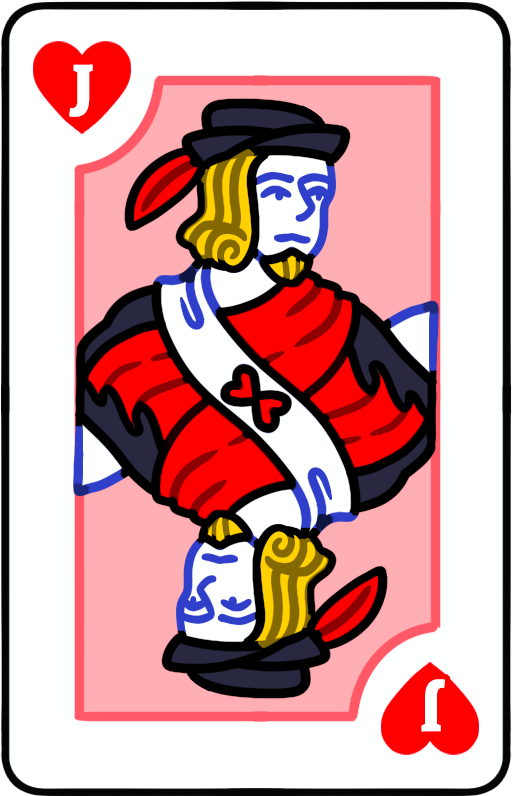
The four-card pass decides more hands than the card play does. Your partner sees what you bid, sends the four cards they judge most useful, and takes four back. A bid that looked reckless before the pass is often comfortable after it, which is why aggressive bidding works in partnership pinochle and fails in the two-handed game. Full pinochle rules.
The Pinochle Meld Table, on Both Scales
Two scoring scales are in common use, and comparing rule sources without knowing that is how people conclude a page is wrong. One prints a run in trump as 150 and a dix as 10. The other prints those same melds as 15 and 1. They are the same game with a trailing zero dropped, and the winning target moves with them: 1,500 on the first scale, 150 on the second.
| Meld | Classic | Divided |
|---|---|---|
| Run in trump (A-10-K-Q-J) | 150 | 15 |
| Double run in trump | 1,500 | 150 |
| Royal marriage (K-Q of trump) | 40 | 4 |
| Marriage (K-Q, any other suit) | 20 | 2 |
| Pinochle (Q of spades + J of diamonds) | 40 | 4 |
| Double pinochle | 300 | 30 |
| Aces around | 100 | 10 |
| Kings around | 80 | 8 |
| Queens around | 60 | 6 |
| Jacks around | 40 | 4 |
| Dix (nine of trump), each | 10 | 1 |
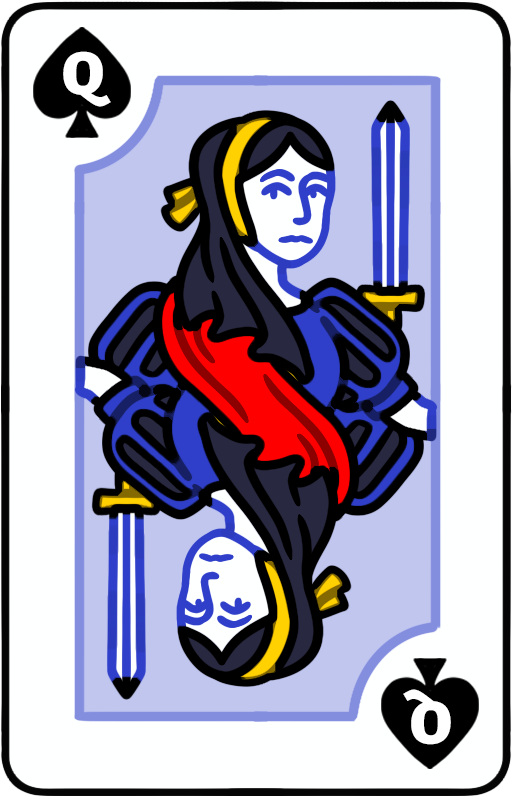
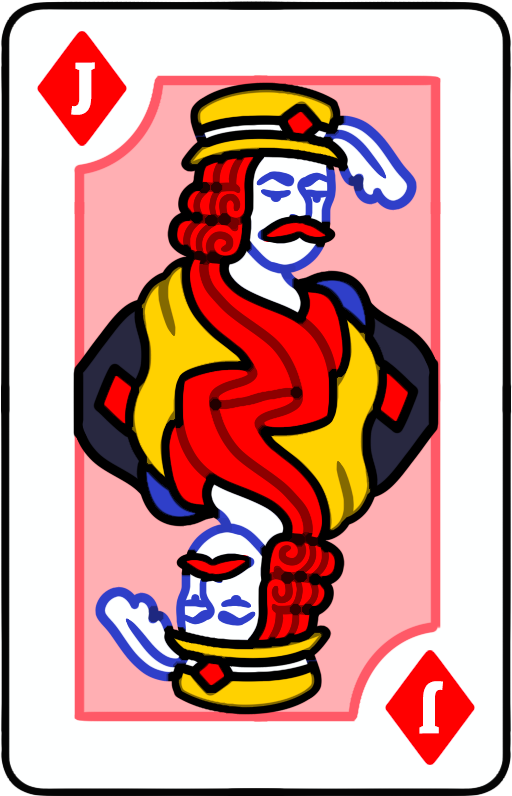
We use the classic scale, with a 250 minimum bid and game at 1,500. Pick one scale at your own table and stay on it, because mixing the two puts the bid out of reach.
Two rules settle most meld arguments. Runs count in trump only, so A-10-K-Q-J in a plain suit scores nothing beyond the 20-point marriage buried inside it. And a run already contains its own royal marriage, so those two cards cannot be counted twice, though a second King and Queen of trump do form a separate 40-point marriage on top of the run. Hold every card of a trump run twice over and the double run scores 1,500, which wins the game outright.
Scoring: Meld Plus Counters
Aces, Tens, and Kings are the counters, worth 10 points each. The deck holds 24 of them and the last trick is worth another 10, so every hand contains exactly 250 trick points. Queens, Jacks, and Nines count nothing when captured, which is how a hand full of meld still leaves you short.
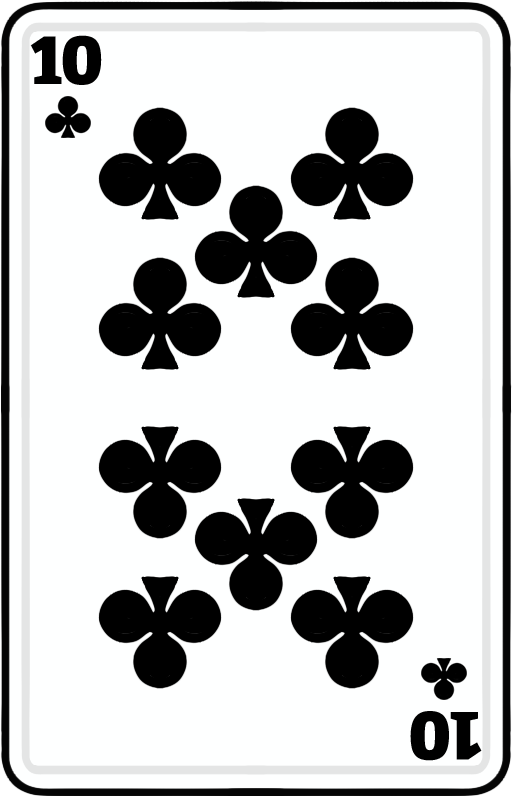
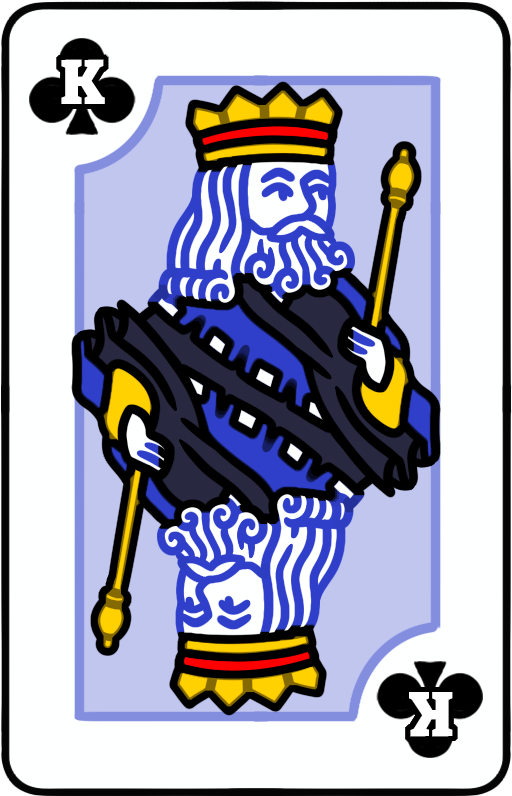
Add meld to counters at the end of the hand. Reach the bid and your side banks the total. Fall short and you are set: the hand scores nothing, the meld you already laid out is wiped, and the full bid comes off your score. A set on a 400 bid is an 800-point swing against a target of 1,500.
One rule catches out defenders. A side that wins no tricks at all loses its meld as well, so taking a single trick late is worth doing even when the bid is already beyond saving. Game is 1,500, and if both sides cross the line on the same hand the bidding side takes it. Pinochle glossary.
Four Ways to Count Card Values
Which ranks count for points is itself a house rule, and four systems are in circulation. They are named for the ranks they count: A-10-K, A-10-K-Q, A-10-K-Q-J, and the modern scale. An Ace is worth 10 in the first two systems, 11 in the third, and 1 on the modern scale, so the same captured trick can score four different amounts depending on whose rules are on the table.
We count A-10-K at 10 points each, the system that pairs with the classic meld scale and a 250 minimum bid. Settle this before the first deal rather than during the argument at the end of the hand.
The nine of trump gets three names too. It is a dix in most American rule sets, a deece in others, and some publishers simply call it the nine of trump and skip the term altogether. All three mean the same card and the same 10 points, so a rule set that never uses the word dix is not describing a different game.
How to Bid
Count your meld before you say a number. Add roughly 100 for a hand holding two or three trump winners, then bid that. The arithmetic matters because the auction is the one part of pinochle where a mistake costs points you never had a chance to win.
A 250 opening is comfortable on almost any hand with a marriage in a long suit, since your partner has 12 cards of their own to contribute and four of them are coming your way. Judgement gets hard between 300 and 400, where the bid hangs on whether your partner can fill a near-run or turn a bare Ace-Ten into a suit you can run.
Stop once your meld stops growing. Naming trump is a real prize, but every 10 points you add has to come back in tricks, and there are only 250 trick points in the deck. Against three opponents holding 36 cards between them, the last 50 points of an ambitious bid is where most sets come from. Pinochle strategy guide.
Where Pinochle Came From
Pinochle descends from the French game bezique by way of Binokel, played in German-speaking Europe. Binokel has a hard earliest date: a Bern diary entry of 6 July 1847 describes it as a four-player mix of whist and l'hombre. The English spelling first appears in 1864, written then as peaknuckle. The origin of the name itself is disputed, with several derivations competing, so treat any single confident account of it with suspicion.
German immigrants carried the game to the United States in the last quarter of the 19th century. Two further channels spread it from there. Pullman porters, the all-Black railway workforce travelling city to city, carried pinochle and bid whist between Black communities along with newspapers and music. The military spread it again through Special Services, the War Department entertainment branch created on 22 July 1940, which issued pinochle decks to servicemen across both theatres of the Second World War.
A 1940 survey by the Association of American Card Manufacturers named the three most played games among American men as contract bridge, poker, and pinochle. Feeling ran the other way in 1917: during the 19 months of American involvement in the First World War, Syracuse, New York banned the game outright for sounding German. Full pinochle history.
Frequently Asked Questions
What are the basic rules of Pinochle?
Four players in two partnerships use a 48-card deck holding two copies each of Ace, Ten, King, Queen, Jack, and Nine. Bid for the right to name trump, exchange four cards with your partner, score your melded combinations, then play 12 tricks. Meld plus captured counters must reach the bid or your side loses it.
What cards are worth points in Pinochle?
Aces, Tens, and Kings are the counters, worth 10 points each when captured. Queens, Jacks, and Nines score nothing in tricks, though they matter enormously in meld. Four different counting systems exist, so check which one your table uses before totting up.
What's the lowest card in pinochle?
The Nine. Full ranking from high to low is Ace, Ten, King, Queen, Jack, Nine. The nine of trump is still worth holding, because it scores 10 points on its own as a dix, a meld also called a deece or simply the nine of trump.
How to bid in Pinochle for beginners?
Count your meld first, then bid what your side can realistically add on top of it in tricks. A workable guide is your meld plus roughly 100 for a hand holding two or three trump winners. Bidding past what the hand supports costs you the entire bid when you fall short.
Why is it called pinochle?
The name comes from the meld of the Queen of spades with the Jack of diamonds, which is itself called a pinochle. It traces back through the German and Swiss game Binokel, first recorded in Bern in 1847. The deeper etymology is disputed, with several derivations competing.
Is euchre like Pinochle?
They belong to the same family. Both are partnership trick-taking games with a named trump suit and a stripped deck. Pinochle adds bidding and melding, uses 48 cards rather than 24, and runs 12 tricks against the five in euchre, so a hand takes considerably longer. Play Euchre and judge for yourself.
Is Pinochle a difficult game to learn?
The trick play is straightforward for anyone who has played a trick-taking game before. What takes time is the meld table and judging a bid, because you commit to a number before seeing your partner hand. Most players reach a reasonable standard within a few hands.
Do people still play Pinochle?
Yes. A national association runs annual championships in the United States, and the game holds its place in clubs, senior centres, and family card nights. It is less visible than it was in the 1940s, when a card manufacturers survey put it in the American top three, but it is far from gone.
Play Pinochle Online Free
Play the four-handed partnership game free against three AI opponents, with no download and no account. Your meld is counted for you the moment trump is named, so you can see what the hand is worth before the first card is led.
Learn the detail in the rules and strategy guides, or try double deck pinochle, Euchre, and Bid Whist for the other partnership trick-taking games we host.