

What Is Pyramid Solitaire?
Pyramid Solitaire (also called Solitaire 13) is a one-player card game played with a standard 52-card deck. You deal 28 cards face up in a pyramid of seven rows and clear it by removing pairs of uncovered cards that add up to 13. A King counts 13 on its own and is removed alone.
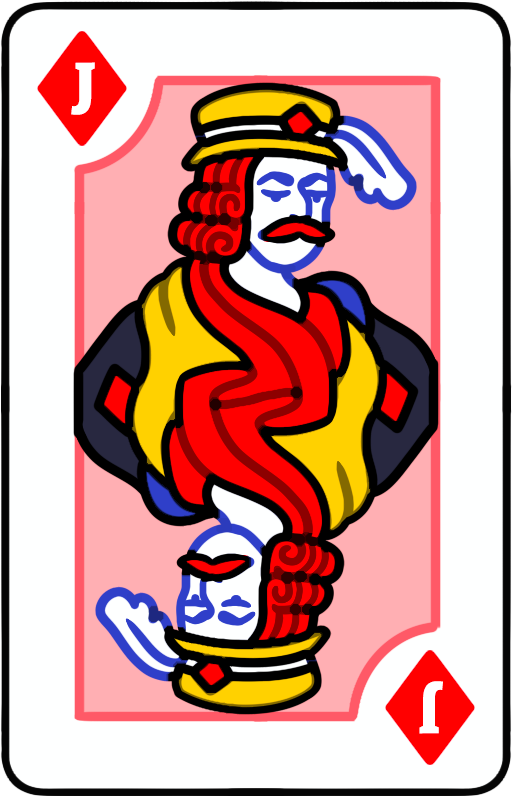
Only the numbers matter, never the suits: an Ace counts 1, a Jack 11, and a Queen 12. Thirteen is the King's value, so every other rank has exactly one partner rank. The 24 cards left after the deal form a stock you turn one card at a time, and each card that turns up can pair with a free pyramid card. Many versions, ours included, count the game won once the 28 pyramid cards are gone, even with cards still in the stock.
- Cards: 52, one standard deck
- Pyramid: 28 cards face up, rows of 1 to 7
- Stock: the other 24 cards, face down
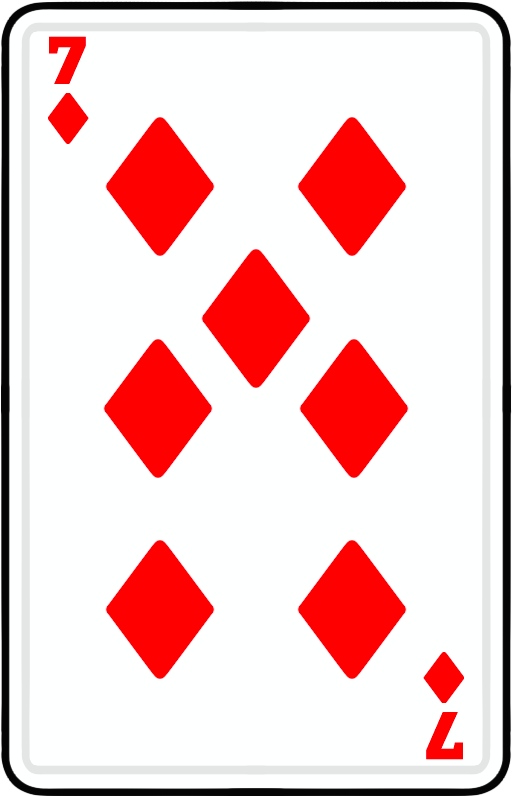
- Pairs: Queen + Ace, Jack + 2, 10 + 3, 9 + 4, 8 + 5, 7 + 6; a King goes alone
- Goal: remove all 28 pyramid cards
How to Set Up Pyramid Solitaire
Deal one card face up at the top, then a row of two that half covers it, then three, and so on down to a row of seven: 1 + 2 + 3 + 4 + 5 + 6 + 7 = 28 cards. Every card above the base row is partly covered by two cards in the row below. Put the other 24 cards face down beside the pyramid as the stock, with room next to it for a waste pile. That accounts for all 52.
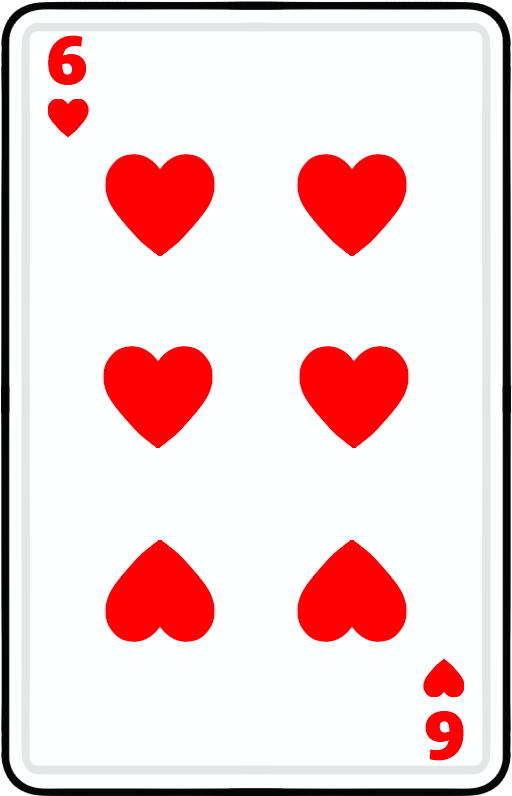
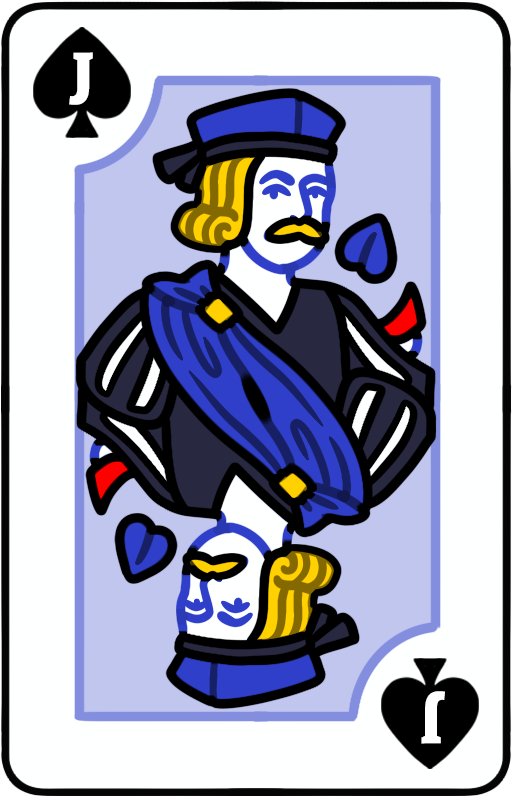
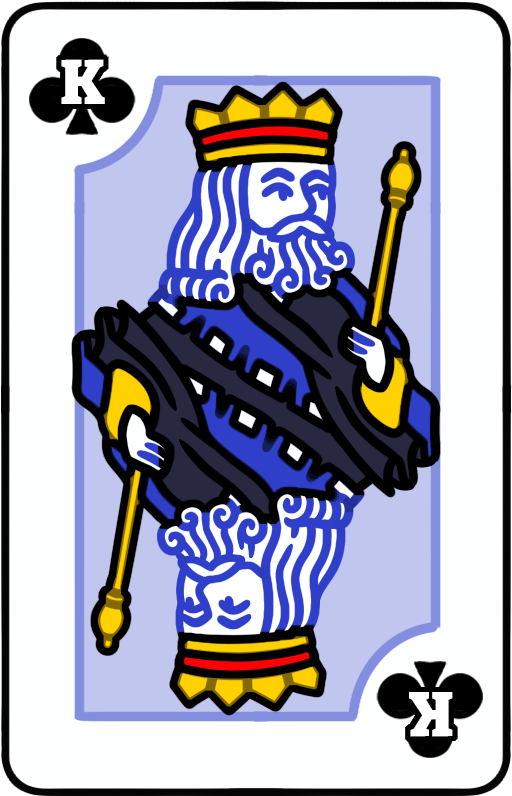
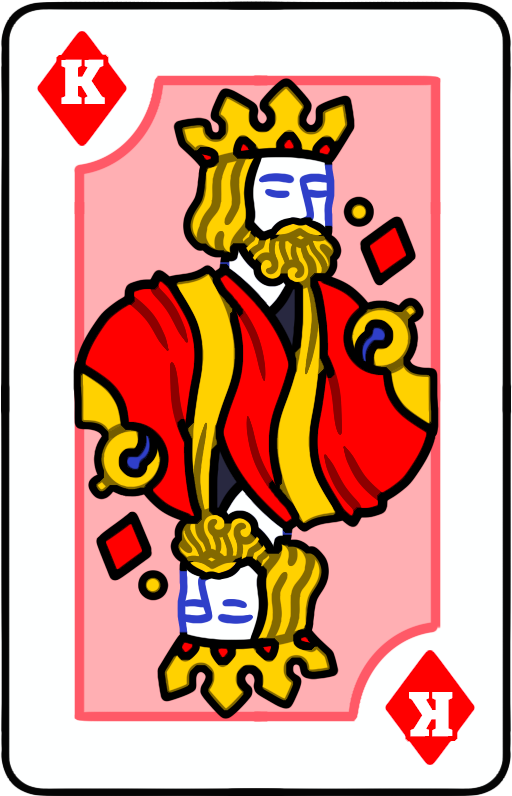
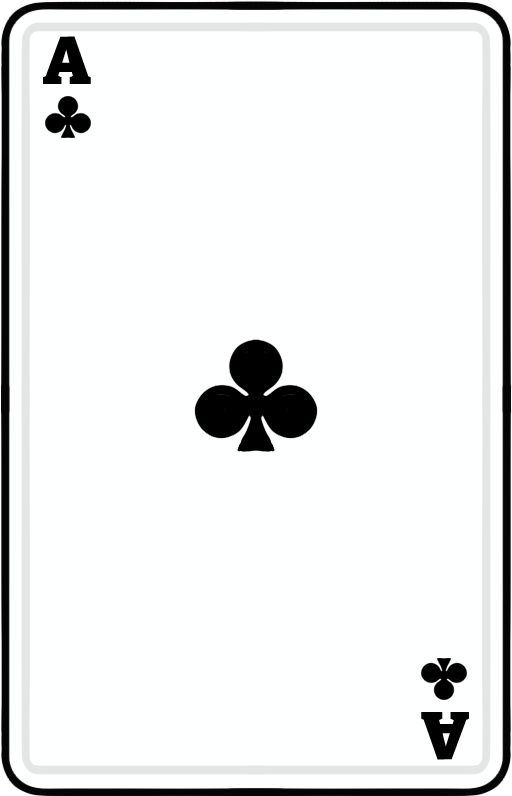
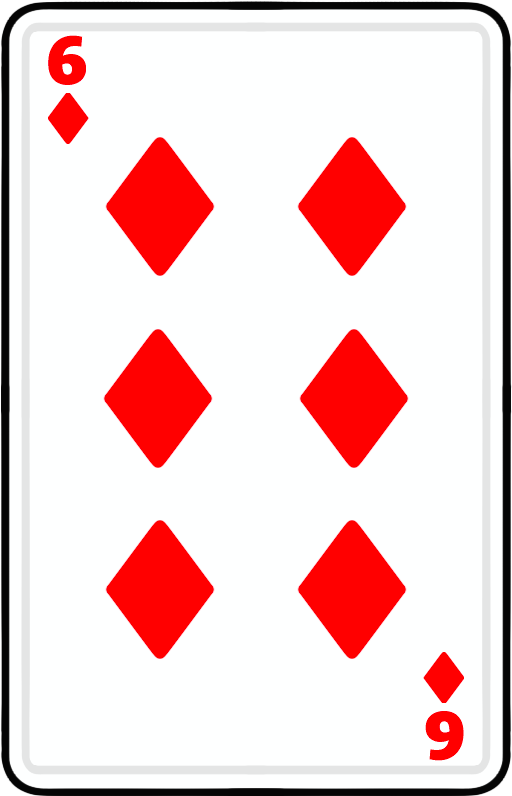
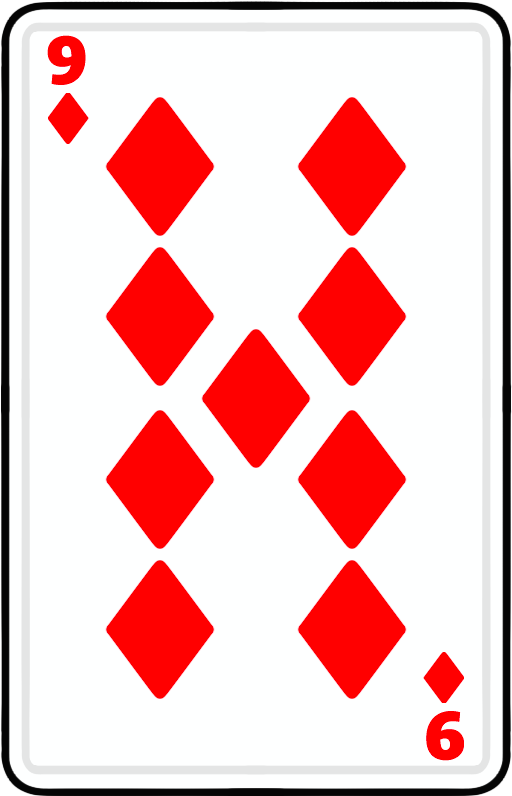
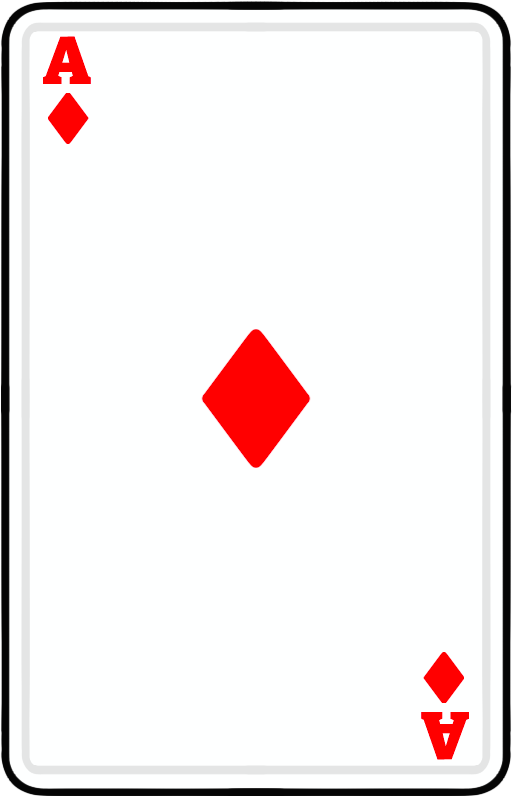
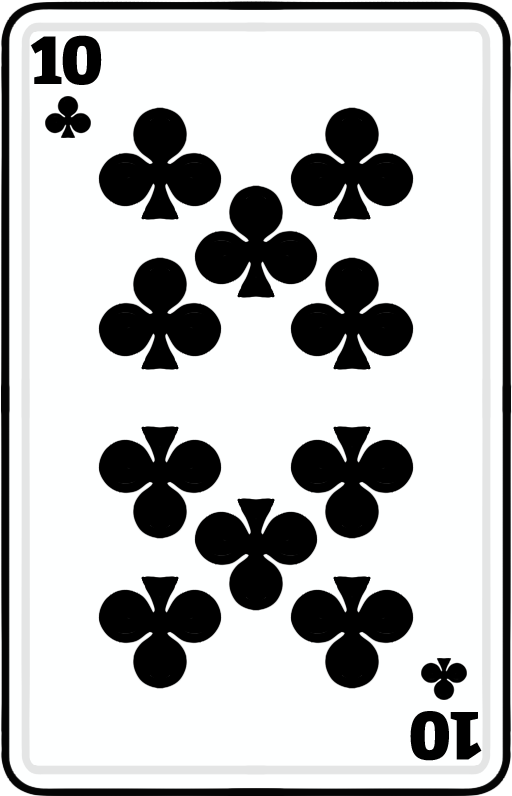
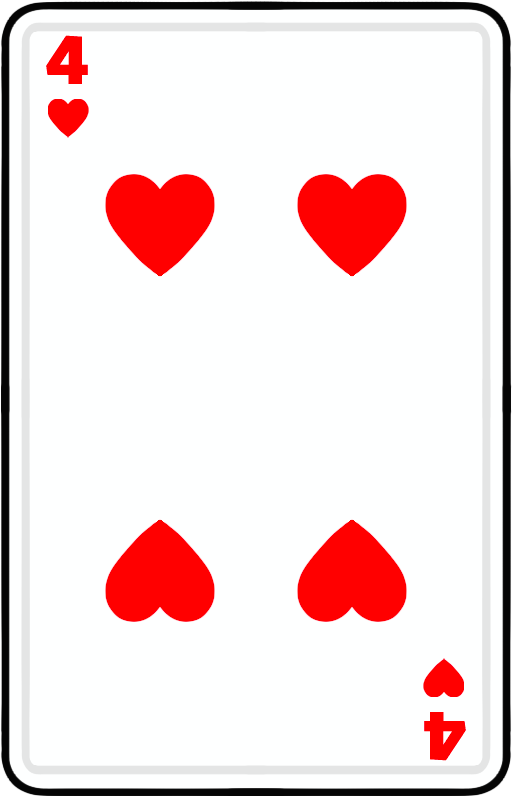
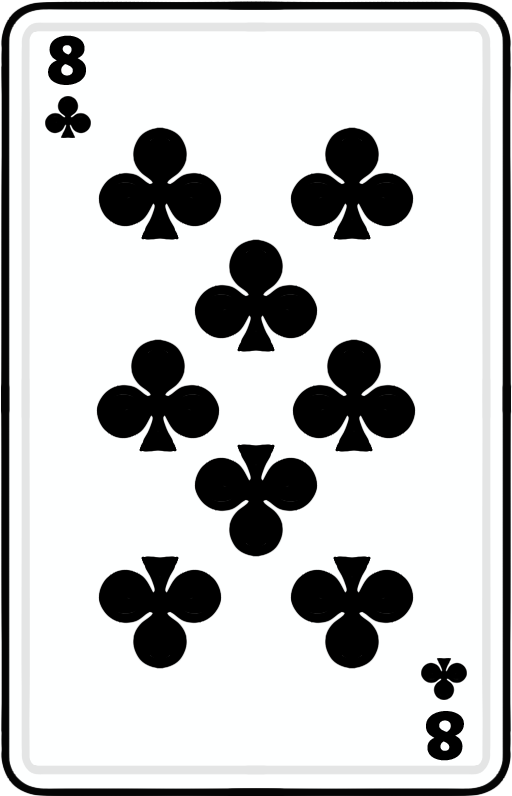
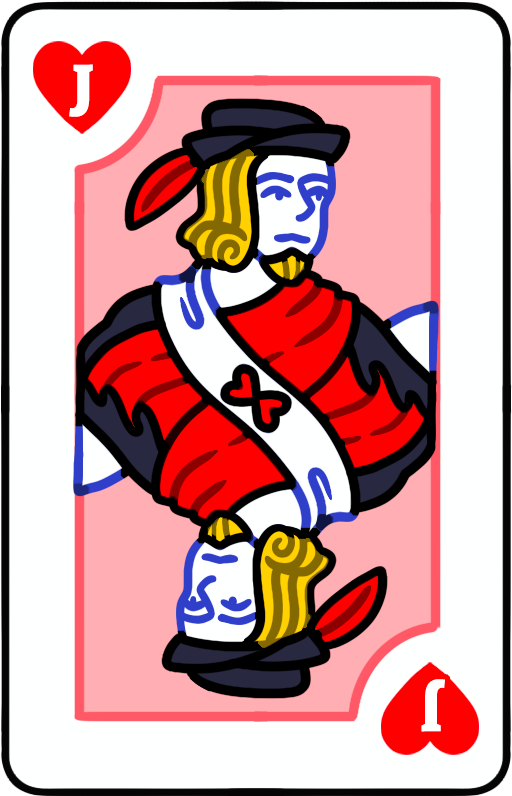
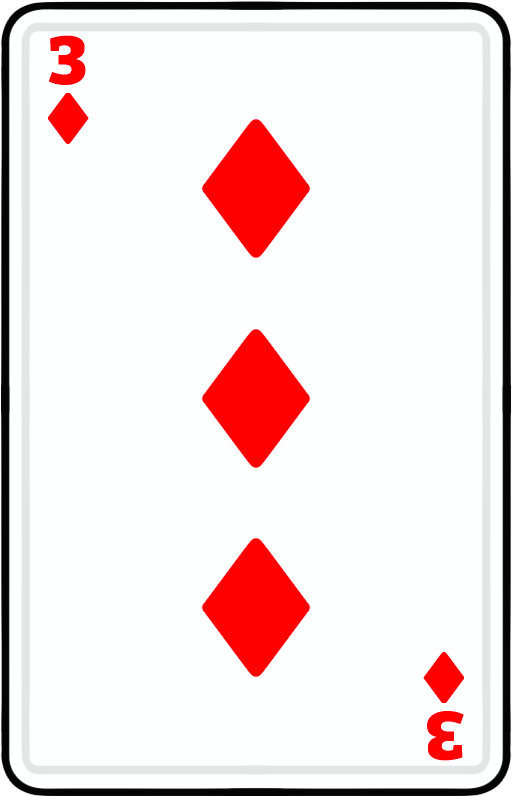
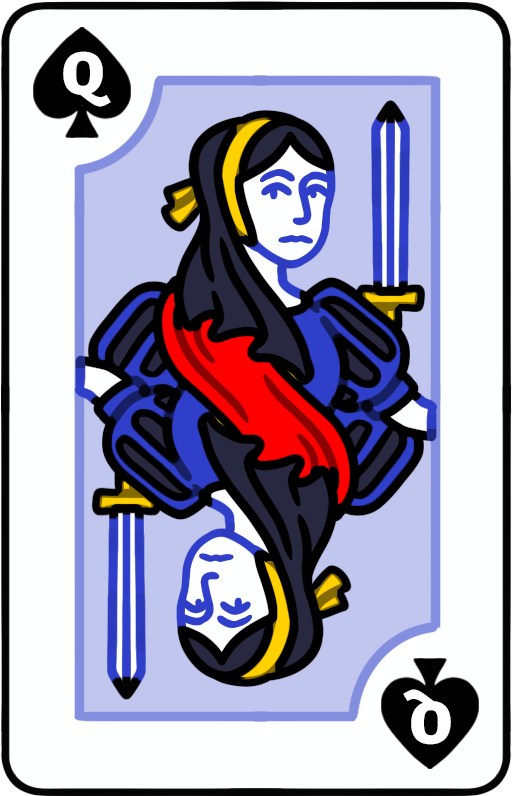
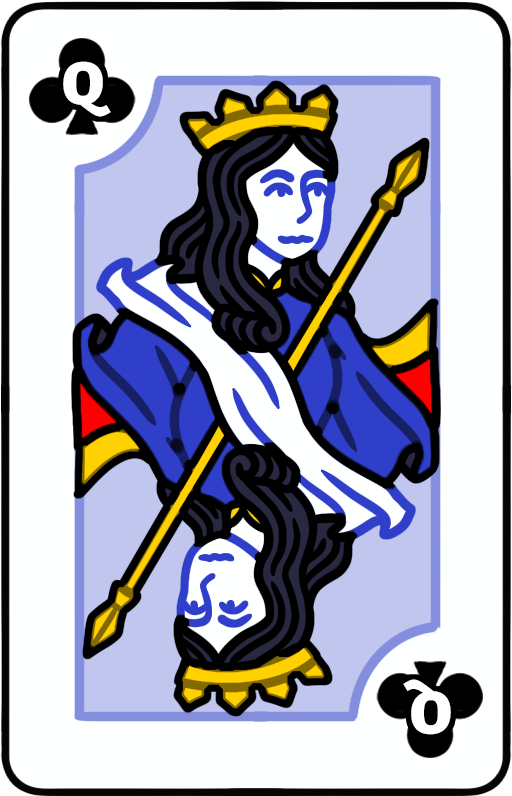
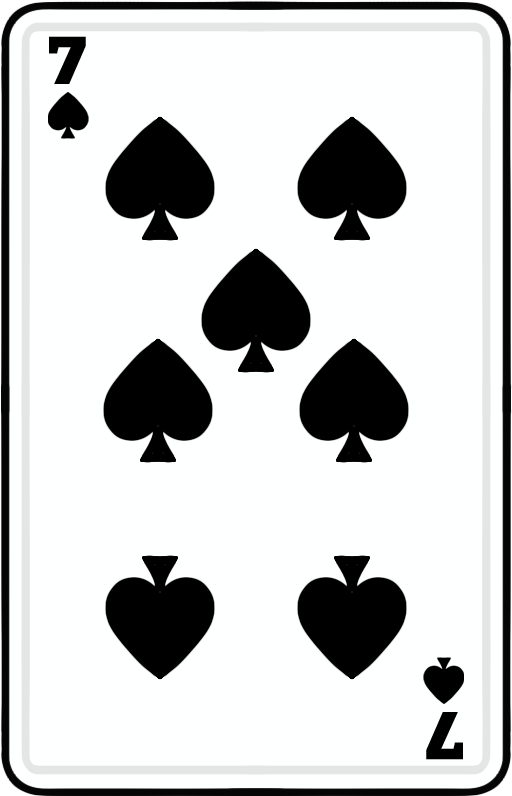
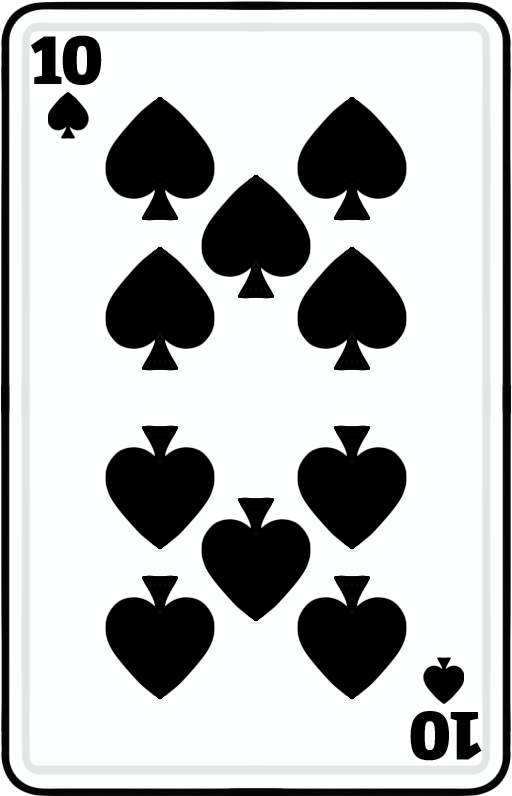
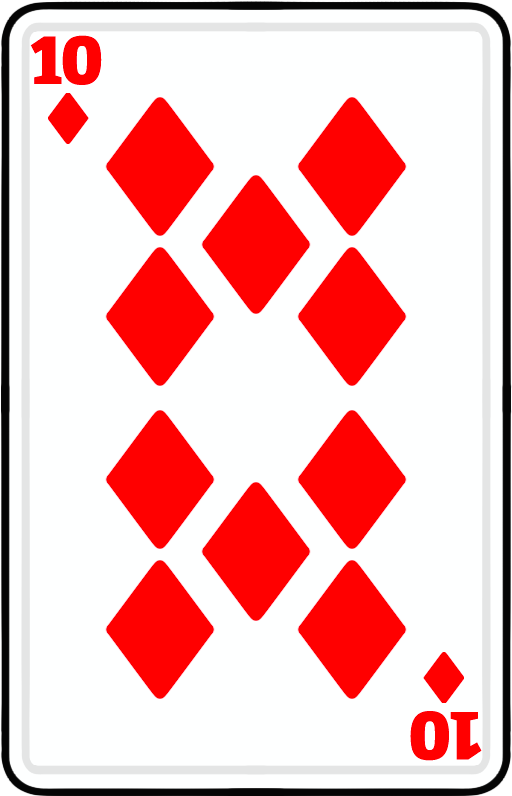
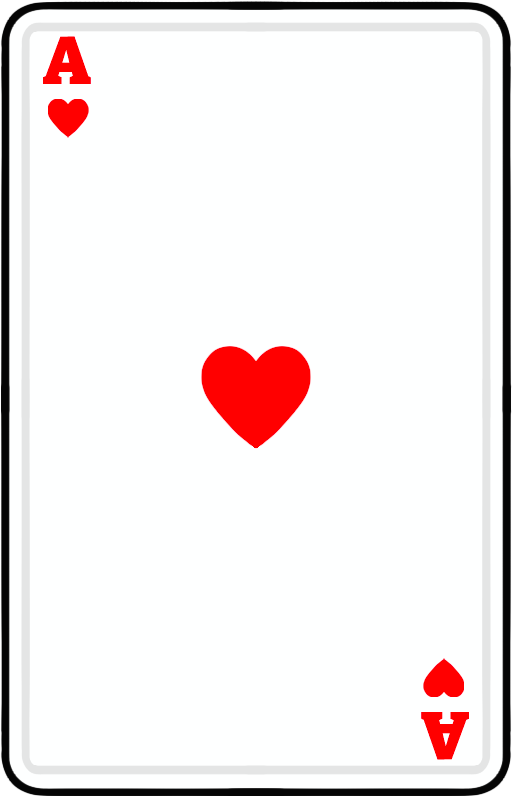
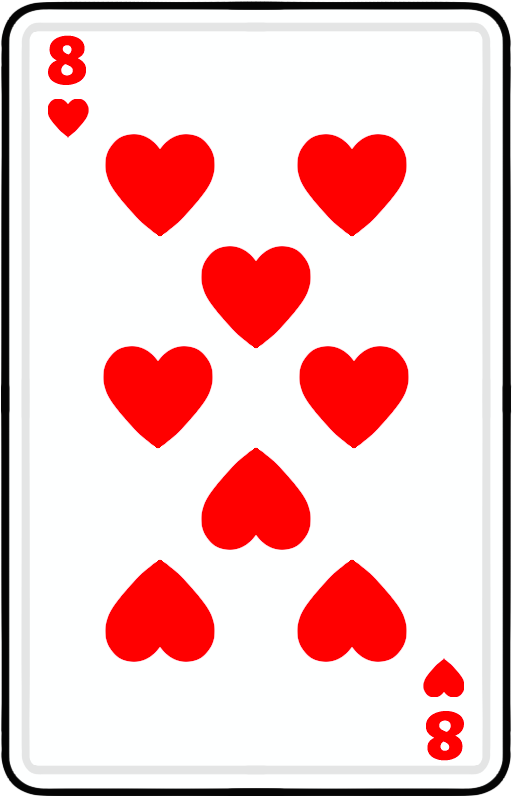
 Stock (24)
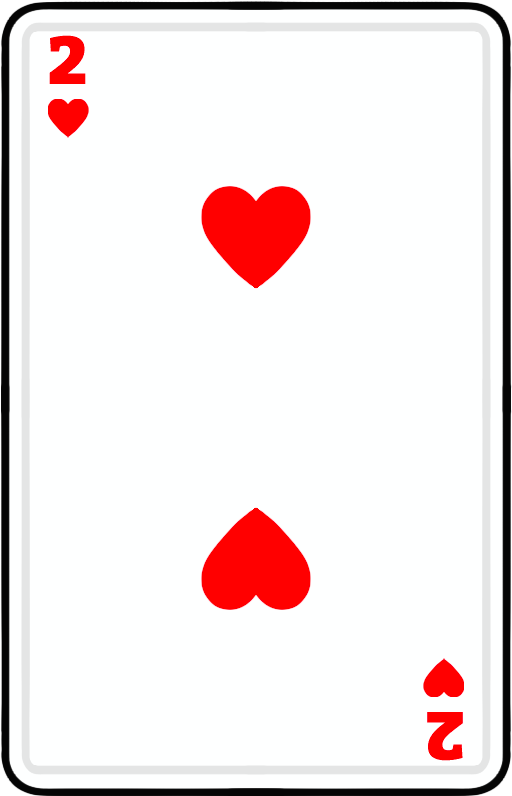
This is exactly how our game dealt the 17 September 2026 daily deal, and you can play it from that page. A card is free when nothing covers it. At the start that means the base row alone; the 6 of hearts at the peak comes free only when all 27 cards below it are gone.
How to Play Pyramid Solitaire
Cards leave the game in three ways: a free King alone, two free cards that make 13, or a free card with the top card of the waste pile.
- Deal the pyramid. Deal 28 cards face up in seven rows, from one card at the peak to seven at the base, each row half covering the row above. Put the other 24 cards face down as the stock.
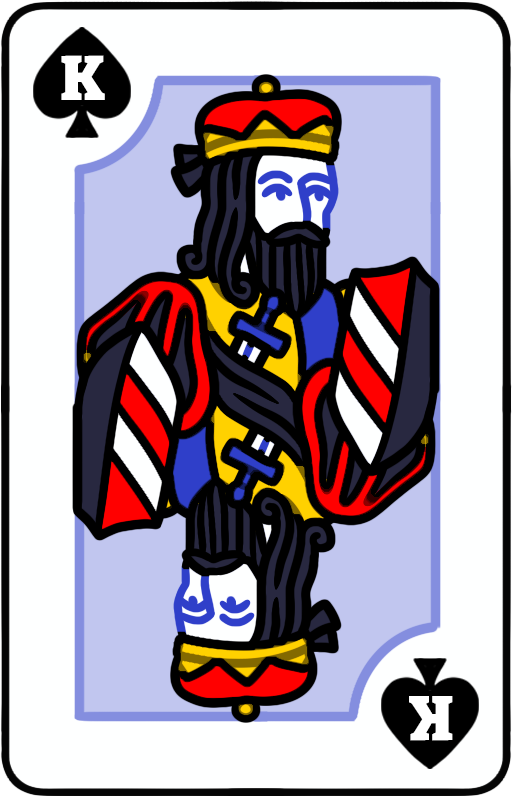
- Remove every free King. A King counts 13 by itself, so you remove it on its own as soon as no card covers it.
- Pair free cards that add up to 13. Queen with Ace, Jack with 2, 10 with 3, 9 with 4, 8 with 5, and 7 with 6. Suit does not matter, and a card is free only when both cards below it are gone.
- Turn the stock one card at a time. Each card goes face up on the waste pile. The top waste card can pair with a free pyramid card, and a King on top of the waste is removed alone.
- Turn the waste over when the stock runs out. The waste becomes the stock again, in the same order. In our game you can do this as often as you like.
- Clear all 28 pyramid cards to win. Cards still in the stock or the waste do not count against you.
The six pairs that make 13
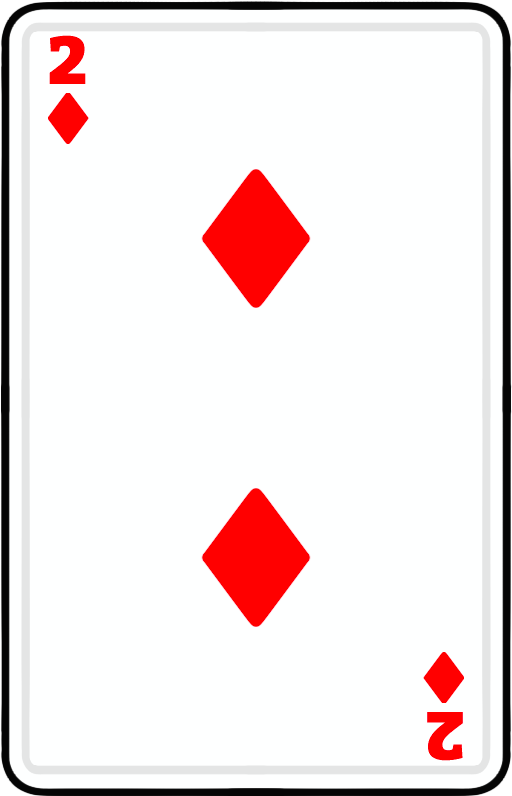
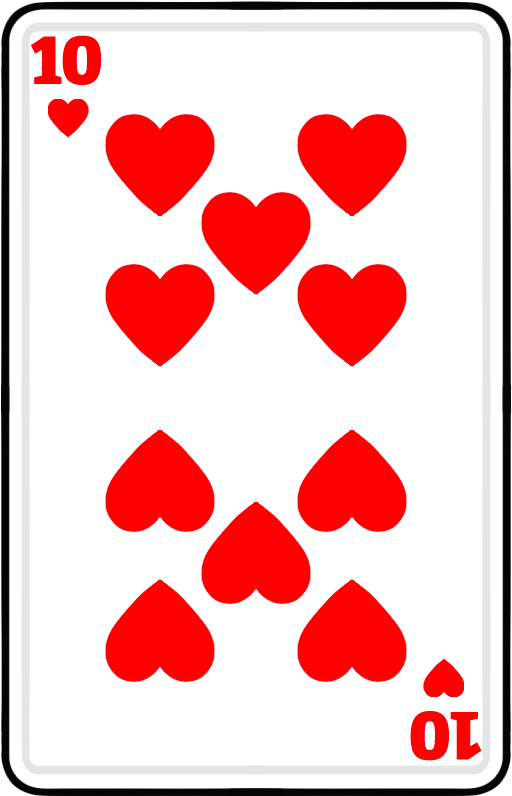
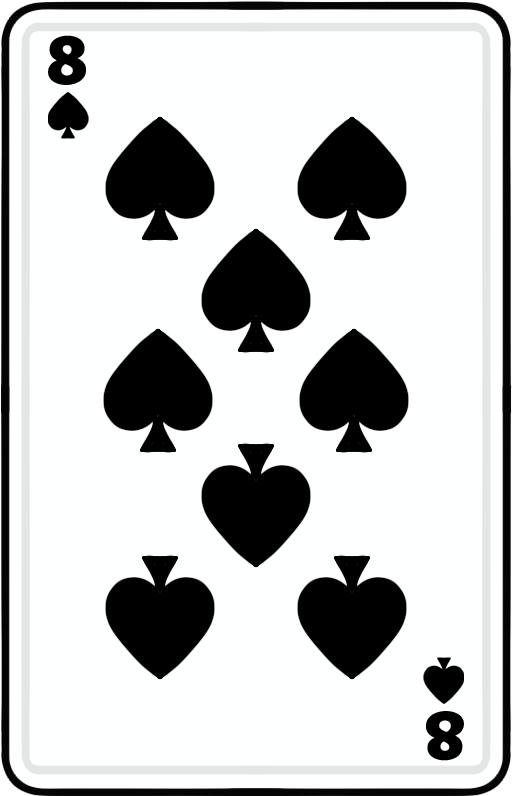
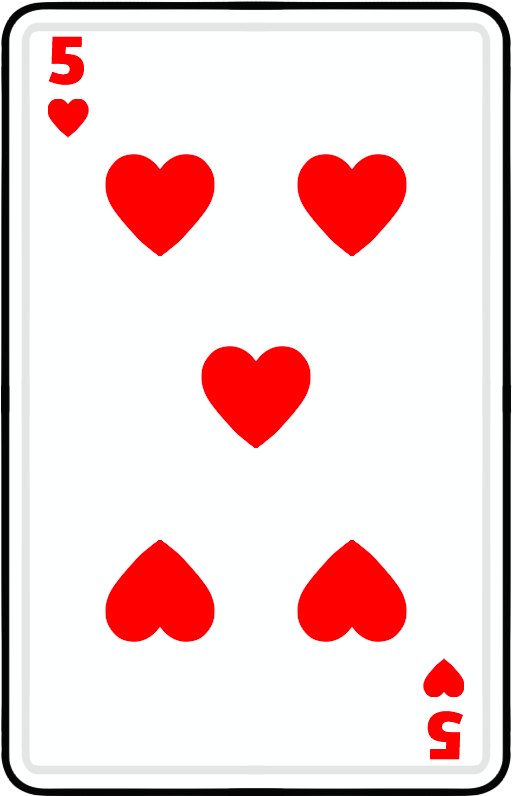
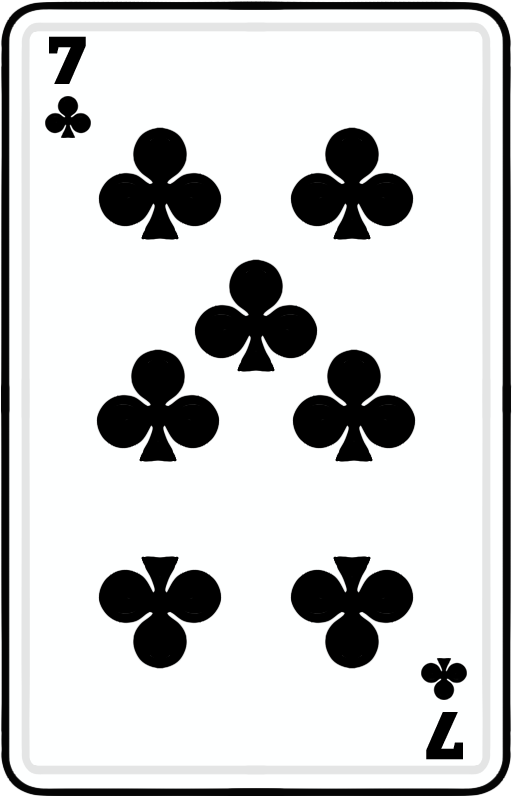
The first four moves of the 17 September deal
On the deal pictured above, four moves clear seven cards without touching the stock:
- Remove the King of spades from the base row.
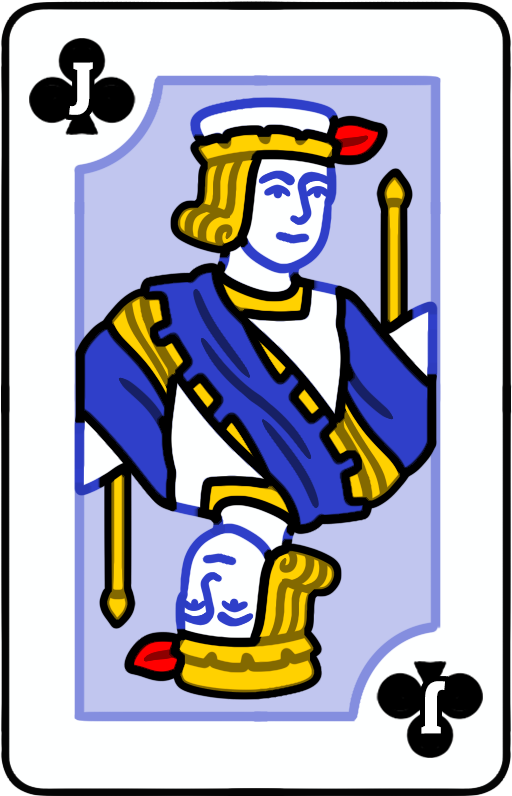
- Pair the 2 of hearts with the Jack of clubs, which sit side by side in the base row.
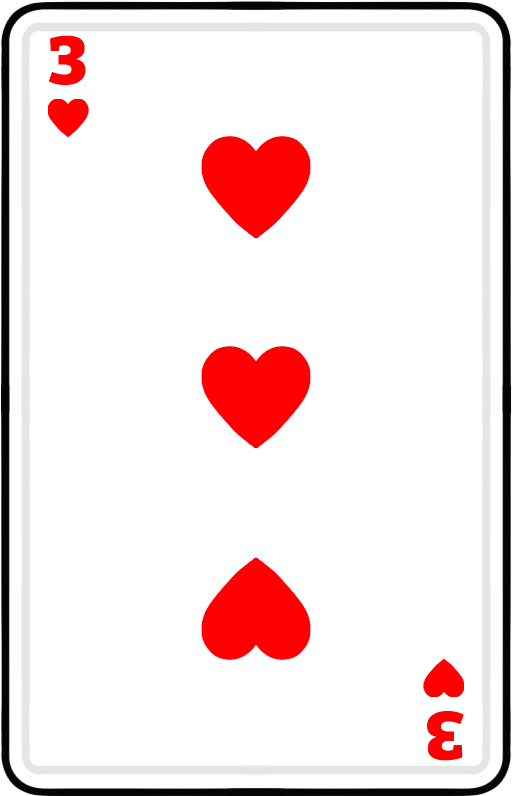
- Pair the 10 of spades, now free in row 6, with the 3 of hearts from the base row.
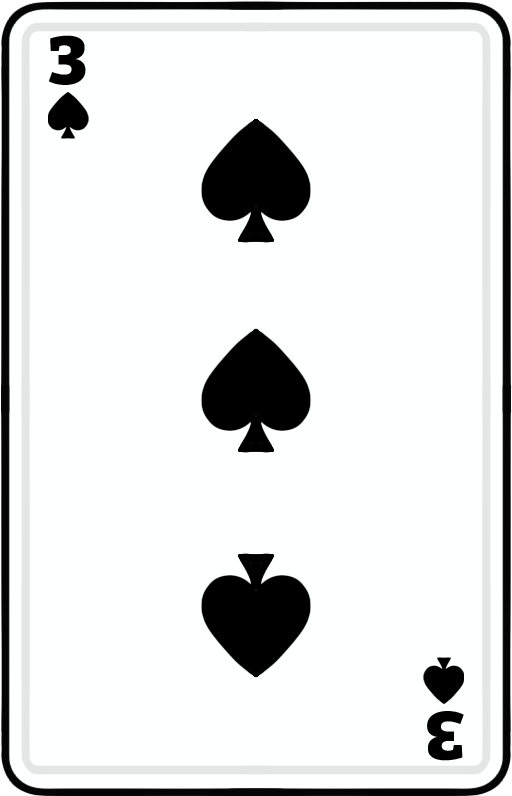
- Pair the 10 of diamonds, also free now, with the 3 of spades.
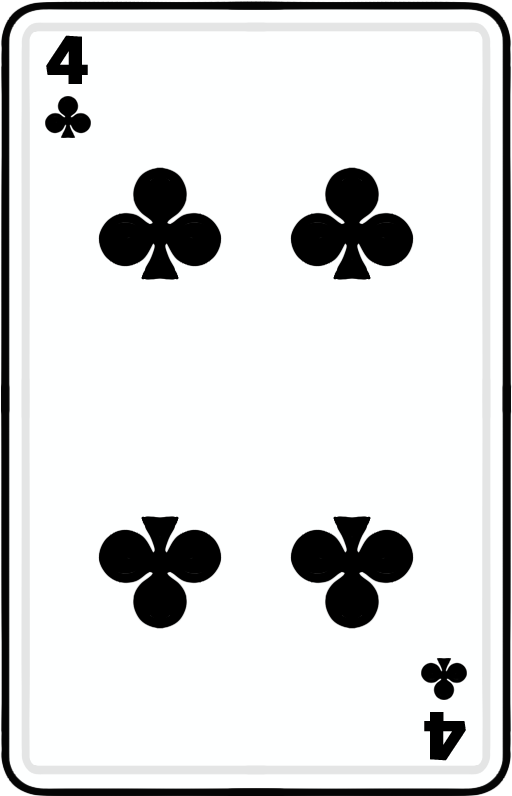
Stock (24)Now the stock has to help. The two Jacks need 2s, the 7 needs a 6, and the 4 needs a 9, and this stock holds three 2s, two 6s, and three 9s. Turn cards until one of them lands on the waste, then pair it.
What ends a game
You win the moment the last pyramid card goes. A deal is lost when no free card can pair with another free card or with any card left in the stock or waste. Rule books differ on how many times you may go through the stock, whether the top waste card can pair with the next stock card, and whether all 52 cards must go; our game allows unlimited passes, no stock-to-waste pairs, and needs only the pyramid cleared.
Pyramid Solitaire Strategy: How to Win More Deals
Pyramid is won by counting. Each pair of ranks has exactly eight cards, four of each, and every pyramid card except a King needs one of them as a partner, so the question on every move is whether you are spending a partner you will need later.
Take every King at once
A free King costs nothing to remove and can only uncover cards, so there is never a reason to wait. The same goes for a King that turns up on the waste.
Check for a card buried under all four partners
Before the first move, look at each card high in the pyramid and find its partner rank. If all four cards of that rank lie in the triangle of cards covering it, which widens down to the base, the deal is lost: each of them has to leave before it can come free. About one deal in ten starts this way. When you see one, start a new deal rather than playing it out.
Count each pair of ranks before you use the stock
When the pyramid holds more than four cards of a pair, some of those pairs have to be made inside the pyramid, because the stock holds only what is left of the eight. The 17 September deal has three 3s and three 10s in the pyramid, so the stock has one of each: at least two 3-and-10 pairs must come from the pyramid itself. The opening above makes exactly those two.
The rule in numbers: before the first move, count the pyramid's cards of both ranks in a pair and subtract four. If the answer is above zero, that is how many of those pairs you must make inside the pyramid. Spend a stock card on one of those ranks early and you may leave a pyramid card with no partner at all.
Pair inside the pyramid before you reach for the stock
Some guides call pyramid-to-pyramid pairs a trap. Under our rules the numbers say the opposite. We tested four ways of choosing pairs on the same 20,000 shuffled deals:
| How pairs were chosen | Deals won | Share |
|---|---|---|
| Perfect play (our solver) | 13,380 | 66.9% |
| Count first: pair inside the pyramid when the stock cannot cover that pair of ranks | 7,412 | 37.1% |
| Always pair inside the pyramid first, use the stock only when no pyramid pair is left | 5,248 | 26.2% |
| Always use a stock card first, pair inside the pyramid only when no stock card fits | 491 | 2.5% |
The three simple strategies removed free Kings first and took the first pair their rule allowed. Reaching for the stock first won one deal in 40; counting won more than one in three. The rest of the gap to perfect play comes from choosing which pair to make first.
Work both sides of the pyramid
Clearing one side leaves a narrow column of cards on the other, each waiting for one exact partner. When two pairs are open, take the one that frees more cards, and keep the rows falling evenly so the cards near the peak come free from both directions.
Take your time with the stock
Our game lets you go through the stock as often as you like, and each pass brings the remaining cards round in the same order, so drawing past a card loses nothing. There is no undo, though: every pair is final. Plan the pair, then click.
Can Every Pyramid Solitaire Deal Be Won?
No. About two deals in three can be won with perfect play under the rules of this game. Our solver, which follows the game's own rules engine, won 66,918 of 100,000 shuffled deals, every win replayed move by move. Solitaire researchers Michael Keller and Mark Masten report 66.87 percent for the same rules over 100 million deals.
Some deals are lost before the first move. In 10,714 of our 100,000 deals, some card had all four of its partners among the cards covering it, and not one of those deals could be won. The daily deal for 7 September 2026 is one of them.
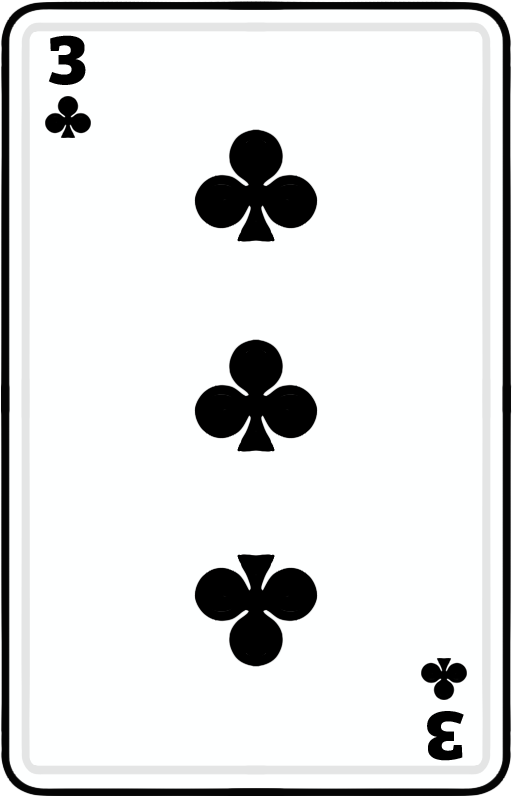
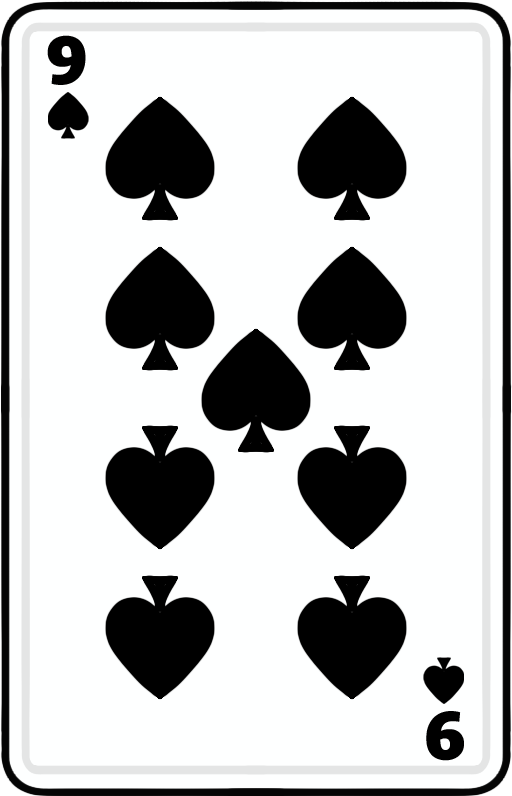
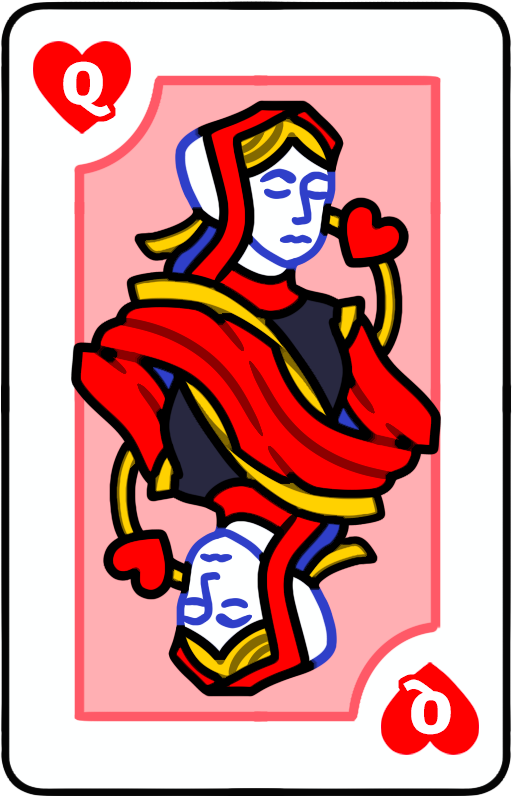
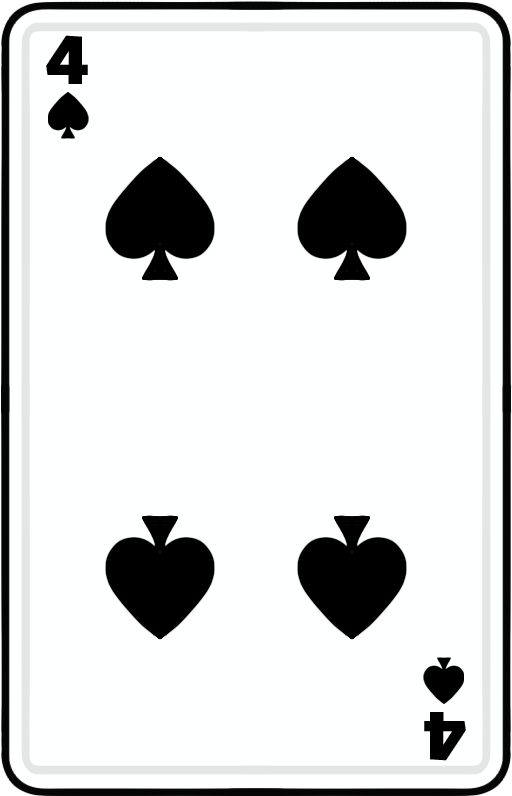
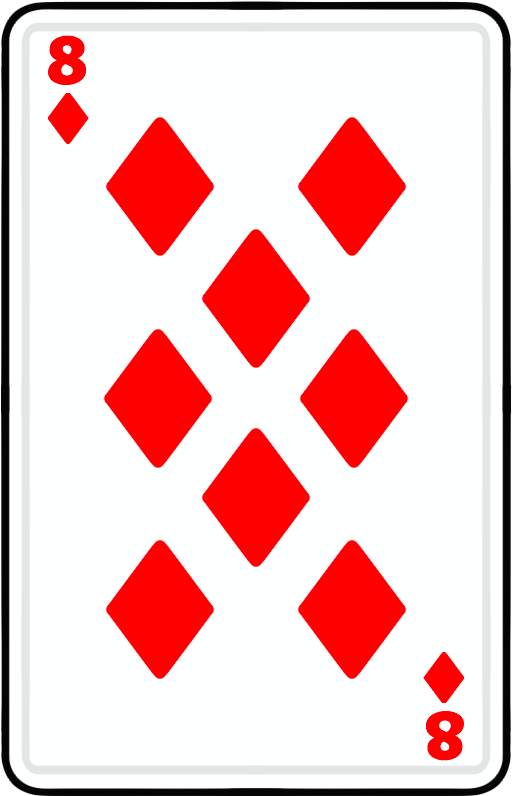
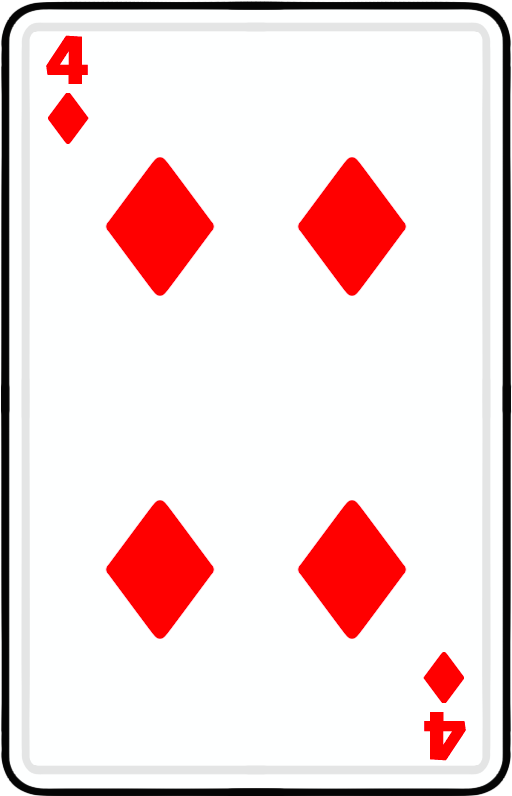
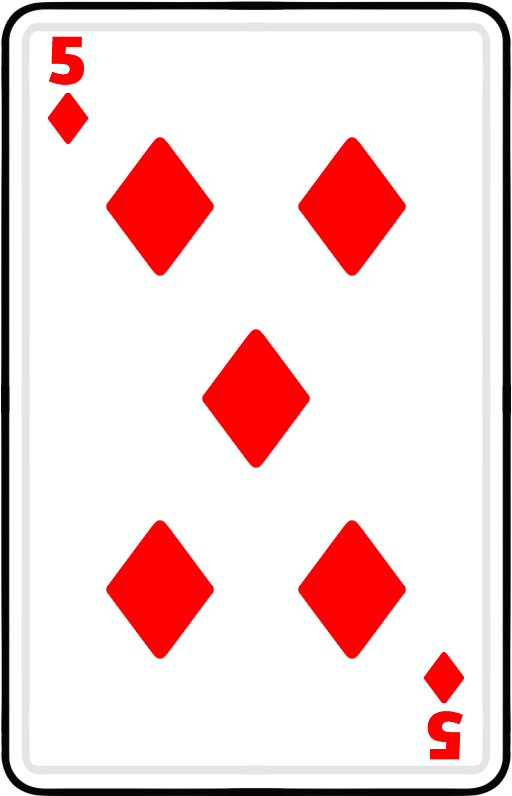
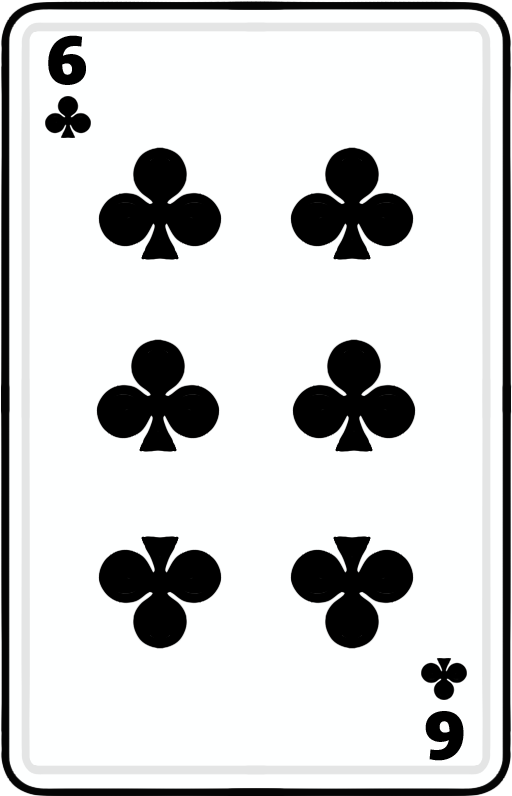
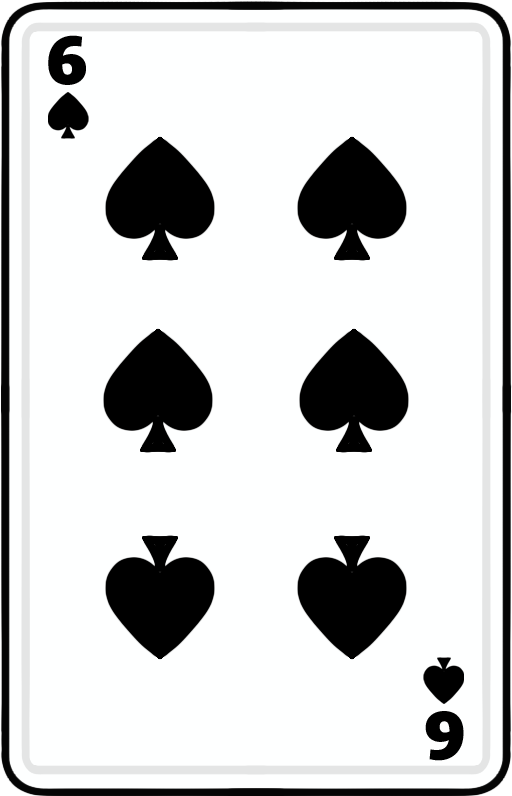
Each of those 10s has to leave before the 3 of clubs comes free, and once they are gone nothing can partner it. These figures are limits of perfect play, not how often people win. Versions that allow only one pass through the stock, or make you clear all 52 cards, lose far more deals.
Pyramid vs Tri-Peaks and Golf
All three clear a layout instead of building suits, but Pyramid pairs cards to 13 while Tri-Peaks and Golf Solitaire play one card at a time onto a pile, a rank above or below the last one.
| Pyramid | Tri-Peaks | Golf | |
|---|---|---|---|
| Layout | 28 cards in 7 rows, all face up | 28 cards in three peaks; only the 10 in the bottom row start face up | 35 cards in 7 columns of 5, all face up |
| A card leaves when | it makes 13 with another free card, or it is a King | it is one rank above or below the waste card; King and Ace connect | it is one rank above or below the top card; nothing goes on a King |
| Stock | 24 cards; turn the waste over as often as you like | 24 cards, one turned up to start; one pass | 17 cards, one turned up to start; one pass |
Pyramid gives you the most to plan with: its layout is face up, like Golf's, and with unlimited passes you can see every stock card before you commit to a pair. For a solitaire that builds suits instead, try Klondike.
Where Pyramid Solitaire Came From
Pyramid is almost certainly an American invention, according to solitaire historian Michael Keller, who traced it through card books of the late 1920s. Dean Bryden's 1927 Fun With Cards may be its first appearance, as Elizabeth's Solitaire, and Johnson and Pope's 1928 30 Games of Solitaire may be the first to call it Pyramid. A 1930 book, Games of Solitaire, called it the Tower of Twenty-Eight and allowed one redeal.
Albert Morehead and Geoffrey Mott-Smith included it in The Complete Book of Solitaire and Patience Games in 1949, with a new version, Par Pyramid: the waste is dealt again twice, and clearing the pyramid scores 50 points on the first pass, 35 on the second, and 20 on the third. After that book, Keller writes, Pyramid became a standard American solitaire.
Microsoft's Entertainment Pack 2, the pack that first brought FreeCell to Windows, carried a Pyramid variant called Tut's Tomb that could deal the stock three cards at a time, and Pyramid is now part of Microsoft Solitaire Collection. Keller also designed Giza, which deals the 24 stock cards face up in eight columns of three so no card is hidden. The Pyramid variants list covers these and more, and the solitaire games hub lists every solitaire on the site.
Pyramid Solitaire FAQ
What are the pyramid rules?
Deal 28 cards face up in a pyramid of seven rows, with the other 24 as the stock. Remove pairs of uncovered cards that add up to 13, counting Aces as 1, Jacks 11 and Queens 12. A King goes alone. Turn stock cards one at a time to find partners, and clear all 28 pyramid cards to win.
Why do you add to 13 in Pyramid Solitaire?
Thirteen is the value of the King, the highest card, so a King makes the total alone and every other rank has exactly one partner rank, from the Queen and Ace to the 7 and 6. Each pair of ranks has eight cards in the deck, four of each, which is why counting them wins games.
What is the best strategy for winning in Pyramid Solitaire?
Count before you pair. Remove every free King at once, check for a card with all four of its partners buried below it, and when the pyramid holds more than four cards of a pair, such as three 3s and three 10s, make the extra pairs inside the pyramid. Save stock cards for pyramid cards that have no partner.
How to layout Pyramid Solitaire?
Deal one card face up at the top, two in the next row, and so on down to seven cards in the bottom row, each row half covering the one above: 28 cards in all. Place the other 24 cards face down beside it as the stock. At the start only the seven bottom cards are free to play.
How many rows are in Pyramid Solitaire?
Seven. The top row holds one card and each row below holds one more, down to seven cards at the base, which makes 28 cards. Every card above the base is partly covered by two cards in the row below, and it becomes free only when both of them have been removed.
Is Pyramid Solitaire always solvable?
No. About one deal in three cannot be won even with perfect play, and about one in ten is lost before the first move because some card has all four of its partners among the cards covering it. A 3 at the peak with every 10 below it can never leave, as in our daily deal for 7 September 2026.
What percentage of Pyramid Solitaire games are winnable?
About 67 percent under the rules played here: unlimited passes through the stock, and only the pyramid has to be cleared. Our solver won 66,918 of 100,000 shuffled deals, and Michael Keller and Mark Masten report 66.87 percent over 100 million. Allow only one pass through the stock and far fewer deals can be won.
How many times can you go through the deck in Pyramid Solitaire?
It depends on the version. The original game allows one pass through the stock, and Par Pyramid and many apps allow three. Our game lets you turn the waste over as often as you like, and every pass deals the cards that are left in the same order as the pass before.
Can you pair a card with the card covering it?
Not in our game. Both cards must be completely uncovered, so a 6 lying under a 7 can only leave with one of the other three 7s. Some versions allow this overlap pair when the covering card is the only one left on top. The rules page lists how versions differ.
Is Pyramid Solitaire free?
Yes. Pyramid Solitaire is free to play here in any browser, with no download and no sign-up. Each New Game shuffles from a seed you can check afterwards, and the daily deal gives every player the same cards for each UTC date, with a leaderboard for that day.
Who invented Pyramid Solitaire?
No inventor is known. Solitaire historian Michael Keller traces the game to American card books of the late 1920s: Dean Bryden printed it as Elizabeth's Solitaire in 1927, and Johnson and Pope called it Pyramid in 1928. Morehead and Mott-Smith made it a standard in their 1949 book of solitaire games.
Play Pyramid Solitaire Free Online
The game at the top of this page runs in any browser with no download. Here is exactly what it does:
- New Game shuffles from a seed committed before the deal, which you can check afterwards (how the shuffle works).
- Clicks: click a free King to remove it, or click two free cards that make 13. With nothing selected, clicking a pyramid card that makes 13 with the top waste card removes the two at once; to pair that card with another pyramid card instead, click the other card first.
- Stock: click to turn one card; when it is empty, click again to turn the waste over, as many times as you like.
- No undo and no hints: every pair is final.
- Score: 20 points for each pair and 10 for each King. Every draw counts as a move.
- Game over: the game ends when you clear the pyramid, or when the stock and waste are both empty with no pair left. A stuck deal with cards in the stock never ends by itself, so if a full pass turns up no pair, start a New Game.
- Challenge a Friend at the end of a game sends a friend the same deal.
For a fresh deal every day, the daily Pyramid challenge deals everyone the same cards for each UTC date and ranks the winners on a leaderboard. Past dates can be played from the same page.