

What Is Gin Rummy?
Gin rummy is a card game for two players with a standard 52-card deck. Each player holds ten cards and draws and discards to build them into melds: sets of one rank and runs in one suit. When the unmatched cards left in your hand add up to 10 points or less, you can knock to end the hand, and the lower count scores. You can play gin rummy online free right here against the computer.
Unmatched cards are called deadwood, and the whole game is a race to shrink it. Meld all ten and you go gin for a 25-point bonus. Knock with too high a count and your opponent can undercut you. A full game usually runs to 100 points over several hands.
| Players | 2 |
|---|---|
| Deck | 52 cards, no jokers |
| Cards dealt | 10 each; 1 turned up; 31 in the stock |
| Knock | 10 or less deadwood after your discard |
| Gin bonus | 25 (20 in older and British rules) |
| Undercut bonus | 25 (10 or 20 in other rule sets) |
| Game | Usually first to 100 points |
How to Play Gin Rummy with 2 Players
A hand of gin rummy runs in seven steps. After the first cut, steps 2 to 7 repeat until one player reaches 100.
- Cut for the deal. Each player cuts the pack, and in most rule books the lower card deals.
- Deal ten cards each. Deal one at a time, starting with the non-dealer. Turn the 21st card face up to start the discard pile; the other 31 cards form the stock.
- Draw, then discard. On every turn, the first included, take the top card of the discard pile or the stock, then discard one card face up. You may not throw back a card you just took from the discard pile.
- Build melds. A set is three or four cards of one rank. A run is three or more cards in sequence in one suit. Everything else is deadwood.
- Knock or go gin. Once your deadwood after discarding is 10 or less, discard face down and spread your hand. With no deadwood at all, you have gin.
- Lay off and score. Your opponent spreads their melds and, unless you went gin, adds loose cards to yours. The lower deadwood total wins the hand.
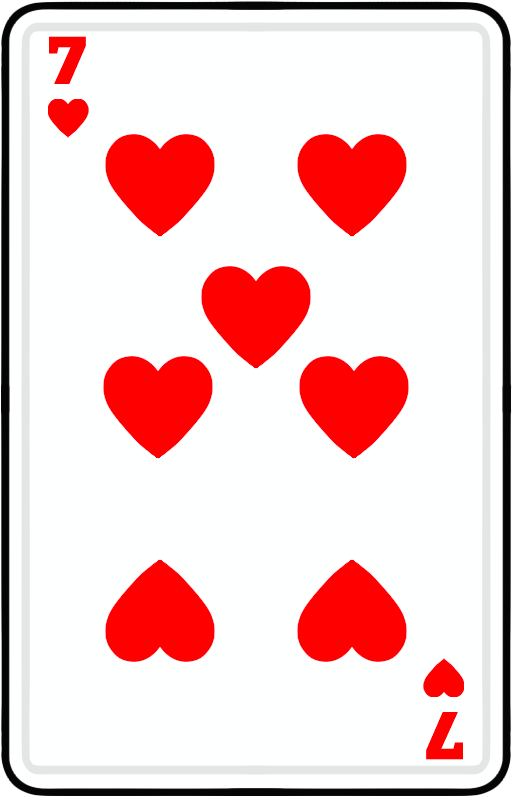
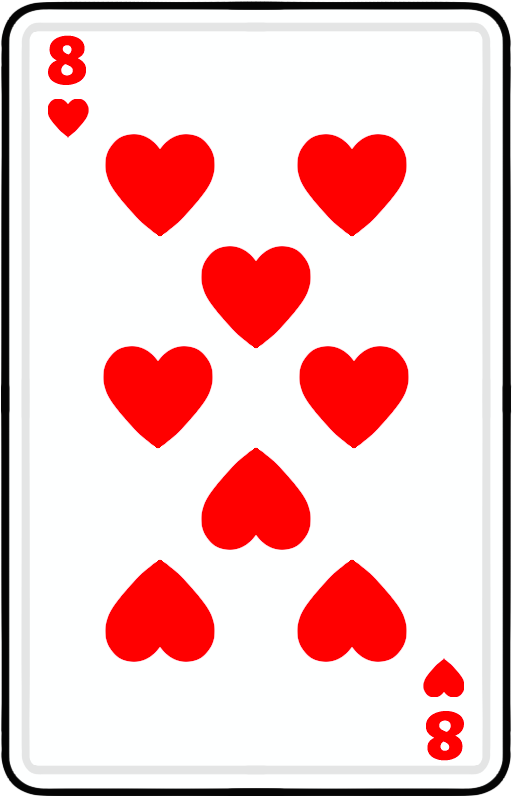
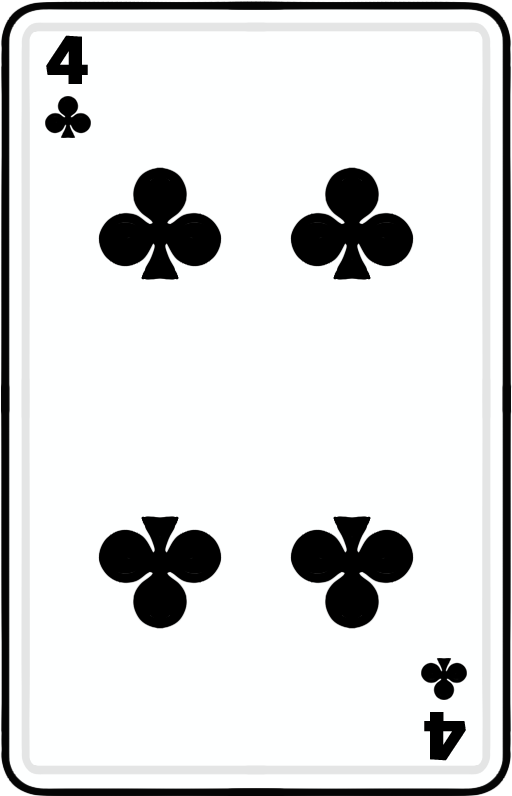
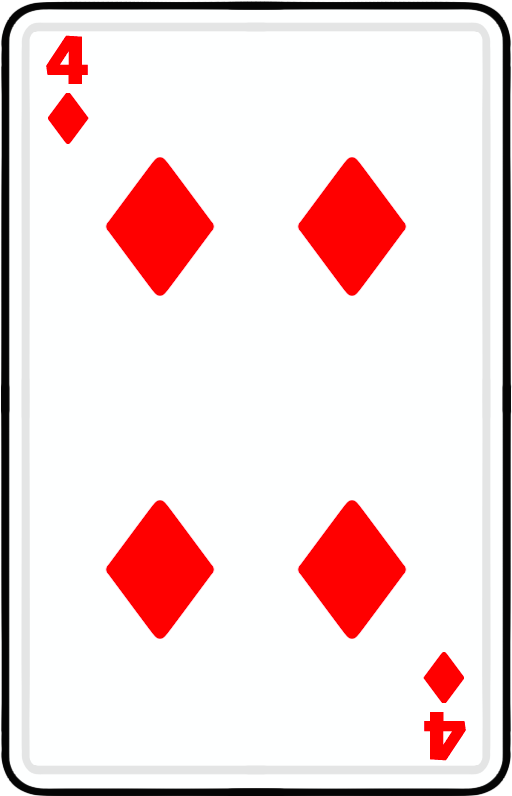
In our game the computer always deals, so you take the first turn, and you simply draw from the stock or take the upcard: there is no pass on the first upcard. Each game is a single hand. The game arranges your melds and your opponent's layoffs for the lowest count, then shows both deadwood totals and the points. The full gin rummy rules cover the rest, from the first upcard to what happens when the stock runs out.
Melds and Deadwood
Deadwood is every card that is not part of a meld, counted at face value: Ace 1, 2 to 10 at their number, and Jack, Queen, and King 10 each. The Ace is always low, so A-2-3 is a run and Q-K-A is not.
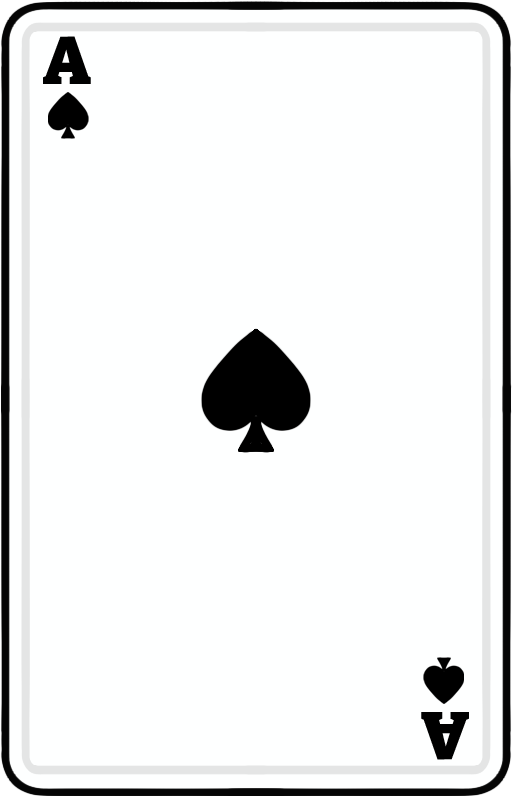 Ace1
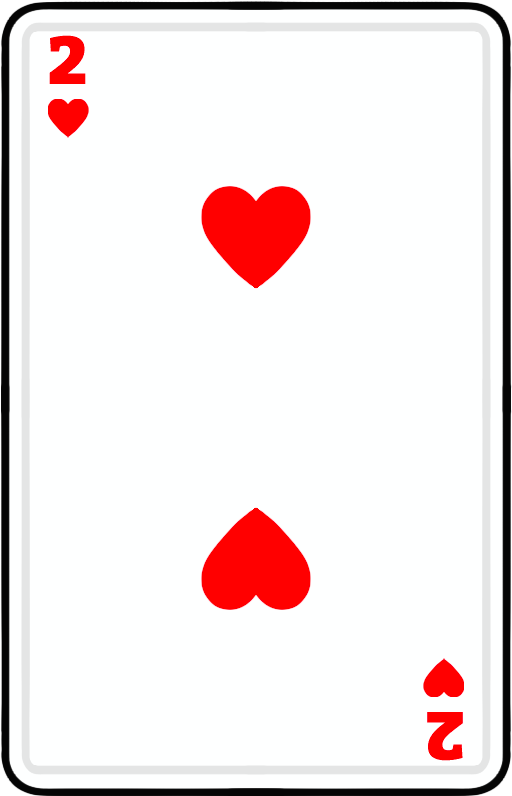
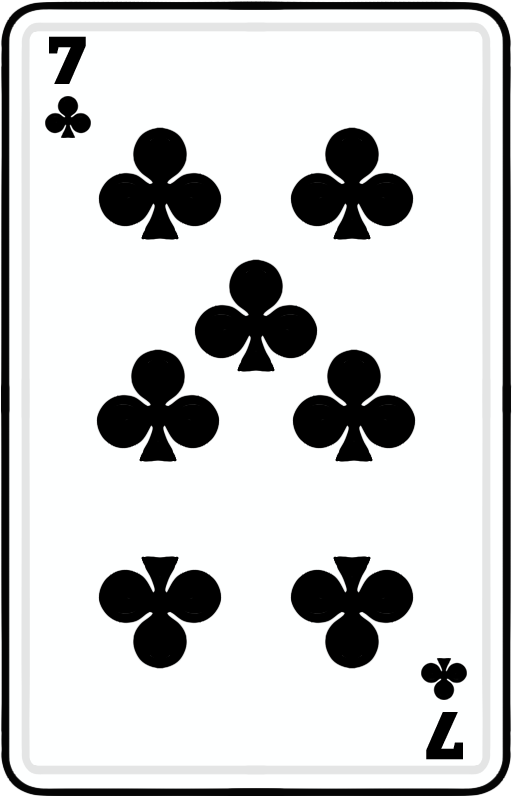
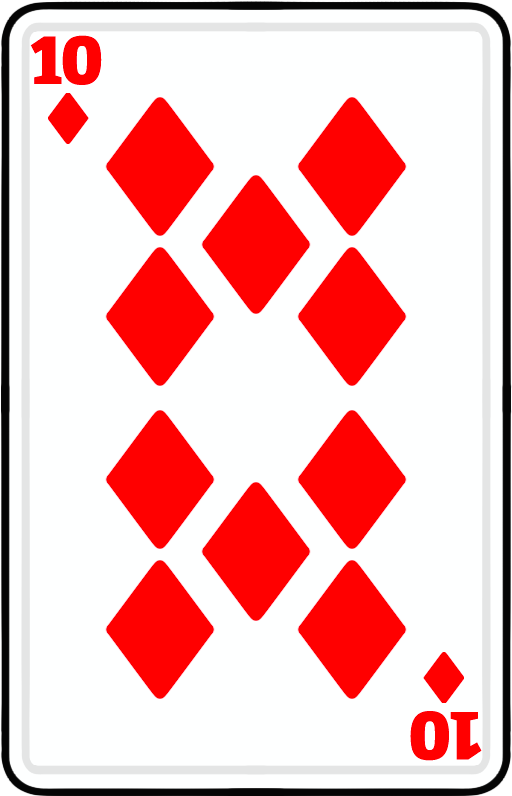 2 to 10Face value
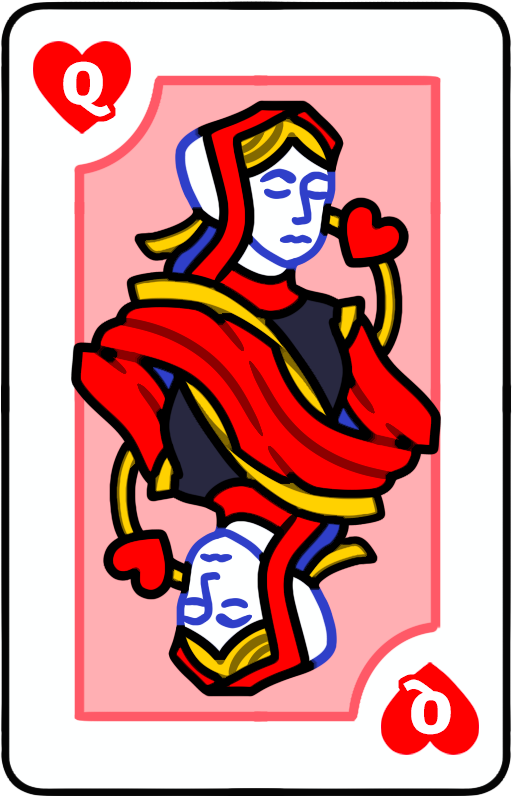
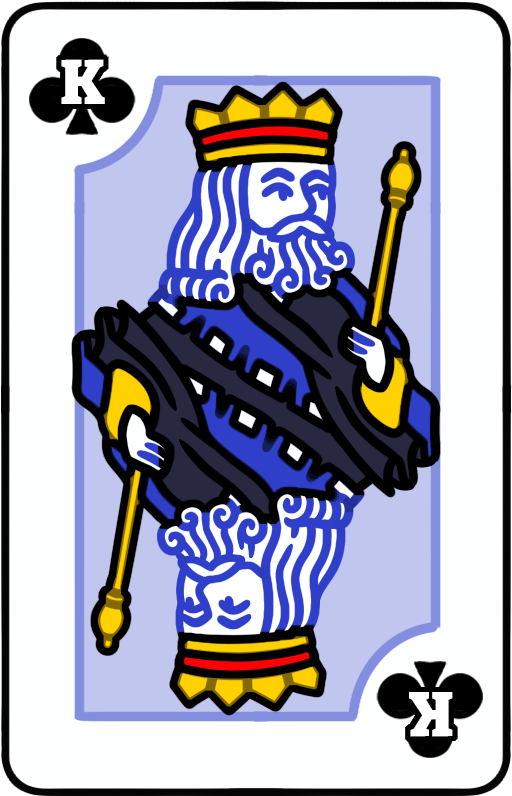 Jack, Queen, King10 each
A card can sit in one meld only, so the same ten cards can leave very different counts. Hold the Ace, 2, and 3 of clubs, the 3 of hearts and 3 of spades, the 5-6-7-8 of diamonds, and the King of hearts. Use the 3 of clubs in a run and the 3 of hearts, 3 of spades, and King are left over: 16. Put it in a set of three 3s instead and only the Ace, 2, and King remain: 13.
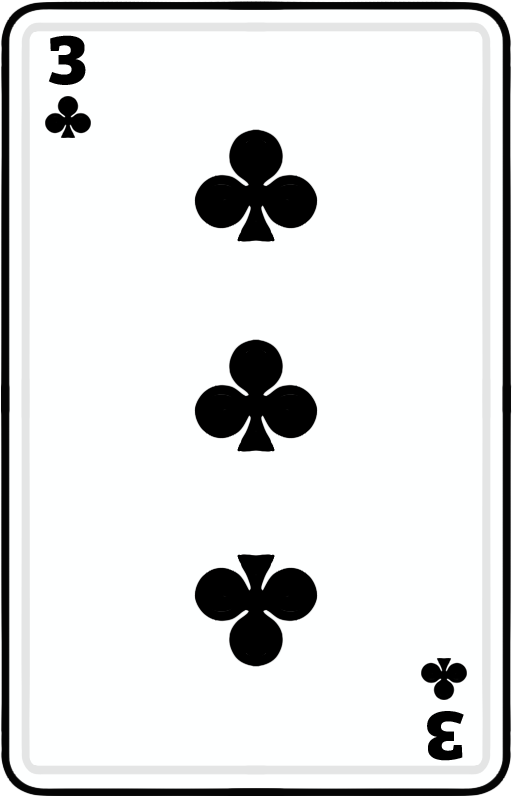
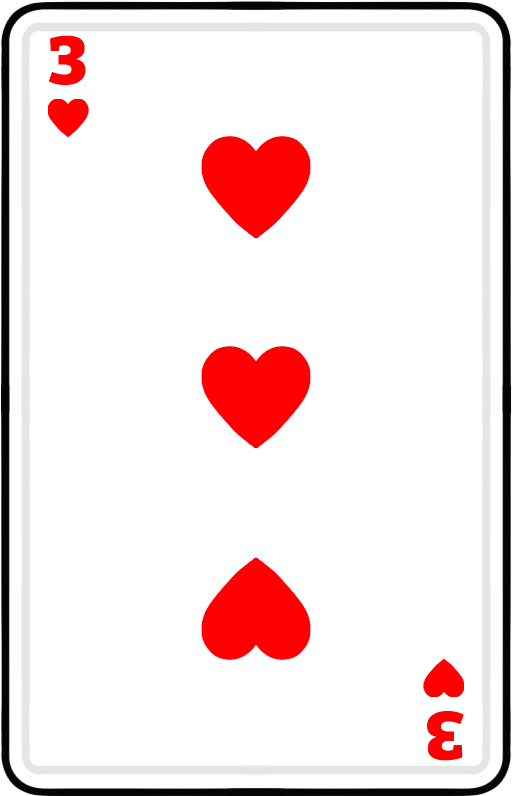
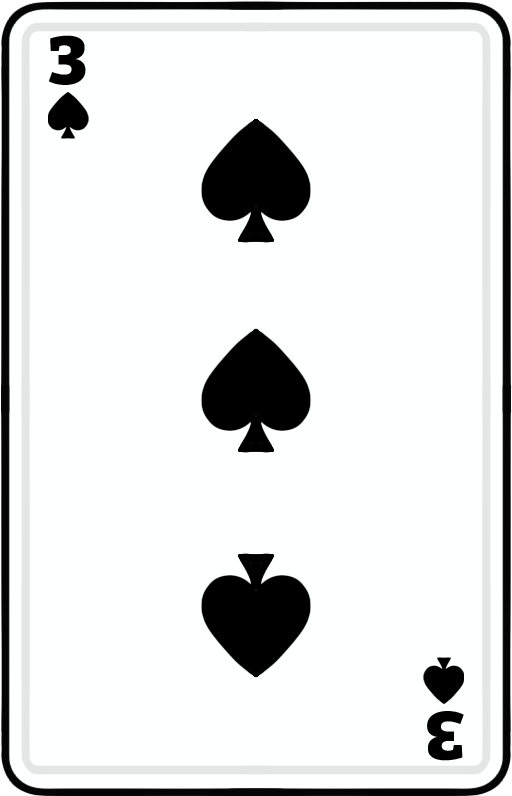
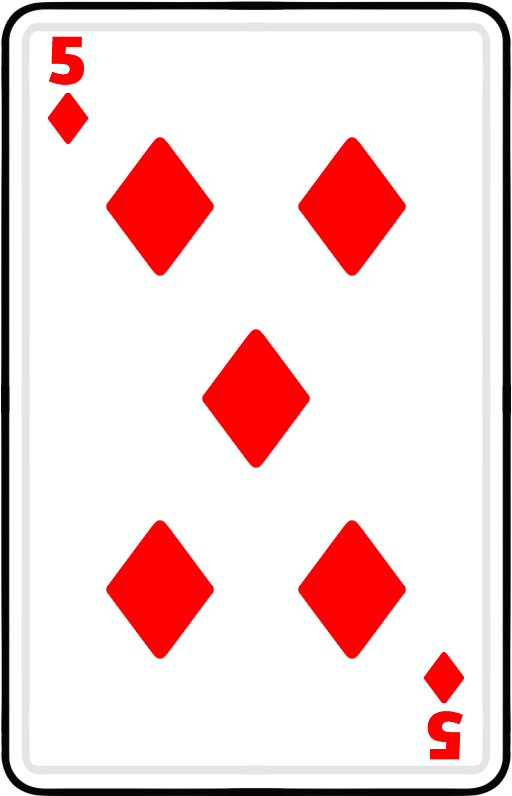
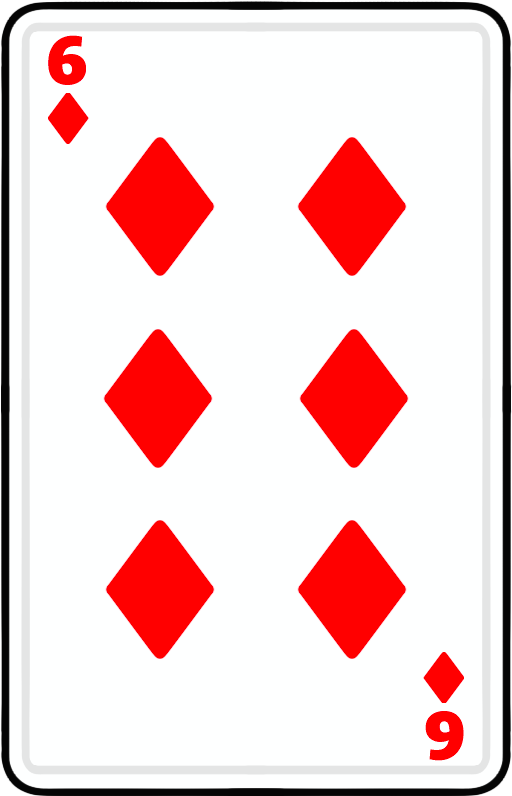
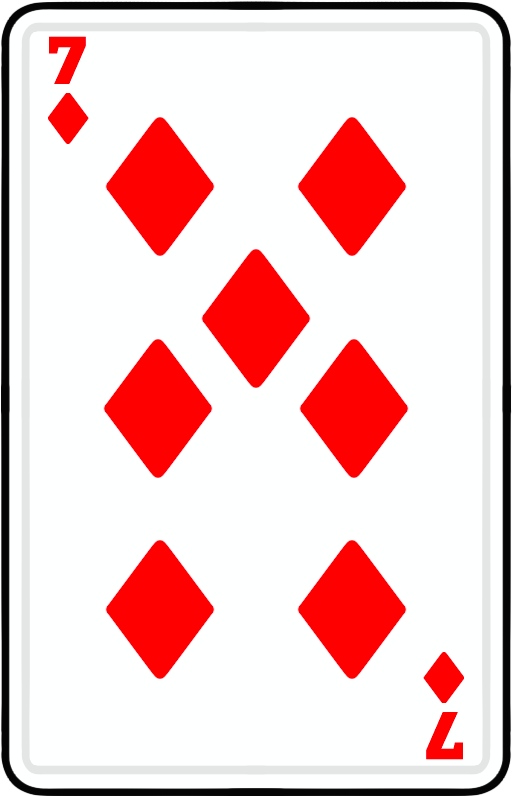
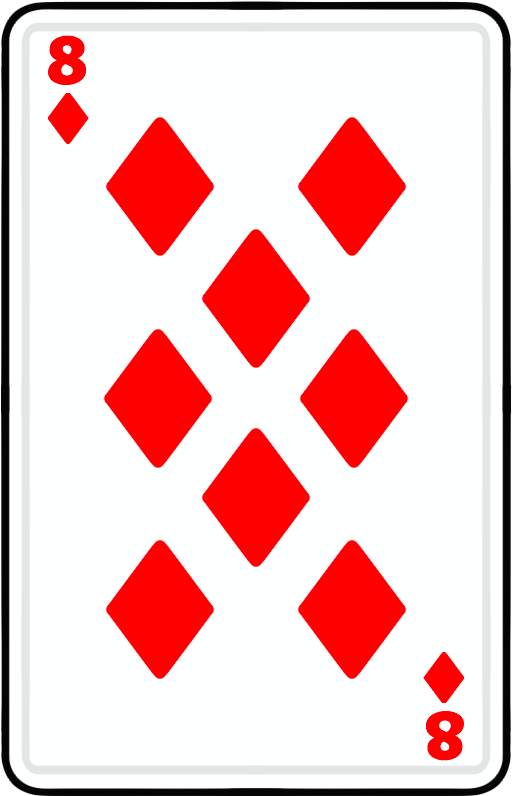
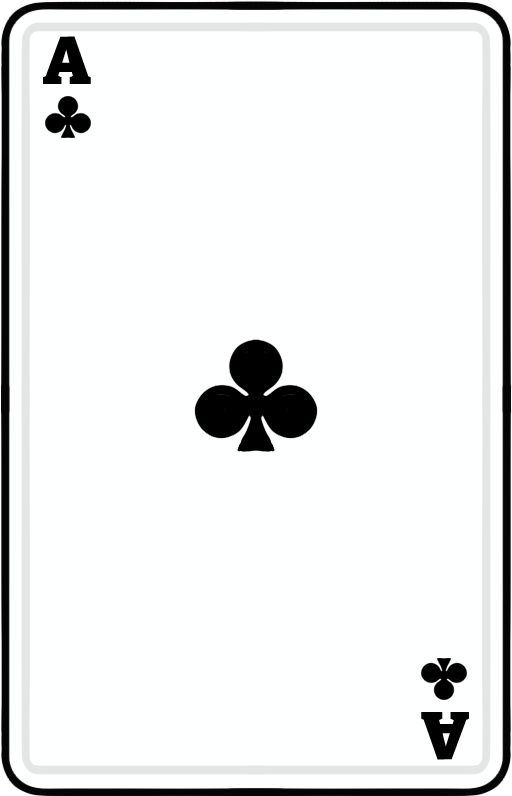
Your melds stay in your hand until someone knocks, so you can rearrange them on any turn.
Knocking, Gin, and Big Gin
You knock by discarding face down and laying out your hand, split into melds and deadwood. The limit of 10 applies to the ten cards you keep, and you can knock as early as your first turn.
After a knock, your opponent spreads their own melds and lays off: they add their loose cards to your melds, a fourth card to a set of three or the next card at either end of a run. Every card laid off comes out of their count.
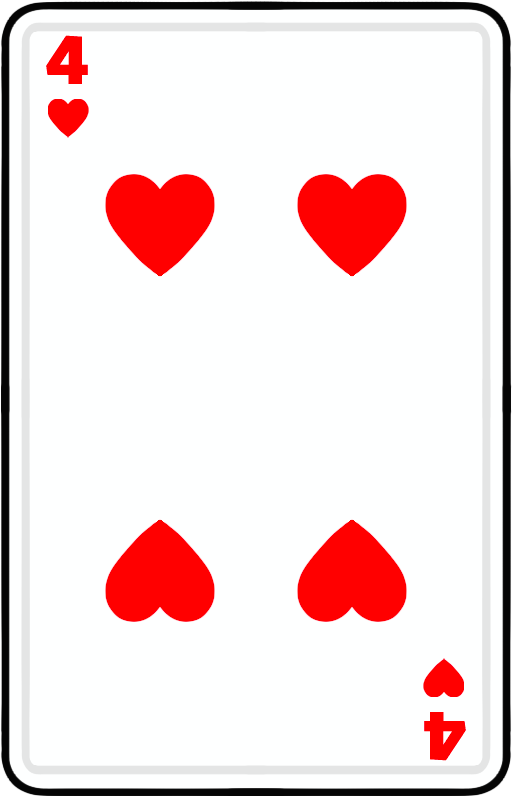
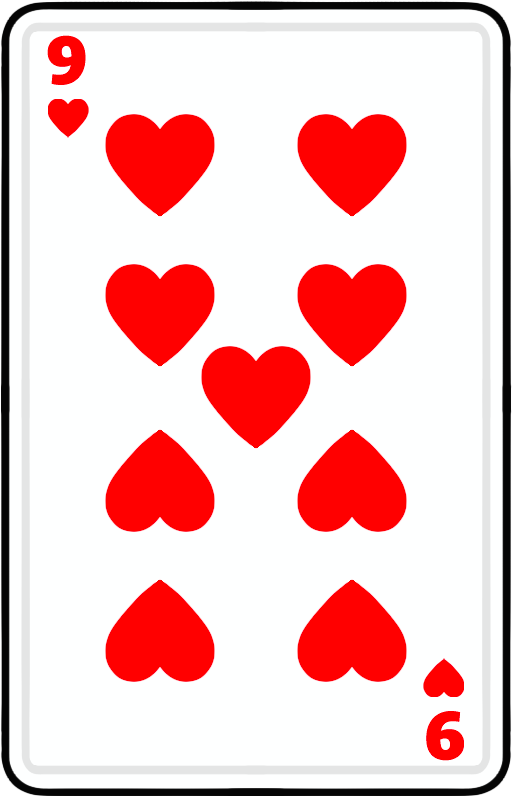
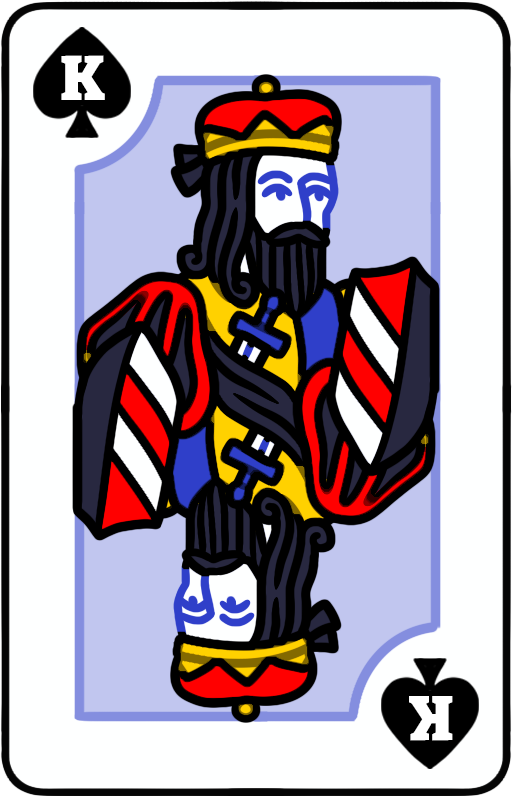
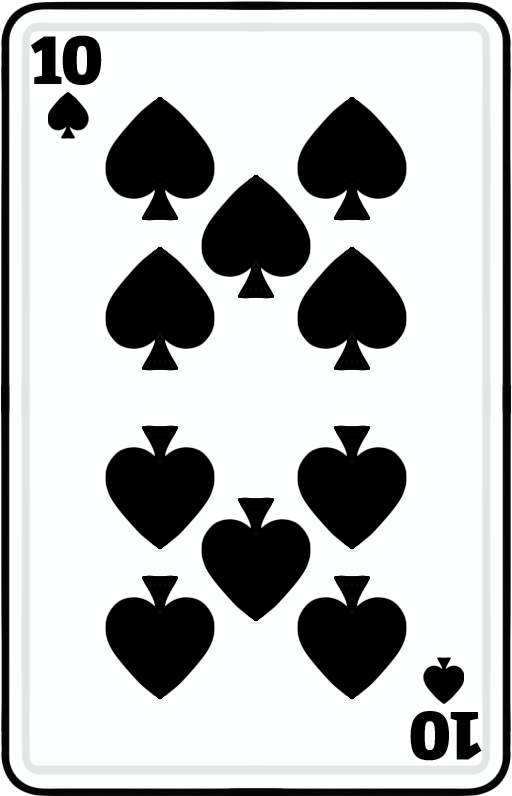
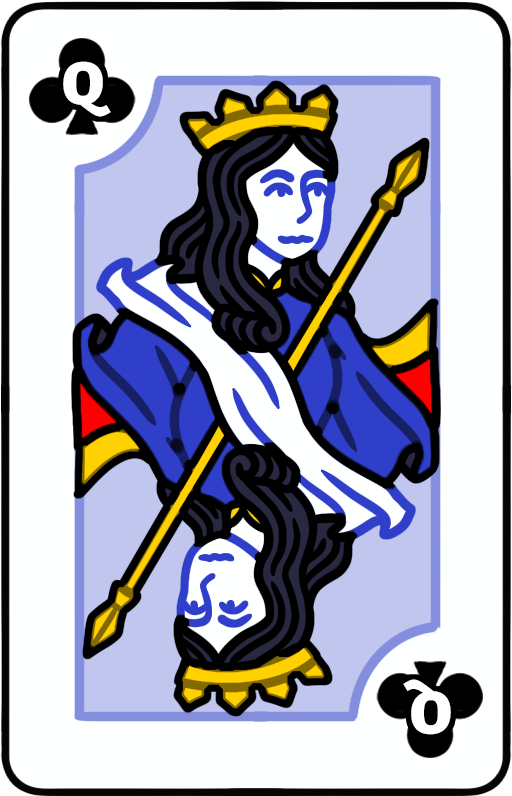
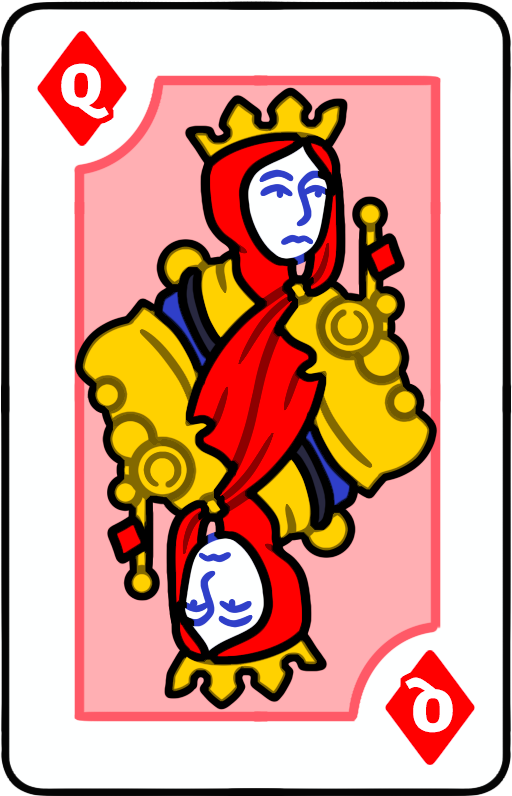
Meld all ten cards and you go gin. Your opponent cannot lay off, you cannot be undercut, and you score their full deadwood plus 25. If the card you draw lets all eleven cards meld, you do not discard at all: that is big gin, worth their deadwood plus 31.
Gin Rummy Scoring
Points in gin rummy come from deadwood and bonuses. Melds score nothing themselves; they keep cards out of your count.
| Result | Who scores | Points in our game | Other common values |
|---|---|---|---|
| Knock, and the knocker's count is lower | Knocker | The difference | The same |
| Undercut: defender's count equal or lower | Defender | The difference + 25 | + 10 or + 20 |
| Gin | Knocker | Defender's deadwood + 25 | + 20 |
| Big gin (all 11 cards melded) | Player with big gin | Defender's deadwood + 31 | + 50, or not played |
| Stock down to 2 cards, nobody knocked | Nobody | 0, the hand is void | The same |
Say you knock with 8 after throwing an Ace, and your opponent lays the 10 of hearts on your 7-8-9 of hearts and is left holding 6: the 2 and 3 of diamonds and the Ace of clubs. Their 6 beats your 8, so they score the 2-point difference plus 25, for 27. A tie is an undercut too: 8 against 8 scores the defender 25.
In a full game, hand scores add up until one player reaches 100. The winner then takes a game bonus of 100, and each player adds a box bonus, also called a line bonus, for every hand they won, worth 20 or 25 points depending on the rule book. Box points do not count toward the 100. In a shutout, where the loser never scores, some rule books double the game bonus and others double every hand's points.
The 25-point gin and undercut bonuses are the North American standard; British and older rule books pay 20 for gin and 10 for an undercut, which makes a thin knock far less risky. Our game scores one hand at a time, so the game, box, and shutout bonuses do not apply here.
Gin Rummy vs Rummy
Gin rummy is a two-player member of the rummy family in which your melds stay hidden until someone knocks. In basic rummy, players lay melds on the table as they go and win a hand by getting rid of every card.
| Rule | Gin rummy | Rummy |
|---|---|---|
| Players | 2 | 2 to 6 |
| Cards dealt | 10 each | 10 each for two players, 7 for three or four, 6 for five or six |
| Melding | Melds stay in your hand until the knock | Melds go face up on the table during play |
| Laying off | Only the defender, only after a knock | Anyone, on any meld on the table |
| Ending a hand | Knock with 10 or less, or go gin | Go out by getting rid of every card |
| Scoring | Deadwood difference plus bonuses | The winner scores every card left in the other hands |
| Stock runs out | Hand is void at 2 cards | Turn the discard pile over and keep playing |
Rummy works better for three or more players, and we host both.
Gin Rummy Strategy
Knock early. The classic strategy books agree on it, and one puts the line at fewer than ten cards discarded. In 10,000-game computer matches played to 25-point bonuses, the strongest programs knocked around their ninth turn on average.
Play for gin later in the hand, when you have gin chances: the number of unseen cards that would give you gin at once. With the 2-3-4 of hearts, three 2s, the J-Q-K of spades, and a loose 8, you have three: the Ace or 5 of hearts, or the 10 of spades.
Take the upcard only when it completes a meld. Every card you pick up from the discard pile tells your opponent what you are collecting, and a card from the stock tells them nothing.
Throw unmatched Kings first when you know nothing about your opponent's hand. A King fits only one run, J-Q-K, while a 7 fits three: 5-6-7, 6-7-8, and 7-8-9. Computer analysis ranks the King the safest blind discard and the Queen next.
Late in the hand, a knock at 10 invites an undercut, because your opponent has had time to shed their high cards. Against a player who knocks at the first chance, keep your own count low and wait for the undercut. Our computer currently knocks as soon as it can. The gin rummy strategy guide covers discard reading, safe discards, and knock timing in more depth.
Gin Rummy for 3 or 4 Players
Gin rummy is built for two, and larger groups take turns at the two-player game.
- Three players: the dealer deals to the other two and sits the hand out. The loser of each hand deals the next, which the winner plays against the last dealer.
- Four players: two teams of two. Each player plays a separate two-handed game against one opponent, switching opponents each hand. If both teammates win, the team scores both results; if the hands split, the team with more points scores the difference. The first team to 125 wins.
Oklahoma gin changes the knock limit every hand: the first upcard sets it, so a 7 means you knock with 7 or less, and a spade upcard doubles the hand. Hollywood scoring runs three games at once on one score sheet. The rules for three and four players and other ways to play are on the rules page. Our game plays the standard two-player version, one hand at a time. For another two-player classic against the computer, try Cribbage.
Where Gin Rummy Came From
Gin rummy is usually credited to Elwood T. Baker, a New York whist teacher, around 1909, and his son is said to have named it gin as a play on rum. Some accounts say 1911, and the story rests on accounts written decades later. The game grew out of Conquian, a two-player Mexican-American game in print by 1897, and early Rum, and rule books from 1913 and 1926 still called it Gin Poker or Poker Gin.
The film and radio crowd took it up around 1940, and it was the leading fad game in the United States from 1941 to 1946. The official laws published in 1942 included Hollywood scoring, and a card makers' survey in 1947 found that as many Americans had learned gin during World War II as had learned pinochle, cribbage, poker, and bridge combined. The history of gin rummy tells the full story.
Frequently Asked Questions
What are the basic rules of Gin Rummy?
Two players each get ten cards. On each turn you draw from the stock or the discard pile, then discard, trying to form sets and runs. When your unmatched cards total 10 or less, you can knock. The lower deadwood count scores the difference, and gin, with no deadwood, earns a 25-point bonus.
How do you play Gin Rummy with 2 players?
Gin rummy is a two-player game. Deal ten cards each, turn up one card, and stack the other 31 as the stock. Then take turns drawing from the stock or the discard pile and discarding, until one player knocks. Traditional games run to 100 points over several hands; each game here is a single hand.
Is Gin Rummy 7 or 10 cards?
Gin rummy is always ten cards each, with one card turned up and 31 left in the stock. Seven cards comes from basic rummy, which deals 10 each to two players, 7 each to three or four, and 6 each to five or six. A seven-card deal means you are playing rummy, not gin.
How to play Gin Rummy with 4 people?
Play as two teams of two. Each player plays an ordinary two-handed game against one member of the other team, and you switch opponents after each hand. When both teammates win, the team scores both results; when the hands split, the team with more points scores the difference. The first team to 125 wins.
What's the difference between Gin Rummy and Rummy?
Gin rummy is for two players, and your melds stay hidden in your hand until someone knocks with 10 or less. In basic rummy, two to six players lay melds on the table as they go, anyone can add to them, and you win a hand by getting rid of every card.
Are gin and Gin Rummy the same game?
Yes. Gin is the everyday name for gin rummy, and the rule books of 1913 and 1926 called it Gin Poker or Poker Gin. Watch for one mix-up: some players use the name gin rummy for 500 Rum, which is a different game with its own rules and scoring.
How does the scoring work in Gin Rummy?
After a knock, both players count their deadwood. If the knocker is lower, they score the difference. If the defender ties or is lower, that is an undercut: they score the difference plus 25. Gin scores the defender's deadwood plus 25, and big gin, with all eleven cards melded, scores it plus 31.
What is the best strategy to win at Gin Rummy?
Knock early in the hand, because the longer you wait, the more time your opponent has to cut their deadwood and undercut you. Take the upcard only when it makes a meld, throw high cards like Kings first, and play for gin late in the hand when several unseen cards would complete it.
Play Gin Rummy Online Free
Play free in your browser against the computer, one hand at a time, with every meld and layoff worked out for you. Try the daily gin rummy challenge to play the same deal as everyone else and see where you land on the leaderboard, or browse every card game we host.