

Which Go Fish Are You Looking For?
Go Fish has no governing body. It is learned from a parent or a teacher rather than a rulebook, and it ships in dozens of novelty decks with their own rule cards. Published rule sets contradict each other on the deal, on what counts as a book, and on when the game ends, and almost none of them mentions that the disagreement exists.
We deal the standard game: four of a kind makes a book, you must hold a rank to ask for it, and the player with the most books wins once all 13 are made. If a rule below does not match what you remember, the section that names the alternatives will usually explain why.
Two other versions are common enough to name. The pairs version, where two matching cards make a set, comes from early-childhood teaching material and is deliberately simplified for young children. The classroom version often uses a novelty deck of identical pairs rather than a 52-card pack.
How Many Cards Do You Deal?
Seven cards each with two players, five each with three to six. That is our deal, and it is where the most common Go Fish question comes from: people are told seven, then find a source that says five, and both are right for different player counts.
| Players | Our deal | Where sources stand |
|---|---|---|
| 2 players | 7 cards each | Every source agrees on seven. |
| 3 players | 5 cards each | The one real disagreement. Some rule sets deal 7, one deals 6. |
| 4 players | 5 cards each | Every source agrees on five. |
| 5 players | 5 cards each | Every source agrees on five. |
| 6 players | 5 cards each | Every source agrees on five. |
Only the three-player deal is genuinely contested. We deal five, which follows the reference rule sources. The American mainstream deals seven there instead, and at least one popular site deals six. None of the three breaks the game, so if your family deals seven to three players, keep doing that. Whatever the count, the rest of the deck goes face down in the middle as the pond.
How to Play Go Fish
- Deal the cards. Two players take 7 cards each. Three to six players take 5 each. The rest of the 52-card deck becomes the fishing pond in the middle.
- Ask for a rank you already hold. On your turn, name any player and ask for a rank. You must already hold at least one card of that rank yourself, which is the rule that makes the game work.
- Collect every match. If they have any, they hand over every one of them rather than a single card. You then take another turn and may ask anyone for anything you hold.
- Go fish when they say so. If they have none, they say "Go fish" and you draw one card from the pond. Draw the rank you just asked for and you take another turn.
- Lay down books of four. Collect all four cards of a rank and put the book face up in front of you. There are 13 books in the deck.
- Win with the most books. Play continues until all 13 books are made. Whoever holds the most books wins, so a player who runs out of cards early has not necessarily won.
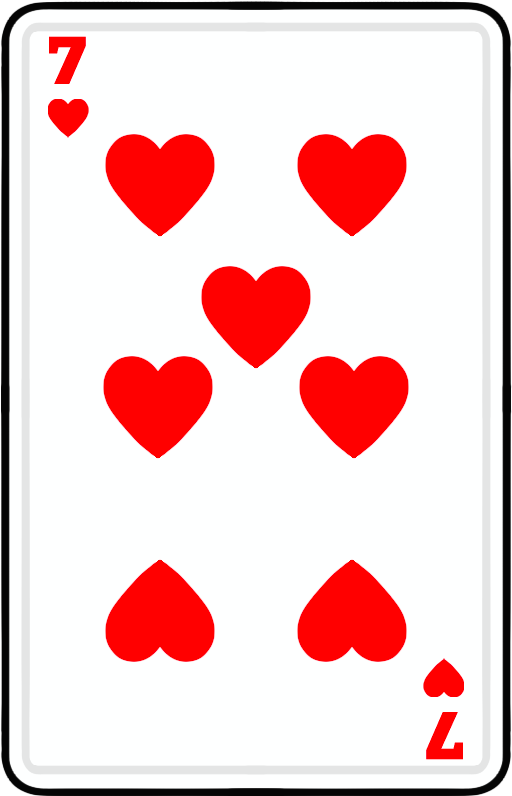
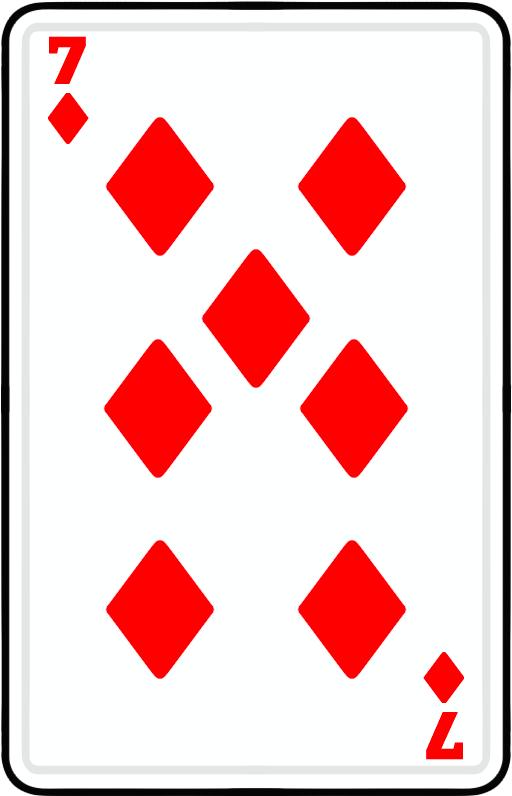
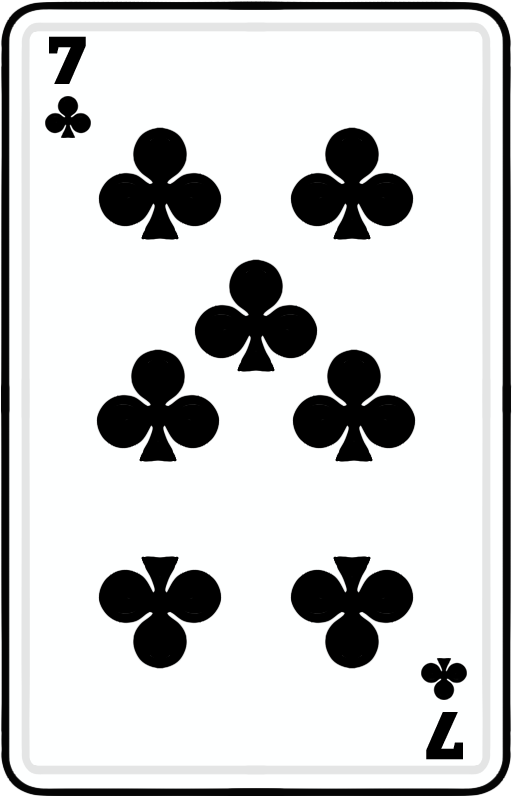
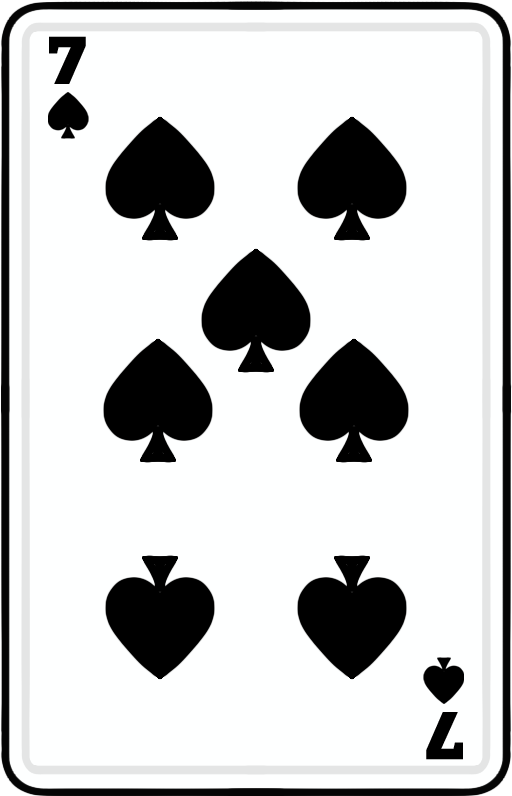
A successful ask gets you every matching card the opponent holds, not one of them, and then you go again. Turns can run a long way when the asks keep landing. Full Go Fish rules.
Why You Must Hold the Rank You Ask For
You may only ask for a rank you already hold at least one of. Several widely read rule pages leave this out, and players who learn from those pages end up arguing about it at the table.
The reason is worth knowing, because it explains the whole game. Every ask is public information: when you ask for kings, the table learns you hold a king. If you could ask for ranks you do not hold, that signal would be worthless, and the game would collapse into players asking back for whatever was just requested. The must-hold rule is what turns each ask into a genuine piece of evidence.
That is also the source of the game's only real skill. Track what people ask for and you know roughly where the cards are.
How to Win at Go Fish
Listen to the asks. That is the whole strategy, and it beats luck more often than people expect in a game with this reputation.
Every ask reveals a holding, so keep a rough note of who has asked for what. If a player asked for queens three turns ago and nobody gave them any, they still have at least one queen. Ask them for queens when you pick one up. Watching whether someone takes another turn after fishing is just as useful: it means they drew the rank they named, so they now hold at least two.
Two habits are worth building. Ask for ranks you hold only one of, because you learn more from the answer and risk giving away less. And near the end, count the books already down; with 13 in the deck and most of them claimed, the remaining ranks are usually easy to work out from what nobody has asked for.
When the Game Ends
Our game runs until all 13 books are made, then the most books wins. This is worth stating plainly because rule sources genuinely differ here and the versions play differently.
Some rule sets end the game the moment any player empties their hand, which in a two-player game can happen very early. Others end it when the pond runs dry. One widely cited encyclopedia entry says the winner is whoever empties their hand first, which is a different game again: it rewards shedding cards rather than collecting books.
Running out of cards is not the same as being finished. If your hand empties while the pond still has cards, you draw one and carry on. Only when both your hand and the pond are empty are you out, and the players still holding cards finish the remaining books.
Playing Go Fish With Children
Play the first hand with everyone's cards face up. Children pick up the asking mechanic almost immediately once they can see what happens, and the game teaches rank recognition and matching while it does it.
For younger children, the pairs version is a reasonable simplification: two matching cards make a set instead of four, so a set arrives quickly and the game finishes before attention runs out. Call it what it is rather than teaching it as the standard rules, because a child who learns pairs will be confused the first time they play the four-of-a-kind game with adults.
Frequently Asked Questions
Do I always need 7 cards in Go Fish?
No. Seven cards is the two-player deal. With three or more players we deal five each, and the rest of the deck becomes the pond. The seven you have been told about is correct for two players and is where most of the confusion comes from.
What are the rules of Go Fish?
Ask another player for a rank you already hold. They hand over every card they have of it and you go again. If they have none they say "Go fish" and you draw one card. Collect four of a kind to lay down a book. Most books wins once all 13 are made.
Is it pair of 2 or 4 in Go Fish?
Four of a kind is the standard game and the one we deal. The pairs version is a genuine variant, but it comes from early-childhood education material designed to simplify the game for young children, so it is not what most people mean by Go Fish rules.
How many cards do you start with for fish?
Seven cards with two players, and five cards with three to six players. Whatever is left over forms the draw pile in the middle, which is the pond you fish from. Sources agree on all of that except the three-player deal, where some rule sets deal seven instead of five.
How do you play fish?
Go Fish is a matching game. You ask opponents for card ranks, trying to collect all four of a kind, and you draw from a central pond whenever an ask fails. It needs no strategy to start playing and rewards memory once you get going.
How to explain Go Fish to a kid?
Tell them the goal is collecting four cards that look the same, then play the first hand face up so they can see how asking works. Most children grasp it in one hand. The only rule worth stressing is that you can only ask for a card you already hold.
Are Go Fish and rummy the same?
No. Both collect matching sets, but Go Fish gets cards by asking opponents directly, while rummy uses a draw and discard pile and allows runs in sequence as well as sets. Rummy also scores by card value rather than counting completed sets. Play Rummy.
Is Go Fish a good memory game?
Yes, and that is most of its skill. Every ask tells the table what the asker holds, so a player who remembers those asks knows where cards are. Early-childhood educators use it for exactly this, alongside number and rank recognition.
Play Go Fish Online Free
Play free against AI opponents with no download and no account, for two to six players. Books are laid down for you as they complete, so children can follow the game without tracking anything on paper.
Read the full rules, or try Rummy, Crazy Eights and Spit for the other easy family card games we host.