

What Is Cribbage?
Cribbage is a card game, usually for two players, played with a standard 52-card deck: you score for fifteens, pairs, and runs as you lay cards, then again, with flushes and nobs, when you count your hand. The first player to reach 121 points wins. You can play cribbage online free right here, against a computer that counts every hand for you.
In every deal you throw two cards into the crib, a bonus hand that belongs to the dealer, and you peg points as you and your opponent lay cards toward a count of 31. Then each of you counts four cards together with one shared starter card, and the dealer counts the crib as well. The deal alternates, so the crib changes sides every hand.
| Players | 2 (three and four players use a different deal) |
|---|---|
| Deck | 52 cards, no jokers |
| Cards dealt | 6 each |
| Cards kept | 4 each; 2 each go to the crib |
| Winning score | 121 |
| Card values | Ace 1, 2 to 10 face value, Jack, Queen, and King 10 |
How to Play Cribbage
A game of cribbage runs in seven steps. After the first cut, steps 2 to 7 repeat until someone reaches 121.
- Cut for the deal. Each player cuts the pack, and the lower card deals first. Cut again on a tie.
- Deal six cards each. The dealer deals one card at a time, starting with the opponent, called the pone. The other 40 cards stay in the pack.
- Lay two cards away to the crib. Each player puts two cards face down in the crib, which belongs to the dealer. Both players keep four.
- Cut the starter. The pone cuts the pack and the dealer turns up the top card of the lower part. If it is a Jack, the dealer pegs 2 for his heels.
- Peg to 31. Starting with the pone, take turns laying one card face up and calling the running total. Score for making 15 or 31, for pairs, and for runs. If you cannot play without passing 31, say go.
- Count the hands. The pone counts first, then the dealer counts their hand, then the crib. Every hand uses the starter as a fifth card.
- Pass the deal and play to 121. The deal alternates. The first player to reach 121 wins at once, even in the middle of a count.
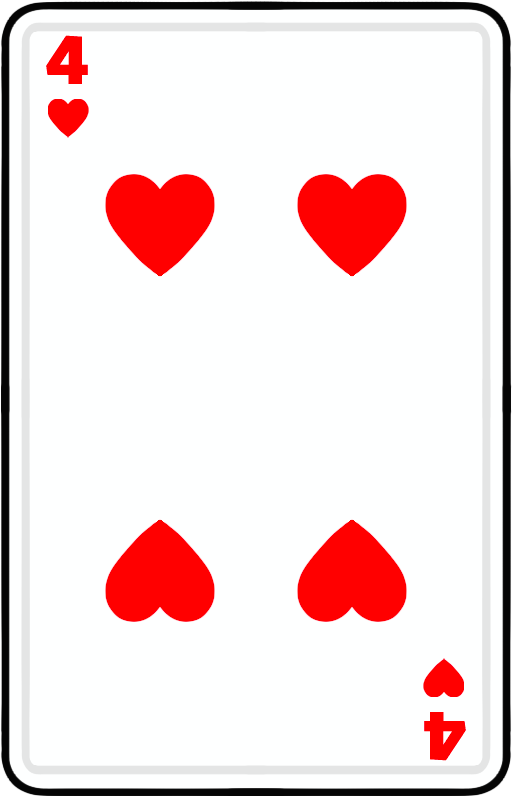
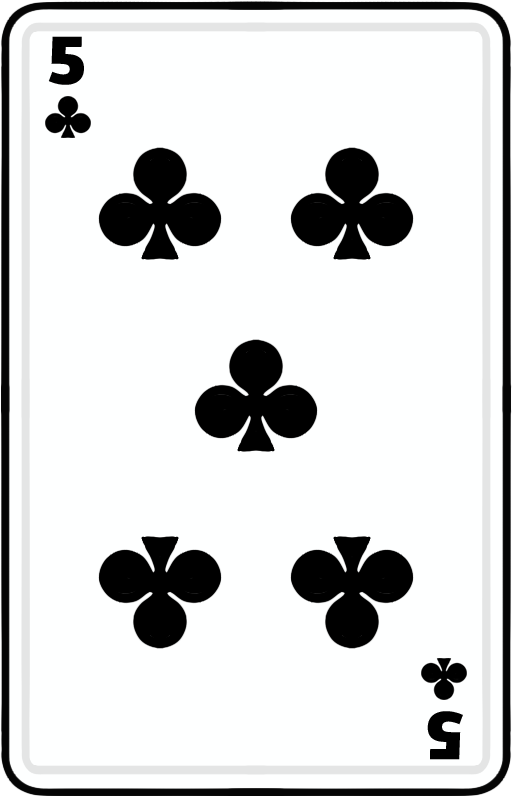
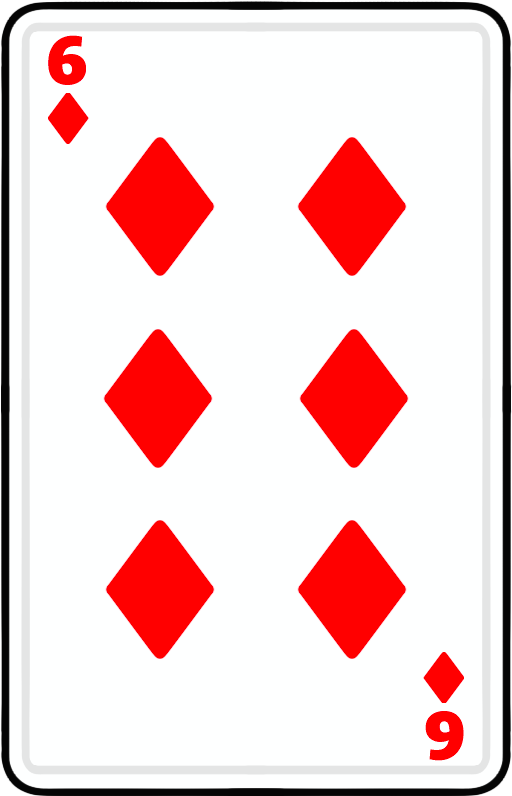
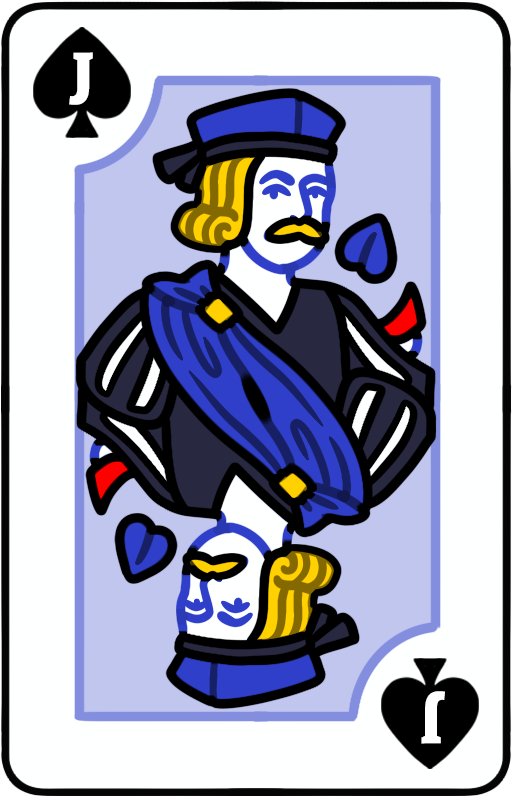
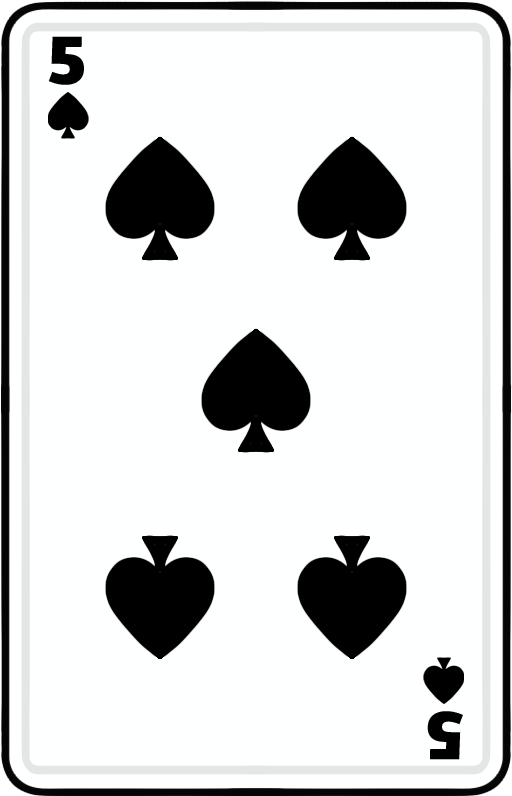
In our game the computer always deals the first hand, so you start as the pone and lead the first card. The starter is drawn at random from the 40 undealt cards, which gives the same odds as a cut. The full cribbage rules cover the finer points, from the cut to what counts as a renege.
Pegging: Scoring During the Play
Pegging points count the moment you earn them, before anyone counts a hand, so a player near 121 can peg out and win before the show.
| Play | Points |
|---|---|
| Make the count exactly 15 | 2 |
| Make the count exactly 31 | 2 |
| Pair the card just played | 2 |
| Three of a kind in a row (pair royal) | 6 |
| Four of a kind in a row (double pair royal) | 12 |
| Run of 3 or more cards, in any order | 1 per card |
| Go: the last card before neither player can lay one | 1 |
| Last card of the hand | 1 |
When you cannot lay a card without passing 31, you say go. Your opponent keeps playing for as long as they can, then pegs 1 for the go, or 2 for hitting 31 exactly, never both. The count drops to zero, and the player who did not play the last card leads the next count. A pair or run never carries across that reset.
Here is one full play from our game, in a different deal from the diagram above. You are the pone holding 7, 6, King, and 5; the computer holds 8, 9, Ace, and Queen.
| Card | Count | Points |
|---|---|---|
| You: 7 | 7 | 0 |
| Computer: 8 | 15 | 2 for fifteen |
| You: 6 | 21 | 3 for the run 6-7-8 |
| Computer: 9 | 30 | 4 for the run 6-7-8-9 |
| You: go | 30 | Your King and 5 would both pass 31 |
| Computer: Ace | 31 | 2 for thirty-one |
| You: King | 10 | 0, a new count, which you lead because the computer played last |
| Computer: Queen | 20 | 0 |
| You: 5 | 25 | 1 for last card |
The computer pegs 8 and you peg 4 before a single hand is counted.
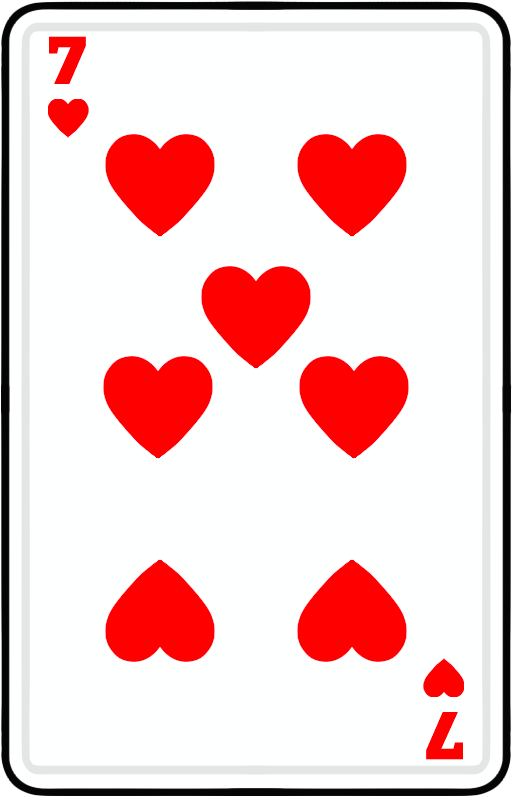
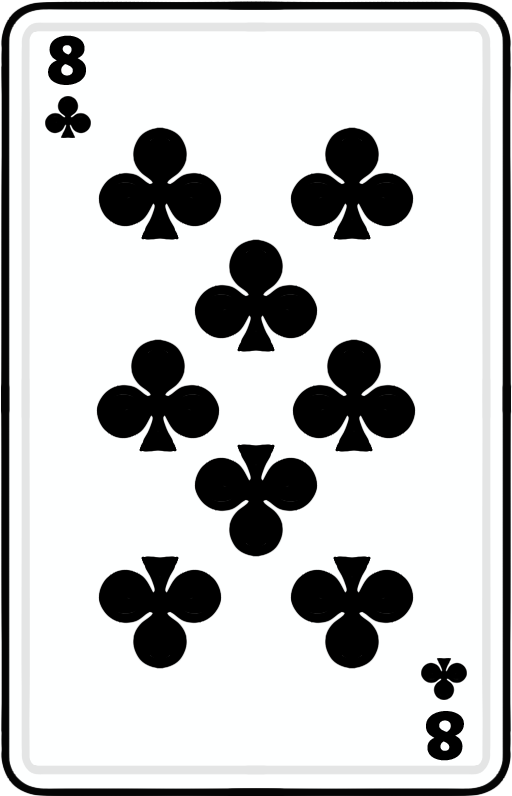
Cribbage Scoring: How to Count a Hand
Count every hand in the same order: fifteens, pairs, runs, flush, and nobs, always with the starter as a fifth card. Face cards count 10, Aces count 1, and every other card counts its number. The Ace is always low, so A-2-3 is a run and Q-K-A is not.
| Combination | Example | Points |
|---|---|---|
| Fifteen: cards that add to 15 | | 2 for each combination |
| Pair | 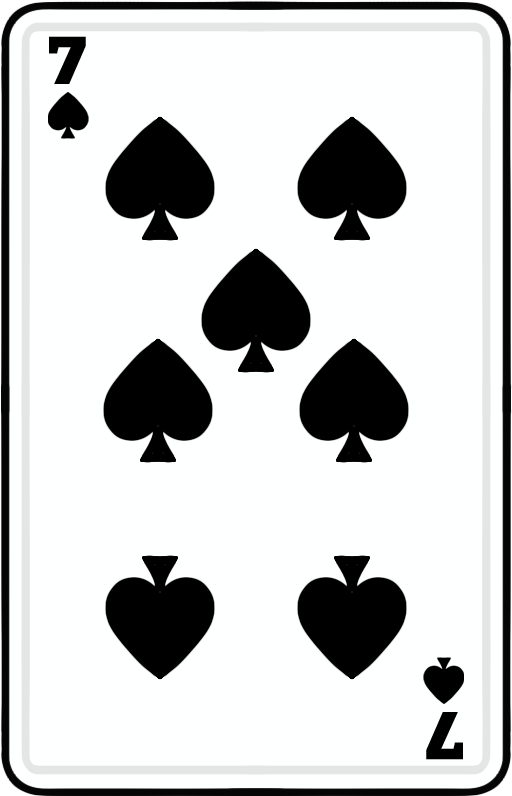 | 2 |
| Three of a kind (pair royal) | 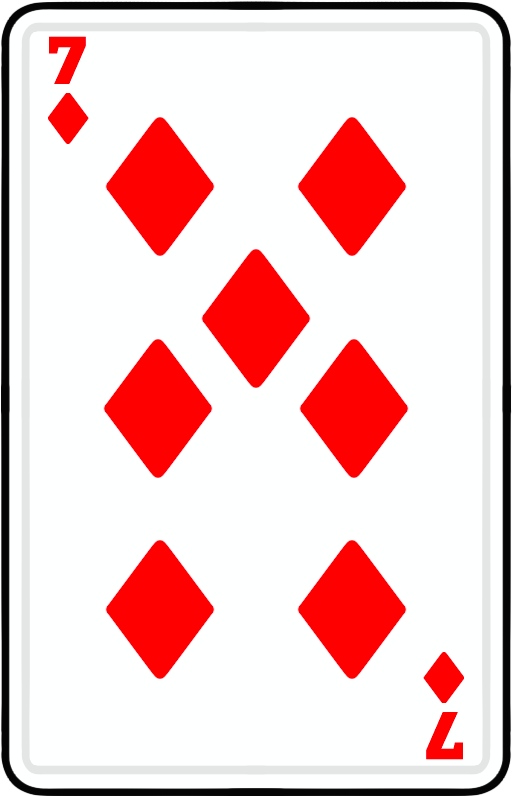 | 6 |
| Four of a kind (double pair royal) | 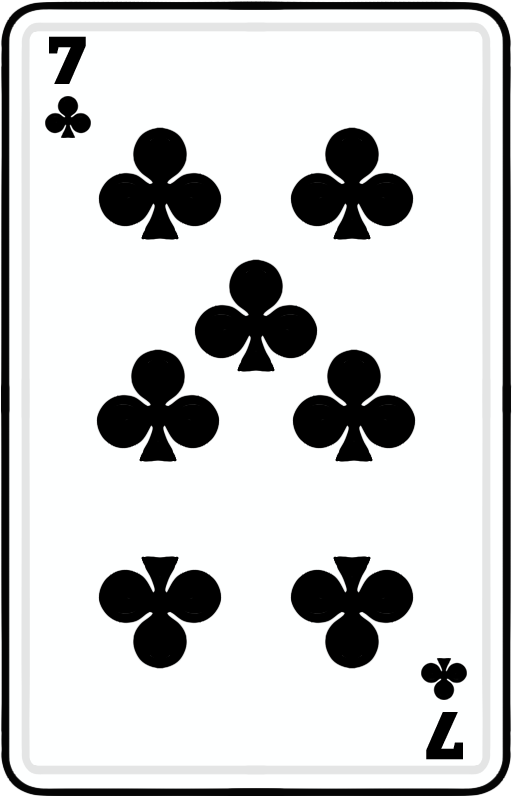 | 12 |
| Run of three | 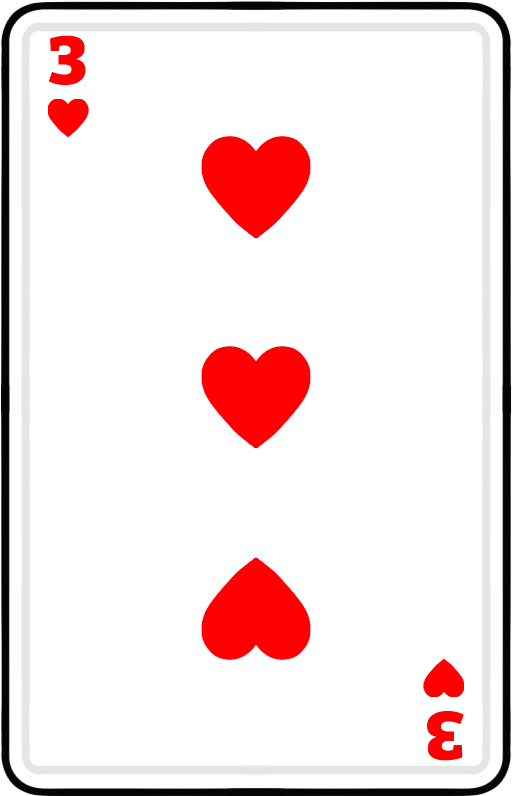 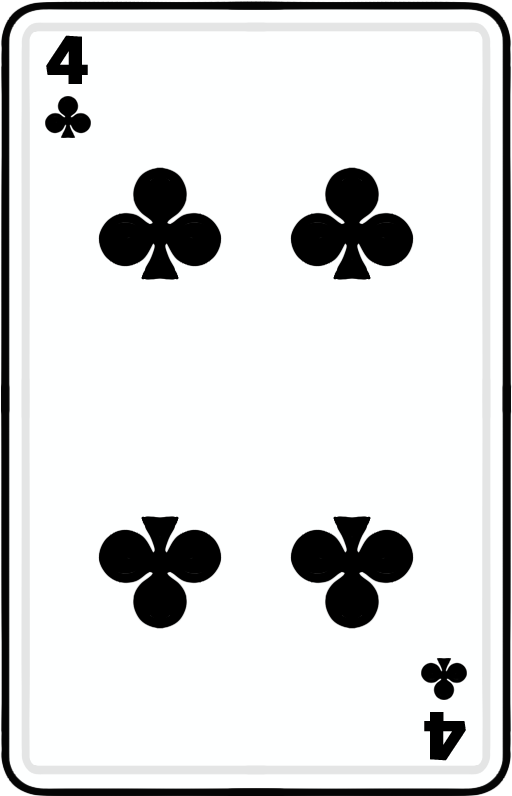 | 3 |
| Run of four | 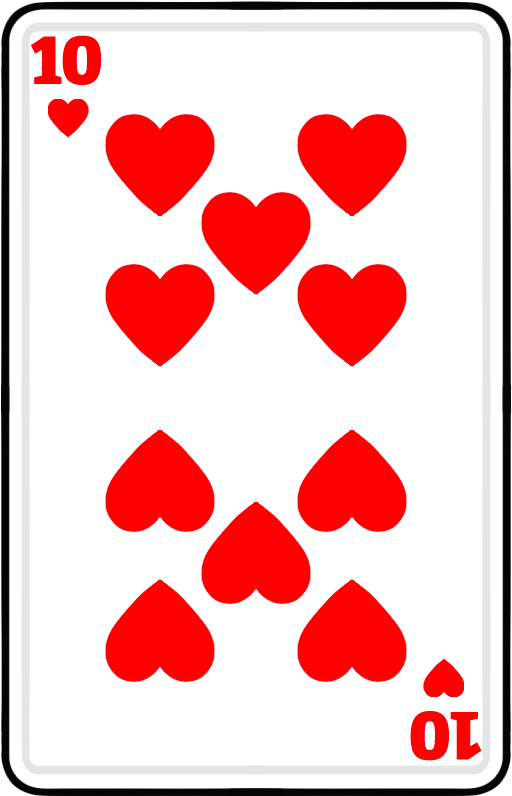 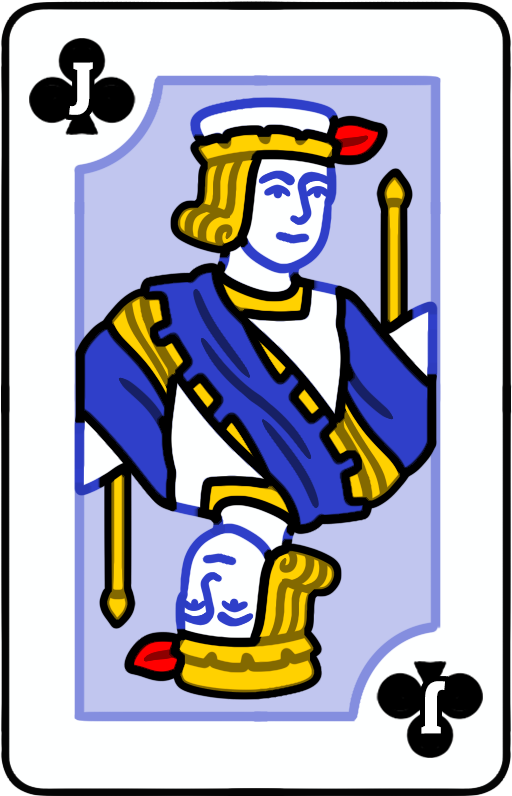 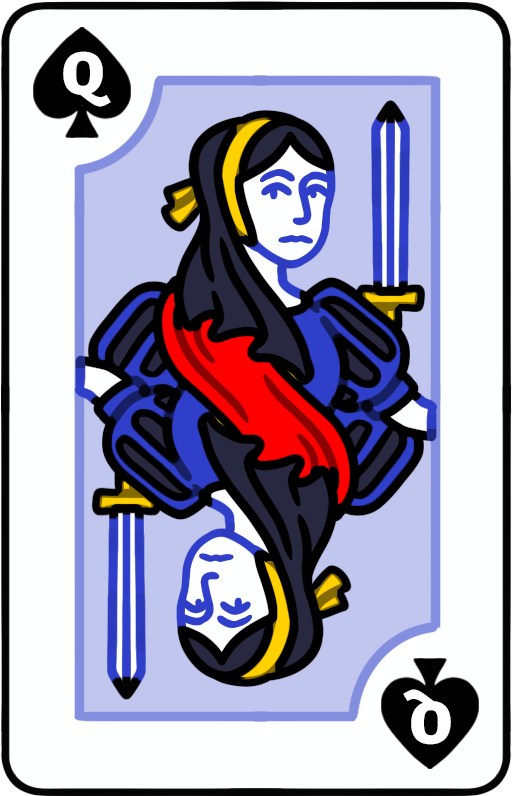 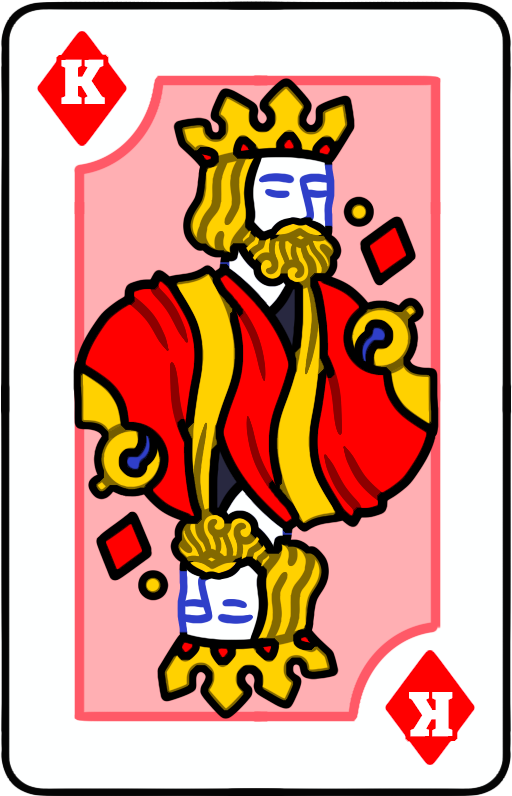 | 4 |
| Run of five | 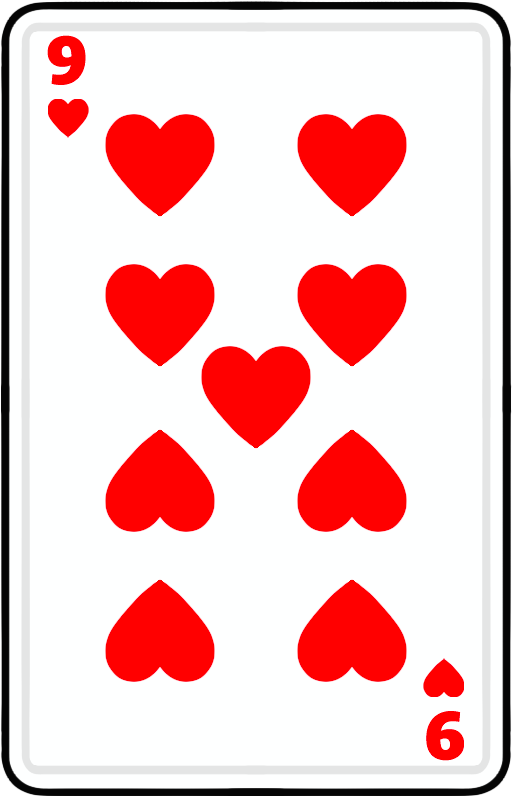 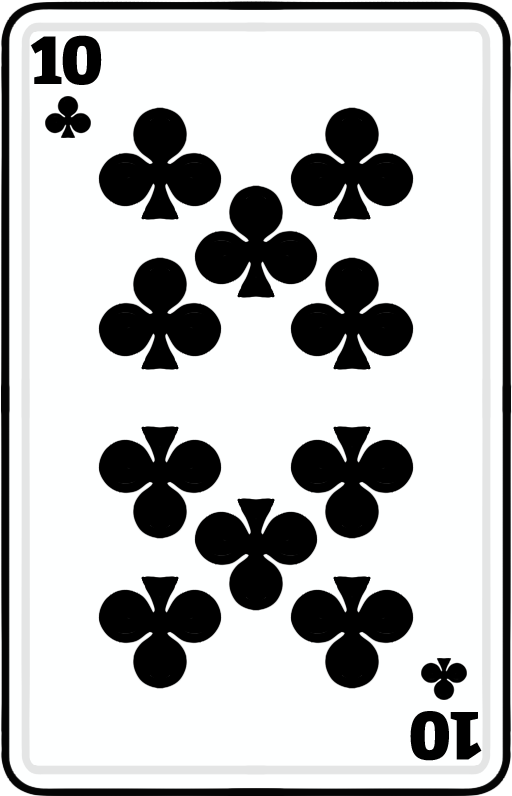 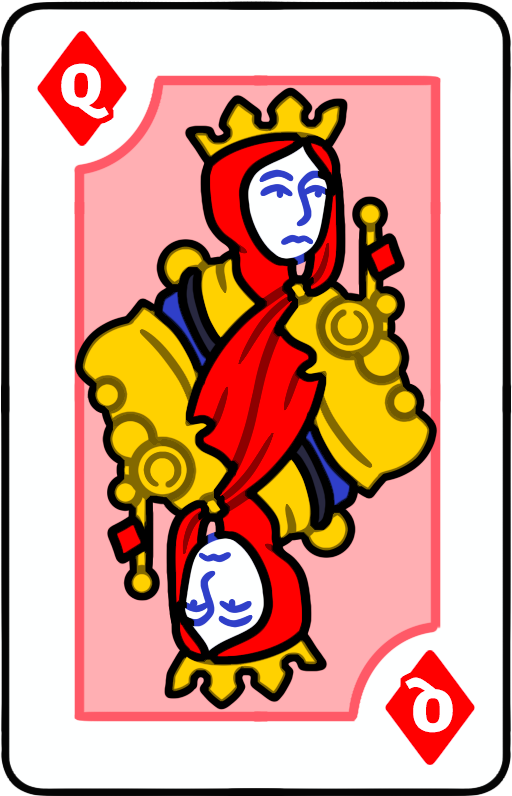 | 5 |
| Double run of three | 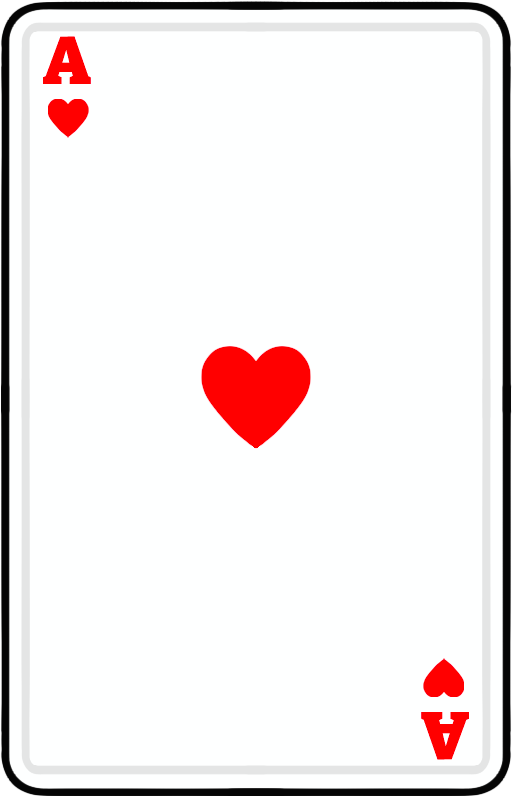 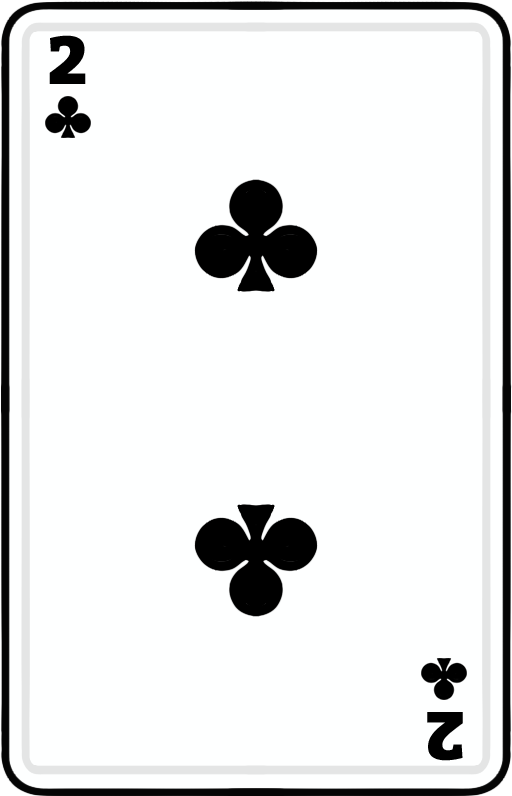 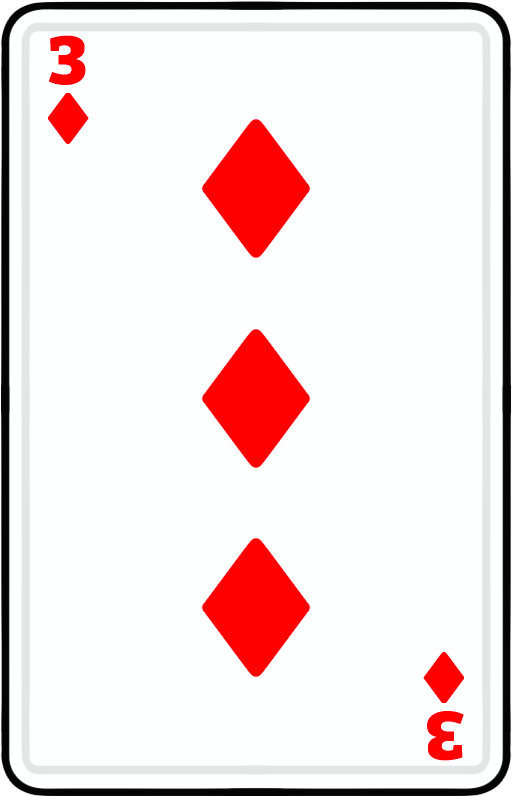 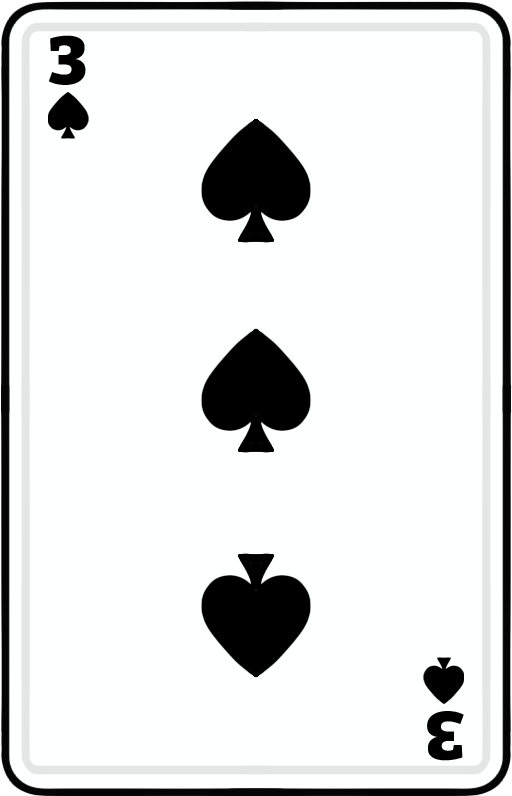 | 8 |
| Double run of four | | 10 |
| Triple run | 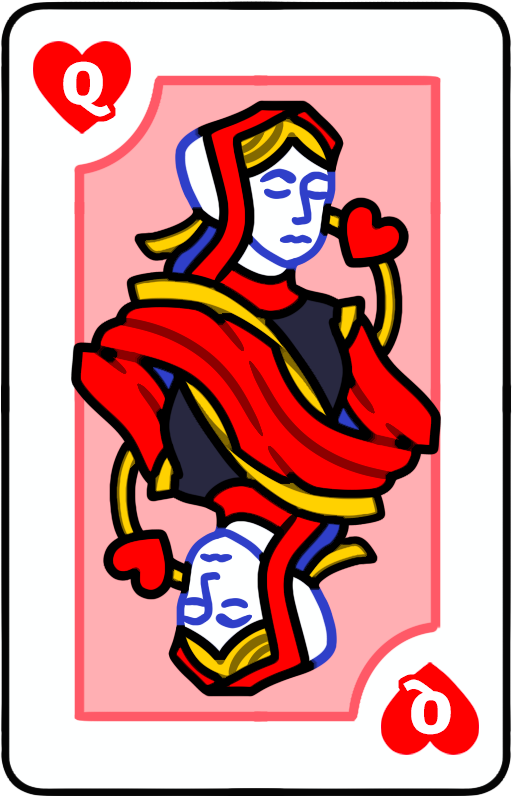 | 15 |
| Double-double run | 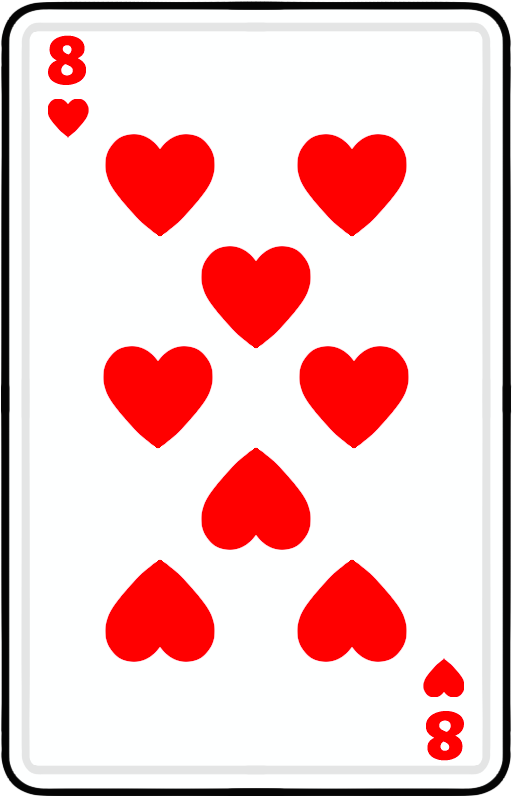 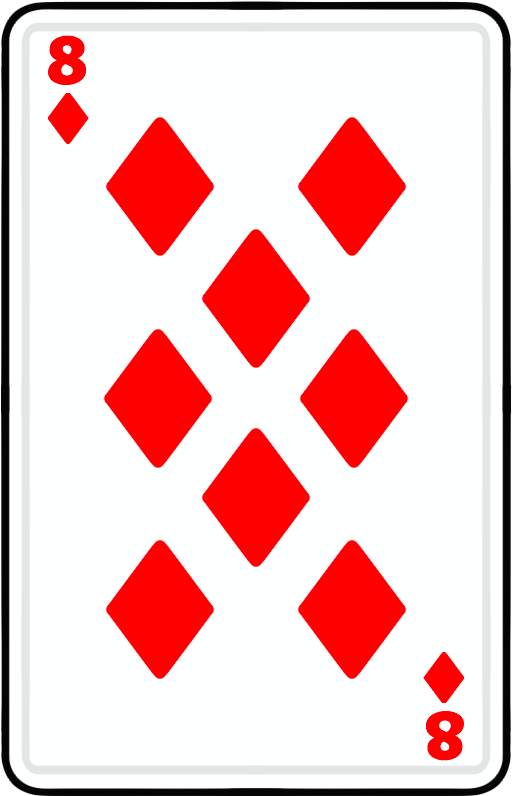 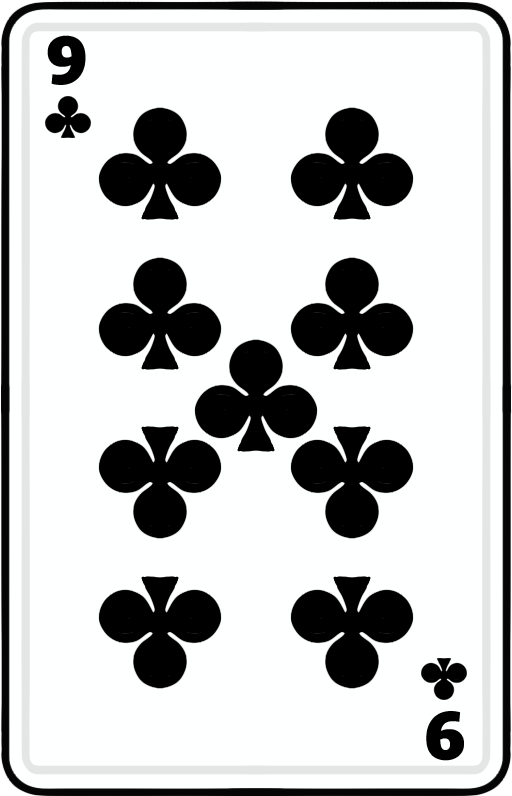 | 16 |
| Hand flush: four hand cards of one suit | 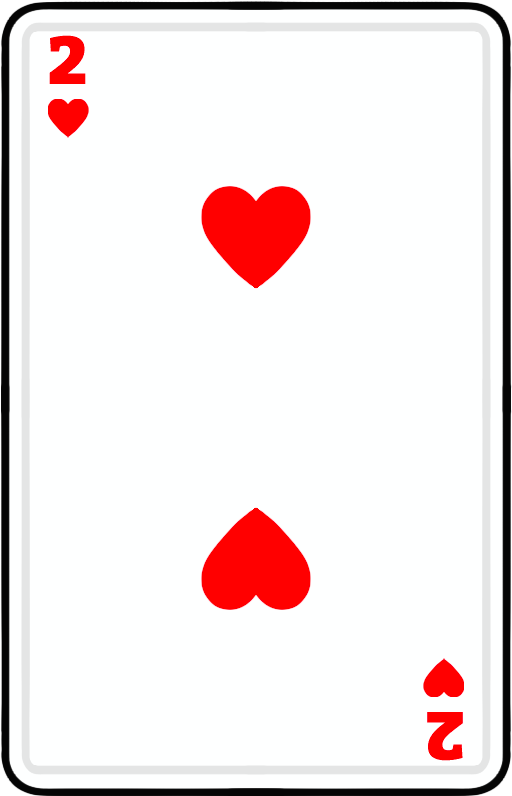 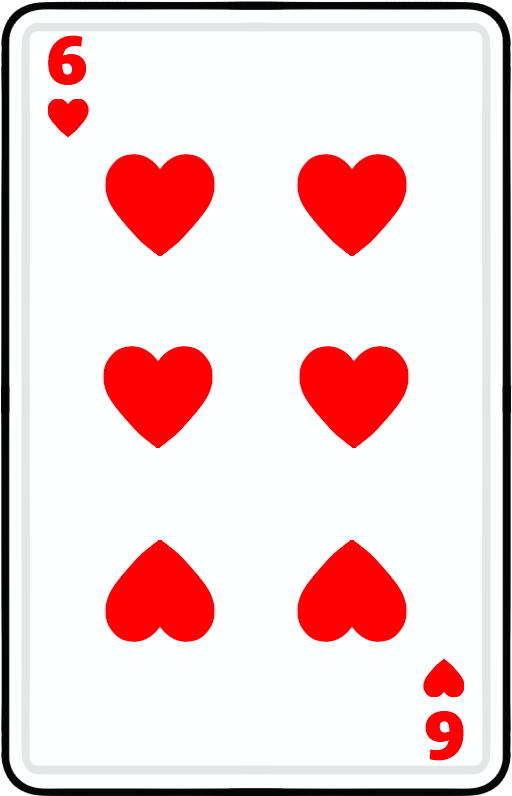 | 4, or 5 if the starter matches |
| Crib flush: all four crib cards and the starter in one suit | | 5 |
| Nobs (his nob): Jack of the starter's suit, in a hand or the crib | 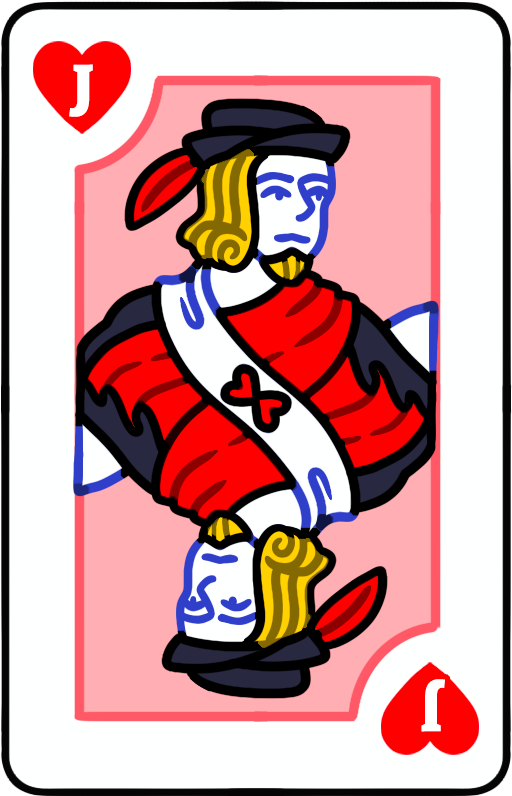 | 1 |
| His heels: a Jack turned as the starter | | 2, to the dealer |
The multiple-run values count runs and pairs only. Add any fifteens on top.
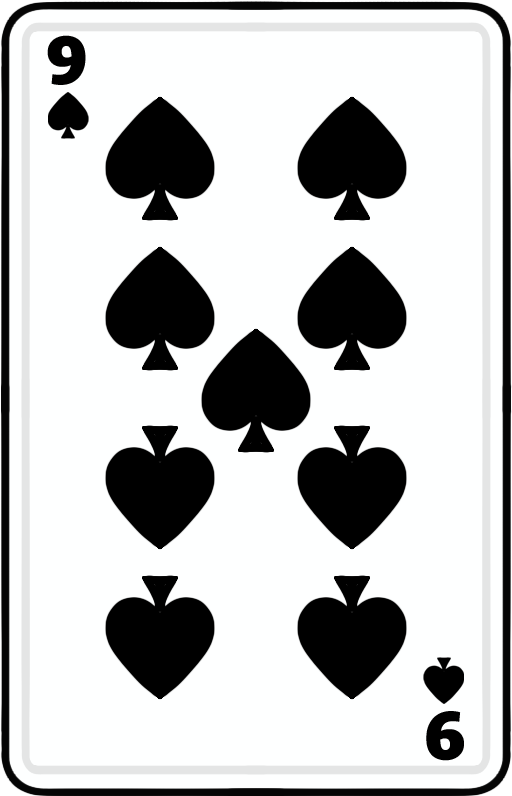
To count the pone's hand from the diagram above: you hold the 4 of hearts, 5 of clubs, 6 of diamonds, and Jack of spades, and the starter is the 5 of spades.
The 4-5-6 makes 15 twice, once with each 5, and the Jack makes 15 with each 5: four fifteens for 8. The two 5s make 4-5-6 a double run, worth 8 with the pair. The Jack matches the starter's suit for 1 more.
Two scores involve a Jack. His heels, which the American Cribbage Congress also calls nibs, is the Jack turned as the starter, worth 2 to the dealer. Nobs is the Jack of the starter's suit held in a hand or the crib, worth 1. Some North American players say his nibs for the Jack in hand, so check which your table means. The cribbage glossary defines every scoring term, from pone to pair royal.
The Best Hands in Cribbage
The best hand in cribbage is 29: three 5s and a Jack in your hand, with the fourth 5 turned as the starter in the same suit as your Jack. It scores 16 for eight fifteens, 12 for six pairs, and 1 for his nob.
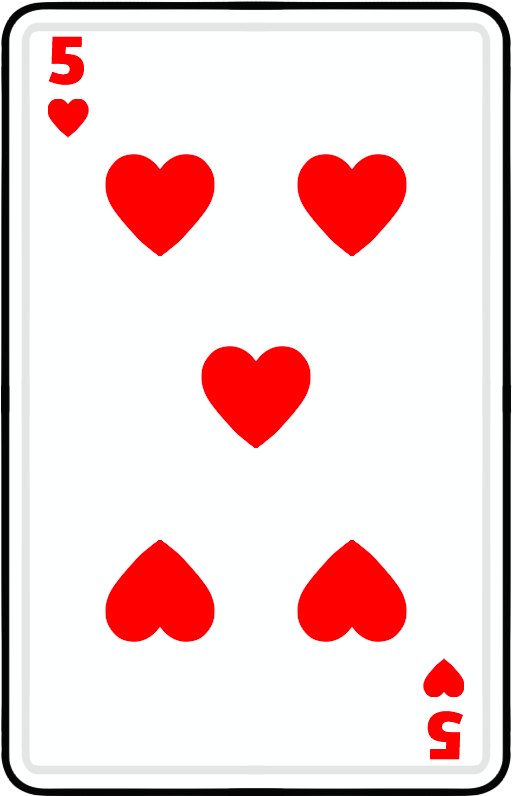
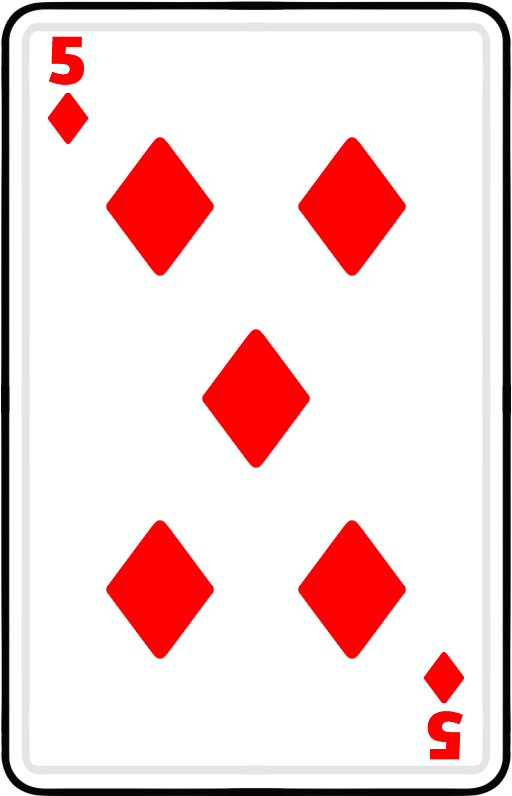
Only 4 of the 12,994,800 possible combinations of hand and starter score 29, about 1 in 3.2 million if the cards fell at random. A player who always keeps J-5-5-5 when dealt it will see a 29 about once in 216,580 deals. A crib can score 29 too, when the four discards happen to be J-5-5-5 and the fourth 5 is cut in the Jack's suit. It is just as rare: 4 combinations, 1 in 3,248,700 with random discards.
| Hand and starter | Points | How it scores |
|---|---|---|
| J-5-5-5, starter the 5 of the Jack's suit | 29 | 16 for fifteens, 12 for pairs, 1 for nobs |
| 5-5-5-5 with any 10, J, Q, or K | 28 | 16 for fifteens, 12 for pairs |
| Nine patterns, such as 4-4-5-5-6 and 3-3-3-3-9 | 24 | Double-double runs, or four of a kind with fifteens |
| 4-5-5-5-6 | 23 | 8 for fifteens, 6 for pairs, 9 for runs |
| A-A-6-7-8 (Raggedy Ann) | 13 | 8 for fifteens, 2 for the pair, 3 for the run |
The nine 24-point hands are A-7-7-7-7, 3-3-3-3-9, 3-6-6-6-6, 4-4-4-4-7, 4-4-5-5-6, 4-4-5-6-6, 4-5-5-6-6, 6-7-7-8-8, and 7-7-8-8-9. Totals of 19, 25, 26, and 27 are impossible, hence the joke name nineteen for a zero hand. Five random cards average about 4.8 points, 4 is the most common score, and about 8 percent of random hands score nothing at all.
Winning: 121, the Board, and Skunks
The first player to reach 121 wins, and the game stops the moment they get there, even halfway through the count, so counting order matters: the pone counts first, and near the finish the pone can reach 121 with their hand before the dealer counts anything.
How Many Holes Are in a Cribbage Board?
A game of 121 needs 120 scoring holes for each player plus a game hole, the 121st. The classic board has 60 holes per player, 30 up and 30 back, so each peg goes around it twice; tournament long boards have all 120 in one run, 60 up and 60 down. Each player moves two pegs and jumps the back peg past the front one, so the gap between them always shows the last score. Each 30-hole stretch is called a street: first street is holes 1 to 30, fourth street is 91 to 120. Our game shows each score as a number out of 121 instead of drawing a board.
Win before your opponent passes 90 and you skunk them; win before they pass 60 and it is a double skunk. In casual play a skunk usually counts as two games and a double skunk as three or four. Under American Cribbage Congress tournament rules a win earns 2 game points and a skunk 3, with nothing extra for a double. Some free play adds a triple skunk for a loser under 31. Our game names a skunk or double skunk when the game ends, and counts every win once.
Some tables play muggins: miss points in your count and your opponent can claim them. It is optional, and tournaments use it only when they announce it in advance. Our game scores every count itself, so no points go unclaimed.
Cribbage Strategy
Give your own crib cards that combine, and your opponent's crib cards that cannot. Published discard tables put a pair of 5s at 8.79 points on average in your own crib and 10-King at 2.84. As the pone, reverse it: 5-5 hands your opponent 9.37 points on average, while 10-King gives away just 3.88. Keep 5s out of your opponent's crib.
Judge the four cards you keep by their average after the starter is cut, not by the points they show before it; the FAQ below has a worked example.
Lead an Ace, 2, 3, or 4: the best reply reaches 14, so no single card pegs 15. Leading from a pair sets a trap: if your opponent pairs your card for 2, you lay the third for 6.
Know where you stand on the board. DeLynn Colvert's charted games put the dealer at 16.2 points a deal, counting hand, crib, and pegging, and the pone at 10.2, so each player averages about 26 points every two deals, one as dealer and one as pone. Players call this the Theory of 26. When you are ahead of that pace, play defense and deny points; when you fall behind it, take risks to score.
The first dealer wins about 55 to 56 percent of games between equal players, and our computer always takes the first deal. You start as the pone, a little behind the pace, so play for points from the first card. The cribbage strategy guide covers discards, pegging traps, and the endgame in more depth.
Cribbage for 3 or 4 Players
Three and four players use five-card deals, so every hand and the crib still end up with four cards.
- Three players: each gets 5 cards and 1 more goes face down straight to the crib. Each player throws 1 card into the crib. The player on the dealer's left cuts, leads, and counts first, and everyone plays alone to 121. The deal uses 16 cards plus the starter.
- Four players: partners sit opposite each other. Each player gets 5 cards and throws 1 into the dealer's crib, and one partner pegs for the team to 121. The deal uses 20 cards plus the starter.
Our game plays the standard two-player, six-card version. The rules for three and four players and other ways to play, including five-card cribbage to 61 and cribbage solitaire, are on the rules page. For another two-player classic against the computer, try Gin Rummy, or Canasta, which also has a two-player table.
Where Cribbage Came From
Cribbage grew out of an older English card game called Noddy, which is on record from 1589, and tradition credits the poet Sir John Suckling (1609 to about 1641) with inventing it. That credit rests on one secondhand line in John Aubrey's Brief Lives, written down decades after Suckling died. Aubrey gives no date; most accounts place the origin of cribbage in the 1630s.
Cotgrave's Wits Interpreter printed the first rules, in 1655 or 1662 by different accounts, and The Compleat Gamester copied them in 1674. That early game dealt five cards and ran to 61. By 1911 the six-card game to 121 was the favored form, and it is the standard game in American Cribbage Congress tournaments; the Congress was founded in August 1979.
Richard O'Kane was dealt a 29 hand aboard the submarine USS Wahoo in April 1943. His board was lost with USS Tang in 1944; its 1957 replacement now passes to the oldest fast-attack submarine in the Pacific Fleet. The history of cribbage tells the full story.
Frequently Asked Questions
What are the basic rules of cribbage?
Two players each get six cards and throw two into the dealer's crib. The non-dealer, the pone, cuts a starter card. Players then lay cards toward a count of 31, pegging for fifteens, pairs, runs, and go. Each player counts their hand with the starter, the dealer counts the crib, and the first to 121 wins.
Is cribbage difficult to learn?
No. Most players have the rules after a couple of rounds. Counting a hand fast takes practice, because every combination of fifteens, pairs, and runs scores, and board strategy takes longest to learn. Our game counts every hand for you with a breakdown, so you learn the scoring while you play.
Is there a way to play cribbage by yourself?
Yes. You can play against a computer opponent, as our free game does, with every hand counted for you. There are also true solo games: cribbage solitaire deals you hands and a crib to score, and Cribbage Squares has you fill a four-by-four grid in which every row and column scores as a hand.
What is the secret to winning at cribbage?
Discard well and peg safely. Give your own crib cards that combine and your opponent's crib cards that cannot: a pair of 5s averages 8.79 points in your crib and 9.37 in theirs. Lead a card below 5, avoid leaving the count on 5 or 21, and track your pace against par.
What cards are best to keep in cribbage?
Keep cards that score together: 5s with ten-cards for fifteens, touching cards such as 6-7-8 for runs, and pairs. Judge the four you keep by their average once the starter is cut, not by what they show now. 2-2-3-6 shows 2 points but averages 6.17, beating 2-6-7-9, which shows 4 and averages 6.04.
What are four fives worth in cribbage?
Four 5s score 20 with most starters: 12 for six pairs and 8 for four fifteens made from three 5s at a time. Cut any ten-card and the hand jumps to 28, because each 5 then makes 15 with it too. A dealer holding four 5s who turns up a Jack also pegs 2 for his heels, for 30.
What is 4 5 5 5 6 in cribbage?
It is a triple run worth 23 points. The three 5s make 4-5-6 three times for 9 points and three pairs for 6. Fifteens add 8 more: 4-5-6 once with each 5, plus 5-5-5. Only three totals in cribbage beat it: 24, 28, and 29.
What is the magic 11 in cribbage?
Magic eleven is a pegging trick: hold two cards that add up to 11, such as 7 and 4 or 6 and 5, and you can often finish a count at 31 after two ten-cards. If your opponent leads a King, you play the 7 for 17, they play a Queen for 27, and your 4 makes 31 for 2.
What's a raggedy Ann in cribbage?
Raggedy Ann is a nickname for the hand A-A-6-7-8, worth 13 points: 8 for four fifteens, 2 for the pair of Aces, and 3 for the run. Raggedy Andy, 2-2-6-7-8, scores 11, and some players reverse the names, but the scores stay the same.
Where is the skunk line in cribbage?
The skunk line is the 90 mark, three quarters of the way to 121. If you win while your opponent is still on 90 or less, you skunk them; on 60 or less it is a double skunk. Not every board marks the line. Our game names a skunk or double skunk when the game ends.
Play Cribbage Online Free
Play free in your browser against the computer, with every hand, crib, and pegging point counted for you. Try the daily cribbage challenge to play the same opening deal as everyone else and see where you land on the leaderboard, or browse every card game we host.