

How to Play Golf Solitaire
Golf solitaire is a single-player card game you can usually finish in two or three minutes. Thirty-five cards sit face up in seven columns, and you clear them onto one pile by playing a card that is one rank above or below the last, ignoring suit. The name comes from the score: every card you fail to clear counts as a stroke, so a low score wins, like a round of golf.
Golf deals 35 cards across seven columns of five and asks you to clear them onto a single foundation, one rank up or down at a time.
- Deal the tableau. Deal 35 cards face up into seven columns of five. Every card shows, but only the exposed end card of each column can be played.
- Start the foundation. The remaining 17 cards form the stock. Turn its top card face up to begin the single foundation pile, the card you build on.
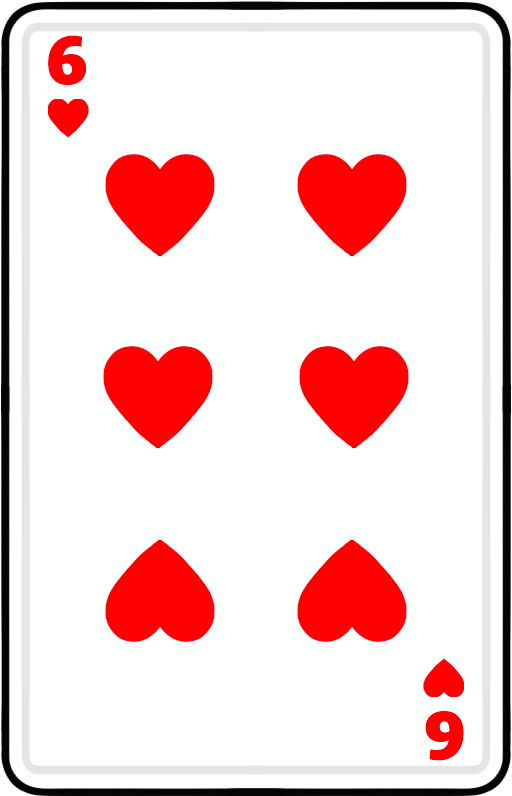
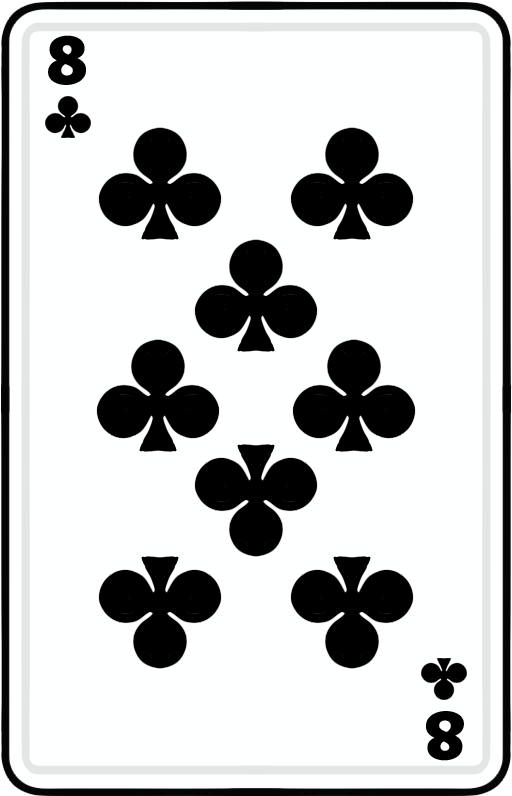
- Play one rank up or down. Move any exposed column-end card onto the foundation if it is one rank higher or lower than the top card, regardless of suit. A 7 takes a 6 or an 8.
- Change direction freely. The build can zig-zag. After a 7 you can play a 6, then a 5, then a 6 again. There is no fixed direction.
- Mind the Kings. In standard Golf the rank line does not wrap. An Ace is low, a King is high, and nothing plays on a King, so a King ends a chain.
- Draw when stuck. When no column card fits, turn the next stock card onto the foundation. You get one pass through the stock and cannot recycle it.
- Clear the tableau to win. Empty all 35 tableau cards onto the foundation to win the hole. Cards you cannot clear count one stroke each, and a cleared tableau scores minus one for every card left unused in the stock. Nine holes make a round, and a total of zero or lower wins it.
Scoring: Why It Is Called Golf
Golf borrows its scoring from the sport, and the lowest score wins. When a deal ends, every card still stuck in the tableau counts as one stroke. Clear the whole tableau and the count flips in your favour: you score minus one for each card left unused in the stock. A full round is nine holes, meaning nine deals added together, and some players run eighteen.
A nine-hole total around 45 is roughly par, and a total of zero or below is a perfect round. Because a single stray card is a stroke, the difference between a good player and a beginner shows up as strokes saved, not just deals won.
How Hard Is Golf Solitaire?
Golf is hard to clear, and that is mostly the deal, not you. Morehead and Mott-Smith put the win rate for the traditional game at about 5 percent, the figure Solitaire Laboratory still quotes, and it describes exactly the rules here: nothing plays on a King, and the rank line does not wrap. No solver has published a solvability figure for this version, so we do not print one. The Around the Corner variant, which lets a King meet an Ace, is far kinder, though no measured rate exists for it either. Even on a losing deal, good play usually strands only a card or two, so how few cards you leave behind is a fairer measure of skill than pure wins and losses.
Golf Solitaire Strategy
Golf rewards planning over speed. Skill will not rescue a dead deal, but it wins the deals that can be won and shaves strokes off the rest. Four habits do most of the work.
Scan all seven columns before you touch a card. The first playable card is rarely the best one. If the foundation shows a 9, the nearest 10 might sit on a King and dead-end at once, while a 10 in another column opens a 9, 10, Jack run that clears three cards. Trace the longest chain first, then play into it.
Dig into the tall columns first. The five-card columns hide the most trapped cards, and a column with one card left can be cleared any time. When two cards of the same rank are both legal, take the one that uncovers something useful underneath.
Hoard the stock. You get one pass and cannot recycle it, so every draw is a stroke you can never take back. Scan the seven exposed cards twice before you draw, because a draw is only free when the board is truly dead.
Let chains zig-zag, and do not cap the pile early. A run can reverse as often as you like, so 6, 7, 6, 5 is fine. In standard rules, resist dropping a King or a lone Ace onto the foundation before you have to, since a King freezes your chain and forces a draw.
Golf Solitaire Variants
Most Golf variants loosen the King. The best known is Around the Corner, also called Putt Putt, which lets the sequence wrap from King to Ace and back. That single change removes the dead end and makes far more deals winnable. Relaxed versions bridge the gap in smaller ways, and Double Golf uses two decks across a wider nine-column tableau.
Two close relatives are worth a try. Tri-Peaks builds the same way but from three overlapping pyramids and wraps King to Ace by default, which makes it far more winnable. Black Hole, a 1979 design by David Parlett, sends every card to one central pile with no stock at all.
Two other games share the name but not the rules: the multiplayer Golf card game, where players swap cards in a small grid to score low, and Fairway Solitaire, a branded video game. Neither is the patience described here.
Where Golf Solitaire Comes From
Golf solitaire is a twentieth-century game with no recorded inventor. It grew out of an older patience called One Foundation, which appears in print by 1905, and Golf is still listed under that name in some collections. The golf scoring, counting stray cards as strokes over a nine-hole round, gave the game its modern name.
It belongs to the building family of patiences, where every card goes onto one pile a rank at a time. Two well-known descendants carry the idea forward: Black Hole, published by David Parlett in 1979, and Tri-Peaks, created by Robert Hogue in 1989 and spread worldwide through the Microsoft Windows Entertainment Pack.
Frequently Asked Questions
How do you play Golf Solitaire?
Deal 35 cards face up in seven columns of five, and turn one stock card up to start a single foundation pile. Move any exposed column-end card onto the foundation when it is one rank higher or lower than the top card, ignoring suit. Draw from the stock when stuck. Clear the whole tableau to win.
How many cards are used in Golf Solitaire?
All 52. Thirty-five build the tableau in seven columns of five, and the other 17 form the stock, whose top card is turned up to start the foundation. There are no jokers in the standard game, and every tableau card is dealt face up from the start.
What is the objective of Golf Solitaire?
Clear every tableau card onto the foundation. The name comes from the scoring: any cards you cannot clear count as strokes, so a low score wins like a round of golf. Emptying all 35 tableau cards is a perfect deal, worth zero strokes or better.
How is Golf Solitaire different from Klondike?
Golf uses one shared foundation instead of four suited aces-up piles, and suit never matters. You do not build columns down or move cards between them. Every card is face up from the start, and you simply remove exposed cards one rank up or down until the tableau is clear.
What are your chances of winning Golf Solitaire?
Low. Morehead and Mott-Smith put the win rate for the traditional game at about 5 percent, the figure Solitaire Laboratory still quotes, and it applies to the rules we use: nothing plays on a King and there is no wrap. No solver study of this version has been published, so we quote no solvability figure. The Around the Corner variant, which lets Kings meet Aces, is far more forgiving.
Can you reuse the stock in Golf Solitaire?
No. You get a single pass through the stock and cannot recycle it. Once the last stock card is turned up and no exposed column card is one rank away from the foundation, the deal ends and any cards left in the tableau are counted as your score.
Which is easier, Golf or Tri-Peaks?
Tri-Peaks. It uses the same one-rank-up-or-down build but wraps King to Ace, and Robert Hogue reported that over 90 percent of his deals are solvable. Standard Golf, with Kings as dead ends and only 16 draws, is much harder to clear.
Play Golf Solitaire Online
Play Golf solitaire free against the clock with provably fair shuffles. Chase a perfect zero-stroke deal, then string nine rounds together for a full course score. A daily challenge deals the same layout to everyone, so you can compare your strokes against other players.
Play the daily Golf challenge or explore more solitaire games.