

What Is the Rummy Card Game?
Rummy is a card game in which you draw and discard to build melds, sets of three or four cards of the same rank and runs of three or more cards in one suit, and the first player to get rid of every card wins. Its standard form, Basic Rummy (also called Straight Rummy or Rum), is played by 2 to 6 players with one 52-card deck, and you can play it free right here, against the computer.
The same name covers a whole family, including Gin Rummy, Rummy 500, and Indian Rummy, and each plays differently; the table of rummy types further down shows which is which.
| Players | 2 to 6 (our table opens with 4: you and three computer players) |
|---|---|
| Deck | One 52-card deck, no jokers |
| Cards dealt | 10 each for 2 players, 7 each for 3 or 4, 6 each for 5 or 6 |
| Melds | Sets of 3 or 4 of a rank; runs of 3 or more in one suit |
| Ace | Low in our game: A-2-3 is a run, Q-K-A is not |
| Goal | Be the first to get rid of every card |
| Scoring | The winner scores the cards left in the other hands: Ace 1, 2 to 10 face value, Jack, Queen, and King 10 |
How to Play Rummy
A hand of rummy takes seven steps, and steps 3 to 6 repeat, player by player, until someone runs out of cards.
- Deal the cards. Deal one card at a time from a shuffled 52-card deck: 10 each for two players, 7 each for three or four, and 6 each for five or six.
- Start the two piles. Put the rest face down as the stock and turn its top card face up beside it to start the discard pile.
- Draw one card. Starting with the player on the dealer's left, take the top card of the stock or the top card of the discard pile.
- Meld when you choose. Lay sets and runs face up on the table. You can meld on any turn, your first included, or keep a finished meld in your hand for later.
- Lay off. Add single cards to any meld on the table, yours or an opponent's.
- Discard one card. End your turn by putting a card face up on the discard pile. It cannot be the card you just took from that pile.
- Go out. The first player with no cards left wins the hand, either by discarding their last card or by melding or laying off every card left.
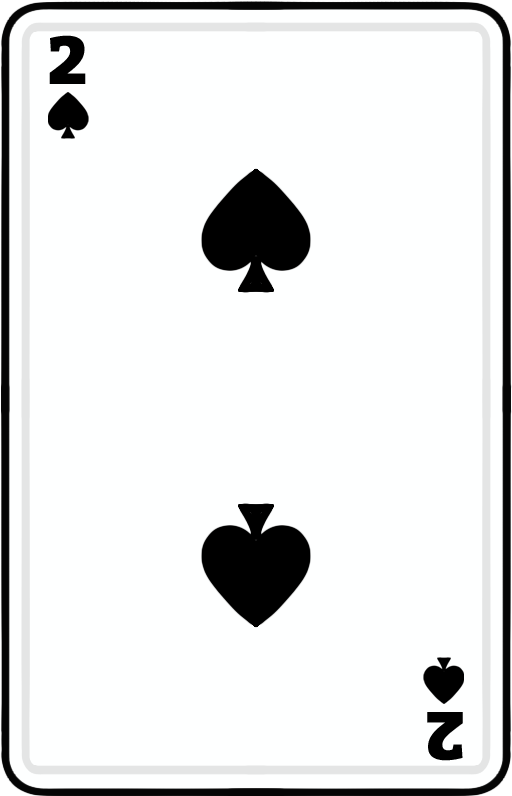
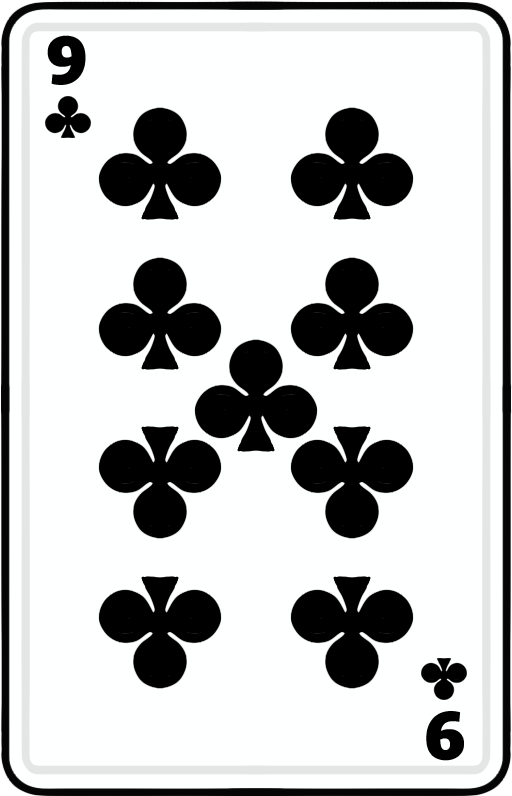
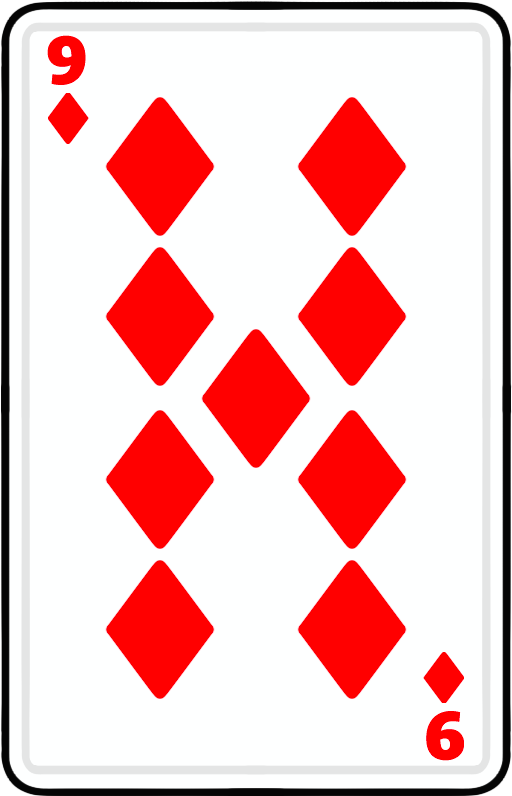
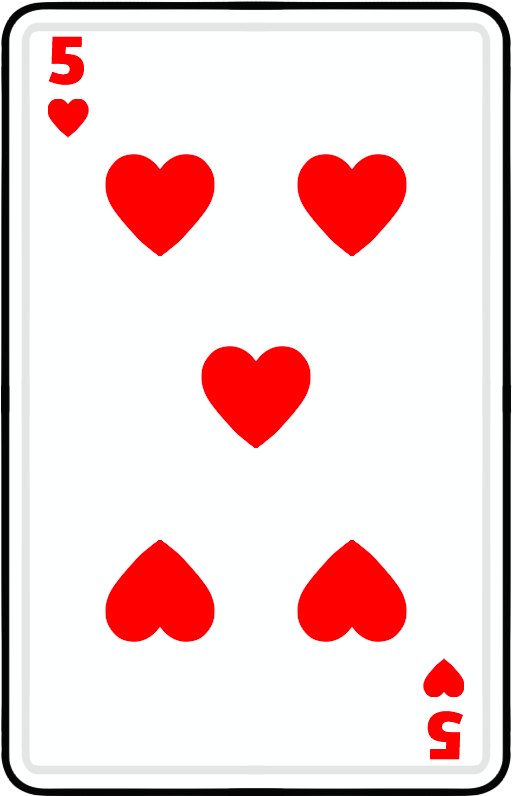
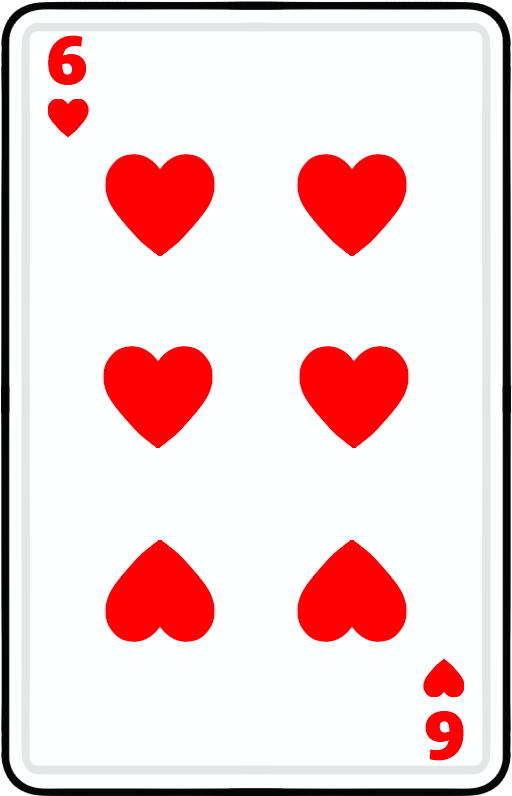
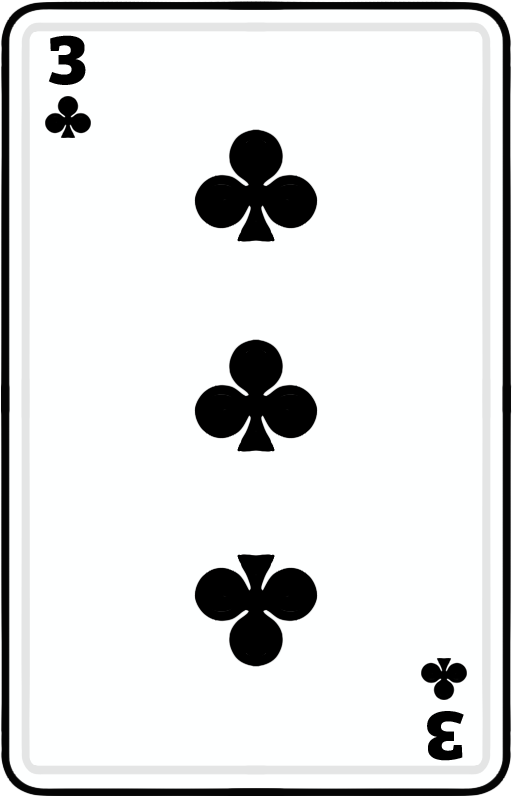
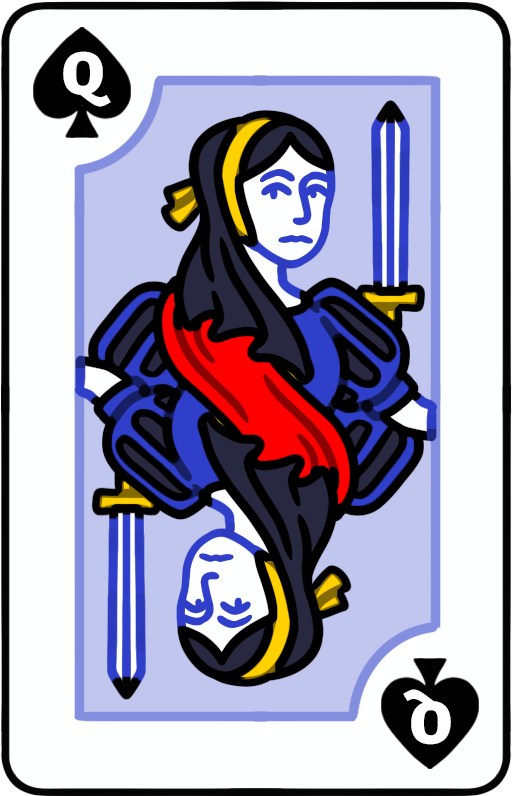
Our table opens with four players, you and three computer players, and the 2P to 6P buttons above it change the count. You deal every hand, so all three computer players take a turn before your first one. Each game is a single hand: the first player out wins.
An Example Turn
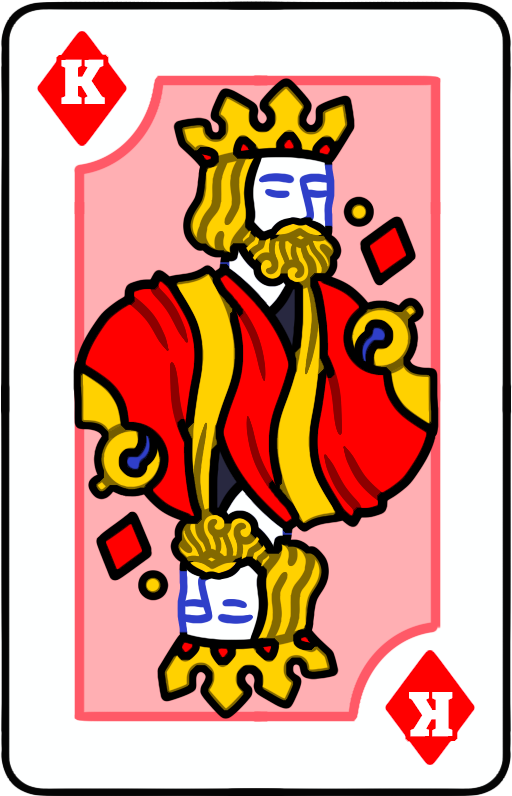
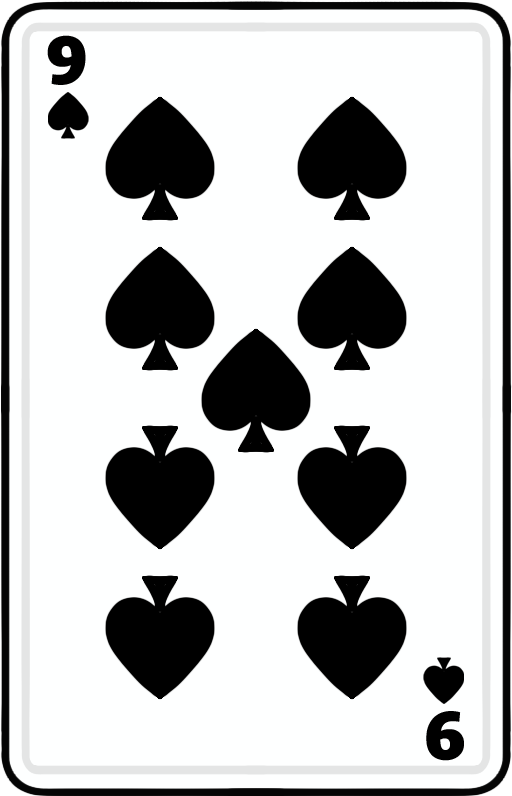
Take the hand in the diagram. By your first turn the three computer players have each drawn and discarded, and say the top card of the discard pile is now the 9 of spades. It completes a set with your 9 of clubs and 9 of diamonds, so take it instead of a blind card from the stock. You can lay the three 9s down at once or keep them in your hand; the strategy tips below explain why keeping them is often the stronger play. Then discard the King of diamonds, the card in your hand with the fewest ways into a meld. The 9 of spades has to stay: you cannot throw back the card you just took from the pile.
The full rummy rules add the house rules this page skips, including going rummy and calling "Rummy!" on a discard.
How Many Cards Do You Deal in Rummy?
The hand size depends on the table: 10 cards each with two players, 7 with three or four, and 6 with five or six. Every table uses one 52-card deck, and the table below shows where all 52 cards go.
| Players | Cards each | Cards dealt | Upcard | Stock | Total |
|---|---|---|---|---|---|
| 2 | 10 | 20 | 1 | 31 | 52 |
| 3 | 7 | 21 | 1 | 30 | 52 |
| 4 | 7 | 28 | 1 | 23 | 52 |
| 5 | 6 | 30 | 1 | 21 | 52 |
| 6 | 6 | 36 | 1 | 15 | 52 |
Most rule books deal 10 to two players and 7 to three or four, and they differ on bigger tables: some deal 7 to five players, and groups of seven add a second deck. Our game deals 6 each to five or six and always uses one deck.
How to Play Rummy with 2 Players
With two players each gets 10 cards and 31 stay in the stock, and every discard you make goes straight to your one opponent. The player who did not deal goes first, and the deal usually alternates between hands. Choose 2P above the table to play a single computer opponent with the 10-card deal; you deal, so the computer plays first.
Sets and Runs: How to Meld in Rummy
A meld is either a set or a run, and it needs at least three cards.
- Set (also called a group or book): three or four cards of the same rank, such as the 7s of hearts, diamonds, and clubs.
- Run (also called a sequence): three or more cards in order in one suit, such as the 9, 10, Jack, and Queen of hearts.
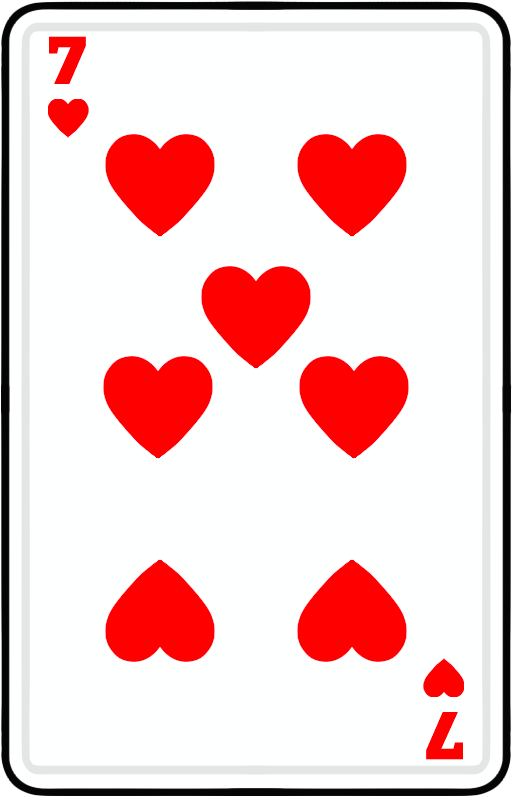
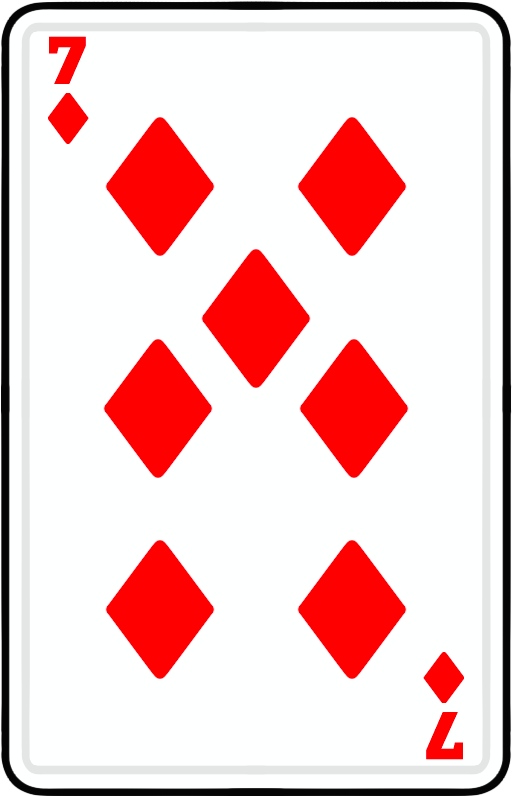
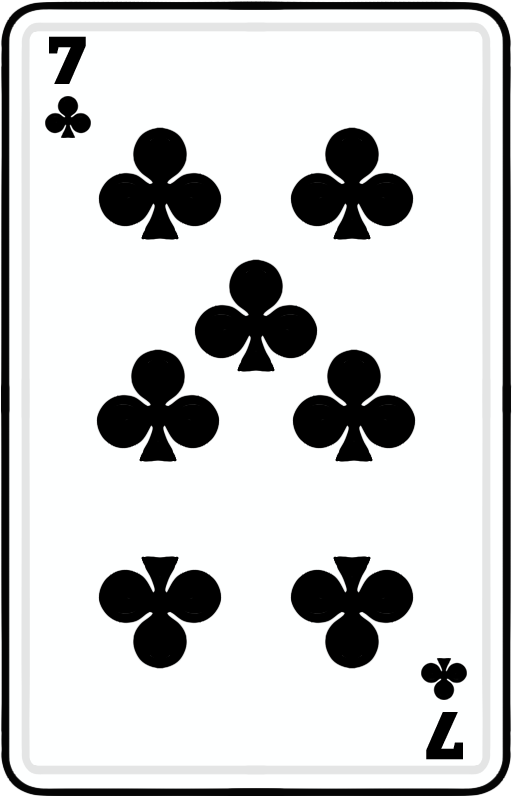
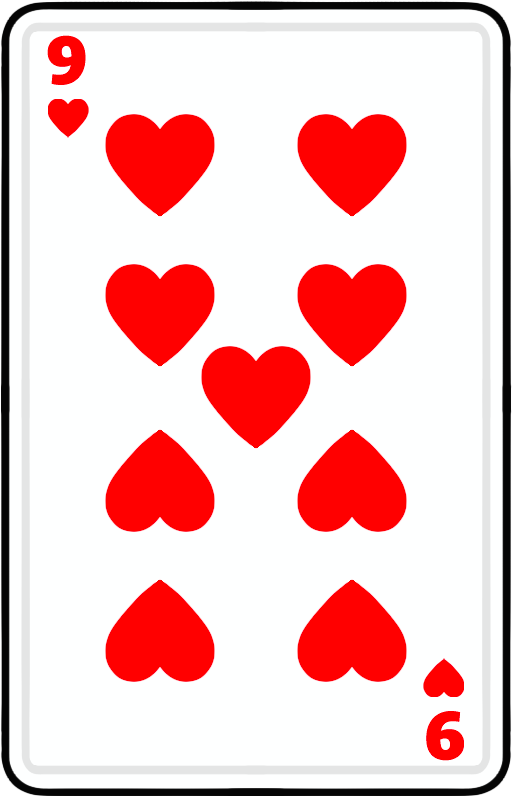
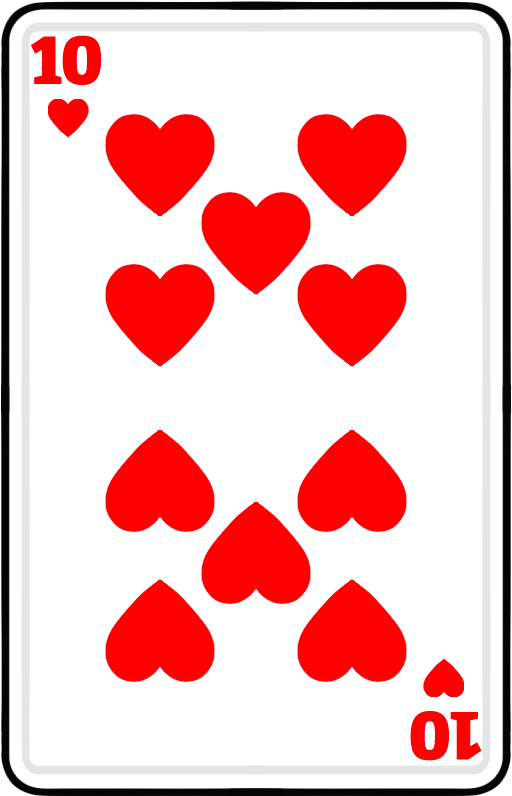
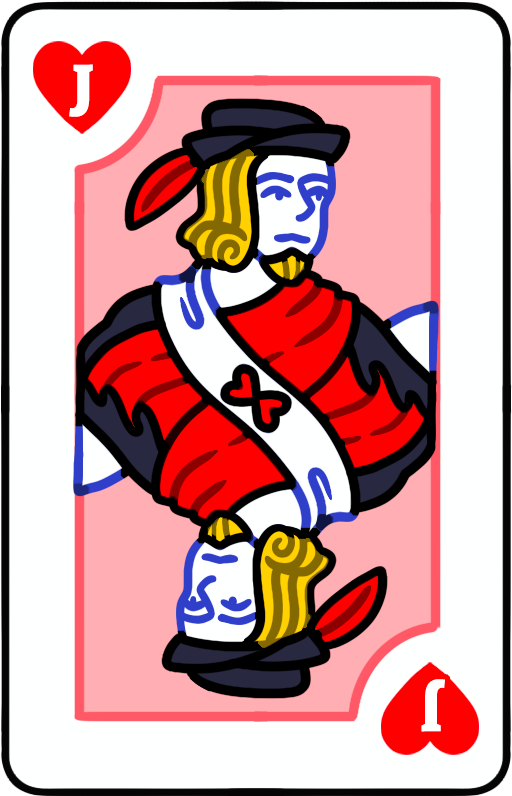
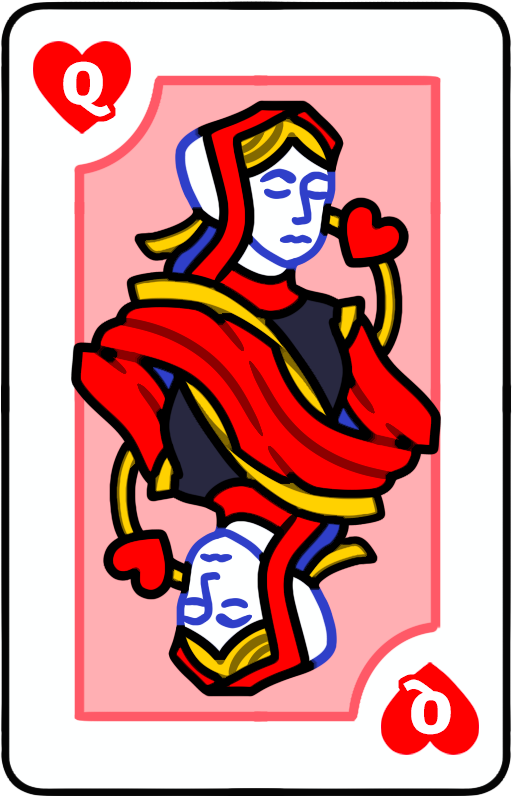
In our game the Ace is low only. Many home games let the Ace go high or low, usually not both in one run, so agree before you deal at a real table.
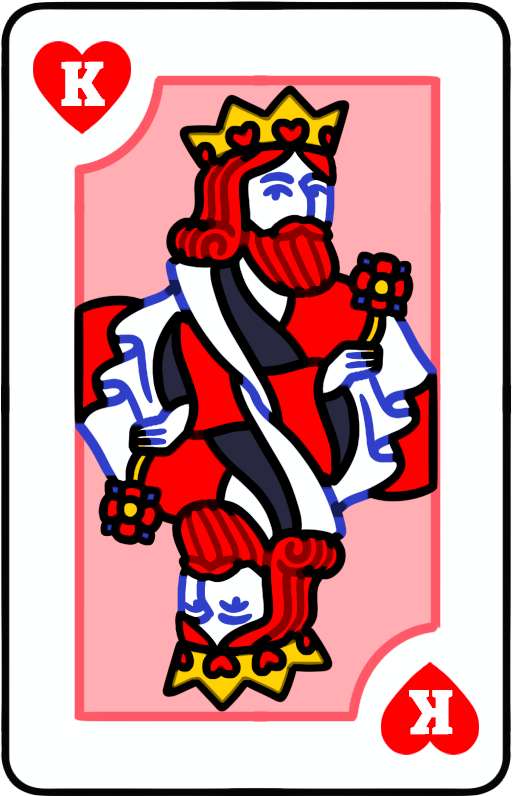
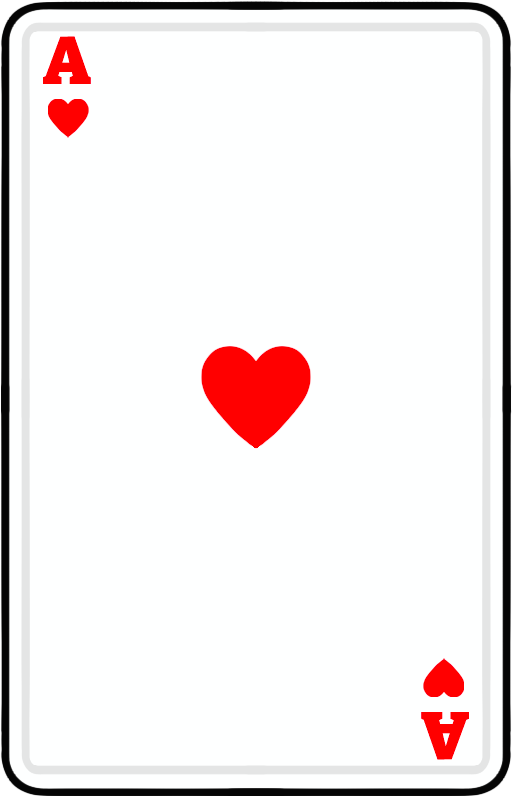
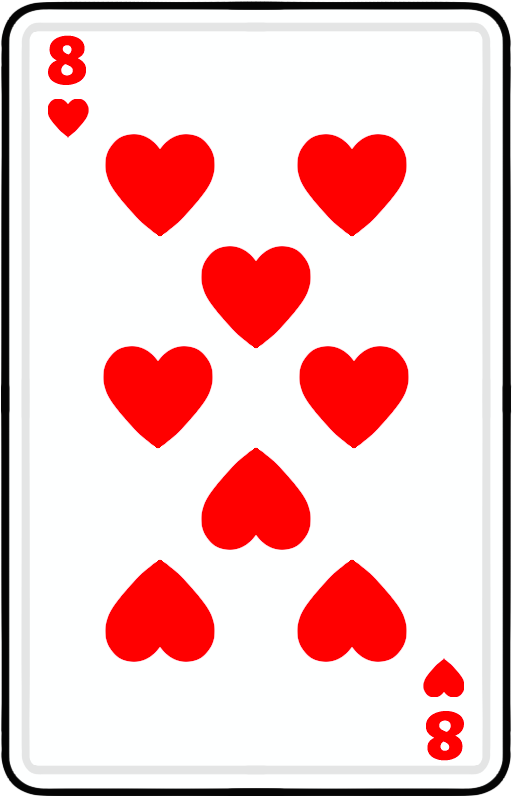
Laying off means adding one card to a meld already on the table. You can lay off on anyone's meld, and in our game you can do it before you have melded anything yourself. A set can grow to four cards and a run can grow at either end, so the 4 or the 8 of hearts both fit on a 5-6-7 of hearts. You can also put down as many melds as you like in one turn; the strictest traditional rules allow only one.
Rummy Scoring and Going Out
The hand ends the moment one player has no cards left. That player scores the value of every card still held by everyone else, even cards that would have made a meld.
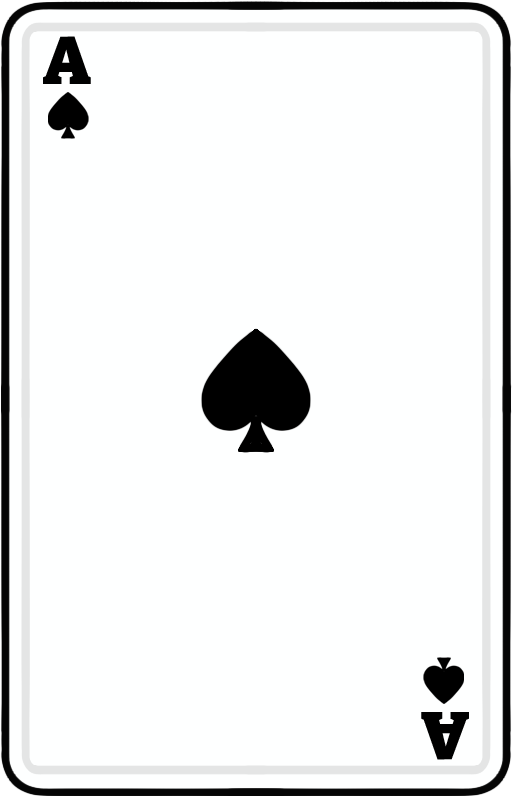 Ace1
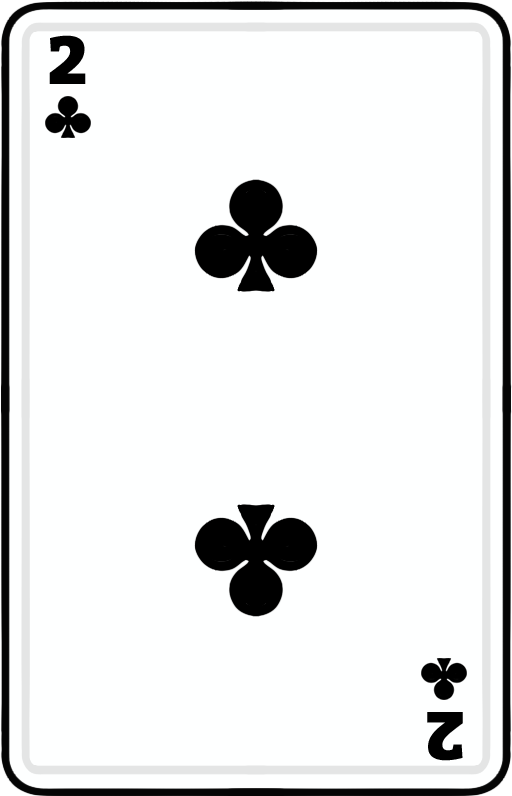 2 to 10Face value
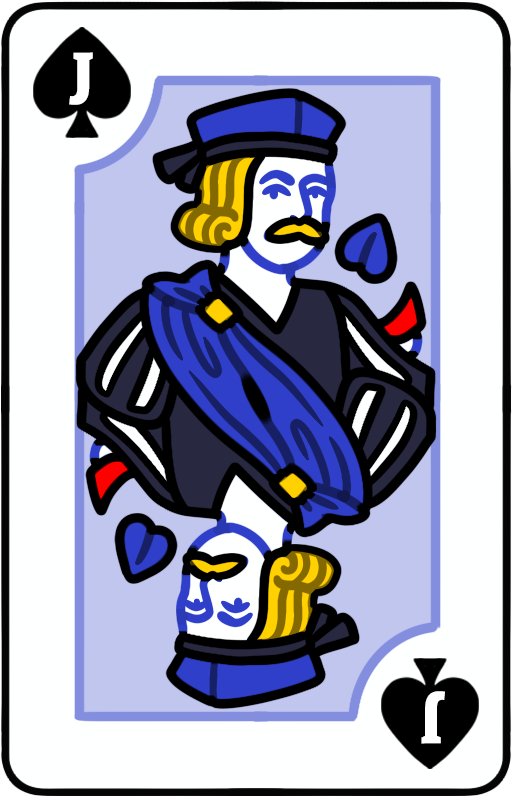
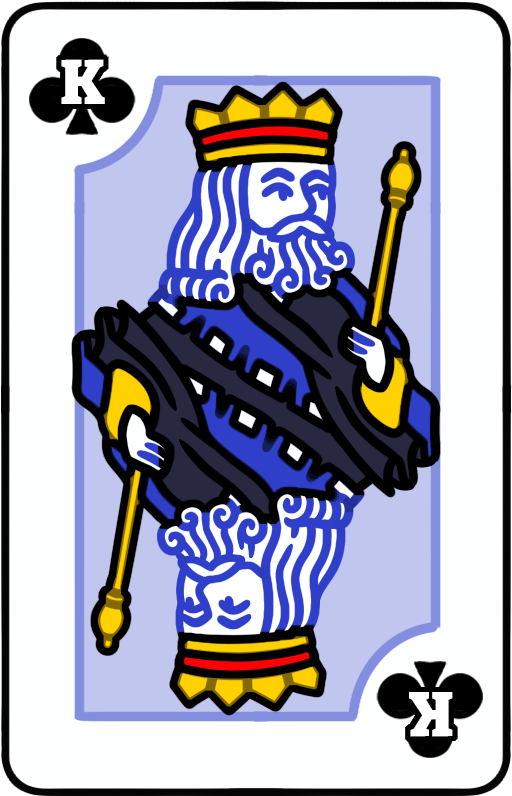 Jack, Queen, King10 each
Going out can take no discard at all: say you hold the 6 and 7 of spades and the Queen of hearts, and on the table are an opponent's run of 9, 10, and Jack of spades and a set of three Queens. You draw the 8 of spades from the stock.
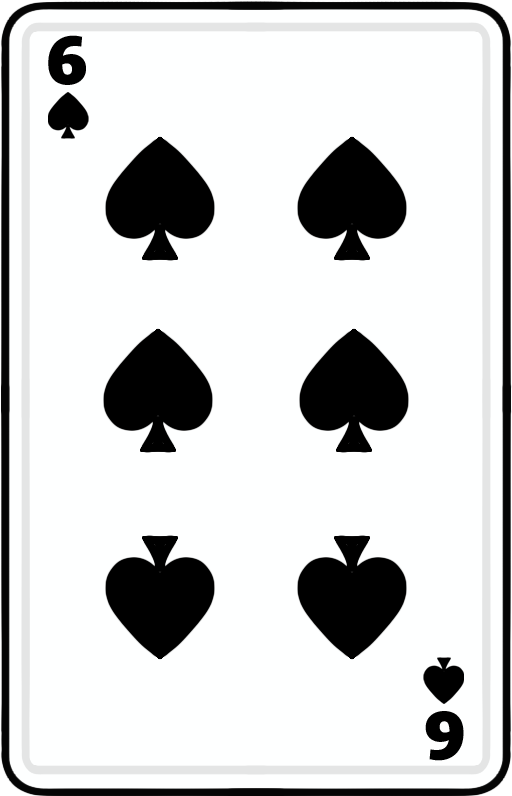
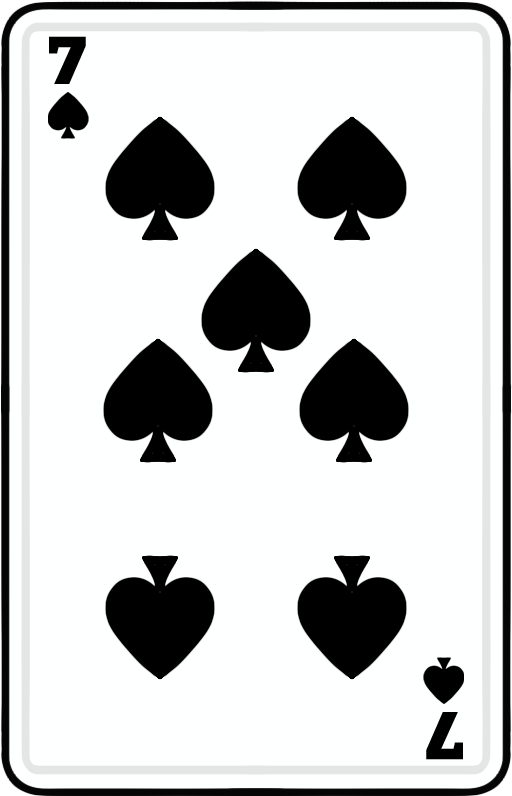
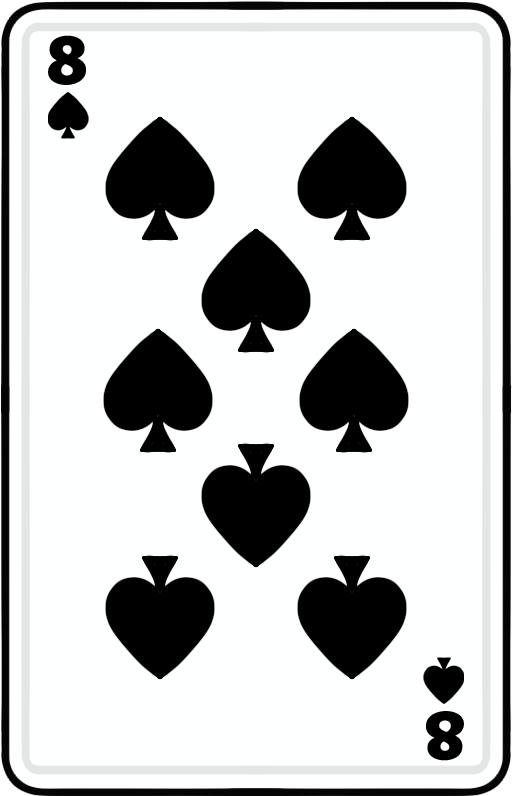
Your hand is empty, so you go out and score what the other three players are left holding:
| Player | Cards left | Card points | Hand score |
|---|---|---|---|
| Player 2 | King of diamonds, 9 of hearts, 2 and 5 of clubs | 26 | 0 |
| Player 3 | 5 of diamonds, 5 of spades, Jack of hearts, Ace of clubs, 8 of diamonds | 29 | 0 |
| Player 4 | 10 of diamonds, 10 of clubs, 7 of hearts, 4 of clubs | 31 | 0 |
| You | None | 0 | 86 (26 + 29 + 31) |
At a home table you keep a running score over several hands; 100 points is a common target, and 250 makes a longer game. Many home games also pay double to a player who goes out in one turn without having melded before, called going rummy. Our game plays a single hand with no bonus, and the result screen shows the points each player was caught holding.
If the stock runs out before anyone goes out, our game shuffles the discard pile, except its top card, into a new stock, so a hand never ends in a draw. Many rule books turn the pile over without shuffling instead.
Rummy Strategy: Five Tips
In our game a hand is the whole game, and a loss counts the same however many points you are caught holding. Every tip below aims at one thing: going out first.
- Count your outs. The 6 and 7 of hearts can be finished by two cards, the 5 or the 8. The 7 and 8 of hearts with the 7 of spades can be finished by four: the 6 or 9 of hearts, or either missing 7. The Queen and King of hearts have one out, the Jack, because the Ace only plays low.
- Throw lone end cards first. A King or an Ace fits only four three-card melds (three sets and one run), a Queen or a 2 five, and any 3 to Jack six. The end cards go first because they are the hardest to use.
- Hold finished melds until they take you out. Holding a finished meld costs you nothing here: a loss counts the same whatever you hold, and you can meld everything and go out in one turn with no discard. Melds put down early give opponents places to lay off their last cards.
- Lay off the fourth card of a set. Your 7 of clubs fits on the 7s of spades, diamonds, and hearts or on the 8-9-10 of clubs. On the set it makes four 7s, which take nothing more; on the run it opens the 6 of clubs for the next player.
- Watch the player after you. Only the top card of the discard pile can be taken, so the next player is the only one who can use your discard straight away. When they pick up the 8 of clubs, avoid throwing the 7 or 9 of clubs, or another 8.
The rummy strategy guide works through more example hands, from dead pairs to defending against the next player.
Types of Rummy Card Games
| Game | Cards dealt | The main difference | Play it here |
|---|---|---|---|
| Basic Rummy | 10, 7, or 6 | Melds go face up as you make them; the first player out wins | This page |
| Gin Rummy | 10, two players | Melds stay hidden in your hand until someone knocks with 10 points or fewer | Gin Rummy |
| Rummy 500 | 13 for two players, 7 for three or more | Your melds score for you, and you may take a card from deep in the discard pile | Not yet |
| Indian Rummy | 13, two decks with jokers | Nothing is melded until you show a finished hand, which must include a pure sequence | Not yet |
| Contract Rummy, Shanghai, Liverpool | 10 to 12, two or more decks | Each deal sets a required first meld, the contract | Not yet |
| Canasta | 11 each for four players, two decks | Same-rank melds with wild 2s and jokers; partners need a seven-card canasta to go out | Canasta |
| Tonk | 5 | Players drop instead of knocking, and a dealt hand worth exactly 49 or 50 wins at once | Tonk |
| Rummikub | 14 tiles | Played with numbered tiles, and anyone may rearrange the melds on the table | Tile game, not hosted |
Plenty of families call Rummy 500 plain "rummy", and some players use the word for Gin Rummy. Michigan Rummy is usually the board game sold as Tripoley or Rummoli, played with chips and no melding at all. The rummy variants section of our rules page covers each of these in more detail.
Where Rummy Came From
Nobody has settled where rummy began. The card historian David Parlett calls Conquian the oldest Western game in the family: a New Mexico Territory law printed in 1852 lists it among permitted games, and a Mexico City writer mentions it in 1857. Parlett traces the draw-and-discard idea further back, to Chinese card games such as Khanhoo, and calls that the likelier source, though he offers it as a theory rather than proof. The name appears as "rhum" and "rhummy" by 1905, and by 1912 English clubs were playing a two-deck version with jokers. Gin Rummy and Canasta came later; the history of rummy has the full timeline.
Frequently Asked Questions
What are the basic rules of rummy?
On your turn you draw a card from the stock or the top of the discard pile, lay down sets and runs if you want, and discard one card. The first player to get rid of every card wins and scores the cards left in the other hands. Players start with 10, 7, or 6 cards from one 52-card deck.
Are aces 1 or 11 in rummy?
In Basic Rummy an Ace counts 1 point, and in our game it is always low, so A-2-3 is a run and Q-K-A is not. Home games that also let the Ace go high usually count it higher too: 11 points in some rule books and 15 in others. Agree on the rule before the deal.
Do you deal 7 or 10 cards in rummy?
It depends on how many are playing. Two players get 10 cards each, three or four players get 7 each, and five or six players get 6 each, all from one 52-card deck. With four players that is 28 cards dealt, one card turned up, and 23 left in the stock.
What are the rules for 7 card rummy?
Seven-card rummy is ordinary Basic Rummy with a seven-card deal, which is the standard hand for three or four players. The rules do not change: draw, meld sets and runs, lay off, and discard, until someone goes out. Some families also deal 7 to two players instead of 10 for a shorter game.
Is rummy a two-player game?
Yes. Rummy plays well with two, each holding 10 cards, and it also takes three to six players from one deck. With two, the player who did not deal goes first. In our game, choose 2P above the table to play a single computer opponent, or 6P to face five computer players.
What's the difference between rummy and Gin Rummy?
The main difference is where the melds go: in Basic Rummy you lay them face up as you make them and anyone can add to them, while in Gin Rummy they stay hidden in your hand until someone knocks with 10 or fewer deadwood points. Gin is usually for two players; Basic Rummy takes two to six.
What is the 10 points rule in rummy?
Basic Rummy has no 10-point rule, and our game has none. The phrase usually comes from other rummy games: in Gin Rummy you may knock once your unmatched cards total 10 or less, and in Indian Rummy the Ace and picture cards count 10 each. Some home games also give 10 bonus points for going rummy.
Play Rummy Free
Play in your browser against one to five computer players, with every meld checked and every hand scored for you. At the end of a hand, Challenge a Friend sends a friend a link to the same shuffled deck; at the default four-player table that means the same deal, so you can compare results. Or browse every card game we host.