

What Is Double Deck Pinochle?
Double deck pinochle is a partnership game for four players built on an 80-card deck: four copies each of the Ace, Ten, King, Queen and Jack, and no nines at all. You hold 20 cards, your partner sits opposite, and the two of you bid against the other pair for the right to name trump.
Dropping the nines is what separates this from the 48-card game most players learn first. No nines means no dix meld. Four copies of every card instead of two means melds reach triple and quadruple values that a single deck can never produce, and it means exact ties happen in almost every trick.
The bid is a promise about meld and captured counters combined. Miss it and you score nothing for the hand and lose the whole bid, which is why the auction decides more games than the card play does.
How to Play Double Deck Pinochle
- Deal 20 cards each. Four players in fixed partnerships, partners opposite. Deal the whole 80-card deck, 20 to each player. No widow, no kitty, nothing held back.
- Bid for the right to name trump. Bidding opens at 50 and rises by 1 to 60, then in fives. A pass is final. If three players pass, the dealer is stuck at 50 and cannot throw the hand in.
- Name trump, holding a marriage in it. The high bidder names trump and must hold a King and Queen in that suit. Hold no marriage anywhere and the hand is thrown in against you.
- Score the meld. Before the first trick, both partners score their card combinations and add them together. A run in trump is 15, a double run 150.
- Play 20 tricks. Follow suit, beat the highest card when you can, trump when void, and overtrump when the trick is already trumped.
- Add meld to counters. Aces, Tens and Kings are worth a point each, 48 in the deck, plus 2 for the last trick. Miss your bid and you score nothing and lose the bid.
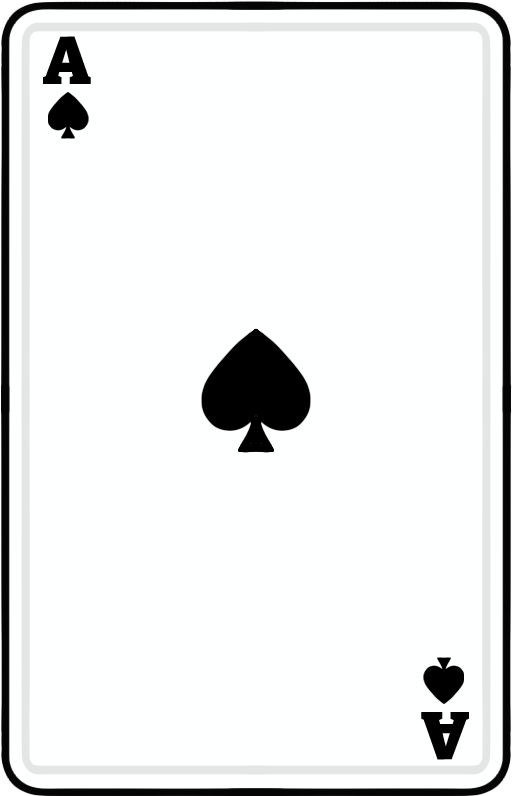
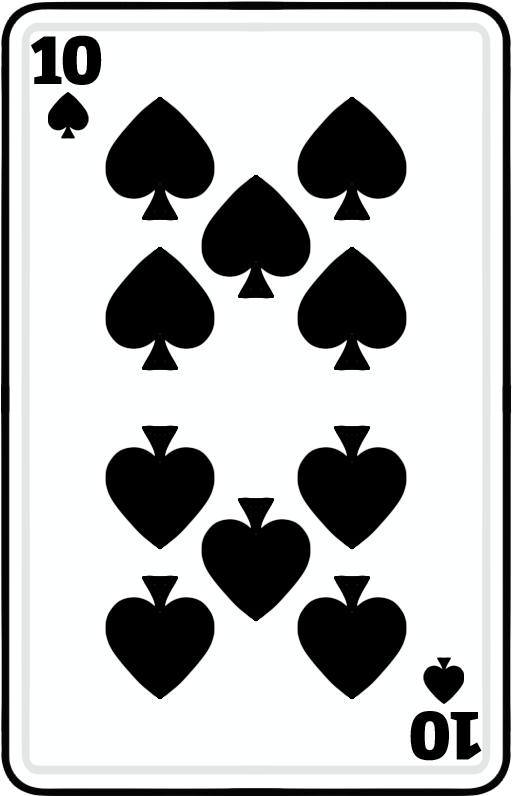
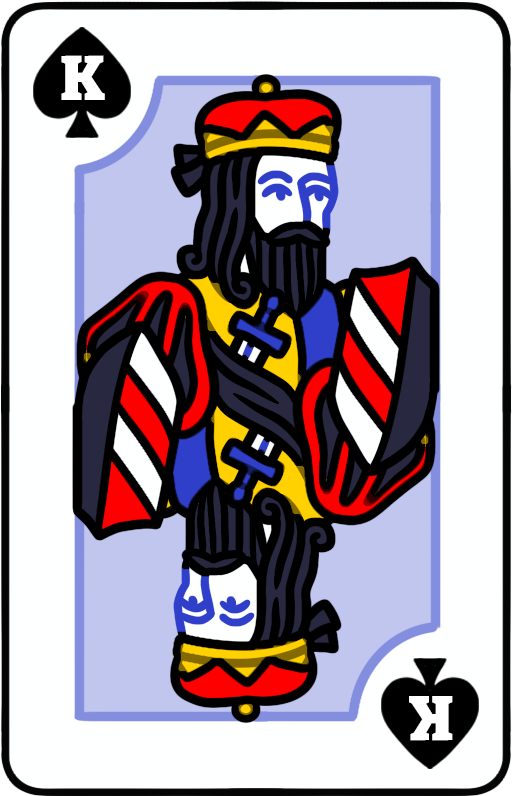
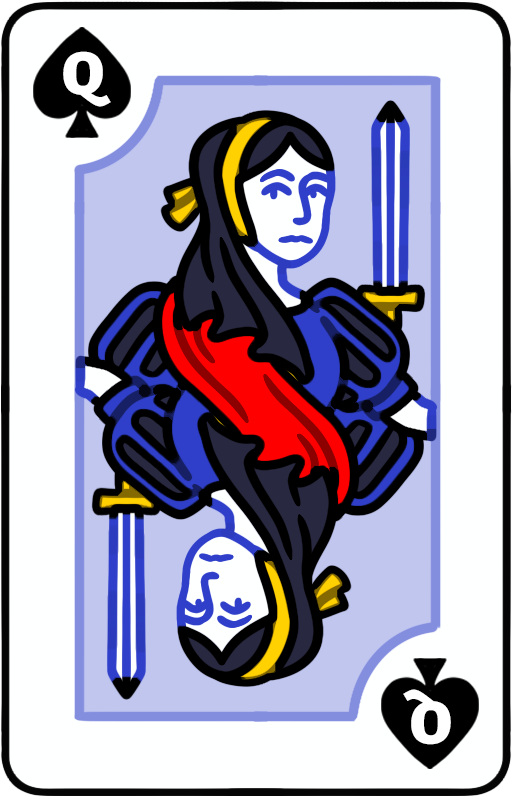
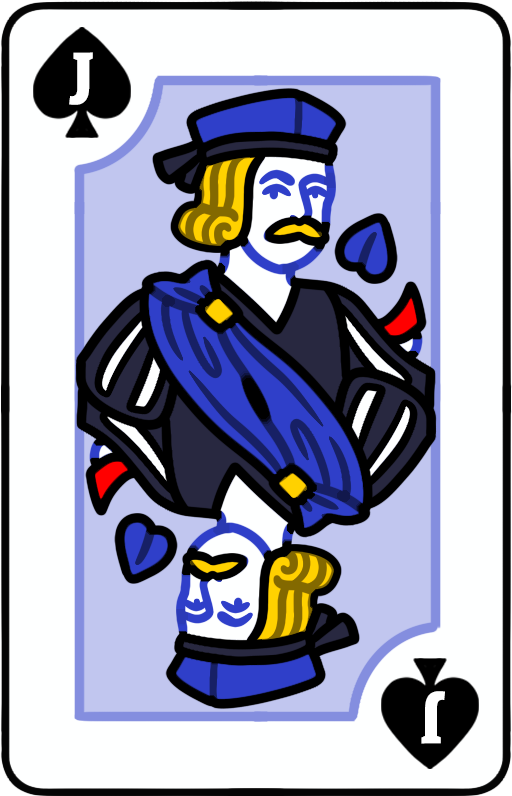
Cards rank Ace, Ten, King, Queen, Jack from high to low. The Ten sitting above the King surprises most new players, and it matters twice over: the Ten wins tricks the King cannot, and it is also a counter worth a point. Full double deck pinochle rules.
The Double Deck Pinochle Meld Table
Meld is scored after trump is named and before the first trick, and both partners add their totals together. These are the standard modern double-deck values.
| Meld | Single | Double | Triple | Quad |
|---|---|---|---|---|
| Run in trump | 15 | 150 | 225 | 300 |
| Royal marriage | 4 | 8 | 12 | 16 |
| Marriage | 2 | 4 | 6 | 8 |
| Pinochle | 4 | 30 | 60 | 90 |
| Aces around | 10 | 100 | 150 | 200 |
| Kings around | 8 | 80 | 120 | 160 |
| Queens around | 6 | 60 | 90 | 120 |
| Jacks around | 4 | 40 | 60 | 80 |
Three rules settle most meld arguments. Runs only count in trump, so an A-10-K-Q-J in a plain suit scores nothing beyond the marriage buried inside it. A run already contains its royal marriage, so those two cards cannot also score separately, though a second trump King and Queen can. And doubling means two complete copies of the meld, not one copy with a spare card attached.
One card can serve several melds at once so long as they belong to different classes. The Queen of spades can sit in a marriage, a pinochle and queens around on the same hand. What it cannot do is count twice within the same class.
Double Deck vs Single Deck Pinochle
The two games share a family name and very little else. Anyone moving across should expect the meld values to feel wrong until they adjust: double deck runs on a scale ten times smaller.
| Double deck | Single deck | |
|---|---|---|
| Cards | 80 | 48 |
| Ranks used | 10, J, Q, K, A | 9, 10, J, Q, K, A |
| Copies of each card | Four | Two |
| Cards dealt each | 20 | 12 |
| Card passing | None | Yes |
| Run in trump | 15 | 150 |
| Minimum bid | 50 | 250 |
| Game to | 500 | 1,500 |
The missing card passing changes the feel most. In single-deck pinochle the bidder and their partner trade cards after the auction, so a thin bid can be rescued. Here the deal is the deal, and a partnership that overbids has no way to repair it.
Why Four Copies Changes Everything
Every card in this deck exists four times, and the consequence shows up in almost every trick: two identical cards meet, and the one played first wins. Lead the Ace of hearts second and you lose to the Ace that was already on the table.
It also reshapes the meld. Holding one Ace in every suit is worth 10. Holding two of each is not 20 but 100, and all four of each is 200. Those jumps are why a hand that looks ordinary can carry a bid of 90, and why counting your meld carefully before you bid matters more than in any other pinochle variant.
Scoring and Going Set
Aces, Tens and Kings are counters worth one point each. There are 48 in the deck and the last trick is worth 2, so every hand holds exactly 50 trick points. Queens and Jacks are worth nothing, which makes them the cards you throw away when a trick is lost.
Add your meld to your counters. Reach the bid and both sides score what they made. Fall short and the bidding side is set: it scores nothing for the hand, not even the meld it already displayed, and the full bid comes off its total. A partnership can finish a hand on minus 90.
Game is 500. If both sides cross 500 on the same hand the bidding side wins, which is the game rewarding whoever took the risk rather than whoever happened to be counting faster.
Frequently Asked Questions
What is double deck pinochle?
A partnership card game for four players using 80 cards: four copies each of Ace, Ten, King, Queen and Jack, with no nines. Each player holds 20 cards. Partnerships bid for the right to name trump, score their melded combinations, then play 20 tricks. First side to 500 wins.
How many cards are in a double deck pinochle deck?
80. Four identical copies of the Ace, Ten, King, Queen and Jack in each of the four suits. Build it from two pinochle decks with the nines removed, or from four standard decks with 2 through 9 removed.
What is the minimum bid in double deck pinochle?
50. Bids rise by 1 up to 60, then in multiples of 5. A pass is final, and if the first three players pass the dealer is stuck with the bid at 50 and cannot pass the hand out.
What is a double run worth in double deck pinochle?
150 points. A double run means two complete A-10-K-Q-J sets in the trump suit, not a run with a spare card attached. A single run is 15, a triple 225 and a quadruple 300.
Do you have to beat the highest card in double deck pinochle?
Yes, at most tables. You must follow suit and beat the highest card played if you can, trump when void in the led suit, and overtrump when the trick has already been trumped. Some tables relax this so it only applies when trump is led.
What happens when two identical cards are played to the same trick?
The copy played first wins. With four copies of every card in the deck this comes up constantly, so the second Ace of hearts played to a trick loses to the first one.
What does it mean to be set in pinochle?
The bidding partnership failed to reach its bid from meld and captured counters combined. A set side scores nothing at all for the hand, not even its meld, and the full amount of the bid is subtracted from its running total. The defenders keep what they earned.
How is double deck pinochle different from regular pinochle?
The deck has 80 cards instead of 48 and drops the nines, so there is no dix meld. You hold 20 cards rather than 12, there is no card passing, and the meld scale is ten times smaller: a run in trump is 15 here against 150 in the single-deck game.
Play Double Deck Pinochle Online Free
Play free against three AI opponents, no download and no account. The game scores your meld as you name trump, marks which cards you may legally play, and tracks the running counter total so you can see whether the bid is still on.
New to the game? Start with the rules, or try single-deck Pinochle, Euchre and Bid Whist for other partnership trick-taking games.