

Last updated
Crescent Solitaire Rules
The goal of Crescent Solitaire is to build all 104 cards of two decks onto eight foundations: the four Aces up to their Kings and the four Kings down to their Aces. This page is the full rule set of the game on this site, with the older versions it comes from, the common variants, and the terms players use.
For a shorter start with a real deal and a worked opening, read how to play Crescent Solitaire.
The Layout
Two standard decks, no jokers. Take out one Ace and one King of each suit to start the foundations and deal the other 96 cards face up into 16 piles of six: 4 + 4 + 96 = 104.
| Part | Cards | Face | Rule |
|---|---|---|---|
| Ace foundations | 4 | Up | One Ace per suit; each builds up in its suit to the King |
| King foundations | 4 | Up | One King per suit; each builds down in its suit to the Ace |
| Piles | 96 (16 x 6) | Up | Only the top card of each pile can move |
| Stock | 0 | - | There is none; three reshuffles take its place |
Each suit has 26 cards across the two decks. An Ace and a King start its two foundations, and the other 24 are somewhere in the piles. Each foundation ends with all 13 ranks of its suit, so one copy of every rank goes up and the other comes down.
Legal Moves
- To an Ace foundation: a top card of the same suit, one rank higher than the card showing. The 2 of clubs goes on the Ace of clubs.
- To a King foundation: a top card of the same suit, one rank lower than the card showing. The Queen of clubs goes on the King of clubs.
- Onto a pile: a top card onto the top card of another pile of the same suit, one rank higher or lower. A 7 of clubs takes the 6 or the 8 of clubs; a 7 of spades or a 9 of clubs will not do.
- Rank order on the piles: Ace, 2, 3, and so on to 10, Jack, Queen, King, and around again, so a King and an Ace of the same suit are neighbors. The foundations do not wrap.
- One card at a time: a run of cards in one pile never moves as a unit. Moved across card by card, it lands in reverse order.
- Empty piles: once a pile is cleared, no card can go into the space.
- Foundations are final: a card on a foundation never moves again, to a pile or to the other foundation of its suit.
- Two choices: when the Ace foundation of a suit shows the 5 and the King foundation shows the 7, a 6 of that suit fits both, and you pick.
The Reshuffle
- What it does: the bottom card of every pile holding two or more cards moves to the top of that pile. The other cards keep their order, and nothing is shuffled at random.
- Which piles: all of them at once. A pile with one card and an empty pile are left as they are.
- How many: three per game, used whenever you like; the button works even while other moves remain.
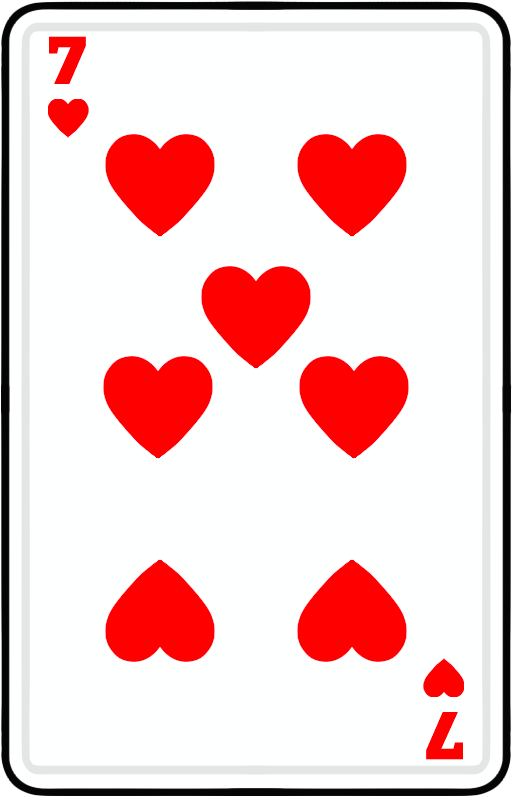
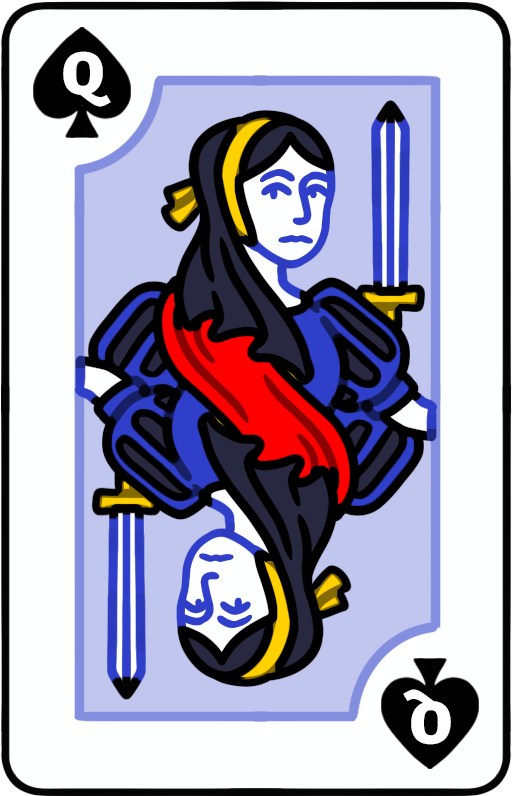
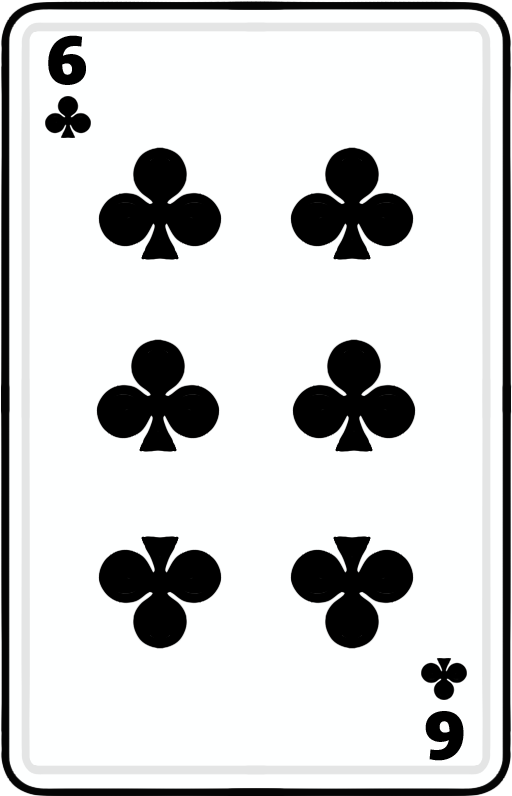
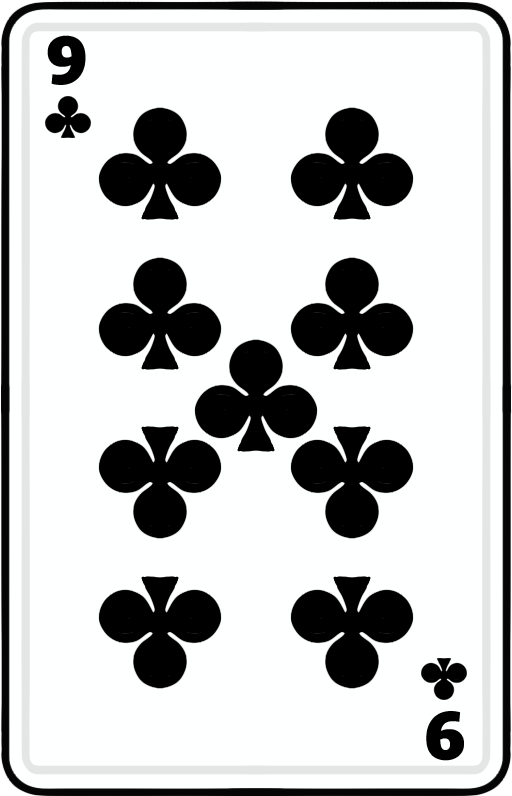
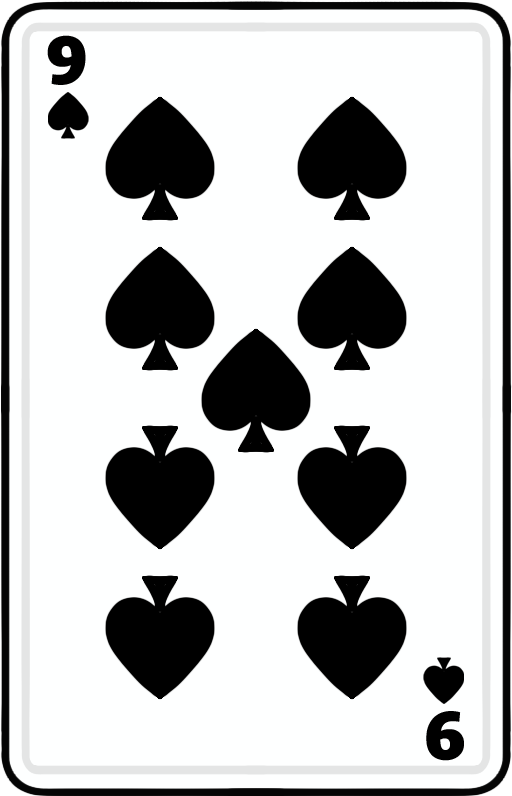
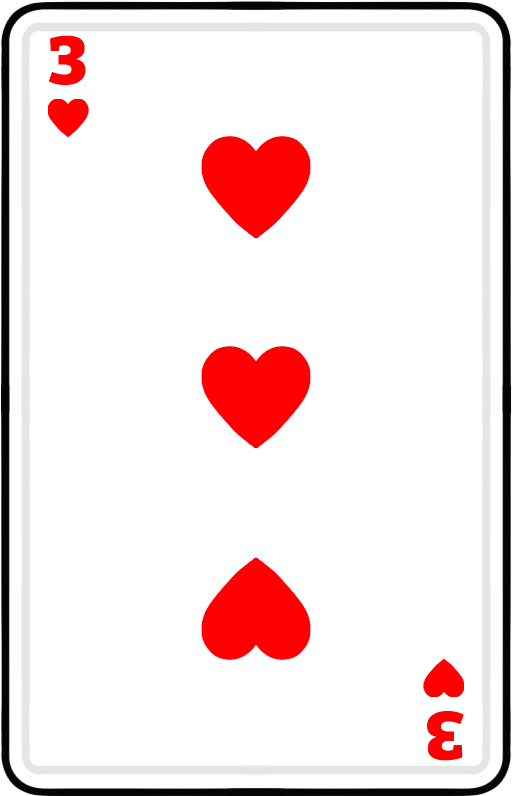
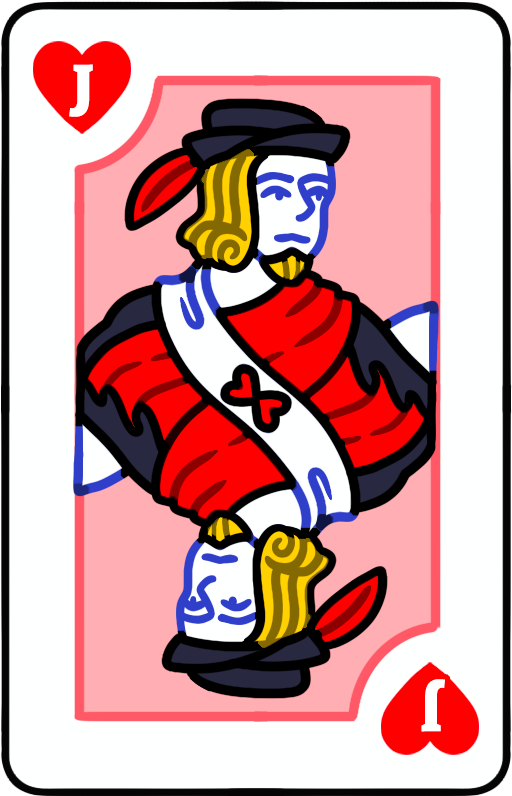
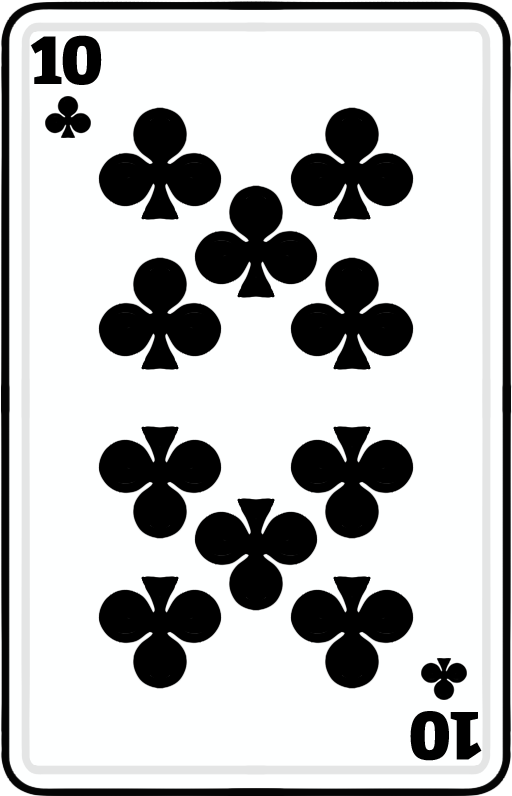
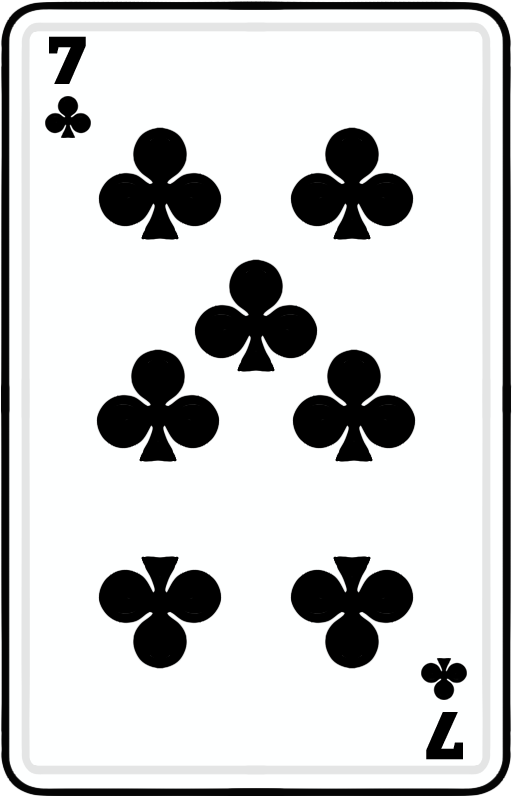
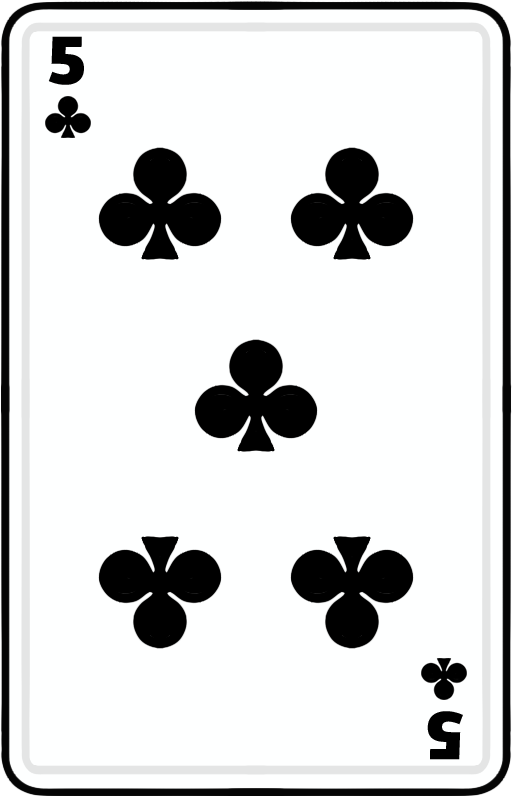
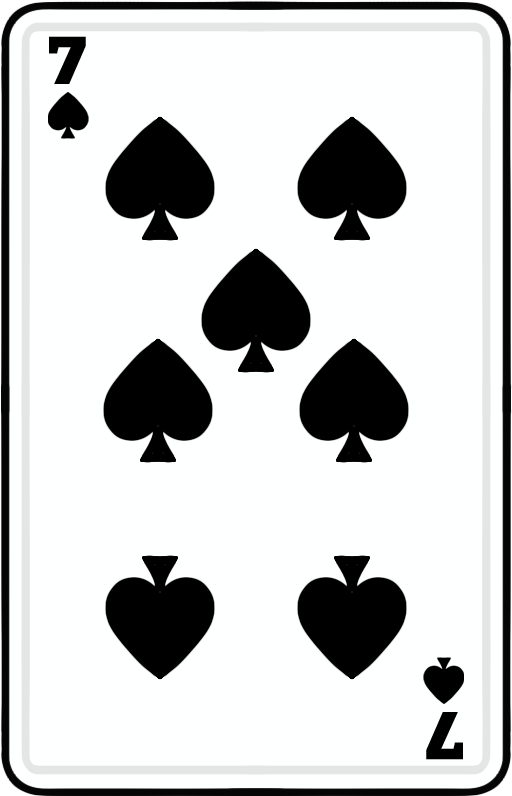
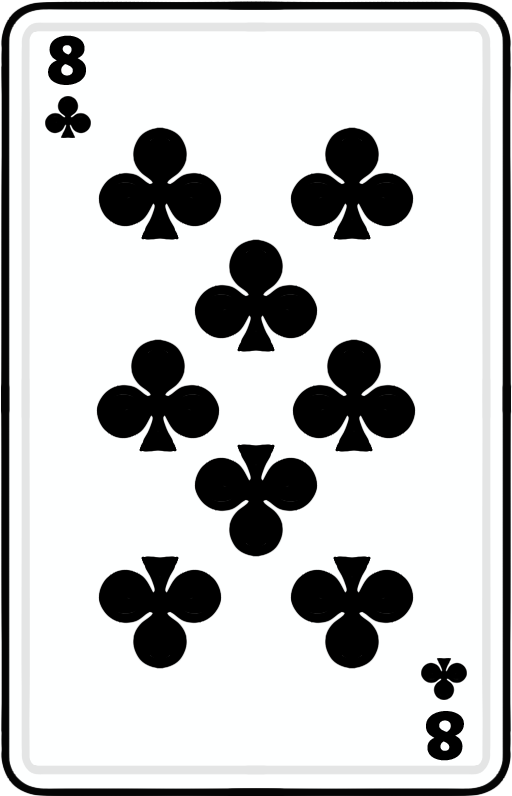
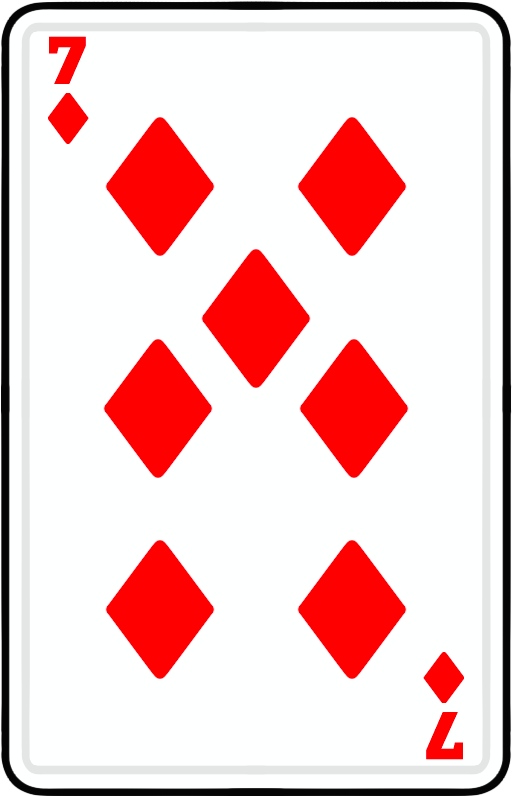
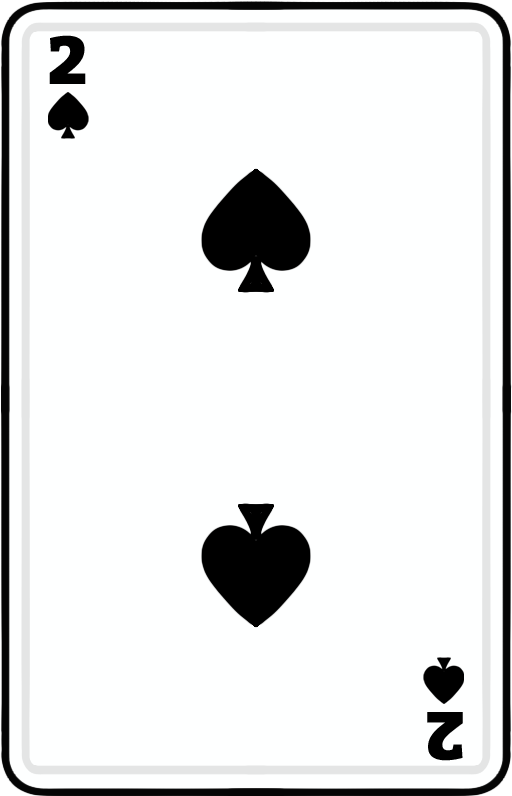
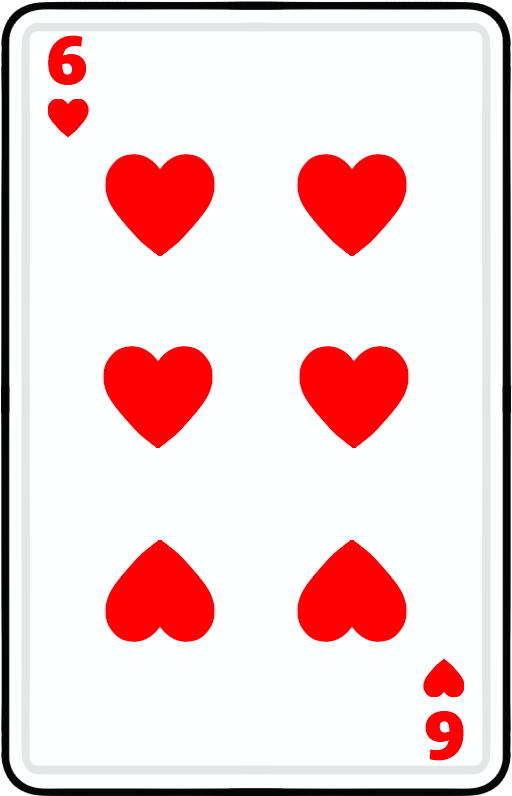
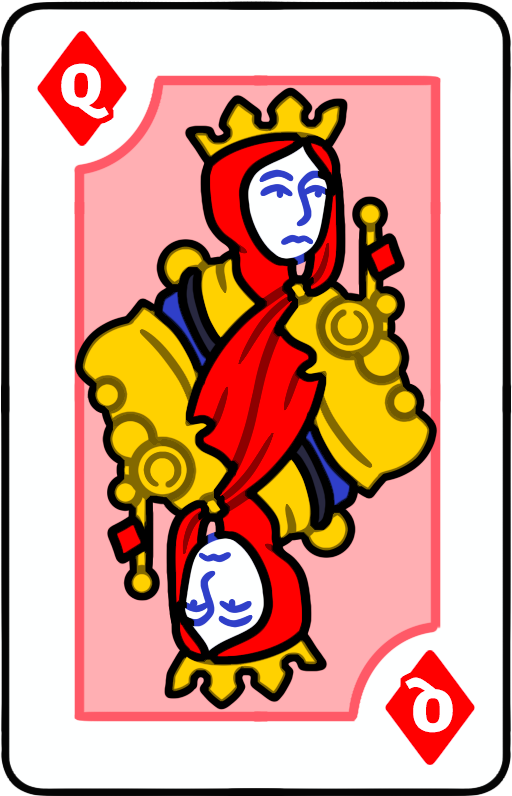
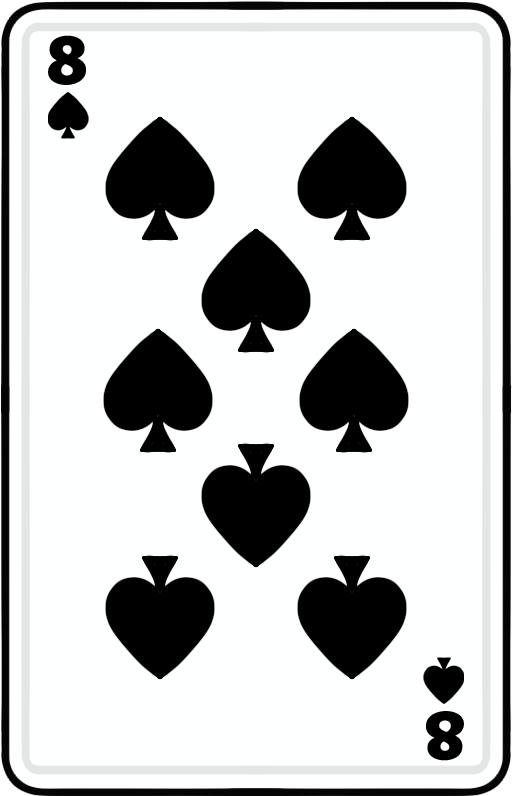
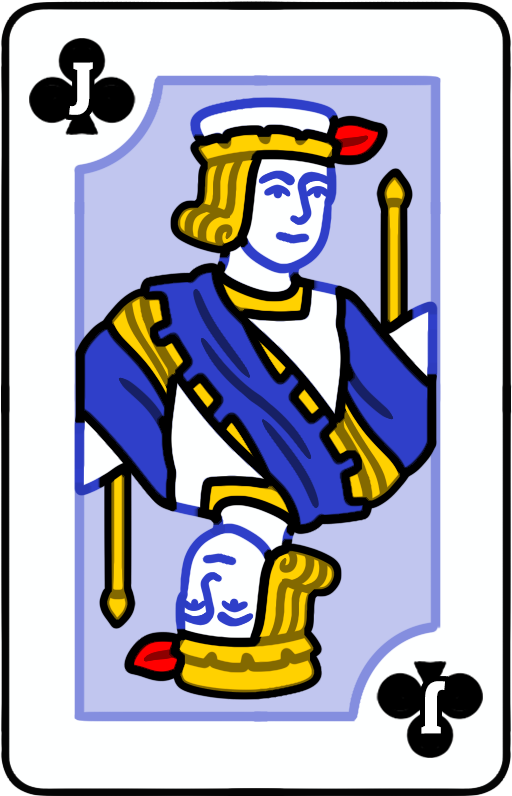
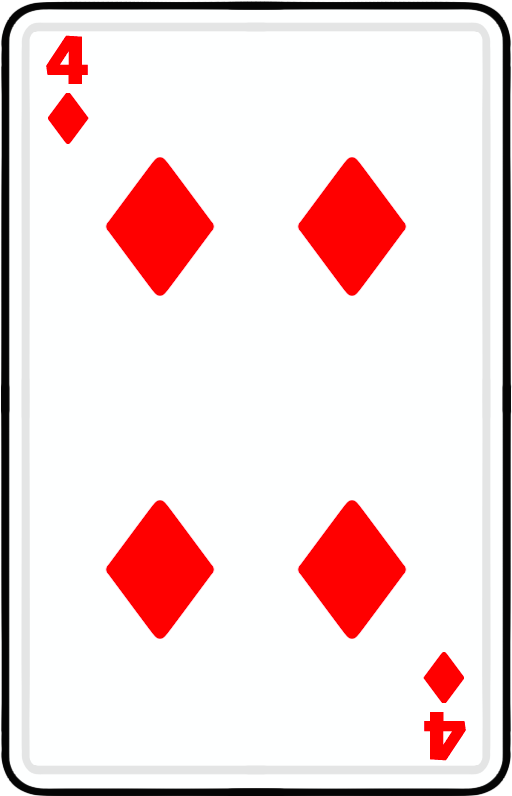
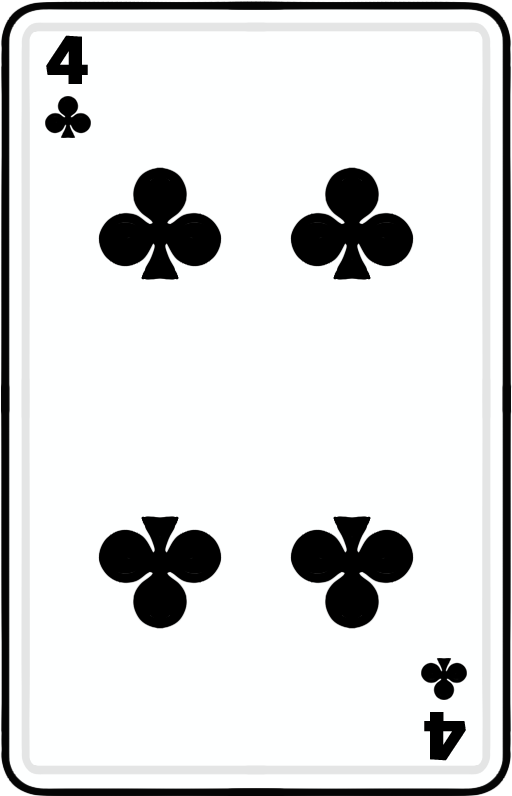
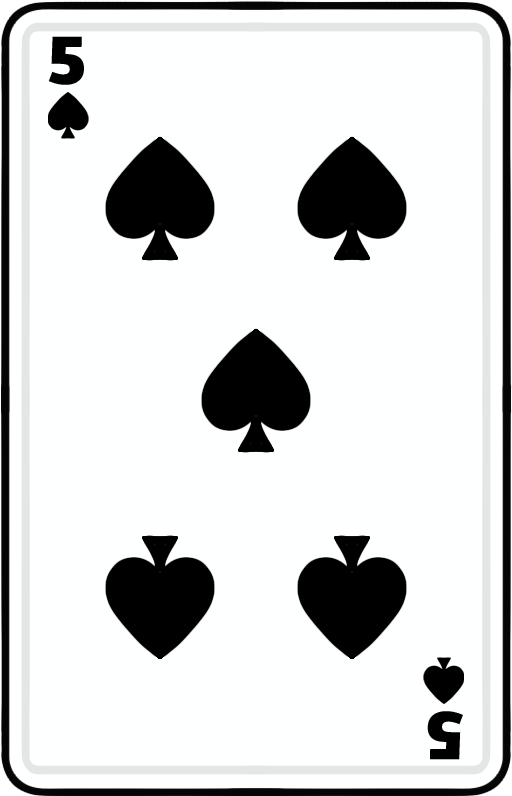
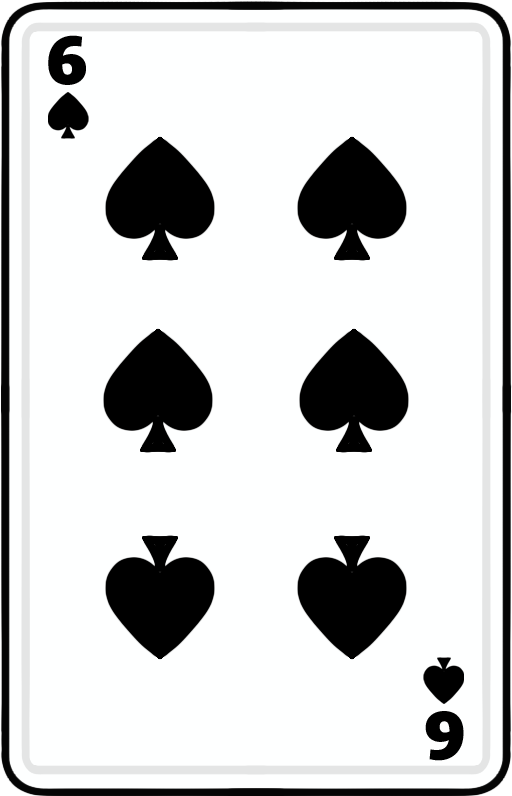
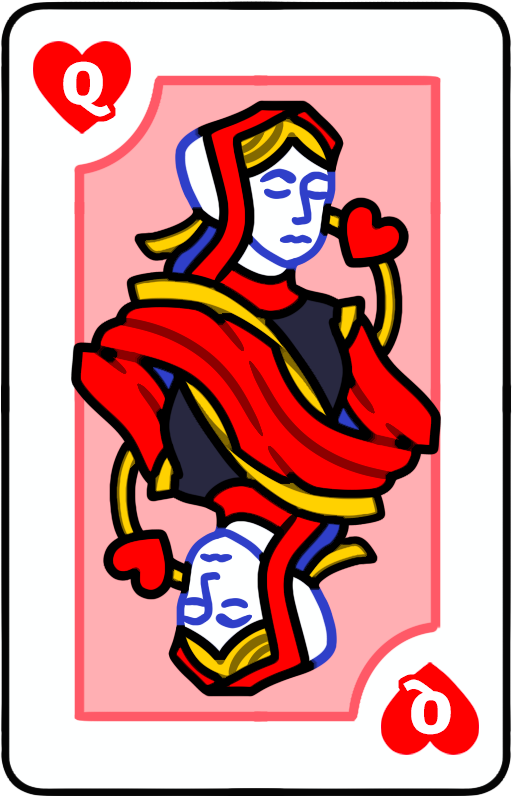
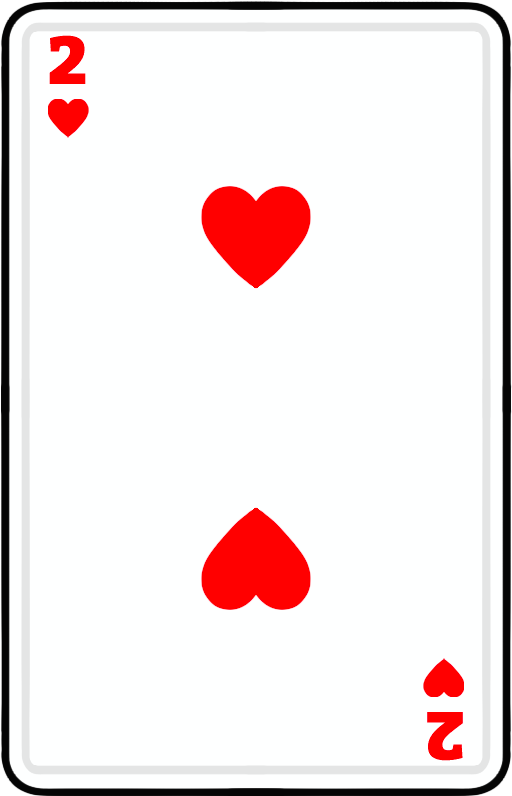
Compare it with the same deal as dealt on the Crescent Solitaire page. In our game the Queen of spades and the 2 of hearts then go to their foundations by themselves, because each fits exactly one foundation and no pile. Played before any other move, the three reshuffles bring up the cards that started first, second, and third from the bottom of each pile.
Winning and Losing
You win when all 104 cards are on the foundations: each Ace foundation runs Ace to King and each King foundation runs King to Ace, 13 cards of one suit apiece.
You lose when no top card can go to a foundation or onto another pile and no reshuffle is left. If the cards are stuck but a reshuffle remains, the game waits for you to use it. When the deal is over, our game ends it for you and shows how many cards reached the foundations. Some deals cannot be won at all; the odds section shows one.
Classic, Open, and Other Versions
Crescent has been printed with different rules for more than a century, and the differences change how often a deal can be won. Professor Hoffmann described it in 1892 with every pile card face up. Albert Morehead and Geoffrey Mott-Smith, in 1949, dealt five of each six face down but let you move cards between the two foundations of a suit, and they rated the game a win 9 times in 10.
| Rule | Our game | Hoffmann, 1892 | Morehead and Mott-Smith, 1949 | Other versions |
|---|---|---|---|---|
| Pile cards | All face up | All face up | Top card up, five face down | Both; the face-up game is often called Open Crescent |
| Building on the piles | Same suit, up or down, King-Ace wrap | Same suit, in sequence | Same suit, up or down, King-Ace continuous | Same suit, up or down, usually with the wrap |
| Reshuffles | 3 | 3 | 3 | 3 in the classic game; some sites offer 6 or 9 |
| Cards between foundations | Never | Not mentioned | Allowed once the two foundations of a suit meet | Some allow it, and some let cards go back to the piles |
| A card that fits both foundations | You choose | Held between the rows until the next card decides | You choose, and can fix it later by moving cards between foundations | You choose |
| Empty piles | Stay empty | Not mentioned | Never filled | Never filled |
Our game follows Hoffmann in dealing everything face up and Morehead and Mott-Smith in connecting King and Ace on the piles, with the classic three reshuffles. It has none of the extras that make other versions easier: no moves between foundations, no cards back off a foundation, and no extra reshuffles.
Crescent Variants
- Crescent Four. A fourth reshuffle, which makes the game easier.
- Six or nine reshuffles. Some online versions offer these as easier settings, with three kept for the hardest.
- Closed Crescent. Only the top card of each pile is face up, and the rest turn over as they are uncovered: the 1949 book deal.
- Reversal. When the two foundations of a suit meet in sequence, cards may move from one to the other, except the Ace and King at the bottom.
- Give-backs. The top card of a foundation may return to a pile. A few online versions allow it.
None of these is available in our game. For other two-deck solitaires, try Spider, which builds down in any suit and deals from a stock, or Forty Thieves, which also moves one card at a time but builds only down in suit.
Crescent Glossary
- Foundation
- One of the eight piles in the middle that you build the whole game onto. Each suit has two.
- Ace foundation
- A foundation that starts with an Ace and builds up in its suit: 2, 3, and so on to the King.
- King foundation
- A foundation that starts with a King and builds down in its suit: Queen, Jack, and so on to the Ace.
- Pile
- One of the 16 stacks of six cards dealt around the foundations; also called a heap or a tableau pile.
- Top card
- The last card dealt or placed on a pile, and the only one of that pile that can move.
- Build
- To place a top card on a same-suit card one rank away, on a pile or a foundation. A run of such cards is also called a build.
- Wrap
- Turning the corner from King to Ace: on the piles a King and an Ace of the same suit count as neighbors.
- Reshuffle
- Moving the bottom card of every pile with two or more cards to its top. Other rule sets call it a shift or a redeal. Three are allowed.
- Reversal
- In some versions, moving cards from one foundation of a suit onto the other when their top cards are in sequence. Our game has no reversal.
- Open and closed
- Open Crescent deals every pile card face up, as ours does; a closed deal shows only the top card of each pile.
Quick Reference
- Decks: 2, 104 cards
- Foundations: 4 Aces building up and 4 Kings building down, all by suit
- Piles: 16 of six, all face up; only top cards move
- Building on piles: same suit, one rank up or down, King-Ace wrap, one card at a time
- Empty piles: never refilled
- Reshuffles: 3; bottom card of each pile to the top
- Win: all 104 cards on the foundations