

Cribbage Rules
Under standard cribbage rules, the goal is to be first to 121 points. Most points come in two stages each deal: pegging, as players lay cards toward a count of 31, and the show, when each hand is counted for fifteens, pairs, runs, flushes, and nobs. The standard game is for 2 players with one 52-card pack and no jokers; 3 and 4 players use a five-card deal. The rules of cribbage below follow that standard game and the American Cribbage Congress (ACC) tournament rulebook. Our game plays the two-player, six-card version, you against the computer, and counts every hand automatically.
Quick Reference
Cribbage rules for 2 players deal 6 cards each, send 2 from each hand to the dealer's crib, and end at 121.
| Players | 2; three and four players use a five-card deal |
|---|---|
| Deck | 52 cards, jokers removed |
| Deal | 6 cards each, one at a time, pone first |
| Crib | 2 cards from each player, 4 in all, scored by the dealer |
| Starter | Cut by the pone, turned by the dealer; a Jack pegs 2 for the dealer |
| Count limit | 31 during the play |
| Target | 121; the winning score need not land on it exactly |
| Card values | Ace 1, 2 to 10 face value, Jack, Queen, and King 10 |
| Ace | Always low: A-2-3 is a run, Q-K-A is not |
| Counting order | Pone's hand, dealer's hand, crib |
| Skunk lines | Skunk: loser on 90 or less. Double skunk: loser on 60 or less |
One Deal, Step by Step
- Cut and deal. The lower cut deals first, giving each player 6 cards one at a time, starting with the pone.
- Build the crib. Each player lays 2 cards face down in the crib, which scores for the dealer.
- Turn the starter. After the discard, the pone splits the pack and the dealer turns up the top card of the lower packet as the starter; a Jack pegs 2 for the dealer, called his heels.
- Peg to 31. Lay cards alternately, pone first, keeping a running count, and peg 2 for making 15 or 31, 2 for a pair, 6 for three of a kind, 12 for four of a kind, and 1 per card for a run of three or more.
- Call go. Call go when no card fits under 31. The other player plays on while able; whoever lays the last card pegs 1, or 2 for exactly 31, and the count restarts. The final card of the hand scores the same way.
- Count the show. Score each hand with the starter for fifteens, pairs, runs, flushes, and nobs, in the order pone's hand, dealer's hand, crib.
- Play to 121. Deal again, alternating dealer, until someone reaches 121; the game ends on the point that gets there, even partway through the show.
The Deal
The player who cuts the lower card deals first. Each player cuts the pack, the Ace counts lowest, and two cards of equal rank mean a reshuffle and a fresh cut. Under ACC rules the first player cuts at least 4 cards and no more than half the pack, and the second leaves at least 4 behind. After the first hand the deal alternates, and the ACC requires the pone to cut the pack before every deal.
The dealer gives each player 6 cards, one at a time, starting with the pone. That puts 12 cards in play and leaves 40 in the pack. After the discard and the starter, each hand holds 4, the crib 4, and the starter 1, with 39 unused: 4 + 4 + 4 + 1 + 39 = 52.
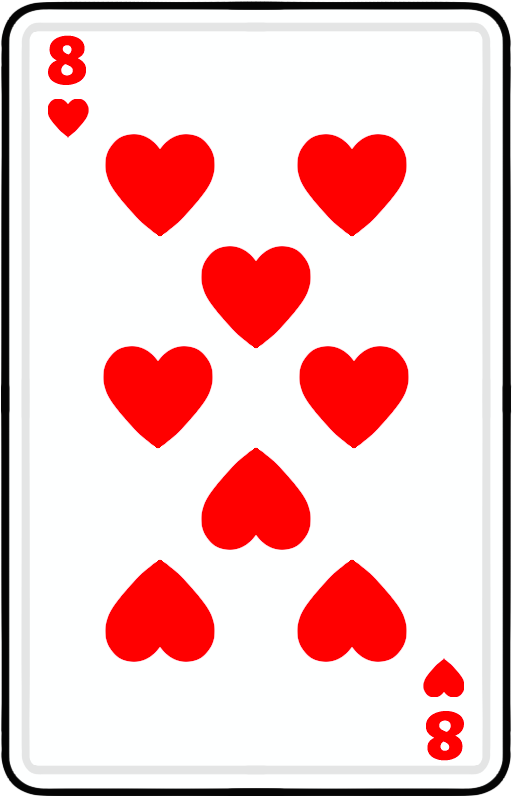
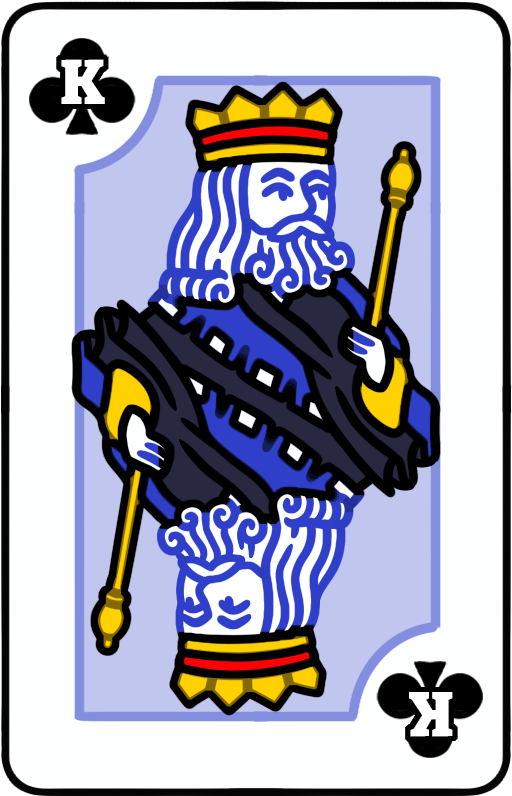
Our game skips the cut for deal: the computer deals first, so you are the pone for hand one, and the deal alternates after that. ACC rules also allow formats that alternate the deal with no cut.
The Crib
Each player lays away 2 cards face down, and those 4 cards form the crib, a second hand that scores for the dealer. The crib sits out of the play and is counted last in the show, with the starter as its fifth card.
Because the crib belongs to the dealer, the seats discard for opposite reasons. Published tables put 2-3 at about 7 points in the dealer's own crib, while 9-King thrown by the pone hands the dealer about 4. The cribbage strategy guide covers which cards to throw from each seat.
The Starter and His Heels
After both players discard, the pone cuts the undealt pack, leaving at least 4 cards in each part, and the dealer turns up the top card of the lower packet. That card is the starter. Nobody plays it; in the show it joins both hands and the crib as a shared fifth card.
A Jack turned as the starter scores 2 for the dealer at once, called his heels. The points count before the play begins and can win the game: a dealer on 119 who turns a Jack reaches 121 without laying a card. The ACC also calls his heels "nibs", a word some players use for the Jack in hand instead.
Our game picks the starter at random from the 40 cards left after the deal, which gives every card the chance a fair cut would, and pegs his heels for whichever player is dealing.
The Play (Pegging)
Cribbage pegging rules turn on one running count that may never pass 31. The pone lays the first card face up and calls its value, then the players alternate, each adding a card and calling the new total. You must play if you hold a card that fits. Holding one back is a renege, and under ACC rules it costs 2 points for each playable card. Our game shows its Say Go button only when you have no card that fits.
| Play | Points |
|---|---|
| Count reaches 15 | 2 |
| Count reaches 31 | 2 |
| Same rank as the card before | 2 |
| Pair royal: the third card of one rank in a row | 6 |
| Double pair royal: the fourth card of one rank in a row | 12 |
| Complete a run of 3 to 7 cards, in any order | 1 per card |
| Go: nobody can add a card without passing 31 | 1 to whoever played last |
| Final card of the hand, unless it makes 31 | 1 |
A pegging run must be made of the most recent cards, in any order, with no stray card among them. If the cards fall 7, 9, 8, whoever lays the 8 pegs 3 for the run. If they fall 7, 9, 2, 8, nobody scores a run, because the 2 sits in the middle.
The go. A player with no card that fits under 31 says go and sits out the rest of that count. The other player must keep laying cards while any fit, and still scores pairs, runs, and 31 as usual. Once neither can play, the player who laid the last card pegs 1 for the go; if that card hit 31 exactly, it takes the 2 for 31 instead, with no go point added. The count restarts at zero, led by the opponent of whoever played last, which after a go is the player who called it. Pairs and runs can build while one player plays on alone, but nothing links across the restart.
Last card. The final card of the hand pegs 1 on the same terms: 2 if it makes 31, never 3.
Worked Example: Leading From a Pair
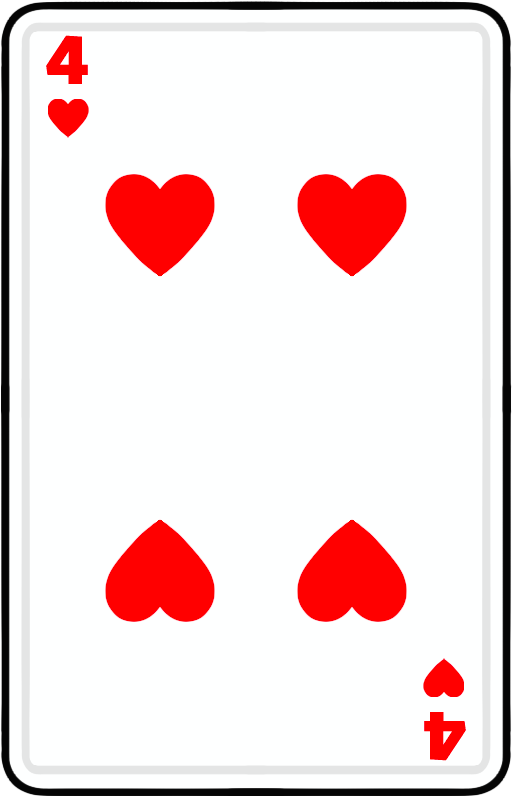
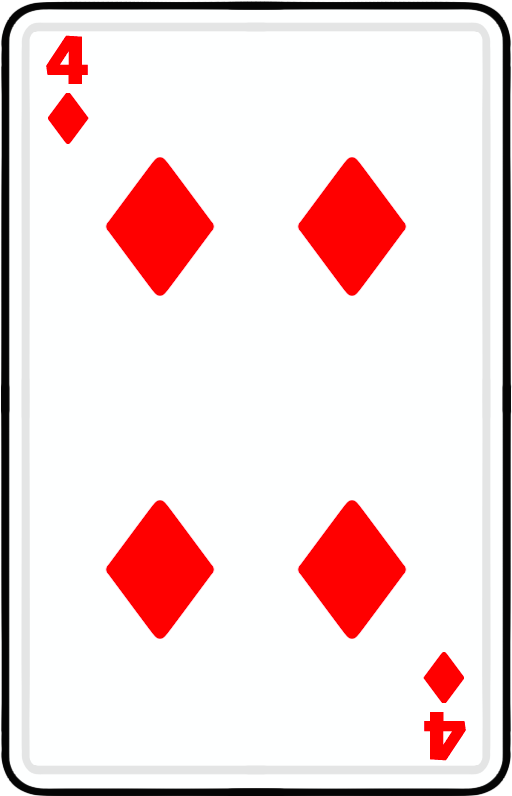
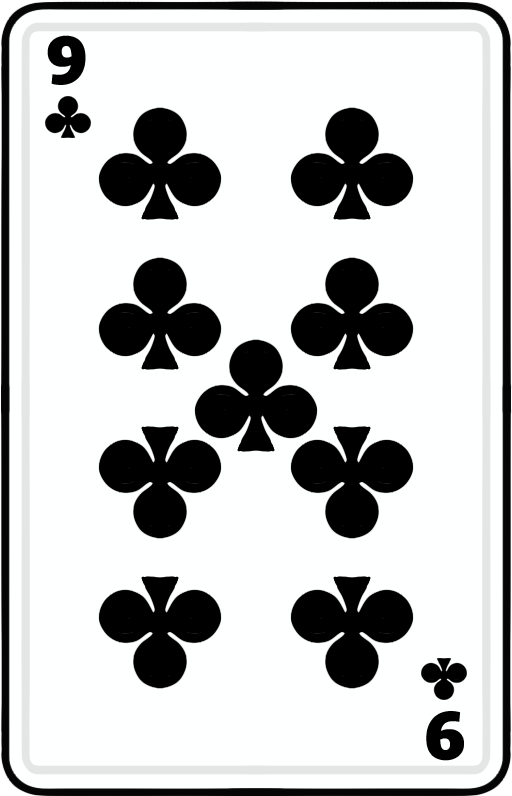
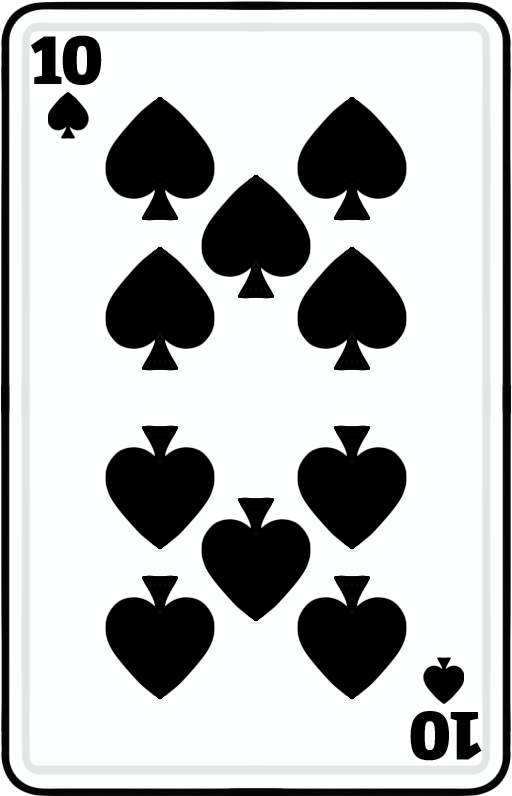
The pone holds the 4 of hearts, 4 of diamonds, 9 of clubs, and 10 of spades; the dealer holds the 4 of clubs, King of diamonds, 2 of hearts, and 8 of spades. The pone leads from the pair of 4s.
| Card | Count | Points | Why |
|---|---|---|---|
| Pone: 4 of hearts | 4 | 0 | Leads from the pair; no card can make 15 off a 4 |
| Dealer: 4 of clubs | 8 | Dealer 2 | Pairs the lead |
| Pone: 4 of diamonds | 12 | Pone 6 | Pair royal, three 4s in a row |
| Dealer: King of diamonds | 22 | 0 | No pair, run, or fifteen |
| Pone: 9 of clubs | 31 | Pone 2 | Exactly 31, and the count resets to 0 |
| Dealer: 2 of hearts | 2 | 0 | The pone played last, so the dealer leads the new count |
| Pone: 10 of spades | 12 | 0 | Nothing scores |
| Dealer: 8 of spades | 20 | Dealer 1 | Last card of the hand |
The pone pegs 8 and the dealer 3. The 31 also passed the lead: the dealer, who did not play the last card, started the second count.
The Show (Counting Hands)
In the show the pone counts first in cribbage, the dealer's hand comes second, and the crib comes last, with the starter added to each as a fifth card. Because play stops the moment anyone reaches 121, a pone on 115 who holds 6 points wins before the dealer's hand or crib is counted.
Each hand scores in five ways:
- Fifteens: 2 for every different group of cards that adds to 15.
- Pairs: 2 for each pair. Three of a kind holds 3 pairs for 6; four of a kind holds 6 pairs for 12.
- Runs: 1 per card in a run of 3 or more, counting only the longest run, so 3-4-5-6 is one run of 4. Each duplicate of a card in the run makes another full run, and every run scores.
- Flush: cribbage flush rules differ for hands and the crib. Four hand cards of one suit score 4, or 5 if the starter matches. The crib scores a flush only when all 4 crib cards and the starter share a suit, for 5.
- Nobs: a Jack in the hand or crib of the same suit as the starter scores 1, called his nob.
Count aloud in a fixed order so nothing slips past: fifteens, pairs, runs, flush, then nobs. Our game's breakdown uses the same order.
Worked Example: One Hand, Three Scores
You hold the 5, 6, 7, and Jack of hearts, and the starter is the 8 of spades.
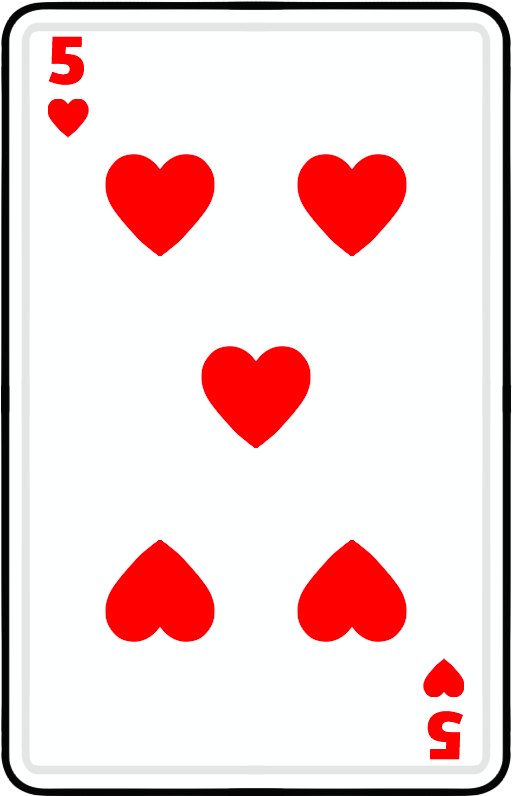
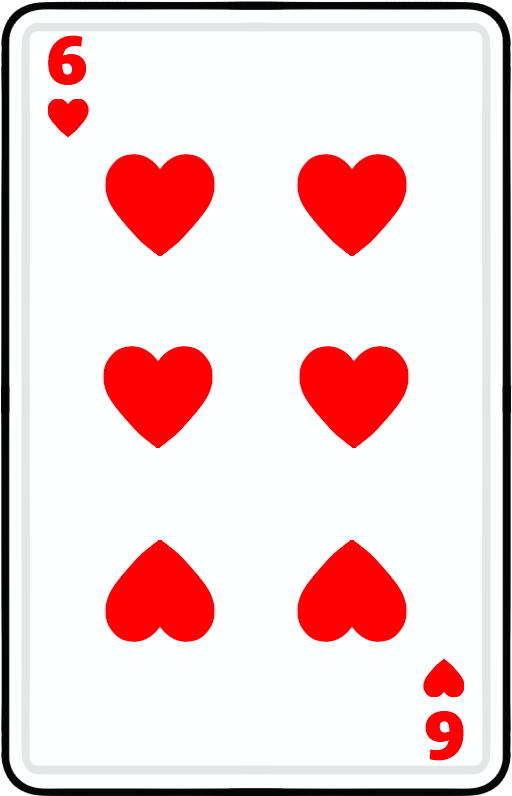
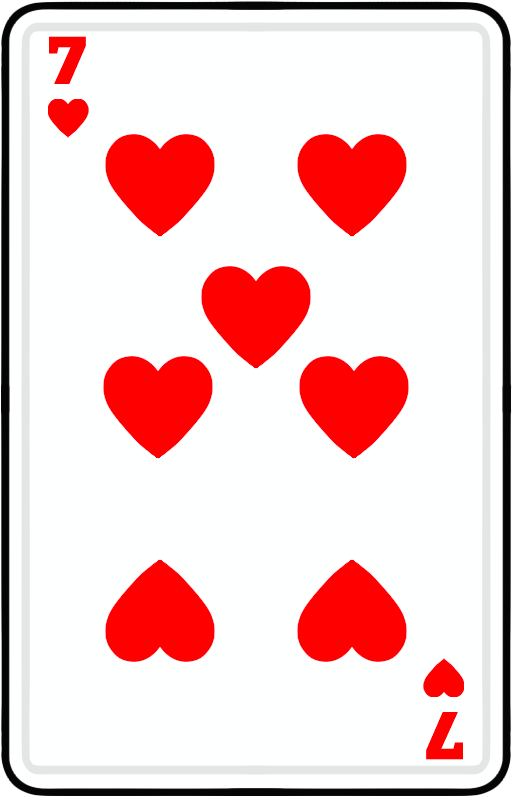
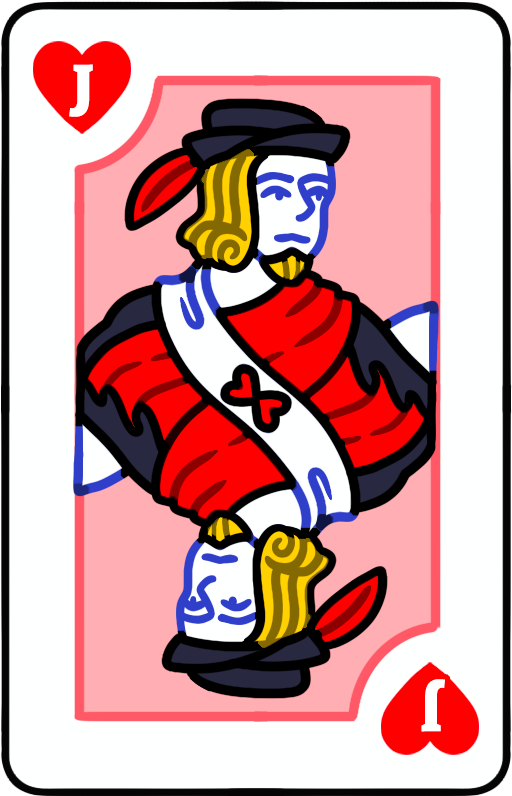
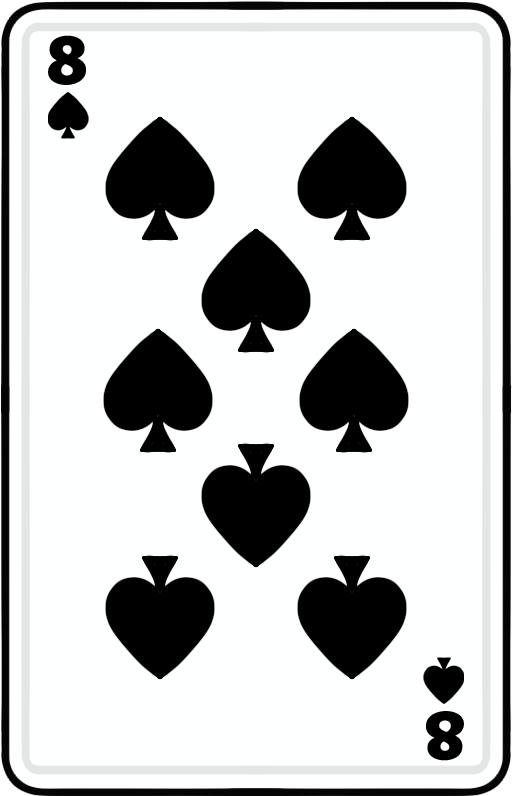
- Fifteens: 7 + 8 and 5 + Jack, two fifteens for 4.
- Runs: 5-6-7-8, a run of four for 4.
- Flush: four hearts in hand for 4, not 5, because the starter is a spade.
- Pairs and nobs: none. The Jack of hearts would need a heart starter to score his nob.
The same four cards score only 8 as a crib, because a crib flush needs the starter to match. Turn the 8 of hearts instead and the crib scores 14: 4 for fifteens, 4 for the run, 5 for the flush, and 1 for his nob.
Muggins is optional: under it, the opponent can claim any points a player overlooks in their own count. The ACC calls it its only optional rule and uses it only when organizers announce it in advance, and then it binds every player. Our game scores every hand and crib itself, so no points go unclaimed and muggins has nothing to catch.
No hand or crib can score more than 29, and four totals below that never occur: 19, 25, 26, and 27.
Scoring Reference
Cribbage scoring rules pay 2 for every fifteen, pair, and 31, and 1 per card in a run; the table lists every combination from his heels to the 16-point double-double run. The multiple-run rows give runs and pairs together and leave out fifteens, which you count separately.
| Combination | Example | Scored in | Points |
|---|---|---|---|
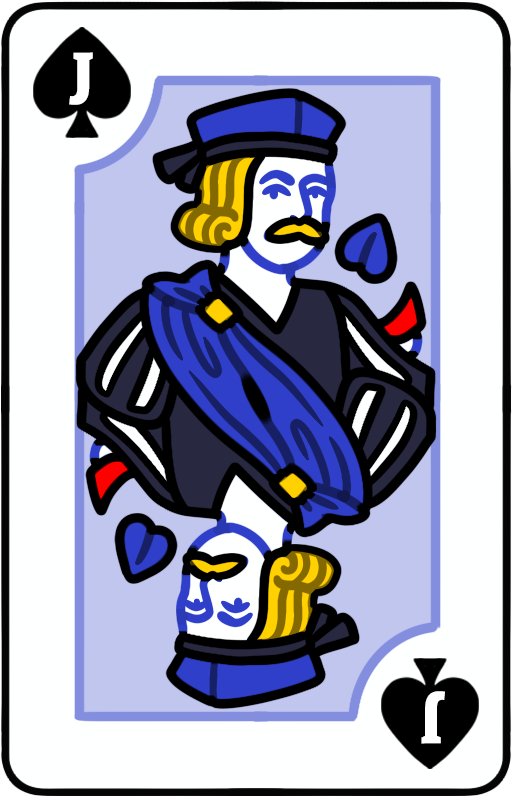
| His heels (a Jack turned as the starter) | 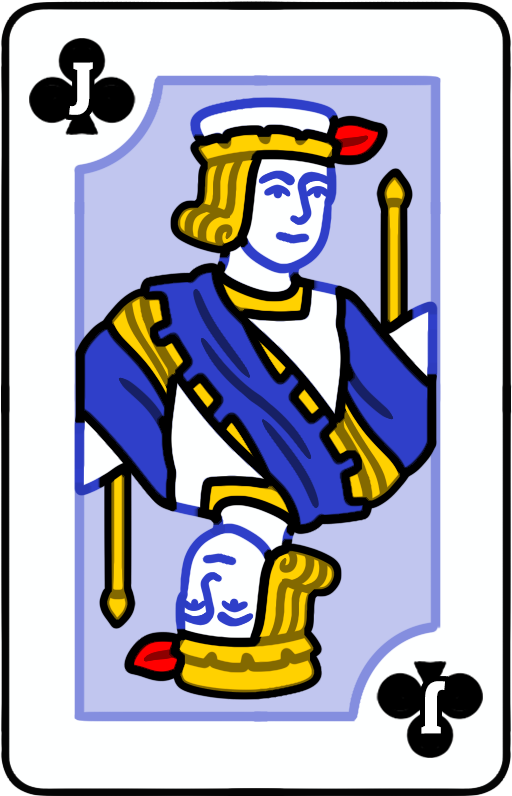 | Before the play, to the dealer | 2 |
| Fifteen | 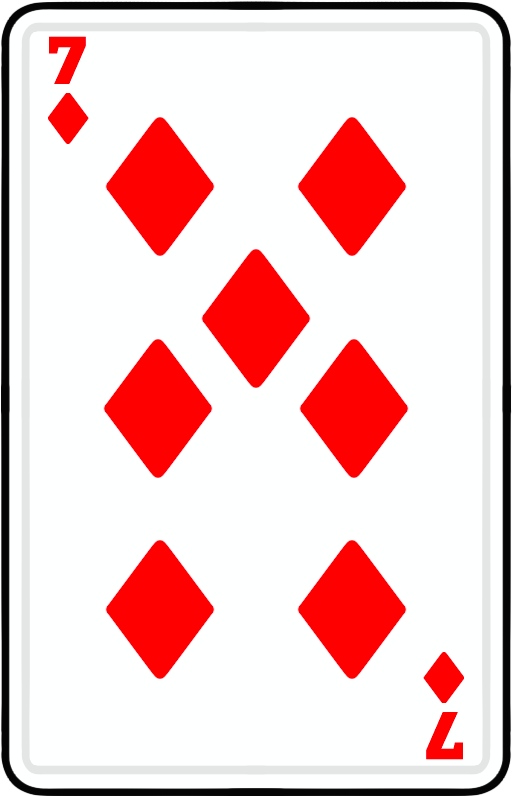 | Play: the count hits 15. Show: each group adding to 15 | 2 |
| Thirty-one | 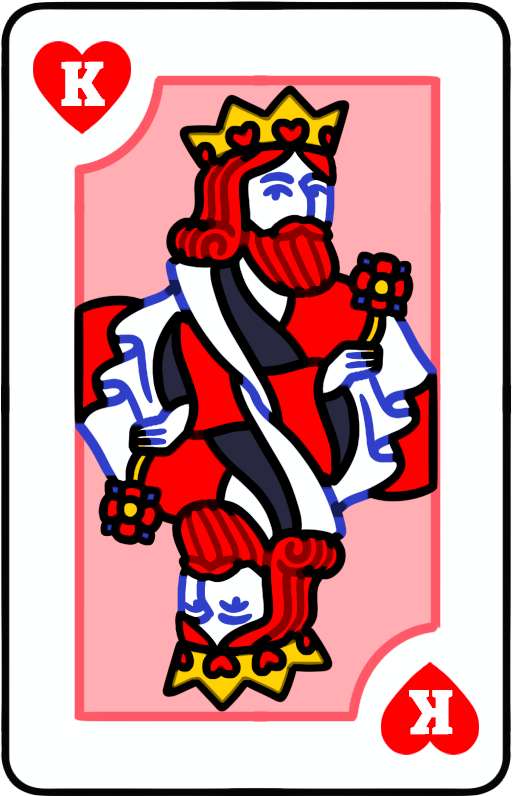 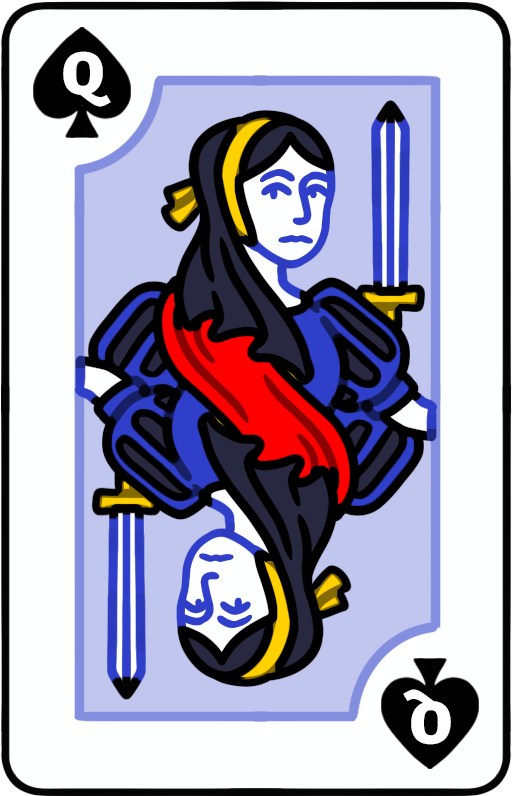 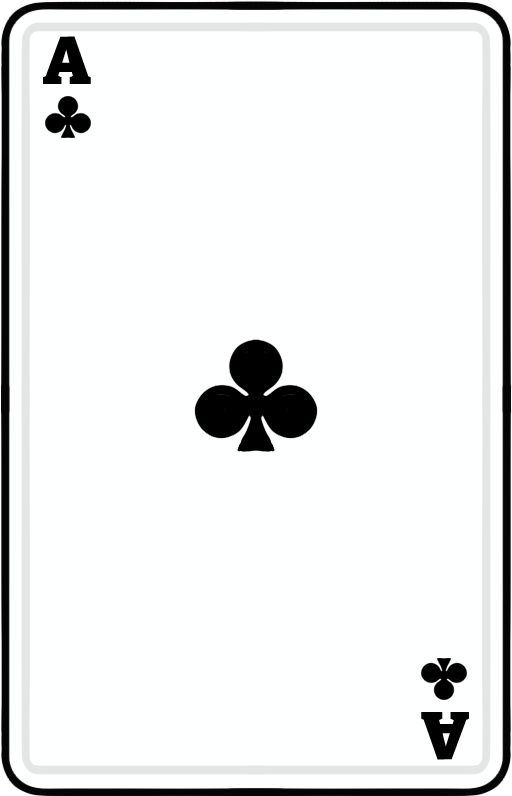 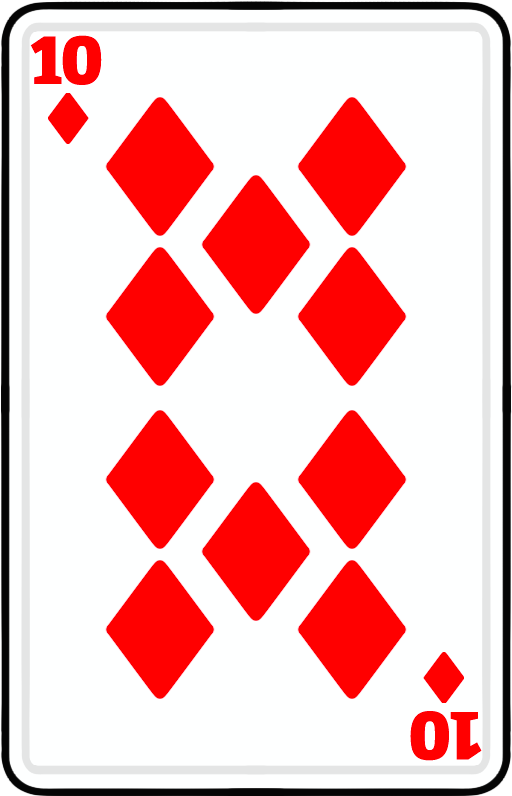 | Play | 2 |
| Go | Play | 1 | |
| Last card (2 if it makes 31) | Play | 1 | |
| Pair | 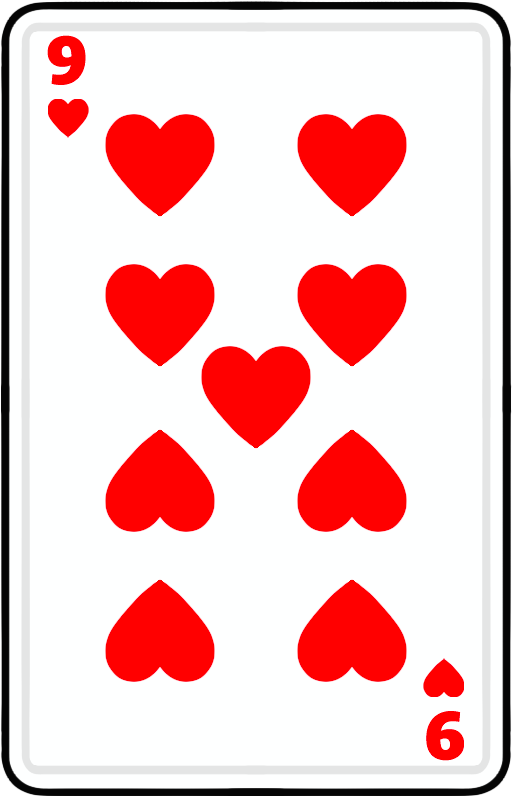 | Play and show | 2 |
| Pair royal (three of a kind) | 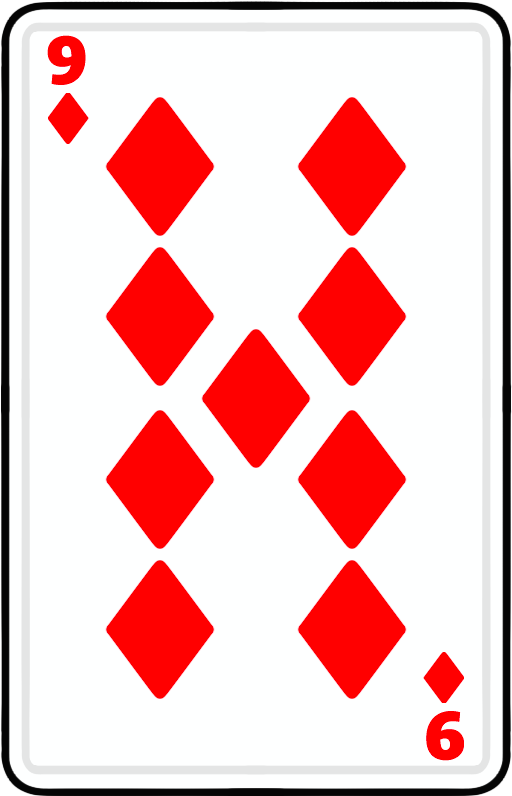 | Play and show | 6 |
| Double pair royal (four of a kind) | 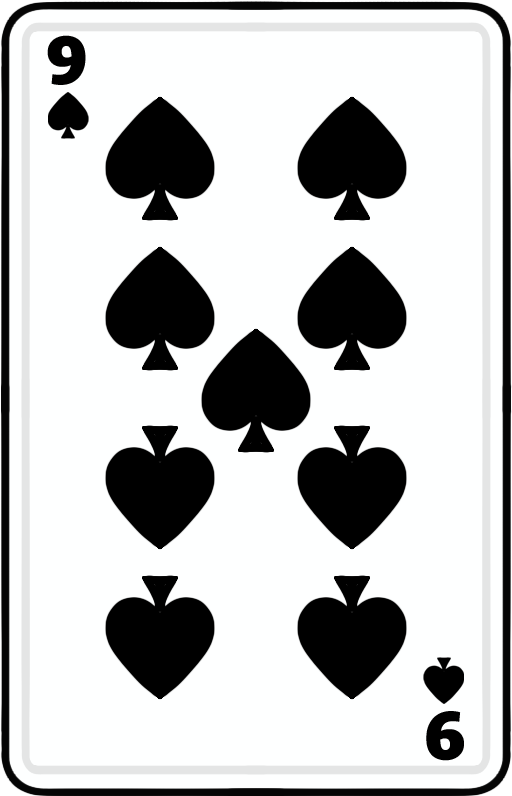 | Play and show | 12 |
| Run of three or more | 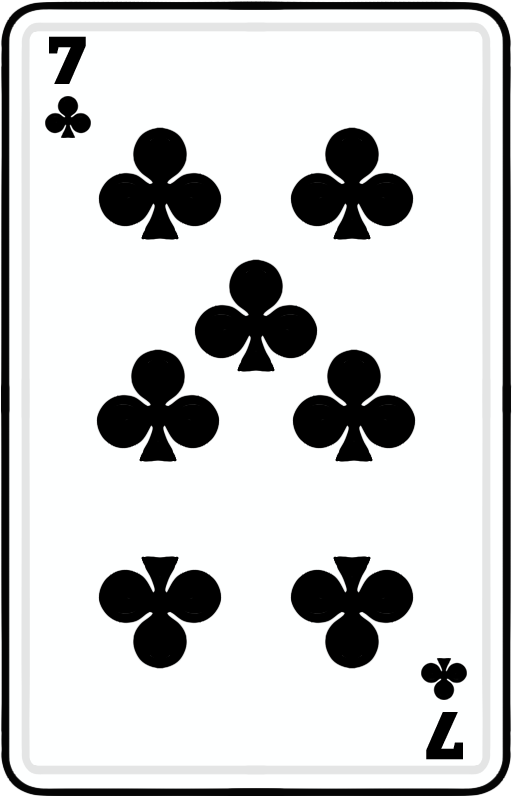 | Play and show | 1 per card |
| Double run of three, such as 3-4-4-5 | 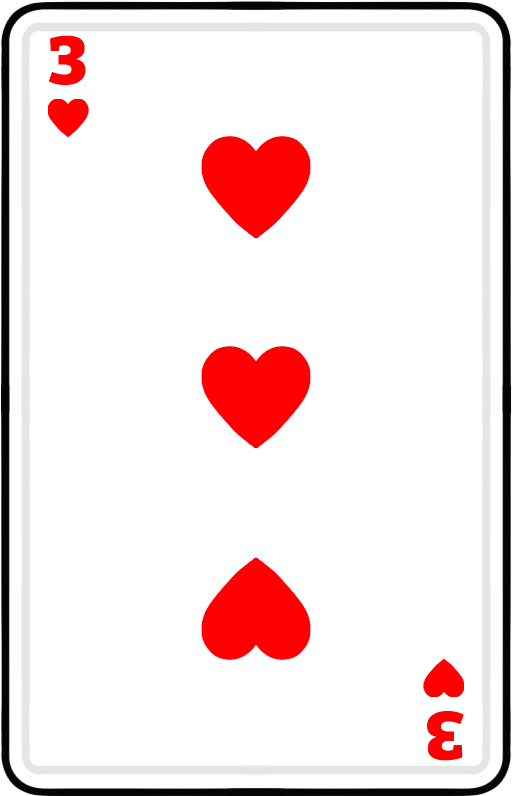 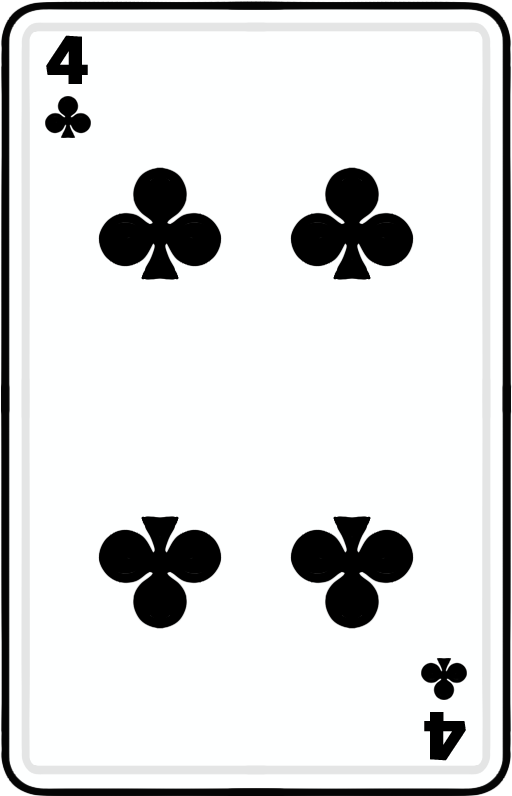 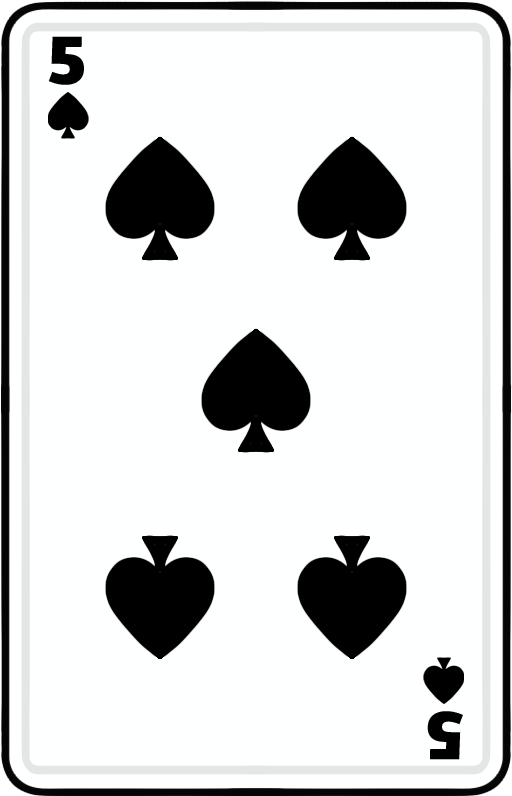 | Show | 8 |
| Double run of four, such as 3-4-5-6-6 | 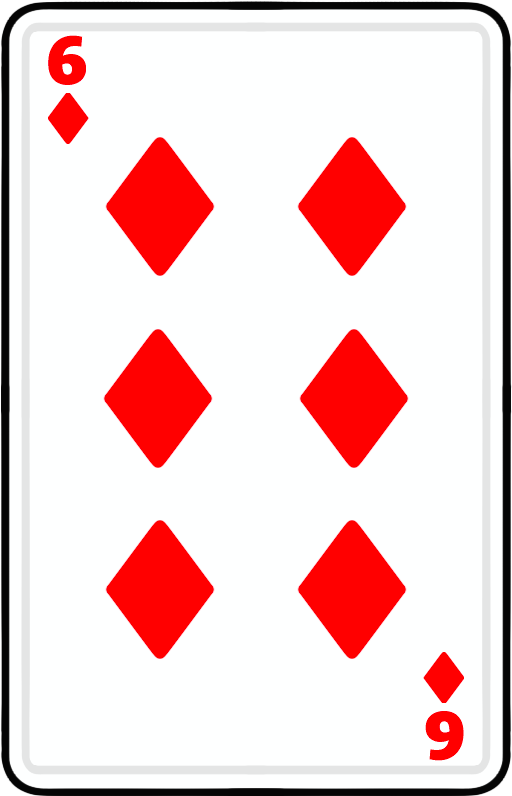 | Show | 10 |
| Triple run, such as 7-8-8-8-9 | 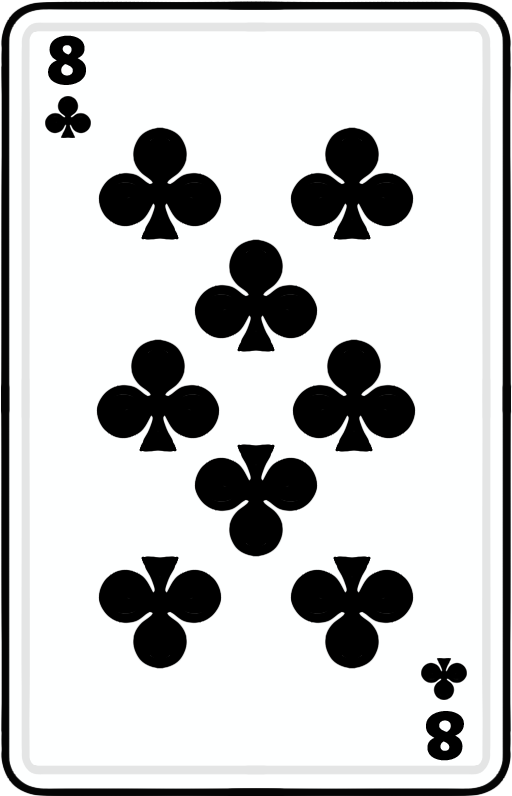 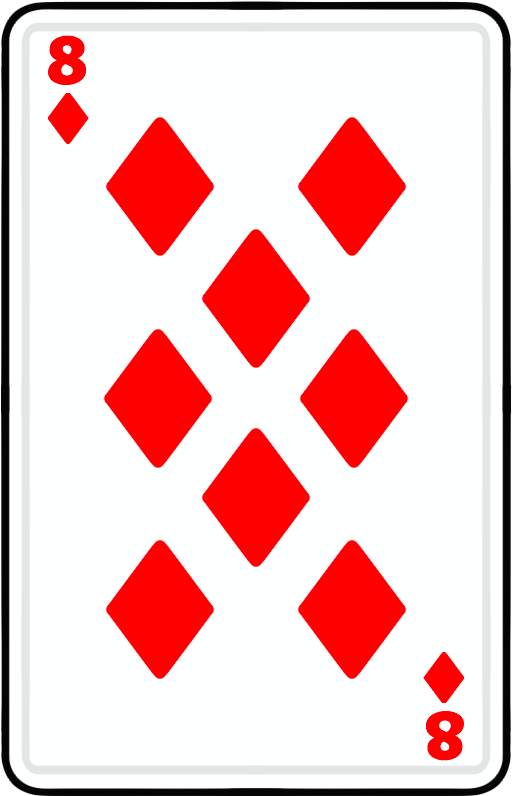 | Show | 15 |
| Double-double run, such as 9-9-10-10-J | | Show | 16 |
| Hand flush | 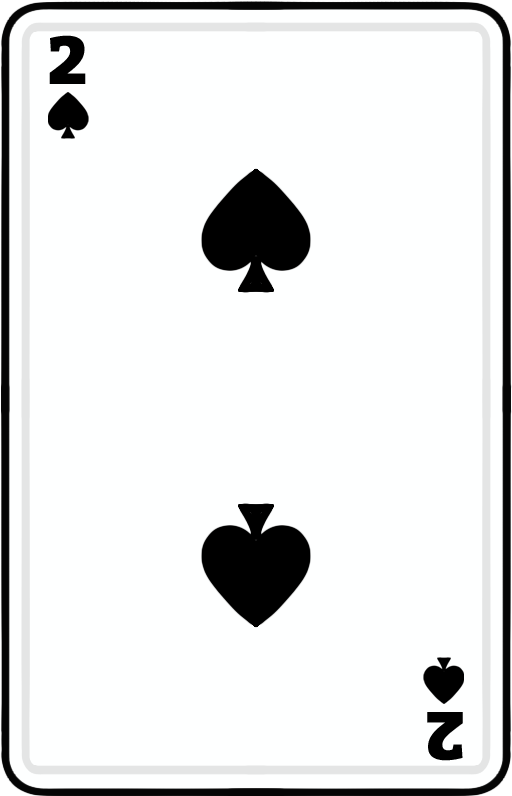 | Show | 4, or 5 with the starter |
| Crib flush (all five cards) | 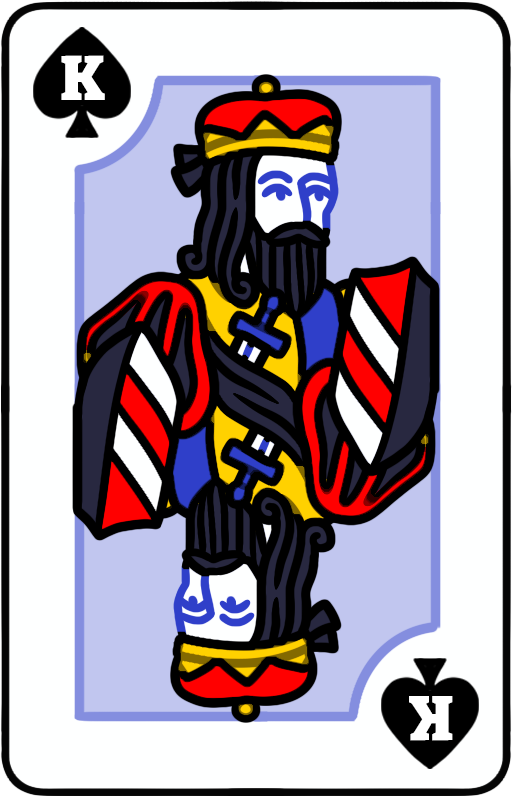 | Show | 5 |
| Nobs (Jack of the starter's suit, hand or crib) | 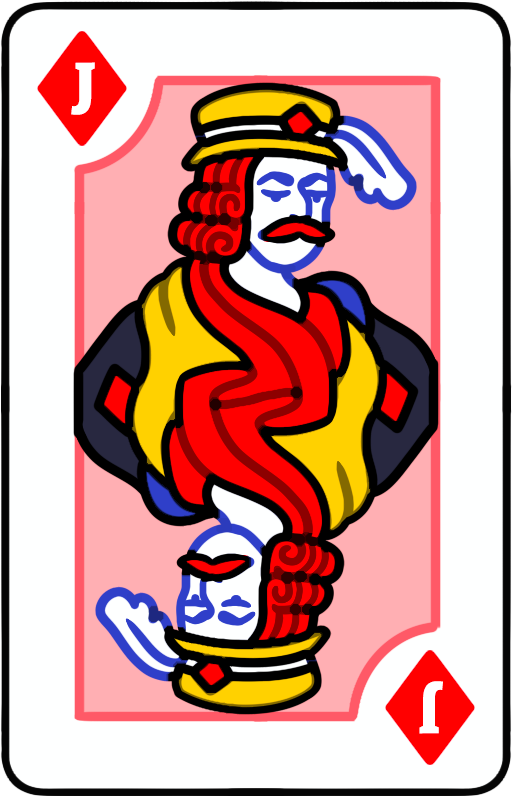 | Show | 1 |
A double run of three, for example, is two runs of three plus a pair: 3 + 3 + 2 = 8. Unfamiliar terms are defined in the cribbage glossary.
Winning, Skunks, and Match Scoring
Reach 121 first and you win, with no need to land on it exactly: a player on 118 who pegs 4 wins. The game ends the instant anyone gets there, so it can end on his heels, on a go, or between the pone's count and the dealer's.
A skunk is measured by the loser's score:
| Result | Loser's score | Casual play | ACC tournaments |
|---|---|---|---|
| Win | 91 or more | 1 game | 2 game points |
| Skunk | 90 or less | 2 games | 3 game points |
| Double skunk | 60 or less | 3 or 4 games | 3 game points, no extra |
| Triple skunk | Under 31 | Free play only; wins the match | Not used |
Sources disagree on the stinkhole: most, including the ACC's online glossary, give the name to hole 120, one short of game, but the ACC's 2025 rulebook gives it to hole 90, one short of escaping a skunk, and calls 120 the dead hole.
Some tables add a house rule that a player cannot peg out on a go, or on his heels. It is not part of the standard game, and the ACC allows pegging out on a turned Jack. In our game a go point from 120 wins.
One match format is best of three games, with the loser of each game dealing first in the next. Our game plays single games. The game-over screen reports a skunk or double skunk, a skunk still counts as one win, and a triple skunk is not reported.
The Cribbage Board
Layouts differ, but every board gives each player 120 scoring holes and a game hole for the 121st point:
- Classic board: 30 holes out and 30 back per player, so a 121-point game takes two laps.
- ACC long board: 60 holes up and 60 down. The ACC requires this layout at its sanctioned events.
- Paperclip board: three or four rows of 120 holes, one continuous track per row.
Each player has two pegs and scores by moving the rear peg ahead of the front one, one hole per point. The pegs leapfrog all game, and the front peg always marks the total.
Players split the track into four streets of 30 holes: first street is 1 to 30, second 31 to 60, third 61 to 90, and fourth 91 to 120. A loser who never reaches fourth street is skunked.
Our game draws no board; the score panel reads, for example, You: 57/121.
Rules for Three Players
Cribbage rules for 3 players deal 5 cards each, plus 1 card face down straight to the crib. Each player then throws 1 card to the dealer's crib, and with the dealt card it holds 4, the same as every hand.
- The player on the dealer's left cuts the starter, leads, and counts first. The dealer counts last, then the crib.
- When two players cannot play, the third plays on until they cannot, pegging 1 for the last card or 2 for exactly 31. The player to the left of whoever played last starts the new count.
- Each player plays alone to 121, though the two trailing players may gang up on the leader.
- The deal passes to the left.
The deal uses 17 cards: 15 to the hands, 1 to the crib, and the starter, leaving 35 in the pack.
Three scores need three tracks: a three-sided or triangular board, a standard board with an extra pivoting arm, or a standard board with one score kept on paper.
In the two-against-one form, the pair must reach 121 together while the lone player needs only 61. One source calls it Captain's Cribbage and plays three games, each player taking the lone seat once; no other source uses that name.
Rules for Four Players
Cribbage rules for 4 players make it a partnership game: partners face each other across the table, and each team races to 121. The dealer gives each player 5 cards, dealing clockwise, and each throws 1 into the dealer's crib, leaving four hands of 4 and a crib of 4.
- The opponent on the dealer's right cuts before the deal; the opponent on the left cuts the starter.
- The player on the dealer's left leads and counts first. The dealer counts last, then the crib.
- When three players cannot play, the fourth plays on until they cannot.
- One partner pegs for both, on one track per team.
- Partners may not show each other their cards or advise a play.
The deal uses 21 cards: 20 to the hands and the starter, leaving 31 in the pack. ACC doubles events use this deal, with a four-way cut for the first deal, the lowest card dealing, and the deal passing left.
Other Ways to Play Cribbage
Each variant below changes the deal, the target, or the cards; scoring follows the standard game except where noted. Our game plays none of them. Two-against-one (Captain's) cribbage is under Rules for Three Players.
Five-Card Cribbage
Five-card cribbage is the older form of the game, played to 61, once around a classic board. Each player gets 5 cards and throws 2 to the crib, keeping 3, while the crib still holds 4. The deal uses 11 cards with the starter.
- The pone pegs 3 at the start of the first deal only, to offset a crib bigger than either hand.
- The play goes to 31 once only, with no new count after a go, so cards can be left unplayed. The last card scores 1; exactly 31 scores 2.
- A 3-card hand flush scores 3, or 4 with a matching starter. A crib flush still needs all 5 cards, for 5.
It survives in parts of Britain, including South Wales pub leagues, Hampshire, and Surrey. The history of cribbage traces how the six-card game replaced it.
Seven-Card Cribbage
Each player gets 7 cards and throws 2, keeping a hand of 5. Most accounts also deal 1 card from the pack to the crib, making a crib of 5, though one older account mentions no crib card. The target is usually 181, three times around the board; one source plays to 151. With the crib card, the deal uses 16 cards including the starter.
Lowball Cribbage
Lowball, also called losing cribbage, keeps every rule and reverses the goal: the first player to reach 121 loses.
Jokers in Cribbage
A joker in cribbage exists only as a house rule. The standard game removes the jokers and plays with 52 cards, and the ACC does not recognize joker games for its tournaments. Two house versions are recorded:
- Wild jokers take any rank and suit, named when played, even a copy of a card already out. Five of a kind becomes possible, worth 20. A joker turned as the starter scores 2 for the dealer.
- Zero jokers count 0 and have no suit, so they never make a flush. They can extend a run downward, as in 0-A-2, double every fifteen in a hand, and can be played on a count of 31. A zero joker turned as the starter scores 1.
Playing Alone: Cribbage Solitaire and Cribbage Squares
Two solo games use cribbage scoring:
- Cribbage solitaire has two published forms. In Peter Arnold's Card Games for One, you deal two 6-card hands, put 2 from each into a crib, and turn the 13th card as the starter, then score both hands and the crib with no pegging. Four deals use all 52 cards, and you pick a target from 101 to 121. In Hoyle's Rules of Games, you deal 3 cards to your hand, 2 to the crib, and 3 more to your hand, throw 2 to make a crib of 4, and score both with a starter that then goes back on the pack. Six deals of 8 use 48 cards, and the last 4 are a free crib. Sources set the winning mark anywhere from 80 to over 120.
- Cribbage Squares: place 16 cards one at a time in a 4-by-4 grid, never moving one, then turn a 17th as the starter. The 4 rows and 4 columns score as 8 hands, and 61 is the target. It first appeared in print around 1950, in Moyse's 150 Ways to Play Solitaire.
Variant Comparison
| Variant | Players | Cards dealt | To the crib | Hand kept | Target |
|---|---|---|---|---|---|
| Standard six-card | 2 | 6 each | 2 each | 4 | 121 |
| Three-player | 3 | 5 each, plus 1 to the crib | 1 each, plus the dealt card | 4 | 121 each |
| Four-player partners | 4 (2 teams) | 5 each | 1 each | 4 | 121 per team |
| Five-card | 2 | 5 each | 2 each | 3 | 61 |
| Seven-card | 2 | 7 each, plus 1 to the crib in most accounts | 2 each | 5 | Usually 181 |
| Lowball | 2 | 6 each | 2 each | 4 | First to 121 loses |
How Our Game Compares with Tournament Rules
Our game follows the standard rules for cribbage on every point of the play and the show. The differences are in the setup and the match format.
| Rule | Common or ACC rule | Our game |
|---|---|---|
| Players | 2, with 3 and 4 as options | 2: you against the computer |
| First deal | Cut for deal, the lower card deals | The computer deals first, then the deal alternates |
| Starter | The pone cuts, the dealer turns the top of the lower packet | Drawn at random from the 40 undealt cards |
| Muggins | Optional, only when announced | Not played; every count is automatic |
| Target | 121 (61 in five-card) | 121 |
| Skunk value | 2 games casually; 3 game points against 2 for a win in ACC events | Named at game end, counts as one win |
| Board | Two pegs per player, 120 holes plus a game hole | No board; scores shown as numbers |
Play cribbage online free against the computer, with every hand and crib scored for you, category by category. A challenge link from the game sends a friend the same opening deal to play against the computer. For one fixed deal a day, the daily cribbage challenge hands everyone the same opening cards and ranks the results on a leaderboard.
Play Cribbage Now