

Last updated
Mahjong Solitaire Rules
Mahjong Solitaire comes down to one rule: remove all 144 tiles in matching pairs, picking only free tiles. This page is the full rule set of the game on this site: exactly what counts as free, which tiles match, how a game ends, how each of our four layouts is built, and the words players use.
For a shorter start with pictures, read how to play Mahjong Solitaire.
The Setup
One player, one set of 144 tiles, every tile face up. The tiles are stacked into a layout of several layers, each smaller than the one below, so most tiles start covered or hemmed in. Every layout on this site uses all 144 tiles, so every win takes exactly 72 pairs.
On screen the game lays the tiles out for you. With real tiles, use a full set that includes the eight flower and season tiles, leave out any extras such as jokers, and build the layout face up from the bottom layer. The classic Turtle takes 87, 36, 16, 4, and 1 tiles, layer by layer (see the classic Turtle below).
Free Tiles
Only a free tile can be picked. A tile is free when it passes both of these tests:
- Nothing on top. No tile on the layer above may overlap it at all. A tile resting across two tiles below covers both of them.
- One long side clear. Either no tile on the same layer touches its left side, or none touches its right side. Either side will do. Tiles touching its top or bottom edge do not count.
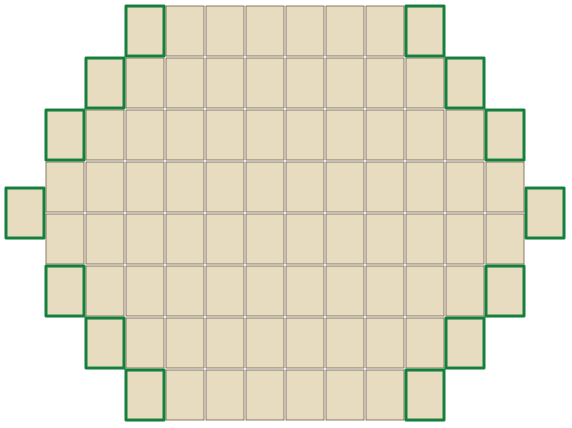
That means only the two end tiles of a row can be free, and the tiles between them open one at a time from the ends. A tile set half a row down touches two rows at once and blocks a side of a tile in each. Our Turtle has one at each end of its bottom layer, sitting between the two middle rows, so the end tiles of those two rows start blocked.
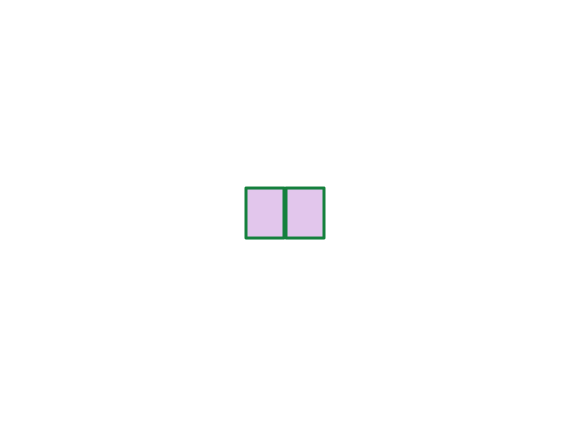
In our game, blocked tiles are dimmed, clicking one shows "That tile is blocked", and the Pairs counter above the board shows how many free pairs are on the board.
Which Tiles Match
Two free tiles match when they show the same face. The 34 faces that come four times each, Dots, Bamboo, and Characters from 1 to 9, the four winds, and the three dragons, each need their exact twin. The eight single tiles work in two groups: any flower matches any flower, and any season matches any season.
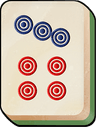
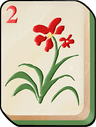
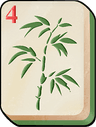
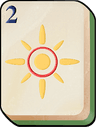
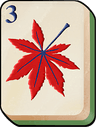
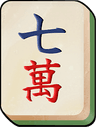
Every face comes in a group of four, so every face makes exactly two pairs and the whole set makes 72. The full set, face by face with its counts, is in the tile table on the main Mahjong Solitaire page.
Winning and Losing
You win when the last pair leaves the board. You lose when tiles remain and no two free tiles match. In our game the play then stops with the message No More Matches, and the clock pauses. Two ways back remain: Undo steps back so you can pair different copies, and Shuffle deals the remaining faces afresh, which reopens the game if the new faces make a free pair.
Our game keeps no score: a win shows your number of moves and your time. Some other programs score each pair and add bonuses for fast runs of matches, called chains. The rules of play are the same.
The Four Layouts, Layer by Layer
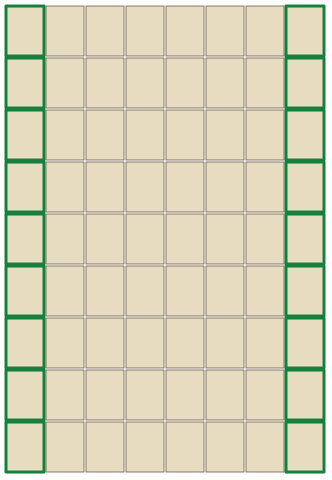
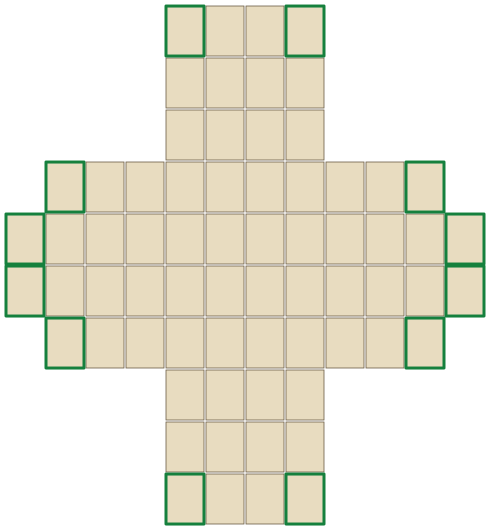
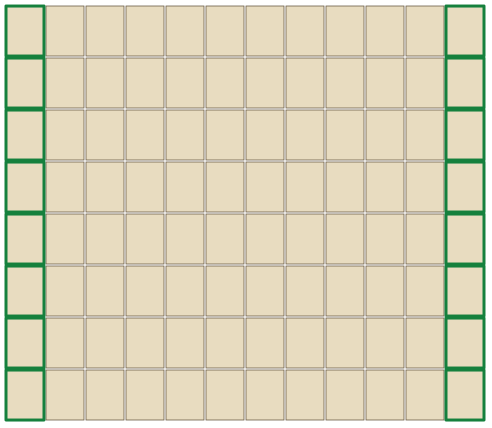
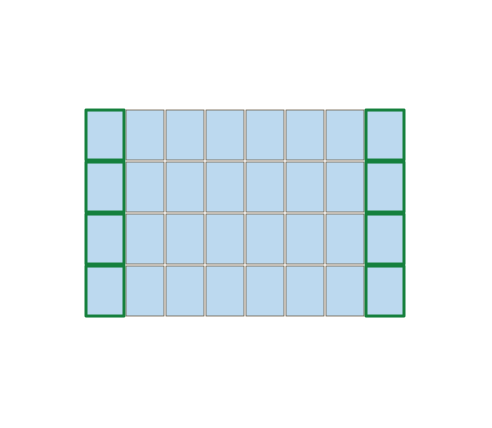
All four layouts use the same 144 tiles. The layout picker under the board marks each with one to three stars, and choosing one starts a new game on it. Green outlines show the tiles that are free when a deal starts.
Pyramid (one star): 72, 42, 20, 6, and 4 tiles
A solid block 8 tiles wide and 9 deep, with each layer stepping in toward the middle. It starts with the most free tiles of the four.
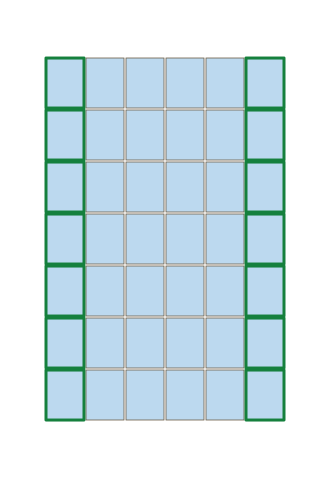
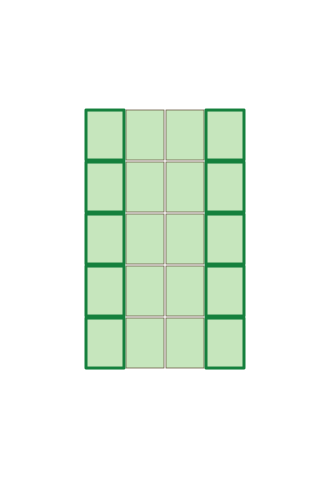
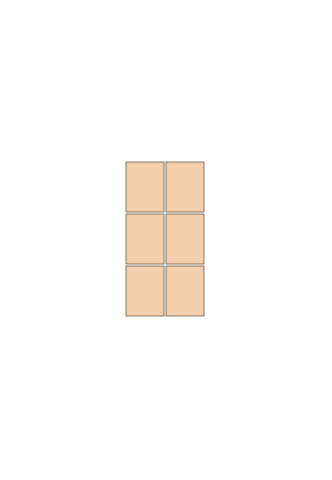
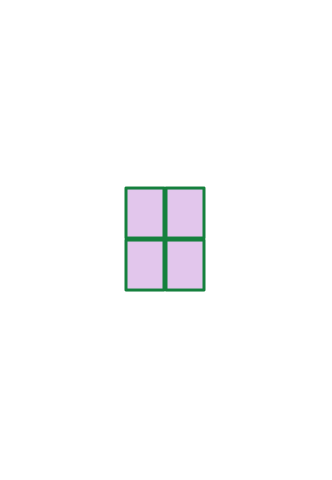
Turtle (two stars): 86, 36, 16, 4, and 2 tiles
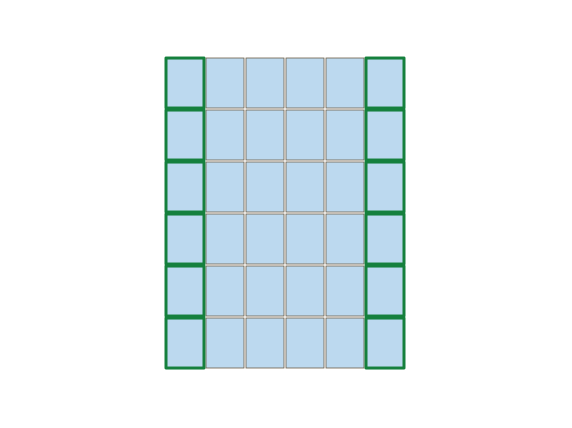
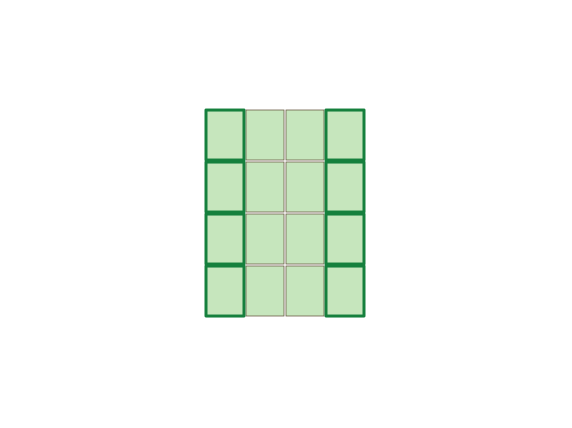
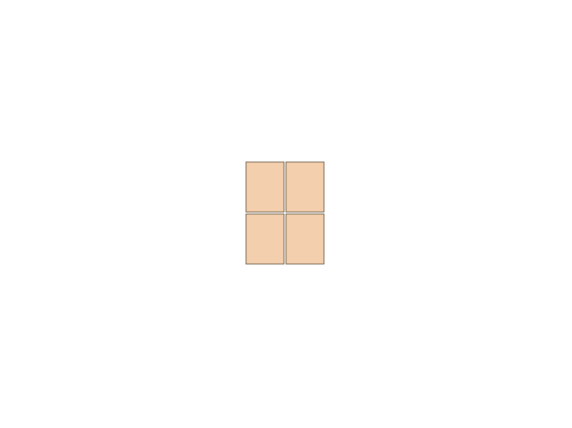
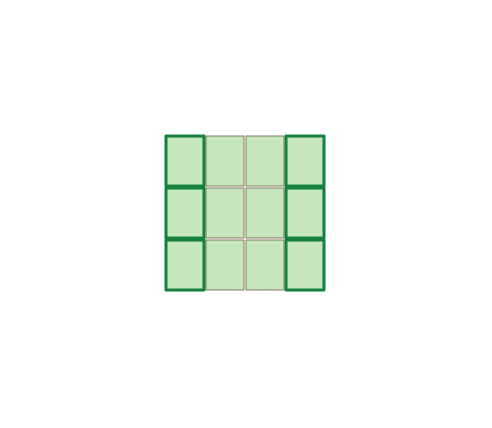
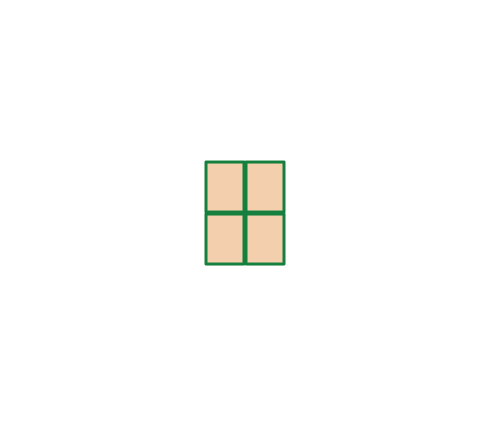
Bottom rows of 8, 10, 12, 12, 12, 12, 10, and 8 tiles, plus one tile jutting out at each end between the two middle rows. A 6 by 6 block, a 4 by 4 block, and a 2 by 2 block rise in the middle, and two tiles sit side by side on top.
Cross (two stars): 68, 40, 20, and 16 tiles
A plus sign 12 tiles wide and 10 deep, four layers high. Its top layer holds 16 tiles, the most of any layout.
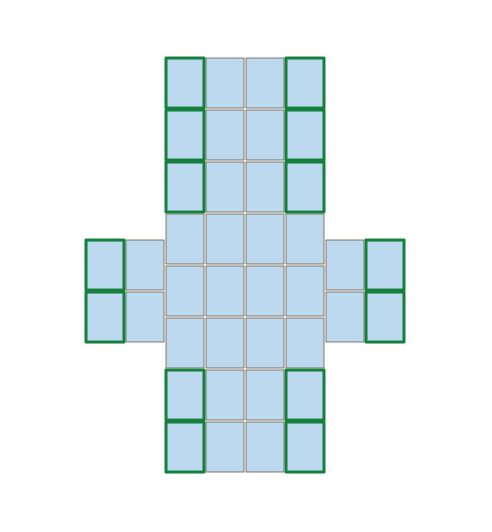
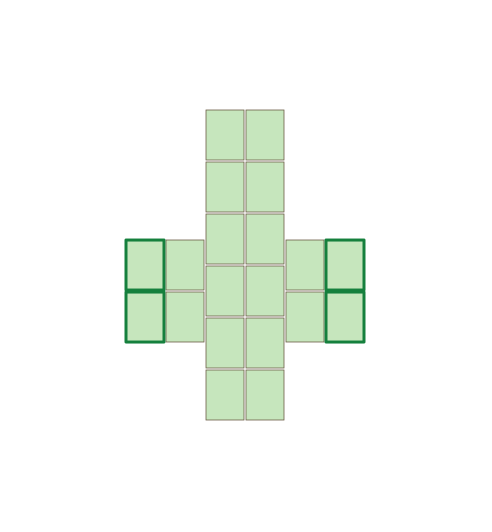
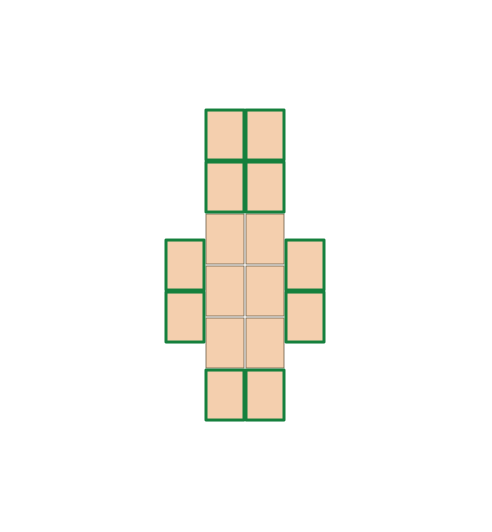
Fortress (three stars): 96, 32, 12, and 4 tiles
A solid bottom layer of 8 rows of 12, with an 8 by 4 block, a 4 by 3 block, and a 2 by 2 block on top. Only the two end tiles of each 12-tile row are free at the start, and every other tile in that row has to wait its turn.
Our Turtle and the Classic Turtle
The classic Turtle, as the open-source games xmahjongg (1989) and GNOME Mahjongg lay it out, has 87 tiles on the bottom and a single tile on top. Ours keeps the same three middle layers but shapes the bottom layer differently and puts two tiles on top.
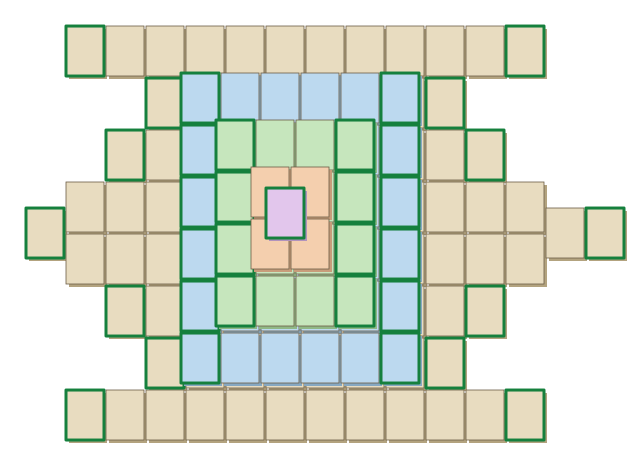
| Classic Turtle | Our Turtle | |
|---|---|---|
| Tiles per layer | 87, 36, 16, 4, and 1 | 86, 36, 16, 4, and 2 |
| Bottom rows | 12, 8, 10, 12, 12, 10, 8, and 12 | 8, 10, 12, 12, 12, 12, 10, and 8 |
| End tiles | One at the left end, two at the right | One at each end |
| Top | One tile | Two tiles side by side |
| Free at the start | 35 | 36 |
The figure often quoted for random deals, about 3 in 100 that cannot be won, was measured on the classic Turtle with the tiles placed at random. How winnable our own deals are is on the main page.
Hints, Shuffle, and Undo
These are helpers, not rules, and every program handles them its own way. In ours:
- Hint lights up one free pair. Use it as often as you like; with no score, it costs nothing.
- Shuffle moves the faces of the tiles still in play to new spots at random, keeping every position. It does not count as a move, Undo can reverse it, and it works even after No More Matches: if the new faces make a free pair, the game carries on. A shuffle can also turn a winnable board into one that cannot be won.
- Undo takes back one match or one shuffle per press, and it keeps at least your last 50 moves.
- New Game deals a fresh game on the layout you are playing. Picking a different layout under the board also starts a new game.
Mahjong Solitaire Glossary
- Free tile
- A tile with no tile on top of it, even partly, and with its left side or its right side clear. Only free tiles can be matched.
- Blocked tile
- A tile that is covered, even partly, or hemmed in by tiles on both its left and its right side. Our game draws blocked tiles dimmed.
- Pair
- Two matching free tiles, removed together. Clearing the 144 tiles takes 72 pairs.
- Layout
- The shape the 144 tiles are stacked into. Our game has four: Turtle, Pyramid, Fortress, and Cross.
- Layer
- One level of the stack. Layer 1 is the bottom; our Turtle and Pyramid have five layers, and Fortress and Cross have four.
- Turtle
- The traditional layout: a raised shell of five layers with tiles jutting out at both ends of the bottom layer. Also a name for the game itself.
- Suit
- One of the three numbered groups, Dots, Bamboo, and Characters, each running from 1 to 9 with four copies of every number.
- Honor tiles
- The winds (North, South, East, and West) and the dragons (Red, Green, and White): tiles with names instead of numbers, four copies of each.
- Flowers and seasons
- Eight single tiles, four flowers and four seasons. Any flower matches any flower and any season matches any season.
- Shuffle
- Moving the faces of the tiles still in play to new spots at random, on the same positions. Our game allows it at any time before the board is cleared, even after No More Matches.
- Dead end
- A position with tiles left and no two free tiles that match. The game is lost unless you undo or a shuffle makes a free pair.
Quick Reference
- Players: one
- Tiles: 144 (108 suit tiles, 16 winds, 12 dragons, 4 flowers, 4 seasons), all face up
- Free tile: nothing on top, and the left or right side clear
- Match: identical faces; any two flowers; any two seasons
- Win: all 72 pairs removed
- Lose: tiles left and no free pair
- Layouts here: Pyramid, Turtle, Cross, and Fortress