

What Is Tonk?
Tonk (also spelled Tunk) is a fast rummy card game for 2 to 4 players and one 52-card deck. Everyone gets five cards and tries to get rid of them by laying down spreads: books of one rank and runs in one suit. You can also end a hand early by dropping, when you think your count is the lowest at the table, and a hand dealt worth exactly 49 or 50 wins before anyone plays a card.
Tonk is traditionally played for money, a stake on every hand. Our game keeps score in penalty points instead, and you can play it free at the top of this page against one to three computer players.
- Players: 2 to 4 (here, you and one to three computer players)
- Deck: 52 cards, no jokers
- Deal: five cards each
- Card values: Ace 1, 2 to 10 face value, Jack, Queen, and King 10
- Spreads: books of three or four of a rank, runs of three or more in one suit, Ace low
- Winning a hand: drop with the lowest count, empty your hand, be dealt 49 or 50, or hold the lowest hand when the stock runs out
- Scoring here: losers take penalty points, and a player who reaches the limit (100 unless you change it) is out
How to Play Tonk
A hand of Tonk takes seven steps, and steps 3 to 6 repeat around the table until the hand ends.
- Deal five cards each. One card at a time from a shuffled 52-card deck, until each of the 2 to 4 players holds five. Turn the next card face up to start the discard pile and stack the rest face down as the stock.
- Check for 49 or 50. A hand dealt worth exactly 49 or 50 points wins at once, before anyone plays. If two players hold one, nobody scores and the next hand is dealt.
- Drop or draw. At the start of your turn you may drop: lay your hand face up and claim the lowest count at the table. Otherwise take the top card of the stock or the top card of the discard pile.
- Lay down spreads. Put down any books (three or four cards of one rank) and runs (three or more cards in sequence in one suit, Ace low). You may also keep them in your hand.
- Hit. Add cards from your hand to any spread on the table, yours or an opponent's.
- Discard. End your turn by putting one card face up on the discard pile. Play passes to the left.
- End the hand. The hand ends when someone drops, empties their hand, or the stock runs out. Losers take their count as penalty points, and a player who reaches the limit is out.
How many cards in Tonk
Five cards each at every table size, so the stock shrinks as players join. Two players get the same rules as four, with a 41-card stock.
| Players | Cards each | Dealt | Upcard | Stock | Total |
|---|---|---|---|---|---|
| 2 | 5 | 10 | 1 | 41 | 52 |
| 3 | 5 | 15 | 1 | 36 | 52 |
| 4 | 5 | 20 | 1 | 31 | 52 |
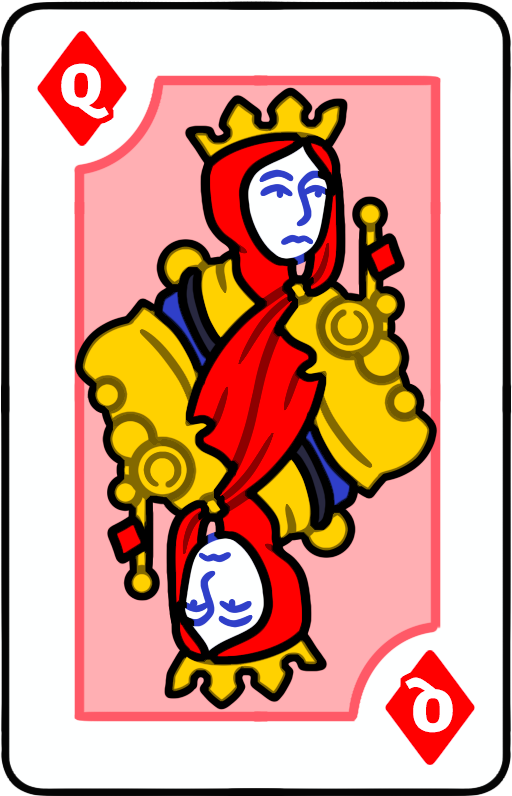
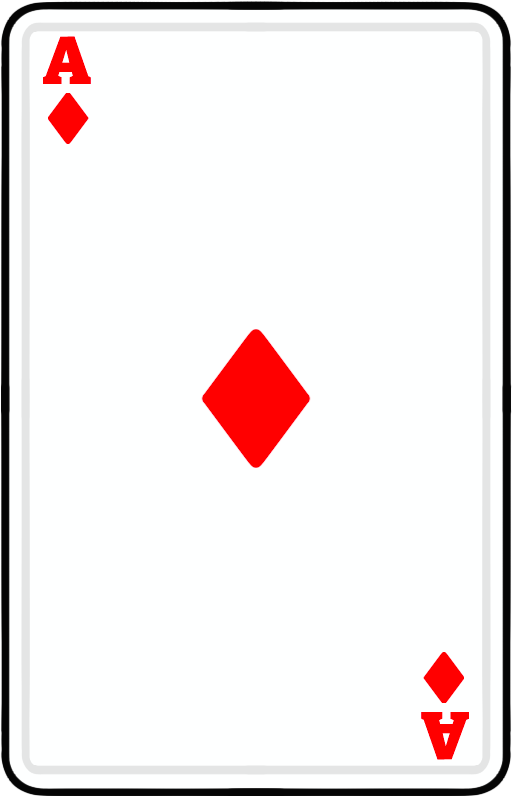
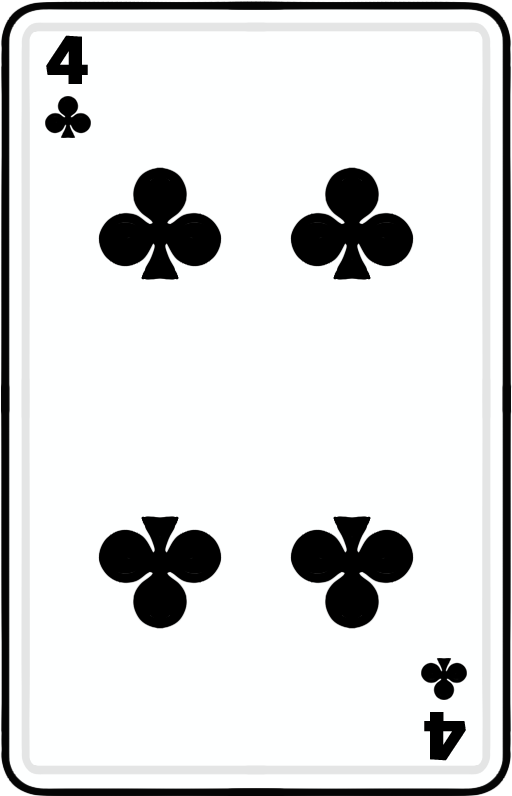
Your first turn on this deal
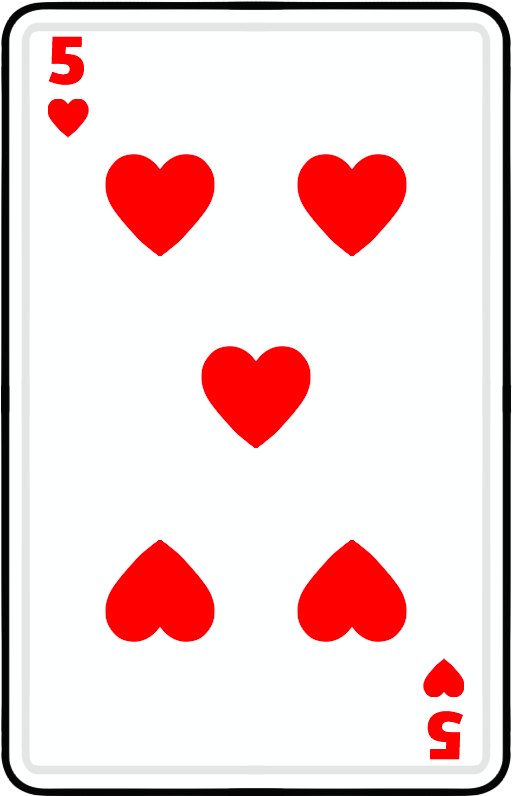
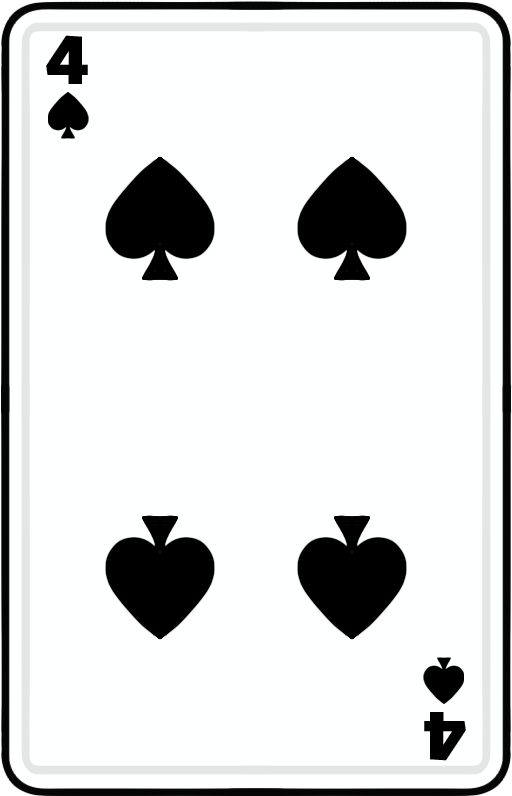
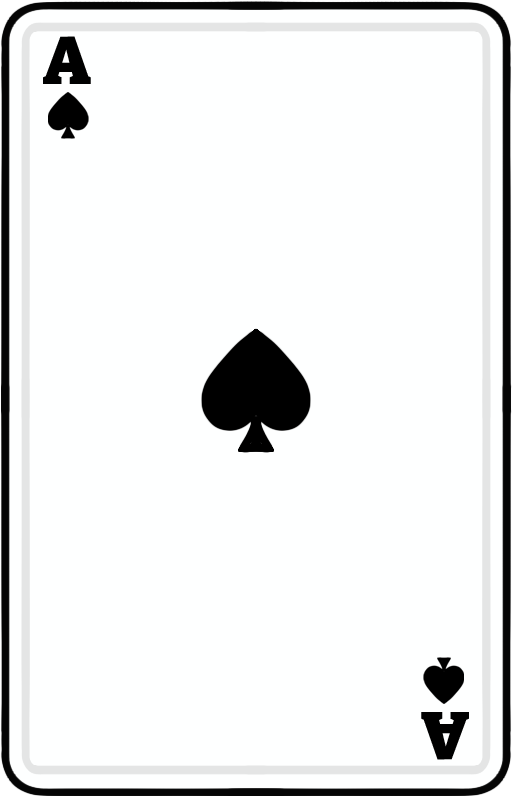
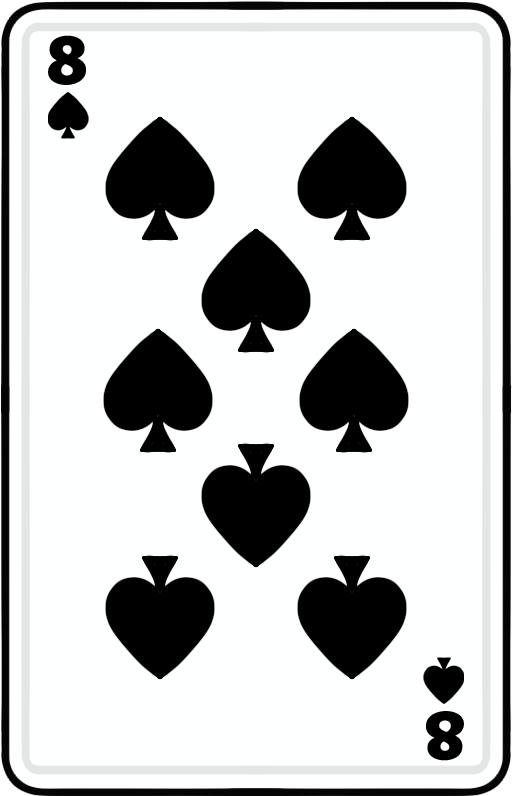
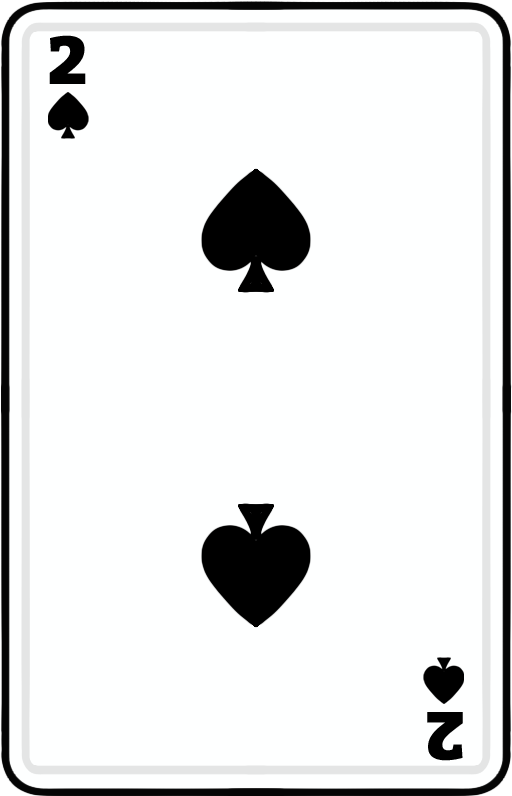
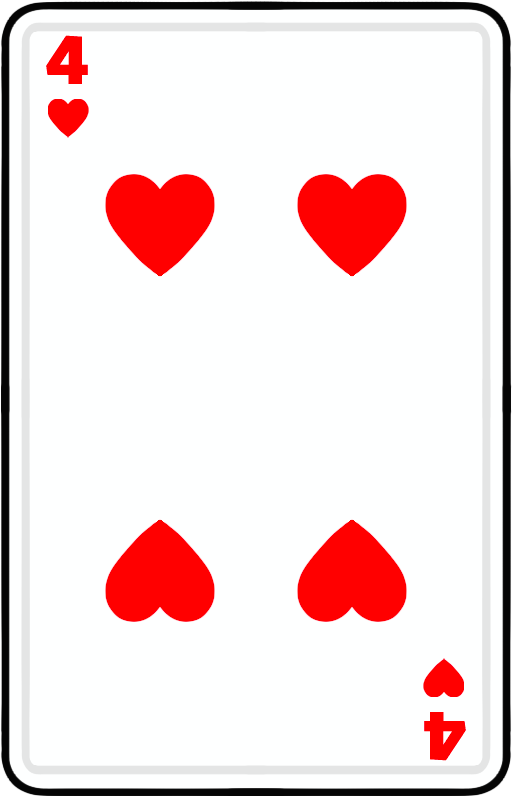
This is the exact deal our daily challenge gave every player on 28 September 2026, and you can still play this deal. You play first, holding the Queen of diamonds, two 4s, and two Aces: 20 points and no spread yet. Drop before you draw. On the first turn a 20 beats one opponent's dealt hand 97 times in 100 (the strategy section below has the full table), and here the computer shows 30.
Card Values and the 49/50 Rule
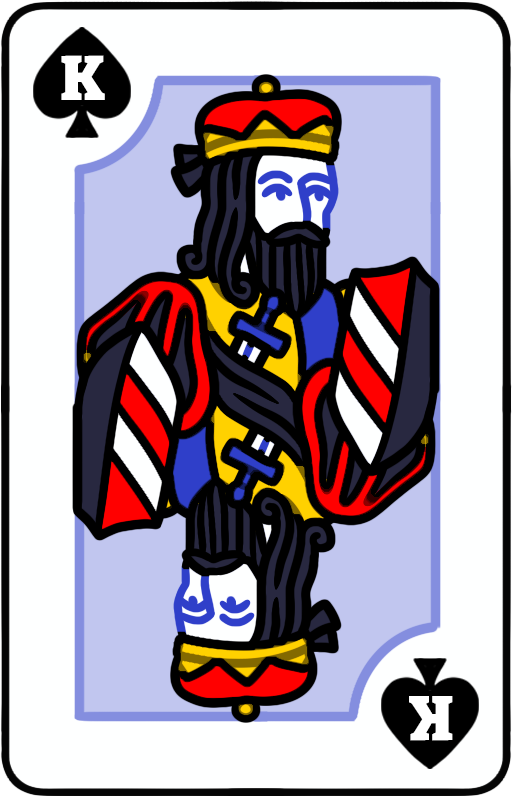
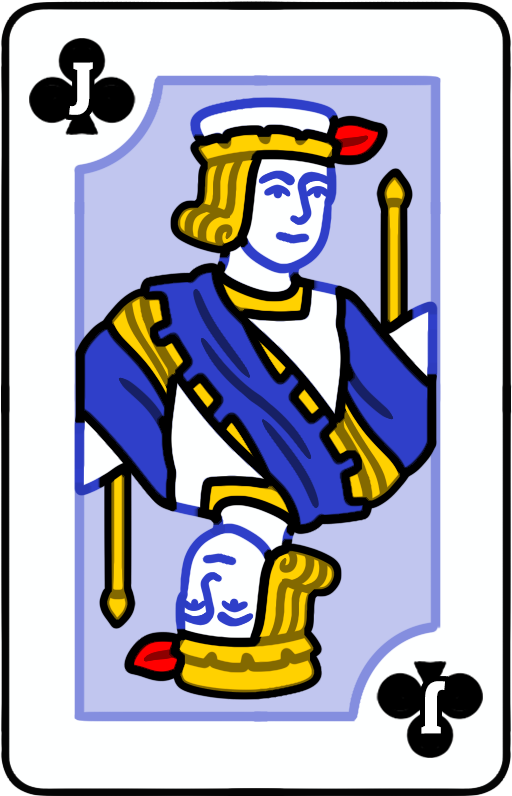
Every card counts its face value, with the Ace at 1 and every picture card at 10, and your count is the total of the cards still in your hand. Cards in a spread on the table no longer count.
- Ace1 point
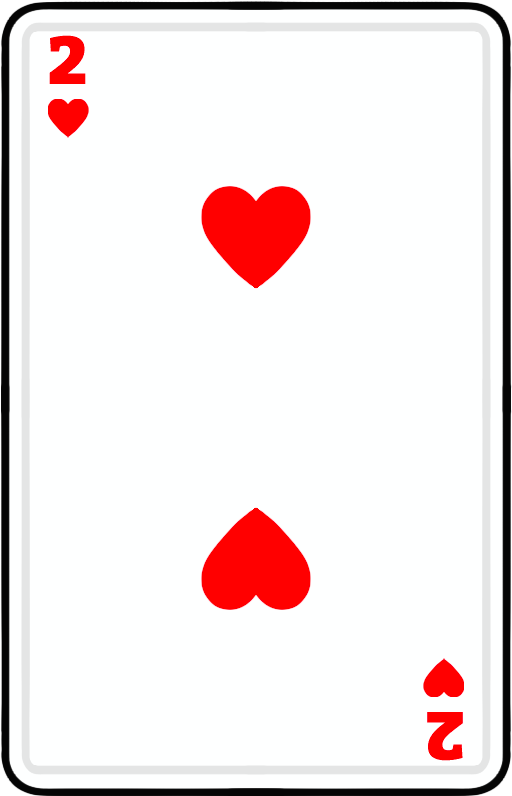
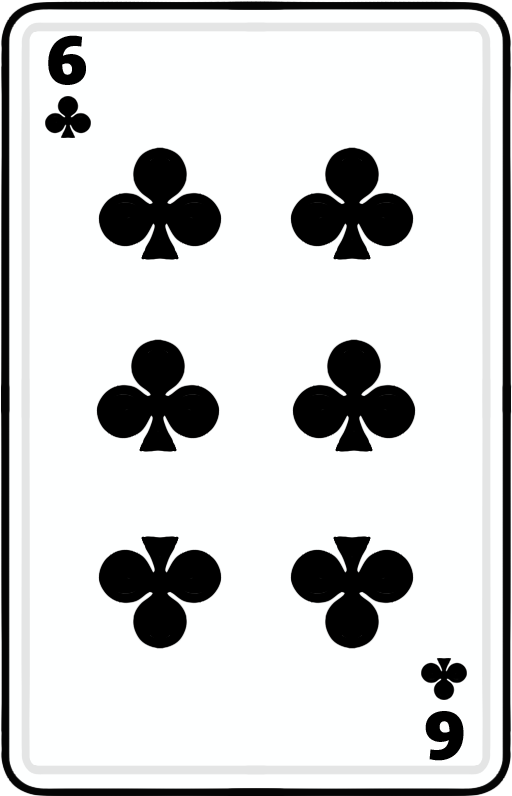
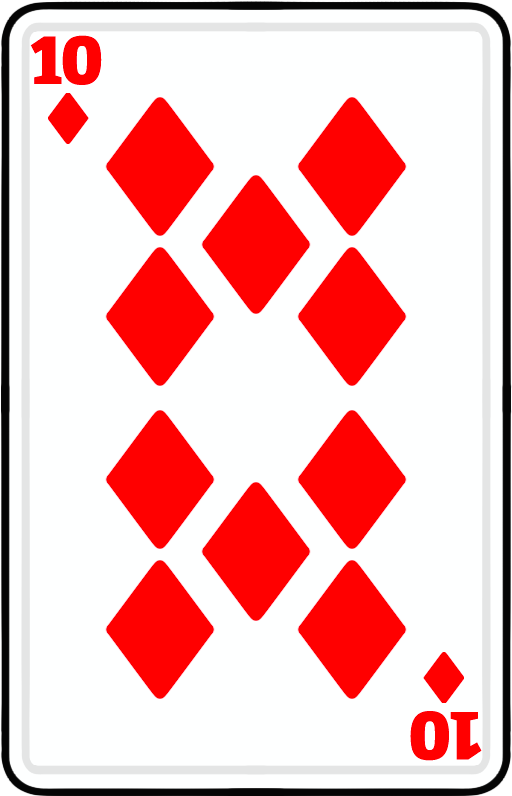 2 to 10Face value
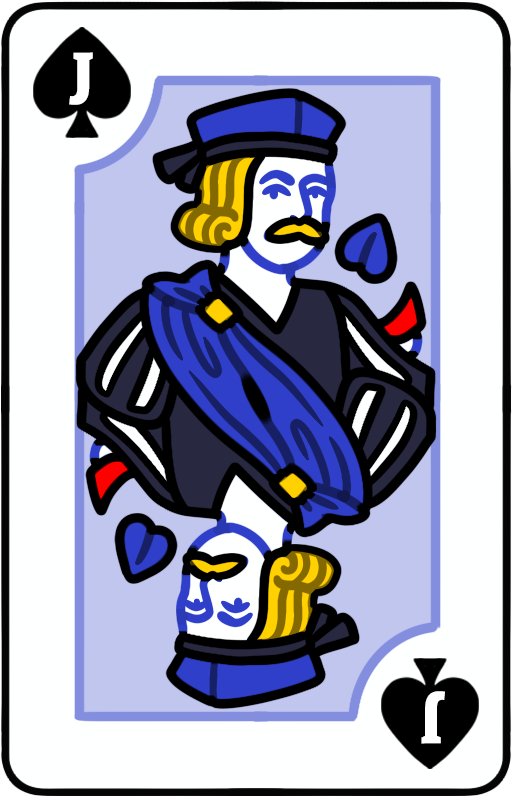
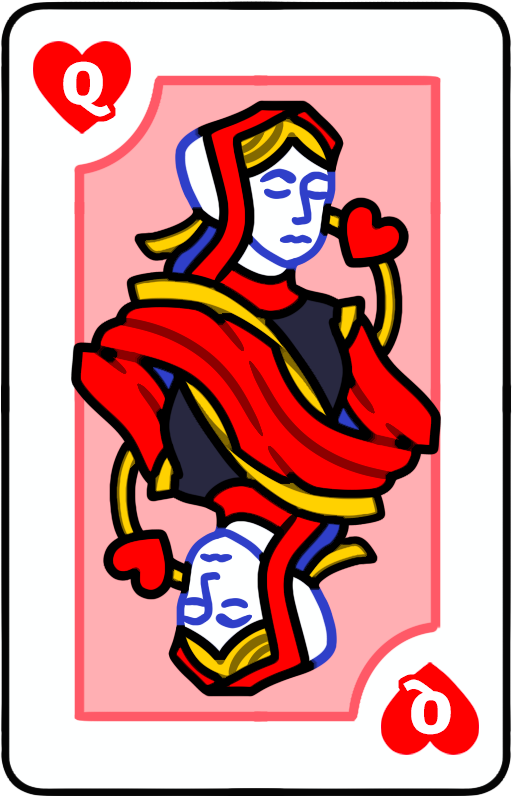
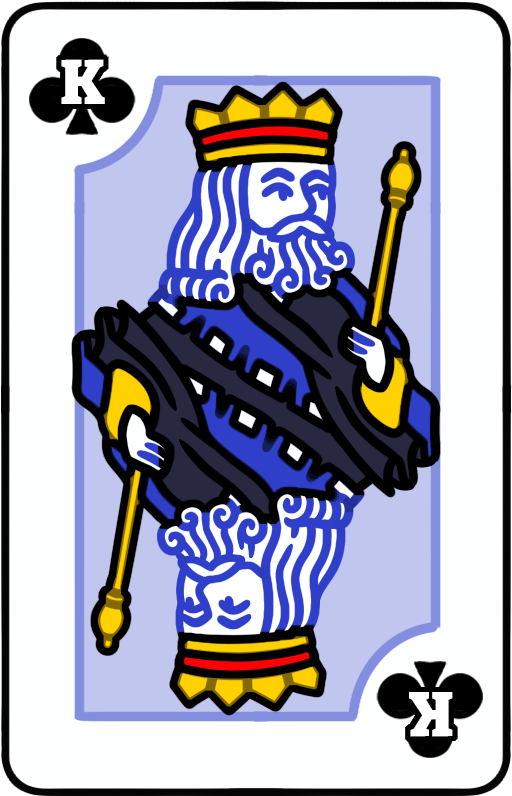 Jack, Queen, King10 points each
Sixteen of the 52 cards are worth 10, so a dealt hand averages about 33 points, and no five cards can top 50. The 49/50 rule rewards the two heaviest hands the deal can give: a hand dealt worth exactly 49 or 50 wins at once, and every other player takes double their count. It needs five 10-point cards, or four of them and a 9, and comes to any one player about once in 223 deals.
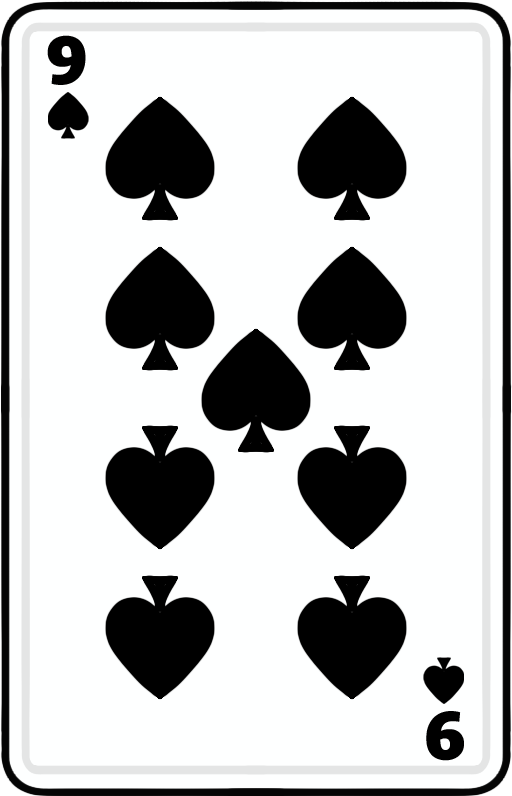
If two players are dealt 49 or 50, nobody scores and the next hand is dealt. The Ace is always worth 1 and ranks below the 2.
Spreads and Hitting
A spread is three or more cards laid face up: a book of three or four cards of one rank, or a run of three or more cards in sequence in one suit.
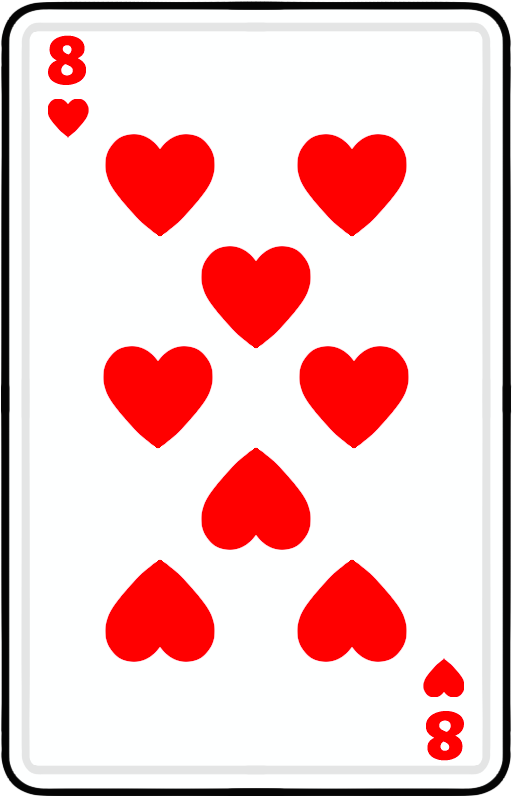
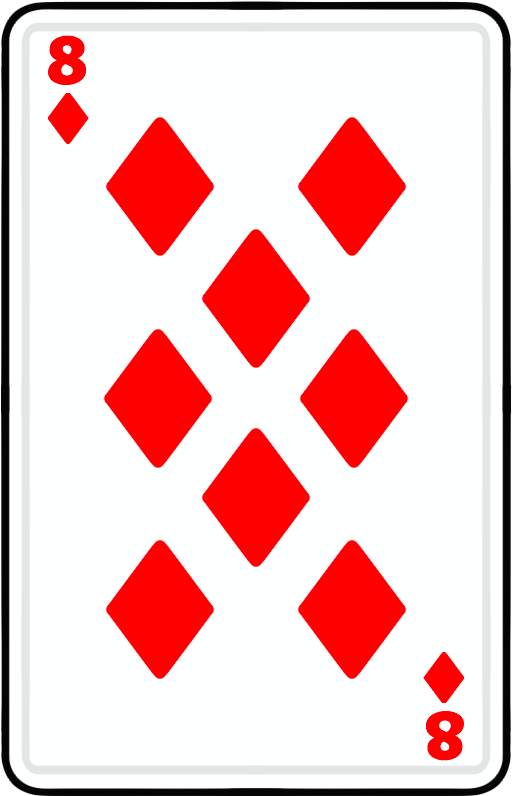
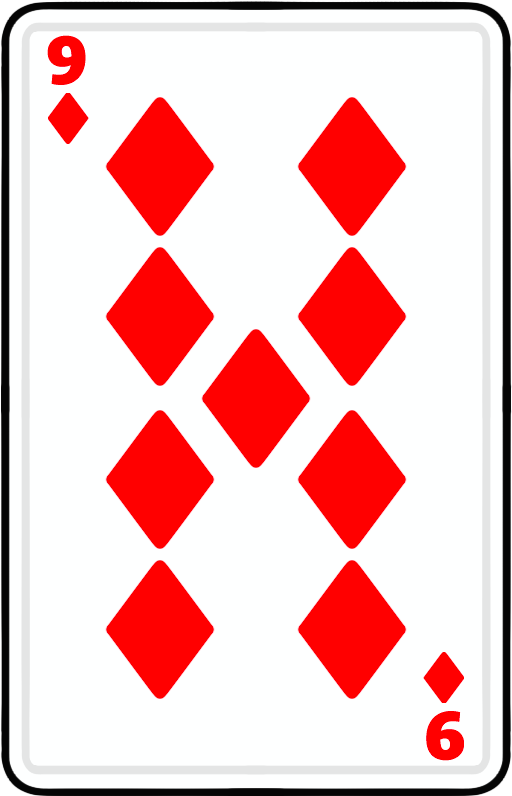
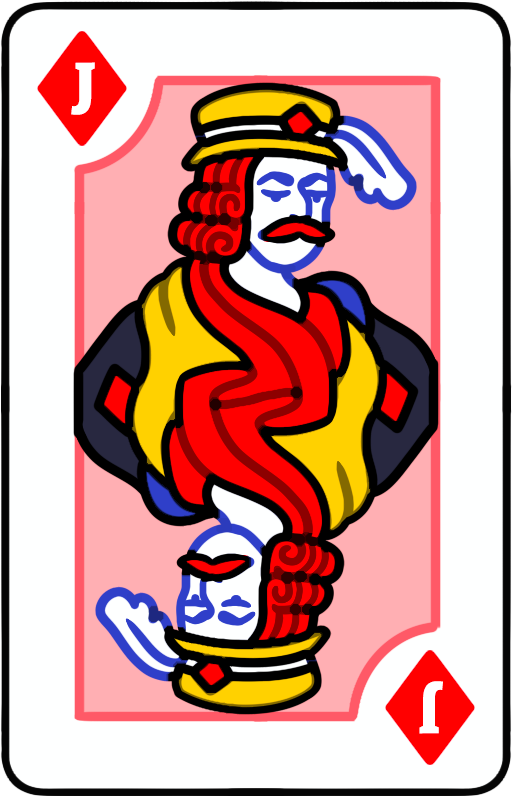
You lay spreads down after you draw and before you discard, as many as you hold in one turn, and their cards come off your count at once. You may also keep a finished spread in your hand; our game never forces it down, though every card you hold counts against you if someone drops.
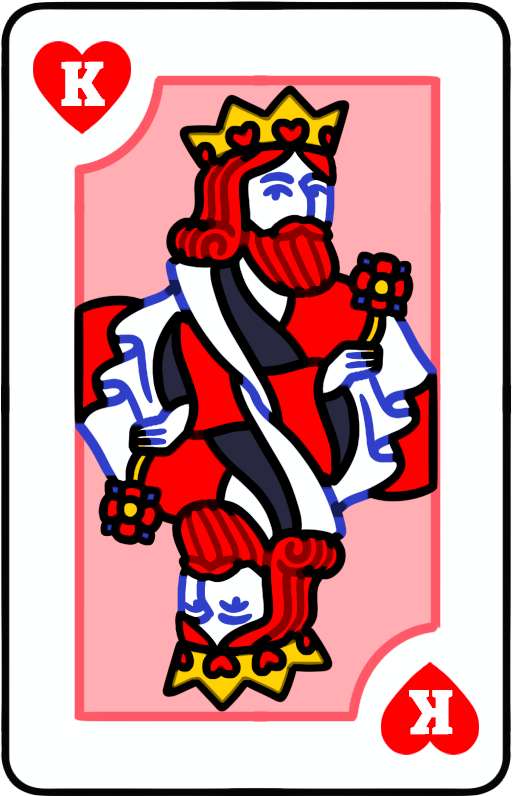
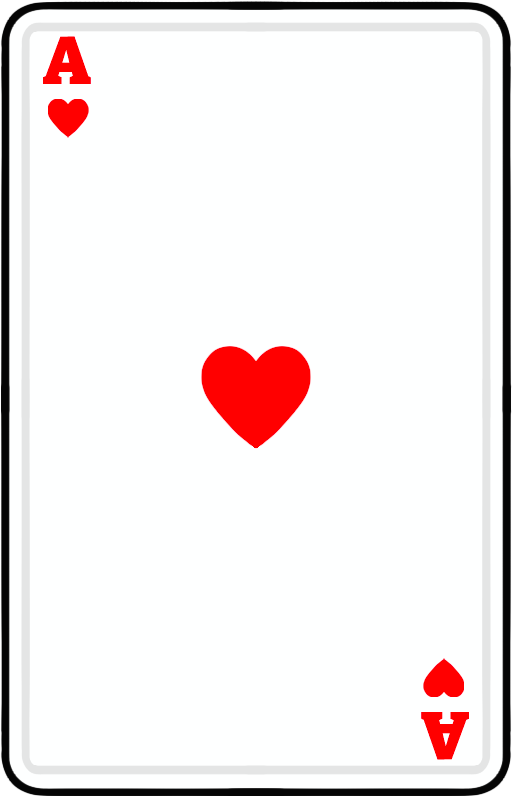
Hitting means adding a card from your hand to any spread on the table during your turn, yours or an opponent's. A book takes its fourth card, and a run grows at either end but never past the King or below the Ace. You do not need a spread of your own first.
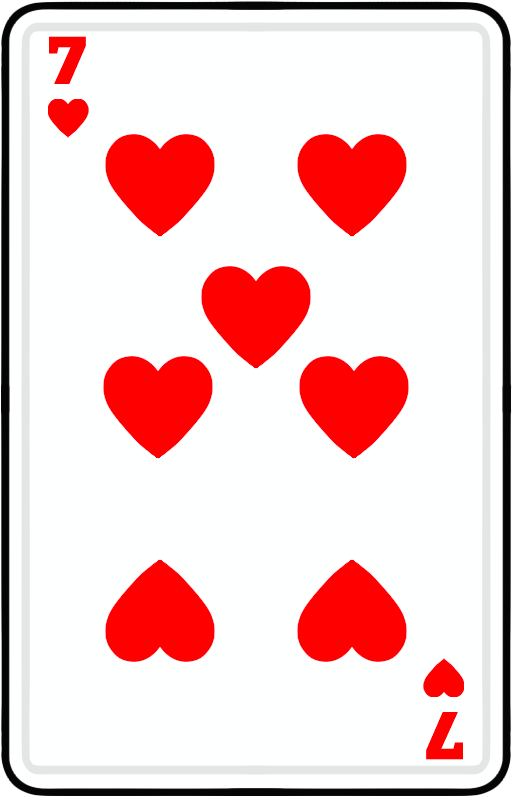
How to Win a Hand of Tonk
A hand ends on a dealt 49 or 50, a drop, an empty hand, or an empty stock, and the way it ends decides who takes penalty points and how many:
| How the hand ends | Winner | Penalty points |
|---|---|---|
| Dealt 49 or 50 | That player, before anyone plays | Everyone else takes double their count |
| Two or more players dealt 49 or 50 | Nobody | Nobody scores; the next hand is dealt |
| Tonk out: your hand empties through spreads and hits, with no discard | You | Everyone else takes double their count |
| Run out: your last card goes on the discard pile | You | Everyone else takes their count |
| Drop with the lowest count | The dropper | Everyone else takes their count |
| Drop and get caught: another hand ties or beats yours | The lowest other hand | The dropper takes double their own count; nobody else scores |
| The stock runs out | The lowest hand | Everyone else takes their count |
Dropping
Drop at the start of your turn, before you draw, by laying your hand face up; you may do it on your very first turn. Everyone else shows their cards. If your count is lower than every other hand, you win. If anyone ties or beats you, you are caught and take double your own count, so a caught drop at 25 costs you 50 points.
Tonking out beats running out
Empty your hand without a discard and every opponent's count is doubled. With five cards in hand the draw gives you six, so two spreads of three do it in one turn:
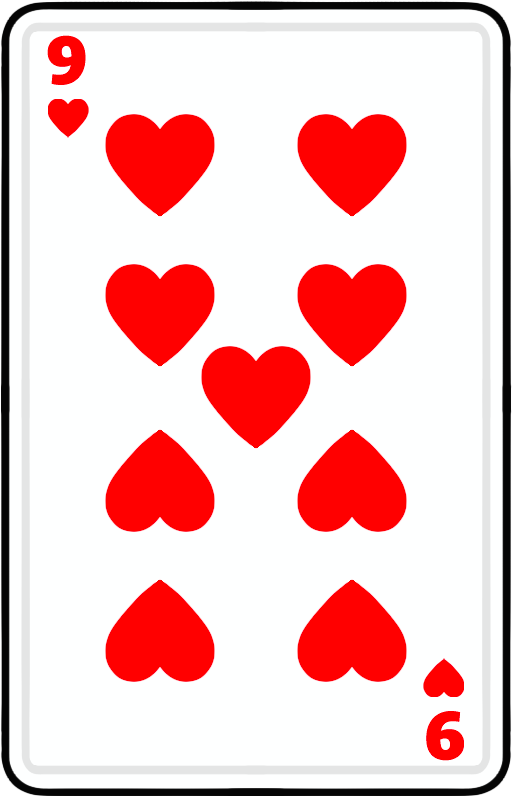
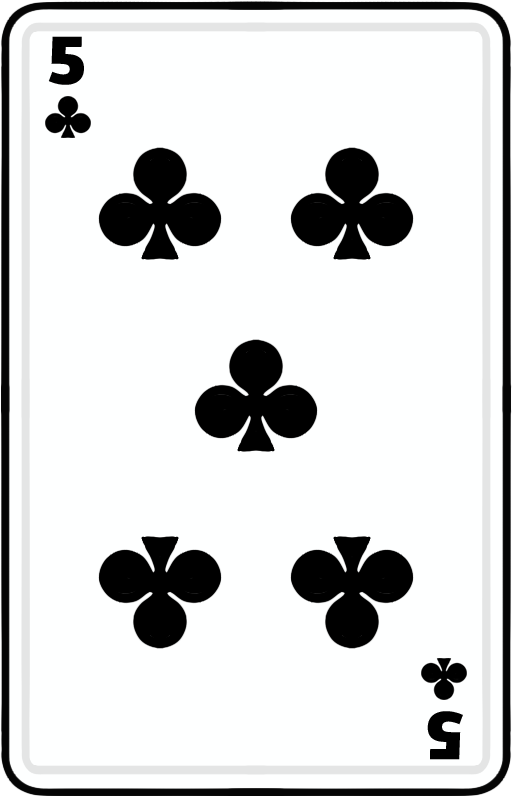
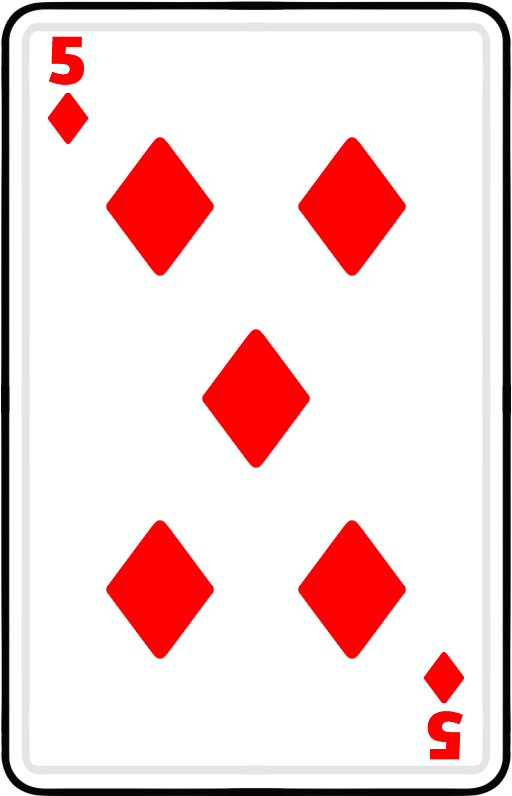
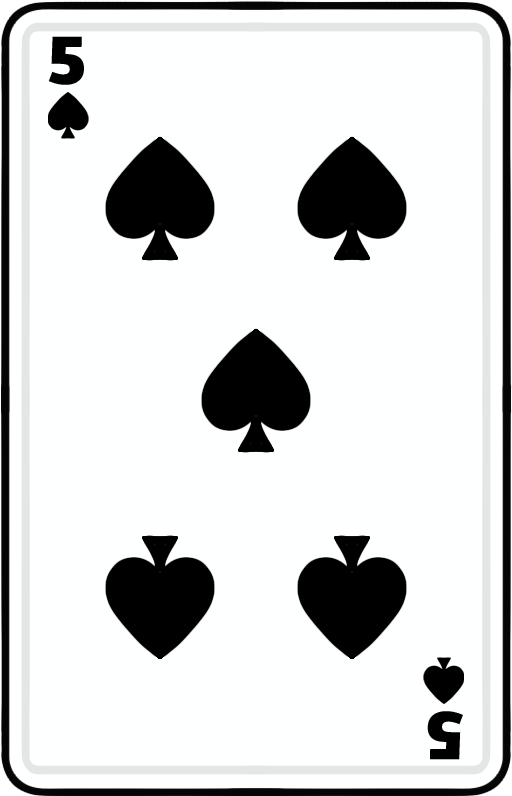
If your last card has to go on the discard pile, you have run out instead, and your opponents take their counts once. So when your final cards can all go onto spreads, play every one of them rather than throwing one away.
When the stock runs out, and winning the game
The hand stops as soon as the player who took the last stock card discards: the lowest count wins, the others take their counts, and nothing is reshuffled. Penalty points add up from hand to hand. Reach the limit, 100 unless you choose 50, 75, or 150 before the deal, and you are out; the last player left wins the game. The rules page works through a three-player scoring example.
Tonk Strategy: When to Drop
On your first turn, a drop at 25 or less against one opponent, 22 or less against two, or 20 or less against three wins close to 9 times in 10 or better. Those odds are the clearest you will get: nobody has drawn yet, so every other player still holds a dealt hand, and a dealt hand averages about 33 points.
| Your count | 1 opponent | 2 opponents | 3 opponents |
|---|---|---|---|
| 20 | 97% | 96% | 93% |
| 22 | 95% | 90% | 86% |
| 25 | 88% | 77% | 66% |
| 28 | 75% | 56% | 40% |
| 30 | 65% | 40% | 23% |
| 33 | 45% | 19% | 7% |
Each extra opponent is one more hand that can tie or beat yours: a 28 wins three drops in four against one opponent and two in five against three. And the very low hands that common advice waits for rarely come. A dealt hand of 15 or less turns up about 6 times in 1,000 deals, and 10 or less about 3 times in 10,000.
- Price the catch before you drop. A caught drop costs double your own count: 50 points at 25, half of the default 100-point limit. A drop at 20 risks only 40, and wins far more often.
- Lay spreads down. Every card in your hand counts when someone drops or the stock runs out, so three Kings held back for a bigger finish are 30 points against you until they reach the table.
- Throw high cards that fit nothing. A lone King costs 10 in every count. Keep a pair, or two cards of one suit such as the 7 and 8 of hearts, which one draw can turn into a spread.
- Take the upcard when it makes or hits a spread. A known card that finishes a book or run beats a blind draw from the stock.
- Watch the stock count. When the stock runs out the lowest hand wins with no drop at all, so late in a hand, shedding one more 10 can matter more than waiting for a spread.
Tonk House Rules
Tonk is played with many house rules, so agree on them before the first deal. These are the common ones, and the game on this page plays none of them.
| House rule | How it works | In our game |
|---|---|---|
| Seven cards | Each player gets seven cards instead of five, for a longer hand. | Five cards at every table size |
| Wild cards | The four 2s, and sometimes two jokers, stand in for any card in a spread. | No wild cards |
| Waiting | After you lay a spread you may not drop for three turns; after someone hits your spread you wait one turn. | Drop at the start of any turn |
| Low hands win on the deal | A dealt hand of 15 or less wins at once; other tables use 13 or 9, often for double or triple. | Only 49 or 50 wins on the deal |
| 49 must wait | A dealt 50 wins at once, but a 49 must be claimed in turn or pays single. | 49 and 50 both win at once, doubled |
| Spreads must go down | A finished spread cannot stay in your hand. | You may hold a spread |
| No upcard | Nothing is turned up after the deal; the first player draws from the stock. | One card starts the discard pile |
| Empty stock | The hand is thrown in with no score, or the discards are shuffled into a new stock. | Lowest hand wins; no reshuffle |
| Paying for a caught drop | Tables that play for money settle it several ways: double to every player, double to each hand that tied or beat the dropper, or a payment to the lowest hand only. | The dropper takes double their own count; nobody else scores |
Some rule books print a different game under the name Tunk: seven cards, wild 2s, and a knock once your unmatched cards total 5 or less. The rules page sets out how that Tunk differs.
Where Tonk Came From
Tonk is an American knock-rummy game, and its early record runs through music: jazz musicians played it in the 1930s and 1940s, members of Duke Ellington's orchestra among them, usually for money. Where it began is disputed. Some players say the Philippines, where the related 12-card game Tong-its is played; others argue the borrowing went the other way, with American soldiers taking Tonk there in the 1940s. Neither claim rests on firm evidence.
Readers of Glen Cook's Black Company novels, the first published in 1984, know it as the card game the company's mercenaries play. It belongs to the same family as Rummy and Gin Rummy, with five cards instead of Gin's ten and a drop where Gin has a knock.
Tonk FAQ
What is the 49/50 rule in Tonk?
A hand dealt worth exactly 49 or 50 points wins at once, before anyone plays, and every other player takes double their own count. It takes five 10-point cards, or four and a 9, so it comes about once in 223 deals. If two players hold one, nobody scores and the cards are dealt again.
Is Ace 1 or 11 in Tunk?
The Ace is worth 1 point in Tonk, not 11, and it plays low only: the A-2-3 of one suit is a run, but Q-K-A is not. Some home games let the Ace rank high in runs as well, so agree before you play. Our game always counts it as 1 and plays it low.
Can you spread ace king queen in Tonk?
Not as a run, because the Ace is low in Tonk: A-2-3 of one suit is a run and Q-K-A is not. Three of a kind is different, so three Aces, three Kings, or three Queens each make a book. A few house rules let the Ace go high; our game does not.
Can you hold a spread in Tonk?
Yes, in the standard game and in ours: a finished spread can stay in your hand, and you can lay it down on a later turn. The catch is that held cards still count against you if someone drops or the stock runs out. Some tables make you lay a spread down at once.
What happens if you tie in Tonk?
A tie goes against the player who dropped. To win a drop your count must be lower than every other hand, so matching the lowest count means you are caught. In our game a caught dropper takes double their own count in penalty points, and the lowest other hand wins.
What happens if the stock pile runs out in Tonk?
The hand ends. In our game it stops as soon as the player who drew the last stock card discards: everyone shows their cards, the lowest count wins, and the others take their counts as penalty points. The discards are not reshuffled. Some house rules throw the hand in or reshuffle instead.
Can you play Tunk with two people?
Yes. Tonk works well with two, and the rules do not change: five cards each, one upcard, and 41 cards in the stock. Two or three players is often called the best number. In our game, choose 2 Players before you deal to face one computer opponent; three and four players also work.
Is there a winning strategy for Tonk?
No play wins every hand, and the biggest decision is when to drop. On your first turn, a count of 25 beats one dealt hand 88 times in 100 and three dealt hands 66 times in 100. Lay spreads down to cut your count, throw high cards that fit nothing, and tonk out for double when you can.
What is a Tunk?
Tunk is another name for Tonk, the five-card rummy game on this page, and the name is often explained as meaning a knock. Some rule books print a different game under the same name: seven cards each, wild 2s, and a knock once your unmatched cards total 5 or less.
How many cards do you get in Tonk?
Five cards each, dealt one at a time, whether two, three, or four are playing. The next card starts the discard pile and the rest form the stock: 41 cards with two players, 36 with three, and 31 with four. Some groups deal seven cards each as a house rule.
Play Tonk Free Online
The game at the top of this page is free, runs in any browser with no download, and plays the rules on this page. Here is exactly what it does:
- Table size: choose 2, 3, or 4 players before you deal, meaning you and one to three computer players. It is played against the computer; there is no live table against other people.
- Elimination: choose 50, 75, 100, or 150 penalty points. Every player's running total shows above the table.
- Moves: click the stock or the discard pile to draw; select three or more cards and press Spread; select a spread on the table, then a card, to hit; select one card and press Discard. The Drop button shows your count and appears only before you draw.
- Fair deals: every hand is dealt from our provably fair shuffle.
- Share the cards: Share This Hand (in the side panel on wide screens) sends a friend the game you are playing, and Challenge a Friend sends the one you just finished. A shared link opens at the two-player table.
For a new deal every day, the daily Tonk challenge deals everyone the same two-player game for each UTC date, with every later hand shuffled from the same seed. More games like it are in our card games collection.