

What Is Crescent Solitaire?
Crescent Solitaire is a one-player card game for two decks. One Ace and one King of each suit start eight foundations in the middle, and the other 96 cards are dealt face up into 16 piles of six that curve around them like a crescent. You win by building all 104 cards onto the foundations.
There is no stock to draw from. When the moves run out you have three reshuffles, and each one lifts the bottom card of every pile to its top.
- Cards: 104, two standard decks
- Foundations: 8. Four Aces build up by suit to the King; four Kings build down by suit to the Ace
- Piles: 16 of six cards, all face up; only the top card moves
- Building: one card at a time, same suit, one rank up or down, with King and Ace connected
- Reshuffles: 3, each moving the bottom card of every pile to its top
- Empty piles: stay empty
- Also called: La Demi-Lune, the half moon
How to Set Up Crescent Solitaire
Shuffle two decks together and take out one Ace and one King of each suit. Lay the four Aces and the four Kings out in the middle: these eight cards start the foundations. Deal the other 96 cards face up into 16 piles of six, fanned so you can read every card, and arrange the piles around the foundations. That is 8 + 96 = 104 cards, with no stock left over.
A true crescent needs a big table. Our game sets piles 1 to 8 in a shallow arc above the foundations and piles 9 to 16 in a row below them, as in the diagram.

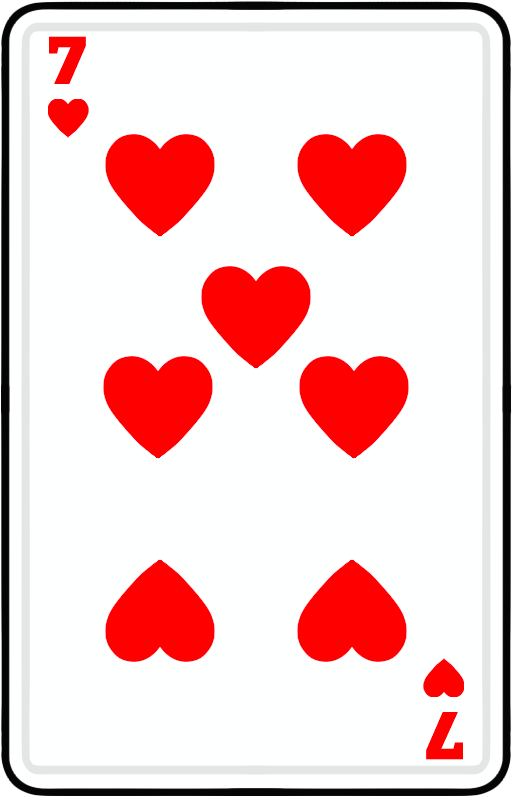
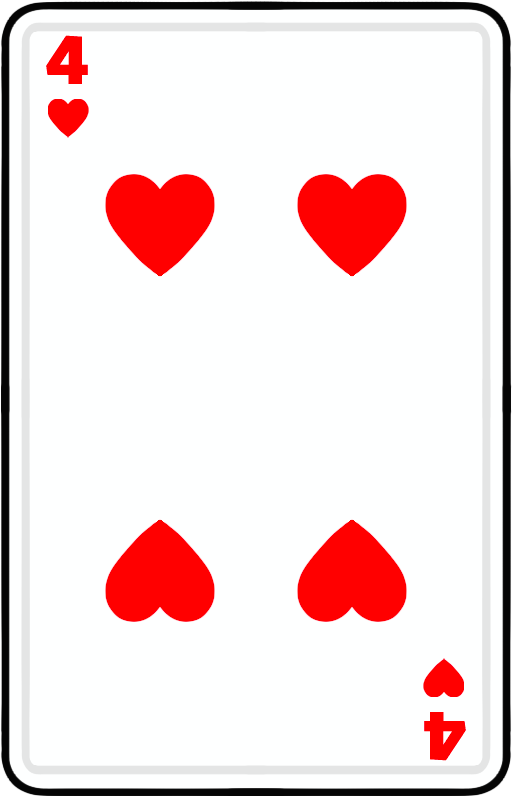
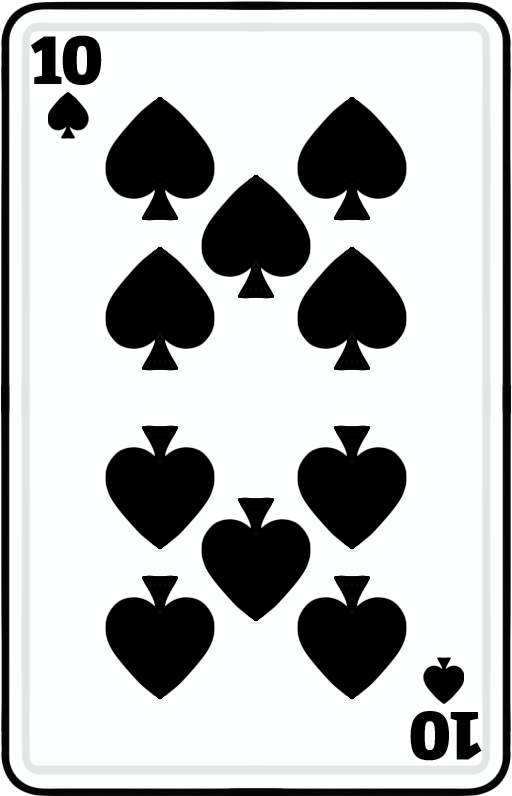
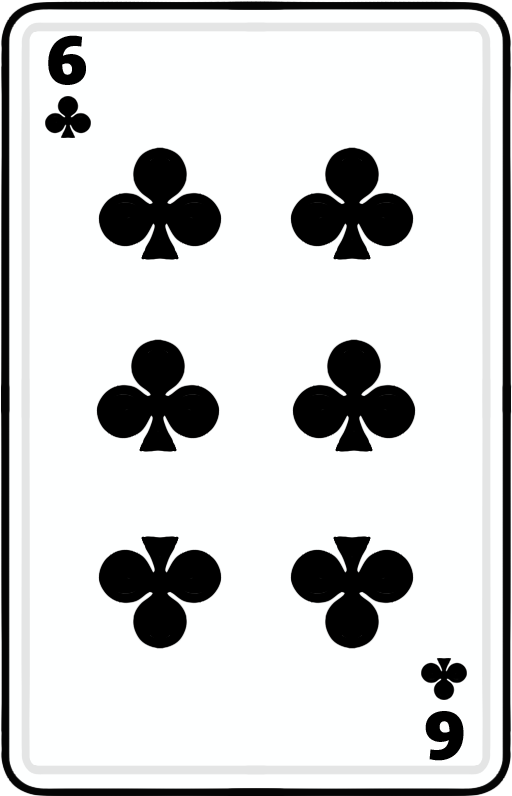
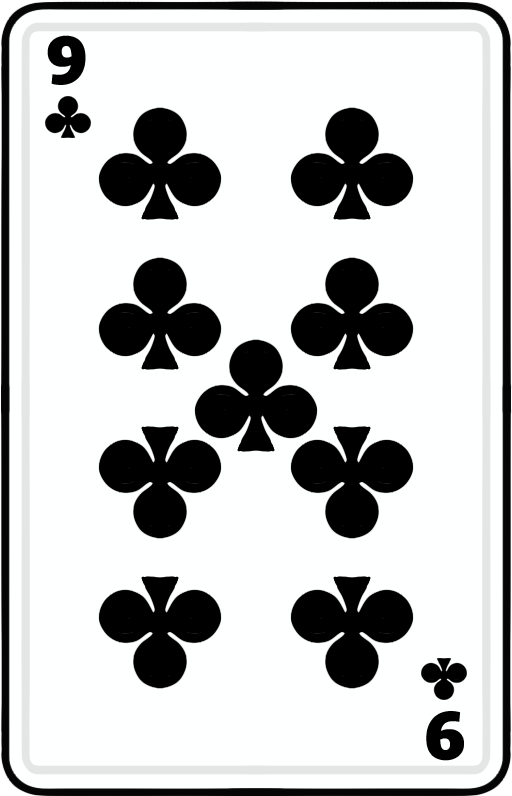
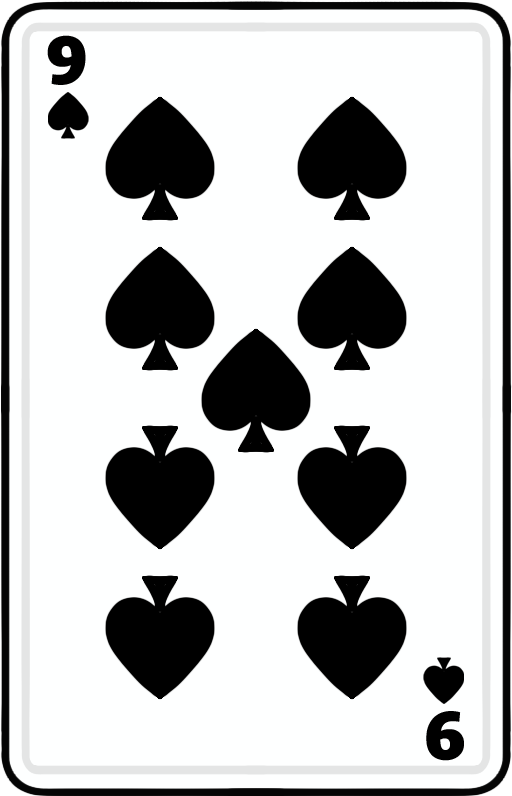
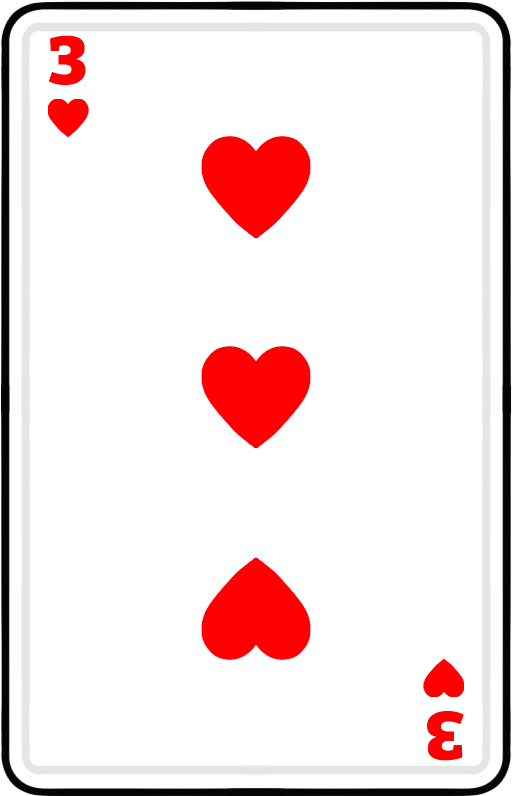
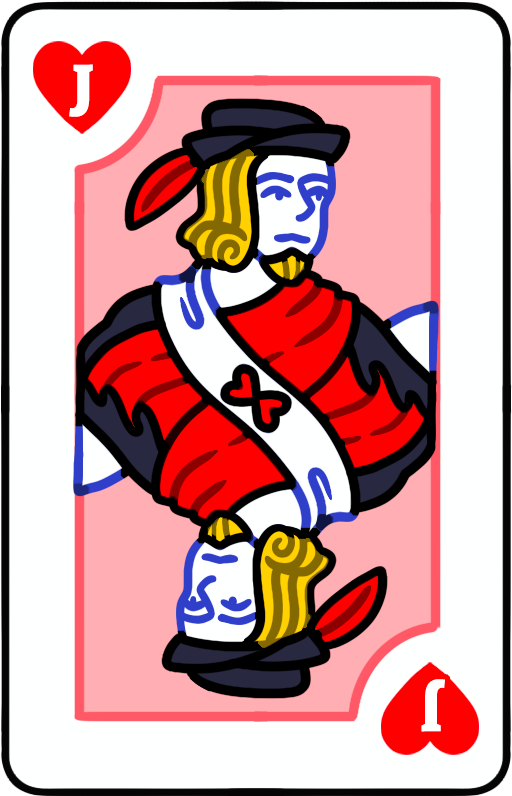
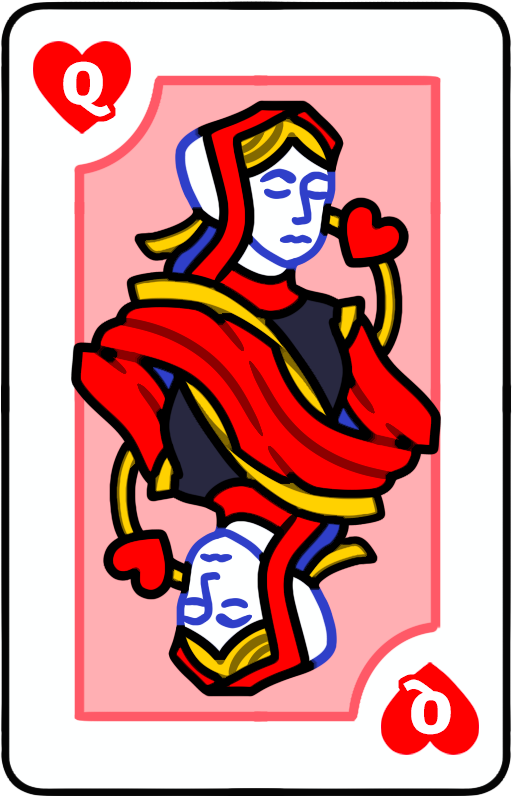
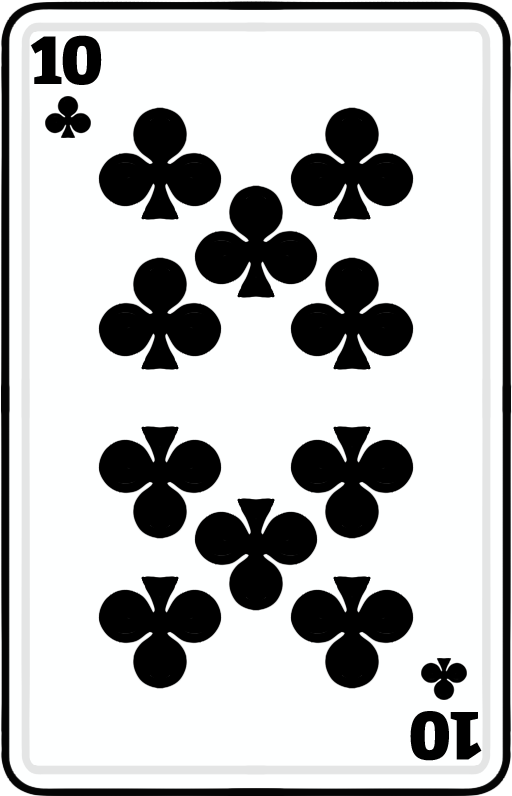
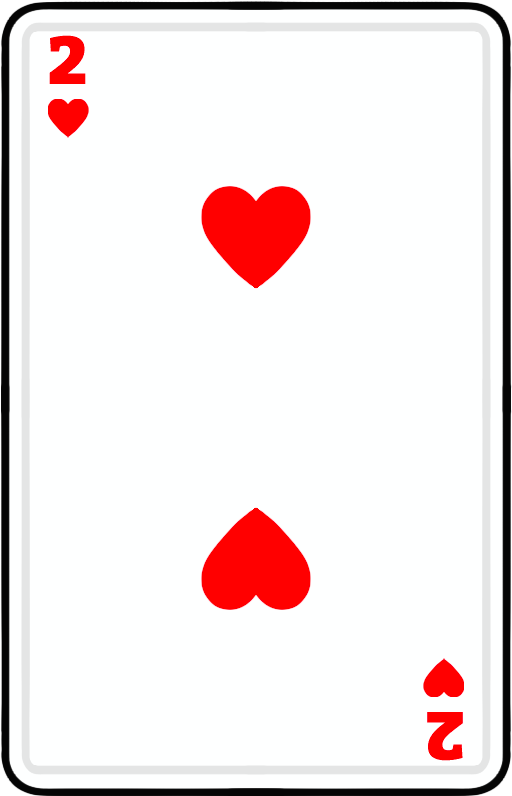
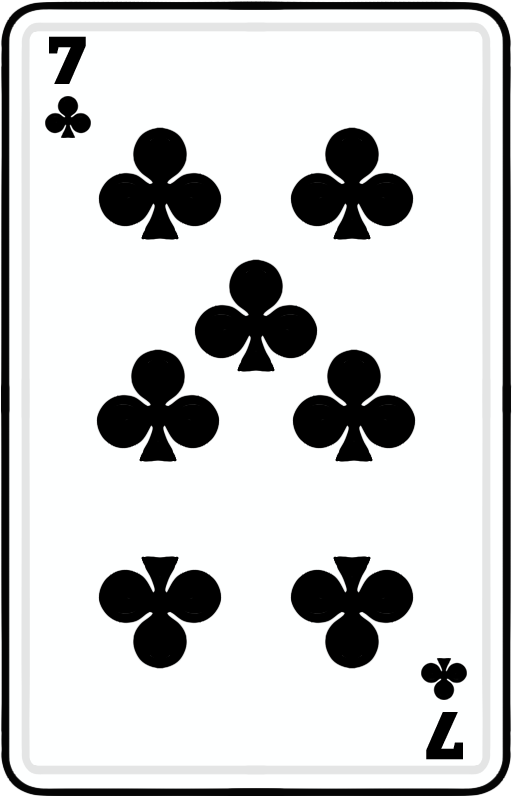
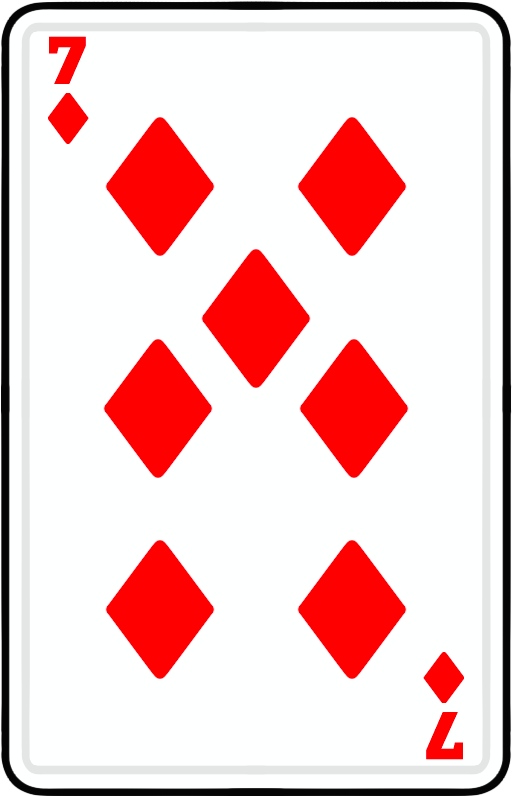
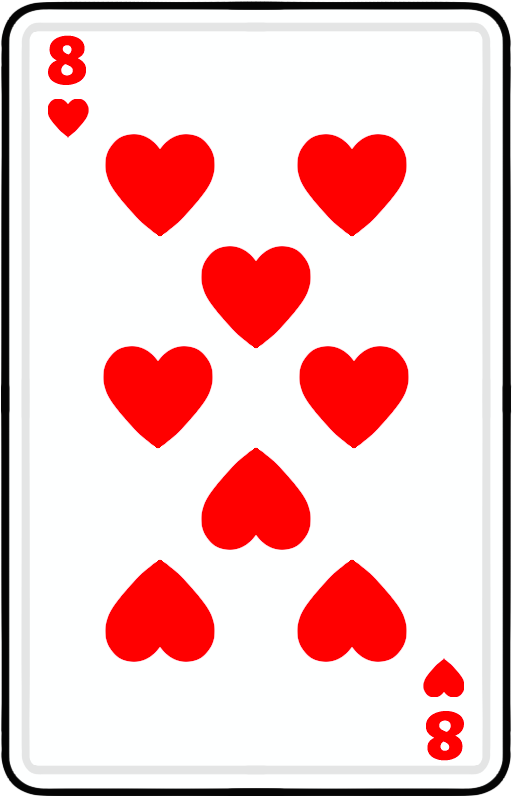
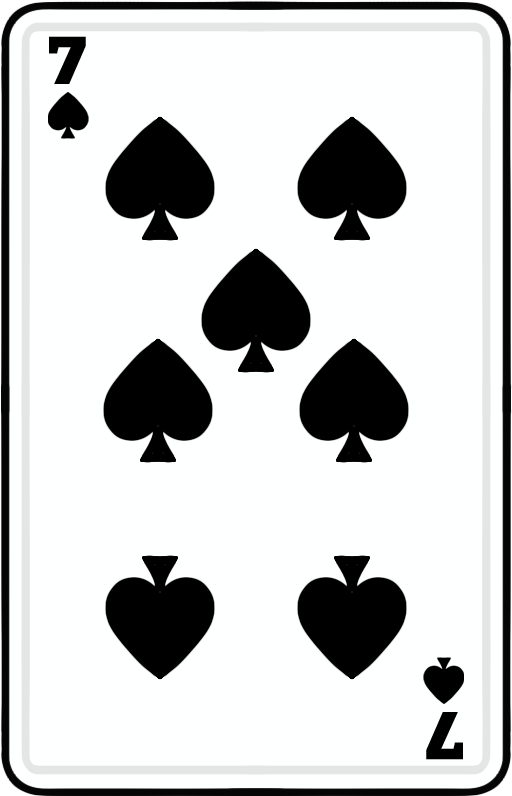
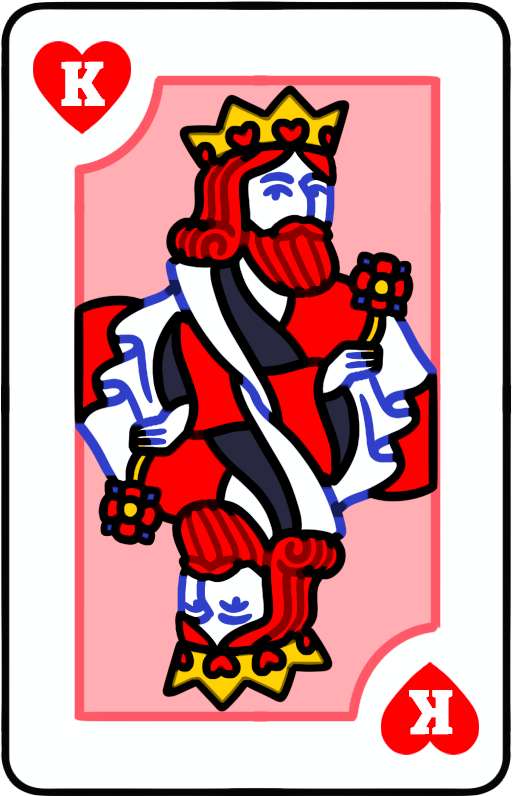
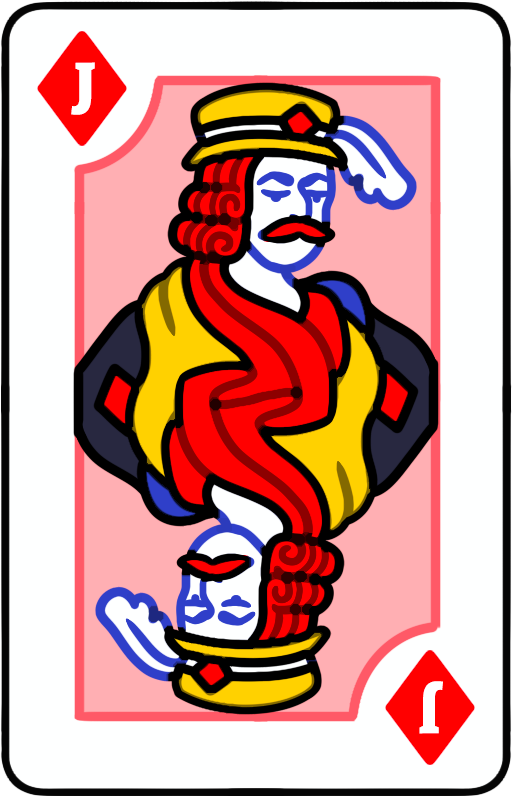

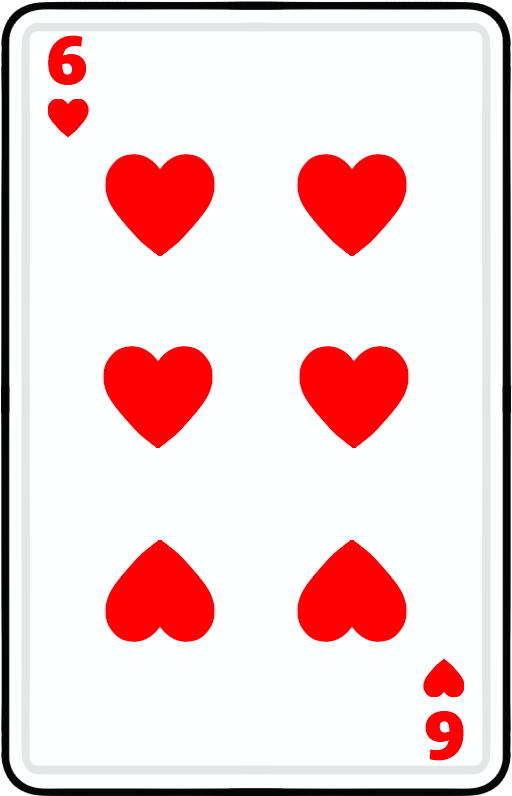
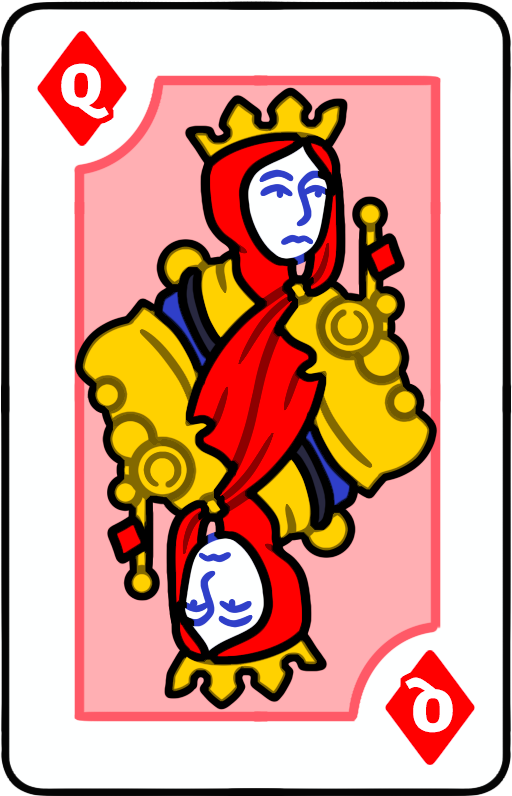
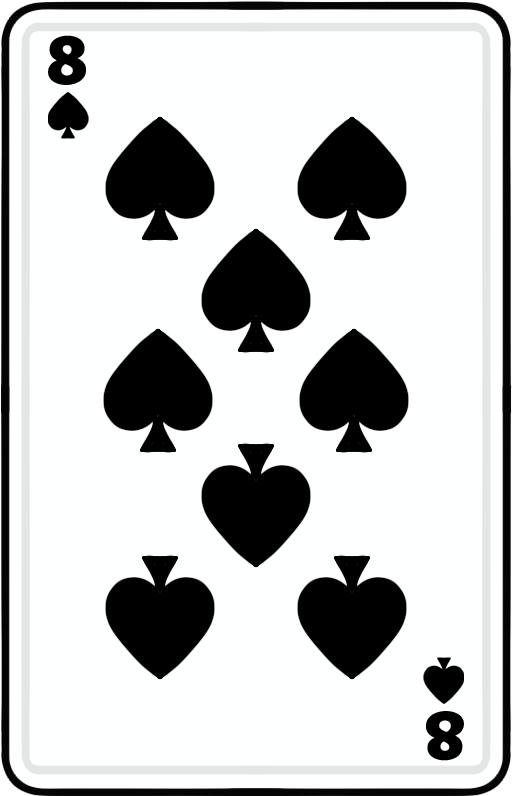


This is the exact deal our daily challenge gave every player on 28 September 2026, and you can still play this deal. It opens with 17 legal moves: the 2 of hearts on pile 15 can go straight to the Ace of hearts, and there are 16 ways to move a top card onto a same-suit neighbor.
How to Play Crescent Solitaire
Every move takes the top card of one pile and puts it on a foundation or on top of another pile.
- Build the foundations. Put a top card on the Ace foundation of its suit when it is one rank higher than the card showing there, or on the King foundation of its suit when it is one rank lower. The 2 of hearts goes on the Ace of hearts, and the Queen of hearts on the King of hearts.
- Build on the piles. Move a top card onto the top card of another pile of the same suit when the two are one rank apart, up or down: the 7 of clubs goes on the 6 or the 8 of clubs. Only one card moves at a time.
- Turn the corner from King to Ace. On the piles, a King and an Ace of the same suit are neighbors, so the Ace of spades goes on the King of spades and the King on the Ace. The foundations never wrap.
- Leave empty piles empty. When a pile runs out of cards, nothing can go into the space for the rest of the game.
- Reshuffle when you are stuck. Up to three times a game, move the bottom card of every pile that has two or more cards to its top. Nothing is shuffled at random, and the other cards keep their order.
- Win with all 104 cards on the foundations. The game is won when each Ace foundation reaches its King and each King foundation reaches its Ace, 13 cards apiece. It is lost when no card can move and no reshuffle is left.
The first ten moves of the 28 September 2026 deal
Our solver found a win for the deal pictured above. Its first six clicks, with four moves the game makes by itself, put nine cards on the foundations:
- The 2 of hearts (pile 15) to the Ace of hearts. The game then plays the 3 of hearts from pile 10 by itself.
- The 10 of clubs (pile 3) onto the 9 of clubs (pile 13). That uncovers the Queen of hearts, and the game plays it to the King of hearts.
- The Jack of hearts (pile 3) to the King of hearts foundation. The game follows with the 10 of hearts from pile 12.
- The Queen of spades (pile 3) to the King of spades.
- The Jack of spades (pile 7) to the King of spades foundation.
- The 10 of spades (pile 8) to the same foundation. The game adds the 9 of spades from pile 2.
The full line wins in 181 moves, uses all three reshuffles, and has 44 of the 104 cards on the foundations before the first of them.
How the Reshuffle Works
A reshuffle lifts the bottom card of every pile onto its top. Nothing is random: the other cards keep their order, so you can see exactly what it will bring up. You get three per game. A pile holding a single card is skipped, so that card stays where it is, and empty piles stay empty.
Each reshuffle brings up whatever is at the bottom at that moment. With no moves in between, the second one lifts the cards that started second from the bottom, and the third lifts the ones that started third. On the pictured deal, the bottom cards include the Queen of spades, the 2 of hearts, the 2 of spades, and the Queen of diamonds, so a reshuffle before any other move would put all four on top, ready for the foundations.
Three is the classic number, and ours. Some sites offer six or nine as easier settings. The button works whenever you have one left, even while other moves are open. How the versions differ
Crescent Solitaire Strategy
Build each pile in one direction, and read the bottom cards before every reshuffle. The tips below show why, with real cards.
Build each pile in one direction
A pile unloads from the top, so the order you build it in decides which foundation it can feed. A run with its lowest card on top, 8, 7, 6 of clubs with the 6 showing, goes up onto an Ace foundation card after card. Built the other way, 6, 7, 8 with the 8 showing, it goes down onto a King foundation. A zigzag jams: from a pile of 7, 8, 7 with a 7 on top, an Ace foundation at 6 takes the 7 and the 8, then stops at the second 7.
Albert Morehead and Geoffrey Mott-Smith gave the same advice in 1949: do not change a pile's direction unless you can see how to split it again later. On the pictured deal, the 10 and then the Jack of clubs go onto the 9 of clubs in pile 13, highest card on top. Once the Queen of clubs reaches the King of clubs foundation, the Jack and the 10 come straight off pile 13 after it. A run you move across card by card turns around, so moving it is one way to fix its direction.
Read the bottom cards before you reshuffle
Every card is face up, so a reshuffle holds no surprises: the bottom card of each pile is its next top card. Before you press the button, play off any top card you will need soon, because the reshuffle buries it one card deep.
Dig with pile-to-pile moves
A same-suit move uncovers the card underneath, and its only price is burying the card you build on. The best ones uncover a card that plays at once. In the opening above, moving the 10 of clubs onto the 9 frees the Queen of hearts, which starts a run of seven cards to the foundations. Look for moves like that before you think about a reshuffle.
When a card fits both foundations, look one card ahead
With two foundations per suit, a card sometimes fits both. If the Ace foundation of hearts shows the 5 and the King foundation shows the 7, a 6 of hearts can go on either, and our game lets you choose. On the Ace side, the next card that foundation needs is a 7; on the King side, a 5. Put the 6 where that next card is easier to reach. Professor Hoffmann's 1892 rules parked such a card between the foundation rows until the next heart decided for you.
Remember that nothing comes back
In Klondike and FreeCell an empty column is a prize. Here a cleared pile stays empty, and a card on a foundation never moves again. Before you play a card up, check that no card still needs it as a place to land.
Can Every Crescent Deal Be Won?
No. Some deals are lost before you touch a card, and no published win rate fits the rules of our game. Picture a deal where no top card is a 2 or a Queen and no two top cards are same-suit neighbors, and the same holds for the bottom cards and for the second and third cards from the bottom. Nothing can move at the start, and each reshuffle only brings up another dead row. We built one and ran it through our game's rules: no card ever moves, and the game ends it after the third reshuffle.
Deals like that are rare: of 20,000 random deals we checked, only one started without a single legal card move. The published odds describe other rules. Morehead and Mott-Smith put the chance of winning at 9 in 10 in 1949, for a version with five cards of each pile face down but with the right to move cards between the two foundations of a suit. Other versions allow six or nine reshuffles, or let cards come back off the foundations. Ours allows none of those extras, so we quote no percentage for it.
Our own solver could not settle most random deals within its limits, so it gives no figure either. It did win the 28 September 2026 deal pictured above, and every move of that win was replayed through the game's rules.
Crescent vs Spider and Forty Thieves
All three are two-deck solitaires, and Crescent is the one with no stock: every card is dealt at the start, and three reshuffles take the place of drawing. Spider builds down in any suit and clears finished King-to-Ace runs. Forty Thieves builds down in suit, one card at a time like Crescent, and feeds its eight foundations from a 64-card stock.
| Crescent | Spider | Forty Thieves | |
|---|---|---|---|
| The deal | 96 cards face up in 16 piles of 6, plus the 8 foundation cards | 54 cards in 10 columns, top cards face up | 40 cards face up in 10 columns of 4 |
| Stock | None; three reshuffles instead | 50 cards, dealt 10 at a time | 64 cards, one at a time, one pass |
| Building on the layout | Same suit, up or down, King-Ace wrap | Down, any suit | Down, same suit |
| Cards moved at once | One | A same-suit run | One |
| Empty piles | Stay empty | Take any card | Take any card |
| Foundations | 4 up from Aces, 4 down from Kings | Finished King-to-Ace runs are cleared | 8, all up from Aces |
The solitaire games hub lists every solitaire game on this site.
Where Crescent Solitaire Came From
Crescent was in print by 1892, when Professor Hoffmann included it in The Illustrated Book of Patience Games. His version is close to the one on this page: an Ace and a King of each suit set out as foundations, the other 96 cards in 16 face-up heaps of six around them in a semicircle, and three chances to move the bottom card of every heap to its top. A card that could go on either foundation of its suit waited between the rows until the next card of that suit settled it.
In 1949 Albert Morehead and Geoffrey Mott-Smith printed a different version in The Complete Book of Solitaire and Patience Games. Only the top card of each pile starts face up, ranks turn the corner from King to Ace on the piles, and cards can pass between the two foundations of a suit when they meet. They rated it a win in 9 games out of 10, and they noted that a folding card table is too small for the crescent, so two rows of eight will do.
The curved layout gives the game its name, and the French name La Demi-Lune, the half moon, points to the same shape. Our version keeps Hoffmann's face-up deal and the King-Ace turn, and leaves out moves between foundations. The rules page compares the versions rule by rule.
Crescent Solitaire FAQ
How do you play Crescent Solitaire?
Take one Ace and one King of each suit from two shuffled decks to start eight foundations, and deal the other 96 cards face up into 16 piles of six. Move top cards to the foundations, Aces building up and Kings down by suit, or onto a same-suit card one rank away. Three reshuffles help when you are stuck.
How many shuffles do you get in Crescent Solitaire?
Three, in the classic game and in ours. Each one moves the bottom card of every pile that has two or more cards to its top, without changing the order of the rest. Some sites offer six or nine as easier settings, and an old variant called Crescent Four allows a fourth.
Can you put an Ace on a King in Crescent Solitaire?
Yes, on the piles. A King and an Ace of the same suit count as neighbors, so the Ace of spades can go on the King of spades and the King on the Ace. The foundations do not wrap: an Ace foundation ends at its King, and a King foundation ends at its Ace.
Is Crescent Solitaire winnable?
Not every deal. Some cannot move a single card, even after all three reshuffles. Published odds run from 9 in 10, in a 1949 rule book, to far lower, because each figure describes different rules. None matches our version, where every card is face up and nothing moves between foundations, so we quote no percentage.
Can you move groups of cards in Crescent Solitaire?
No. Only the top card of a pile moves, one card at a time, even when the cards under it run in order in the same suit. You can still move a run across card by card onto another pile, which turns it around: 8, 7, 6 with the 6 on top ends up with the 8 on top.
What happens when a pile is empty in Crescent Solitaire?
It stays empty for the rest of the game. No card can be moved into the space, so unlike Klondike or FreeCell an empty pile gives you nothing. A pile down to its last card is also skipped by the reshuffle, so that card stays on top until you play it.
Can you move cards between foundations in Crescent Solitaire?
Not in our game. A card on a foundation stays there: it cannot move to the other foundation of its suit or back to a pile. Some versions allow one or both. The 1949 rules of Morehead and Mott-Smith let you move cards between the two foundations of a suit once their top cards meet in sequence.
When should you use a shuffle in Crescent Solitaire?
Usually when no useful move is left, but read the bottom cards first. Those 16 cards become the new top cards, and every current top card ends up one card deep, so play off any top card you need before you press the button. The button works even while other moves remain.
Where can I play Crescent Solitaire for free?
Right here. The game at the top of this page is free, runs in any browser with no download, and deals from a provably fair shuffle. A daily challenge gives every player the same deal each day, and you can send a friend the exact deal you are playing.
Play Crescent Solitaire Free Online
The game at the top of this page runs in any browser, with no download and no time limit. Here is exactly what it does:
- New Game deals from our provably fair shuffle.
- Moves: click a pile to pick up its top card, then click a foundation or another pile. The status line shows cards on the foundations out of 104, reshuffles left, moves, and time.
- Automatic moves: when a top card fits exactly one foundation and no pile, the game plays it for you. Undo one of those and it goes straight back up.
- Undo and Hint: Undo takes back moves one at a time, and its history clears when you reload the page. Hint picks out a card that can move, or suggests a reshuffle when none can.
- The end is automatic: when no card can move and no reshuffle is left, the game ends the deal and shows how many cards reached the foundations.
- Share the deal: Share This Hand sends a friend the deal you are playing (it sits in the side panel on wide screens), and Challenge a Friend sends the deal you just finished.
For a fresh deal every day, the daily Crescent Solitaire challenge deals everyone the same layout for each UTC date. Win it to post your result on the leaderboard.