

What Is Russian Bank?
Russian Bank is a card game for two players from the patience family, played with two standard 52-card packs. Each player races to empty a 13-card reserve, a 35-card hand, and a waste pile onto a shared layout of eight foundations and eight houses. The first to clear all three wins the hand.
Played head to head, it is a two-player solitaire, known as Crapette in France, as Stop or Touch in North America, and as Tunj in the Middle East. The name Touch comes from its sharpest rule: skip a play you were obliged to make, and your opponent can stop you and take the turn.
You can play Russian Bank free above, against the computer or against real people online, through Quick Match, Ranked games, or a private table you share by link. It is one of three games on the site with live online play, with Hearts and Spades.
| Players | 2 (our game also deals a three-player version against two computers) |
|---|---|
| Cards | Two standard 52-card packs, 104 cards, no jokers |
| Your deal | Reserve of 13 (top card face up), 4 houses, hand of 35: 52 cards |
| Shared layout | 8 foundations built up by suit from Ace to King; 8 houses built down in alternating colors |
| Goal | Be first to empty your reserve, your hand, and your waste pile |
| Score | 30 for the win, plus 1 for each card in the loser's hand and waste and 2 for each reserve card |
| Also called | Crapette, Stop, Touch, Tunj, Zank-Patience |
How to Play Russian Bank
A turn is a run of single-card moves. You keep going until you turn up a hand card you cannot or will not play; it goes on your waste pile and the turn passes. The whole game fits in eight steps:
- Deal your reserve. Deal 12 cards face down and a 13th face up on top of them. This is your reserve, on your right.
- Deal four houses. Deal 4 cards face up in a column running from your reserve toward your opponent. Your opponent does the same, leaving room between the two columns for eight foundations.
- Keep 35 cards as your hand. The last 35 cards stay face down on your left. The space between your hand and reserve is for your waste pile.
- Lower reserve card starts. Compare the two face-up reserve cards. The lower one goes first, with Aces low.
- Make every foundation play first. Any card you can move that fits on a foundation must go there before you do anything else. Aces start the foundations, which build up by suit to the King.
- Build houses and load your opponent. Build the houses down one rank at a time in alternating colors. Load a card of the same suit, one rank up or down, onto your opponent's reserve or waste.
- Turn up your hand. When nothing else is required, turn up the top card of your hand. Play it and turn up another, or leave it on your waste pile to end your turn.
- Empty your piles to win. The first player with no cards left in the reserve, hand, or waste wins the hand and scores 30, plus points for the cards the other player still holds.
The Layout
Each player holds 13 + 4 + 35 = 52 cards, so 104 are dealt. The four house cards you deal belong to the shared layout, which leaves you 48 cards to get rid of: your reserve and your hand. Here is a real deal from our game, the daily challenge of 28 September 2026.
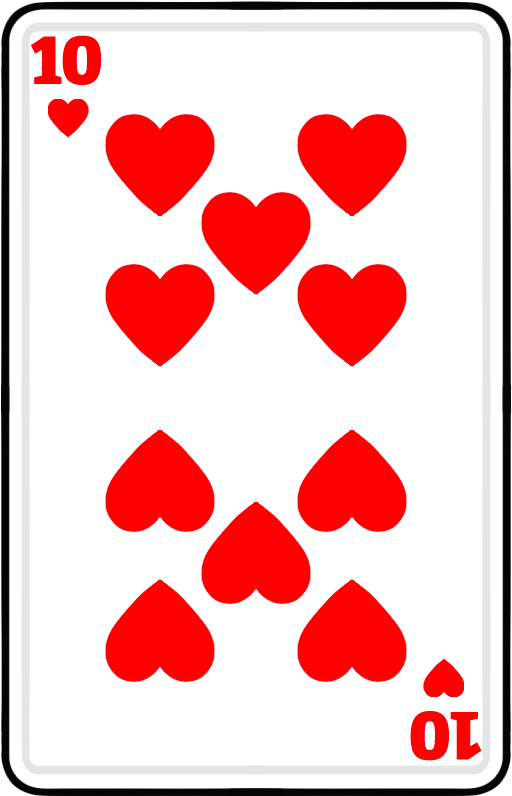
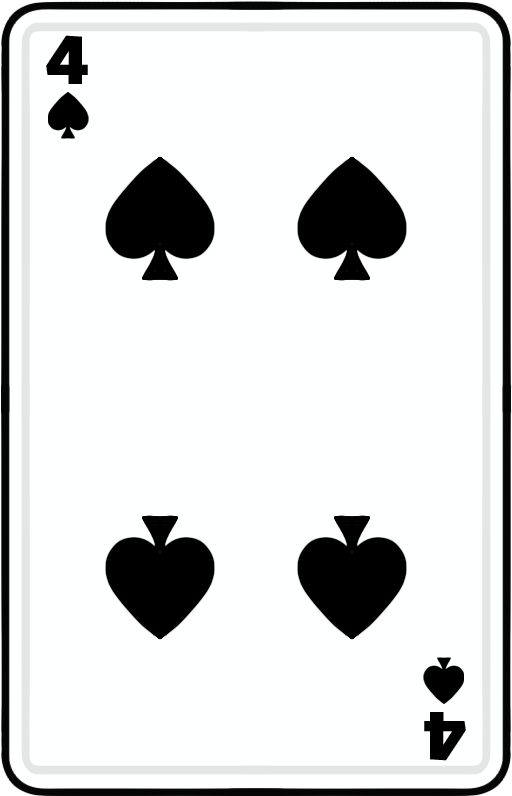
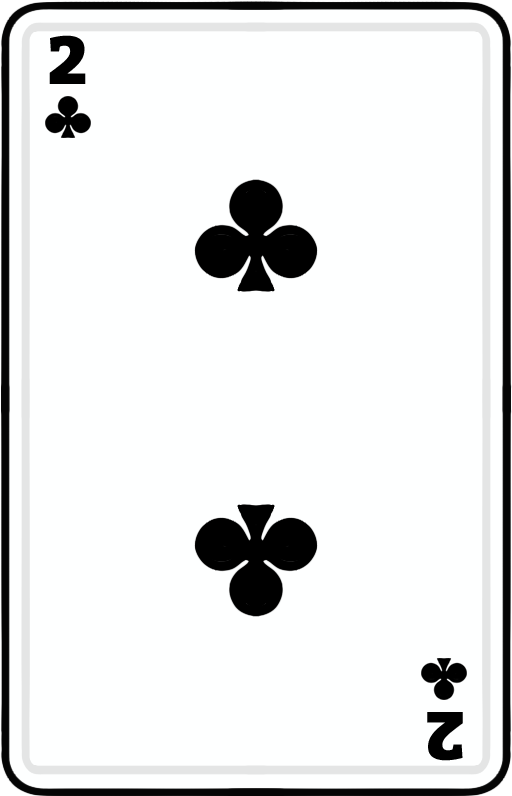
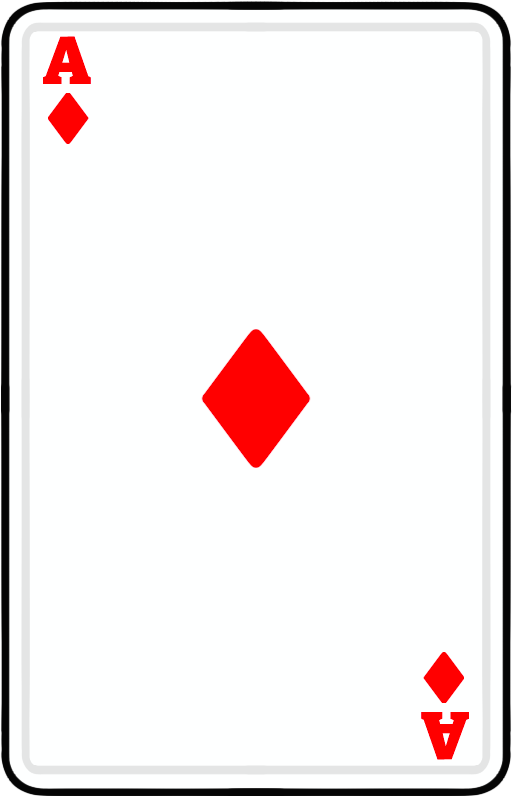
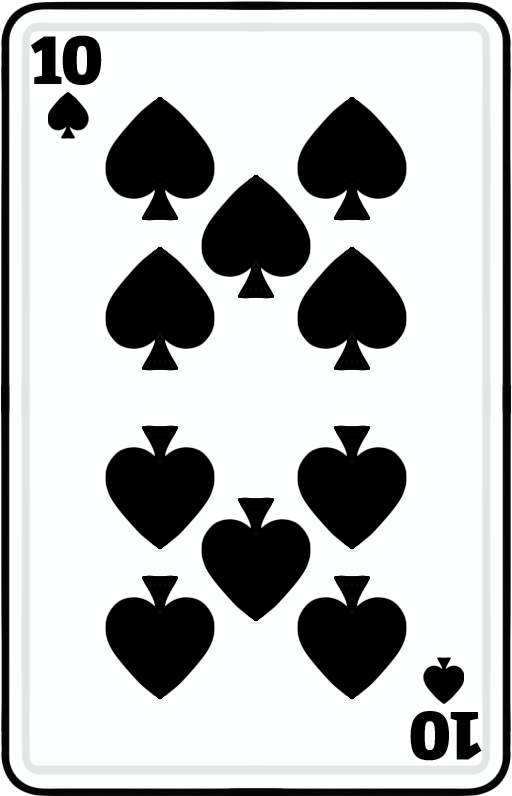
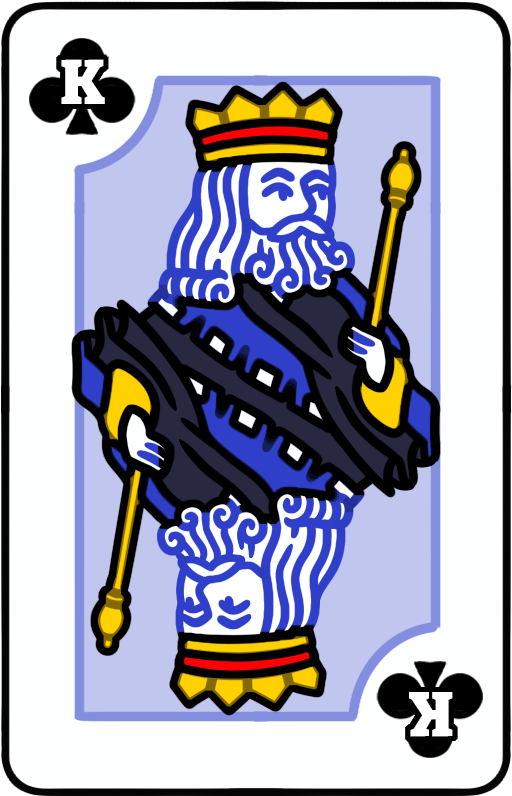
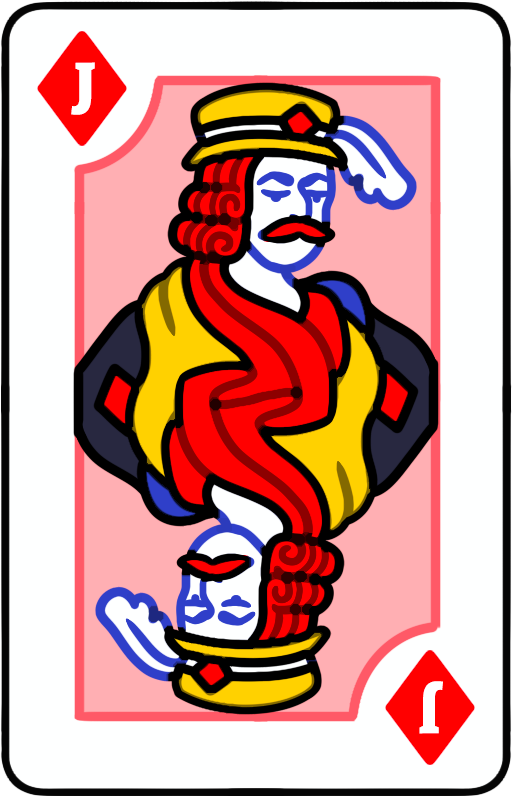
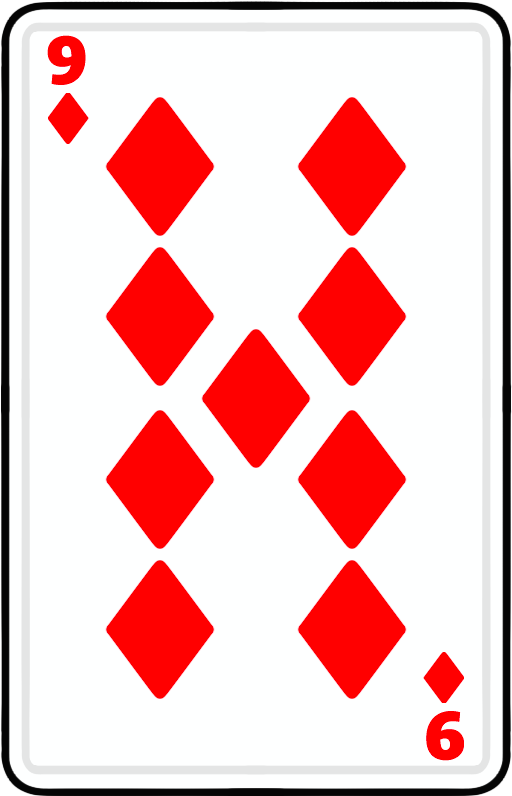
Your 2 of clubs is lower than the computer's 10 of hearts, so you start. Nothing on the board can move, so you turn up your first hand card, the 9 of diamonds, and build it on the computer's 10 of spades. The next card, the 6 of diamonds, has no home: no black 7 is showing, and the computer's 10 of hearts will take only a 9 or Jack of hearts. It stays on your waste and your turn ends. The computer's first play is forced: the Ace of diamonds in its houses must go to a foundation. Play this exact deal.
Foundations, Houses, and Loading
Foundations start with an Ace and build up in suit to the King. Neither player owns them, and in our game each one belongs to a pack: the left-hand space in each row takes one pack's cards and the right-hand space the other's. Both packs share one card back, so if the game refuses your 2 of hearts on an Ace of hearts, that Ace came from the other pack.
Houses build down one rank at a time in alternating colors: a red 7 on a black 8, a black 10 on a red Jack. You move one card at a time, never a run, and an empty house takes any card. You may build on all eight houses, but in our game you can take cards only from your own four.
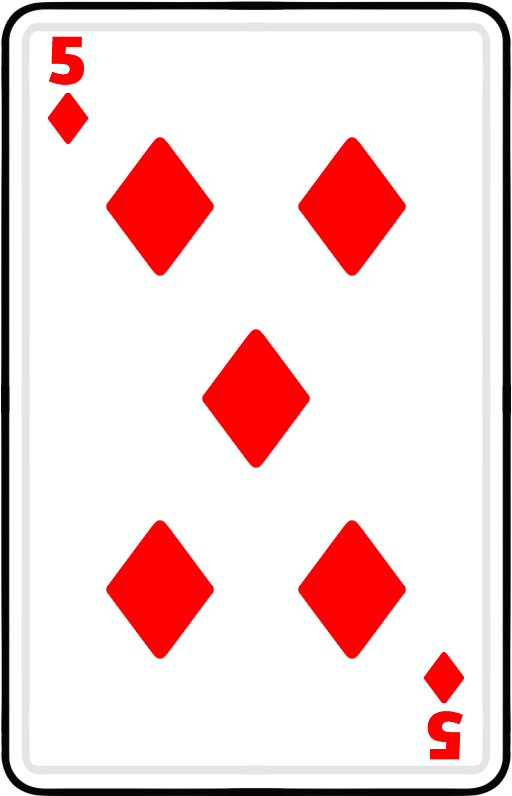
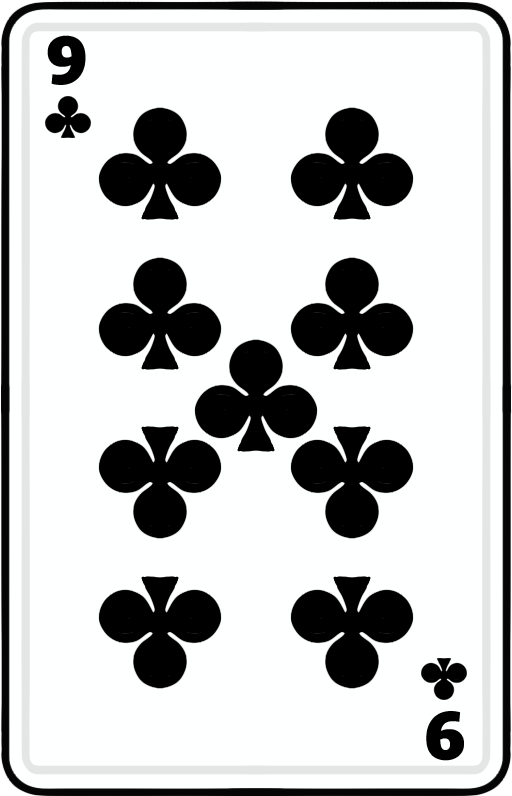
Loading puts your cards on your opponent's reserve or waste pile. The card must match the suit and sit one rank above or below the top card: on a 9 of clubs you may load the 8 or the 10 of clubs, and on that 8 a 7 or the other pack's 9. You can load from your reserve, your own houses, or the hand card you have just turned up. Every card you load is one more your opponent must clear.
Your Hand and Waste Pile
Turn up your hand card only when no foundation play is waiting. It lands face up on your waste, and you may play it anywhere it fits and turn up the next. When a card will not go anywhere, or you would rather not play it, press End Turn: it stays on your waste and play passes. You cannot turn up a hand card while one of your own houses is empty and your reserve still has cards, so fill that house first. When your hand runs out, the waste turns over, unshuffled, to become your new hand. If your hand and waste are both empty, there is nothing to turn up, and End Turn simply passes.
The card you ended on can still go to a foundation at the start of your next turn, and must if it fits, but it cannot go to a house or onto your opponent's piles.
Where Our Game Differs from Home Play
- Both packs are shuffled together. At home each player deals from their own pack. Our game shuffles all 104 cards and deals 52 to each player, so you can hold two copies of a card.
- Each foundation belongs to one pack. Traditional rules make no distinction between the packs on the foundations.
- You take cards only from your own houses. At home all eight houses are common property, so in the deal above you would have to play the computer's Ace of diamonds to a foundation yourself before turning up a card.
- Your last waste card can still reach a foundation. Standard rules make your waste pile unplayable, though many players allow its top card.
The full Russian Bank rules set out every difference, the three-player game, and the variations home players use.
Compulsory Plays and Calling Touch
Foundation plays are compulsory: whenever a card you can move would fit on a foundation, you must play it before anything else, and in home games your reserve card goes first. Break the rule and your opponent may call Stop, or Touch, and your turn ends.
How Touch Works in Our Game
Press Touch during the other player's turn. A Touch is judged on the moves they made, not on what is waiting: if they have not skipped a foundation play, it fails at once. If they did skip one, the board freezes as it stood just before the skip, and you have the proof timer, 60 seconds unless you change it, to show a card they could have played to a foundation. You may move other cards first, as long as each move is legal. Show a foundation play and their move is taken back and the turn is yours. Run out of time and play resumes. With the Lose Next Turn option on, a failed Touch also costs you your next turn.
- Against the computer. Skip a foundation play and the computer may catch you: about 3 times in 10 on Easy, 3 in 4 on Medium, and every time on Hard. It takes back your move, shows the play you missed, and takes the turn. The computer never skips a foundation play itself, so a Touch on it always fails.
- Online. The game refuses any move that skips a foundation play, so nobody breaks the rule and a Touch fails at once. It will not make the play for you, though: you still have to spot it.
Winning and Scoring
You win the hand the moment your reserve, hand, and waste are all empty. Cards still on the houses do not count. The winner scores 30 points, plus 1 for every card left in the loser's hand and waste and 2 for every card left in the loser's reserve.
| Item | Points |
|---|---|
| Winning the hand | 30 |
| Each card left in the loser's hand or waste | 1 |
| Each card left in the loser's reserve | 2 |
| Stalemate (nobody can move) | Lower count scores the difference, no 30 |
Go out while the computer still has 8 cards in its hand, 3 on its waste, and 5 in its reserve, and you score 30 + 8 + 3 + 10 = 51. If nobody can move, the hand is a stalemate: each player counts 1 per hand or waste card and 2 per reserve card, and the lower count scores the difference, so counts of 8 and 16 score 8.
Home players keep a running total across hands and play to a target such as 300. Our game scores each hand on its own, solo and online.
Play Russian Bank Online or Against the Computer
Russian Bank has live tables here, and you play as a guest, so there is nothing to sign up for. Choose from the game's menu:
- Play vs AI sets up one or two computer opponents, each on Easy, Medium, or Hard. The level decides how often a computer calls Touch on you. You also choose the proof timer, from 15 to 120 seconds, and whether a failed Touch costs the caller a turn. Quick Play skips the setup and deals against a Medium computer.
- Play with Friends leads to Create Game & Share Link, which opens a private table and gives you a link to send. If nobody joins, the host can fill the empty seat with a computer player.
- Find a Match, on the same screen, has Quick Match, which pairs you with another player or offers a computer opponent if nobody is free in time, and Ranked, which pairs you with players rated within 200 points of you. Everyone starts at 1200.
Online games use a 60-second proof timer and no penalty for a failed Touch. The server deals every online game from a seed it commits to before the deal, and new solo games and the daily challenge use the same provably fair shuffle.
Russian Bank Strategy
Russian Bank is won by moving your own cards out faster than your opponent can move theirs, and by making theirs harder to move. Four habits to build:
- Play from your reserve whenever you have a choice. Only its top card is ever available, it must be empty before you can win, and every card left in it counts 2 at the end instead of 1. Rule books have given the same advice since the 1880s.
- Choose where you load. A card loaded on your opponent's reserve covers the card they were waiting to play, must be cleared before they can win, and counts 2 against them if the hand ends, but it is theirs to play on their next turn. A card on their waste counts 1 and can only go to a foundation until their hand runs out and the waste turns over.
- Empty one of your own houses to give your reserve a home. An empty house takes any card, so a cleared house lets your reserve card move however awkward it is. Until you fill it, our game will not let you turn up a hand card.
- Check every foundation before you touch anything. Against a Hard computer, a skipped foundation play costs the rest of your turn every time. Look at your reserve, your four houses, and your waste card first.
Where Russian Bank Came From
The oldest rules we could trace are in a German book of patience games, published in Breslau by J. U. Kern in 1884-85, which calls the game Zank-Patience. German players also know it as Streitpatience. That early version built the houses down in the same suit; the alternating-color rule most people play today came later.
The game traveled under many names: Crapette in France, Crapette or Crapot in Portugal and Brazil, Tunj in the Middle East, and Russian Bank in Britain and North America, where some players call it Stop or Touch. Some older American card books also called it Double Solitaire, a name now used mostly for two-player Klondike. None of the rule books we checked explains the name Russian Bank or ties the game to Russia. Spite and Malice grew out of it, and Mattel sells a boxed version of that game as Skip-Bo.
Russian Bank FAQ
How do you play the Russian bank card game?
Each player deals 52 cards into a 13-card reserve, four houses, and a 35-card hand. On your turn you play cards to the eight foundations, build the houses down in alternating colors, and load your opponent's piles, then turn up hand cards until one will not play. The first to empty their reserve, hand, and waste wins.
Who goes first in Russian bank?
The player whose face-up reserve card is lower goes first, with Aces low. In the traditional game, equal cards are settled by comparing the house cards. Our game settles a tie by suit instead: clubs go first, then diamonds, hearts, and spades. Some players simply cut the cards to decide.
Is there a two-player version of solitaire?
Yes, and Russian Bank is the classic one. Both players build on one shared layout while racing to empty their own piles, and either can stop the other for a missed play. Double Solitaire, also called Double Klondike, is another: two players each lay out Klondike and share the foundations.
Is Russian Bank the same as Crapette?
Yes. Crapette is the French name for Russian Bank, and French players also call the reserve pile itself the crapette. The game has other names too: Stop or Touch in North America, Tunj or Tonj in the Middle East, and Zank-Patience or Streitpatience in Germany, where its rules were printed in 1884-85.
What does Touch mean in Russian Bank?
Touch is the call you make when your opponent skips a play the rules require, usually a card that should go to a foundation. Home players also shout Stop, or Crapette in France. In our game a Touch on a player who skipped nothing fails at once. If they did skip one, the board freezes as it was before the skip, and if you can show the play before the timer runs out, their move is taken back and the turn is yours.
Can you play on your opponent's cards in Russian Bank?
Yes. You may build on any of the eight houses, and you may load your opponent's reserve or waste pile with a card of the same suit one rank higher or lower, such as the 8 or 10 of clubs on their 9 of clubs. Every card you load is one more they must clear to win.
What happens if nobody can move in Russian Bank?
The hand ends in a stalemate. Each player counts 1 point for every card left in their hand and waste, and 2 for every card left in their reserve. The lower count wins and scores the difference, with no 30-point bonus, so counts of 8 and 16 score 8 points.
How many cards do you need for Russian Bank?
You need two standard 52-card packs, 104 cards in all, with no jokers. At home each player deals from one pack, ideally with a different back so the packs can be sorted afterwards. Each player deals 13 to the reserve, 4 to the houses, and keeps 35 as the hand.
Is Russian Bank the same as Russian Solitaire?
No. Russian Solitaire is a one-player game in the Yukon family in which the tableau is built down in suit. Russian Patience is different again: a one-player, two-pack patience first recorded in 1876. Russian Bank is the two-player race, known in France as Crapette.
Can three people play Russian Bank?
The standard game is for two players. Our game adds a three-player version against two computer opponents, with three packs and 156 cards: each player has a 15-card reserve, four houses, and a 33-card hand, and there are twelve foundations. The rules are otherwise the same, with two opponents to load and to watch.
If Russian Solitaire is what you were looking for, its close relative Yukon is on the site too.
Play Russian Bank Free
Deal a hand above against the computer, or try the daily Russian Bank challenge, which deals everyone the same cards each day. For a two-player race with no turns at all, try Spit, or browse every card game we host.