

Euchre Strategy
The biggest levers in euchre strategy are when to make trump from your seat, what to lead, and how the score should change both. A made hand scores 1 point and a euchre gives the defenders 2, so every call risks 2 points to win 1. These euchre tips follow our game's rules: stick the dealer on every hand, and first to 10 wins.
Know Your Seat
Your seat sets how strong a hand you need. Making trump runs clockwise from the dealer's left, so the dealer's partner sits second.
| Seat | Who | What it means |
|---|---|---|
| First seat | Dealer's left | Speaks first, leads the first trick, and gets first call of next. Ordering up hands the opposing dealer a trump |
| Second seat | Dealer's partner | Ordering up, called assisting, puts the up-card in your own partner's hand |
| Third seat | Dealer's right | The dealer plays after you, so you need the surest hand |
| Dealer | Speaks last | Takes the up-card if its suit becomes trump, then discards; plays last to the first trick |
In our game your seat rotates hand by hand: you deal the first hand, then play third seat, second seat, and first seat before the cycle repeats.
When to Order Up
Order up when you expect 2 tricks from your own hand and 1 from your partner's, and treat the partner trick as an average. With five cards in hand and the up-card seen, any one unseen card, even the right bower, is in your partner's hand only 5 times in 18.
The break-even is simple arithmetic: risking 2 to win 1, a call pays, marches aside, when you expect to make it about two times in three. Players disagree on how close to that line to go. One camp calls every hand it can make, since waiting to euchre loses over a long game; the other wants two of a bower, a second high trump, and an off-suit Ace.
With the 9, 10, and Queen of clubs, the Ace of hearts, and the 9 of diamonds, call clubs and lead trump at once, unless an opposing dealer turned up the club and would gain another trump.
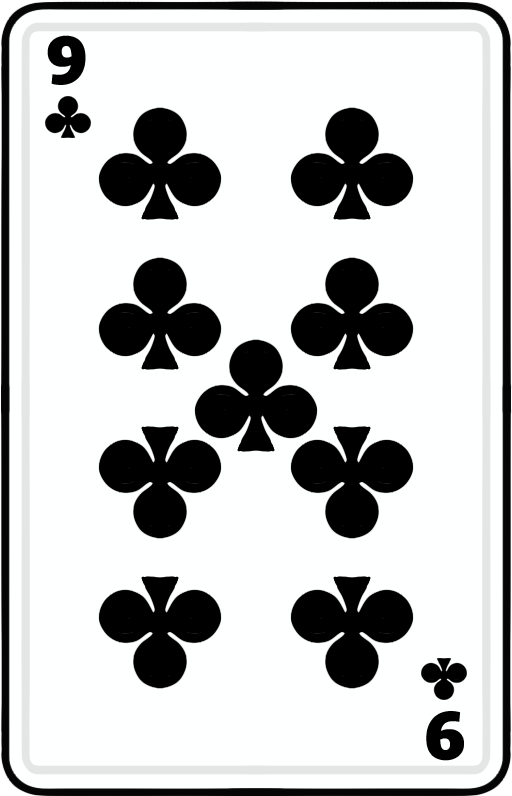
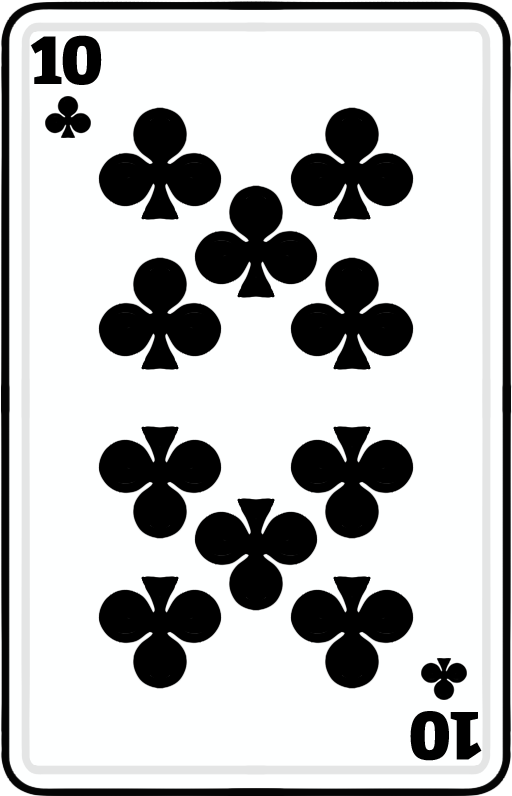
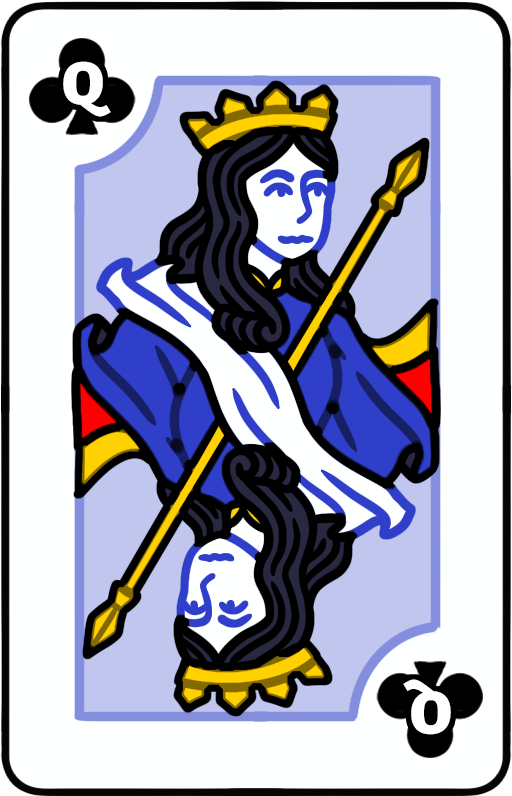
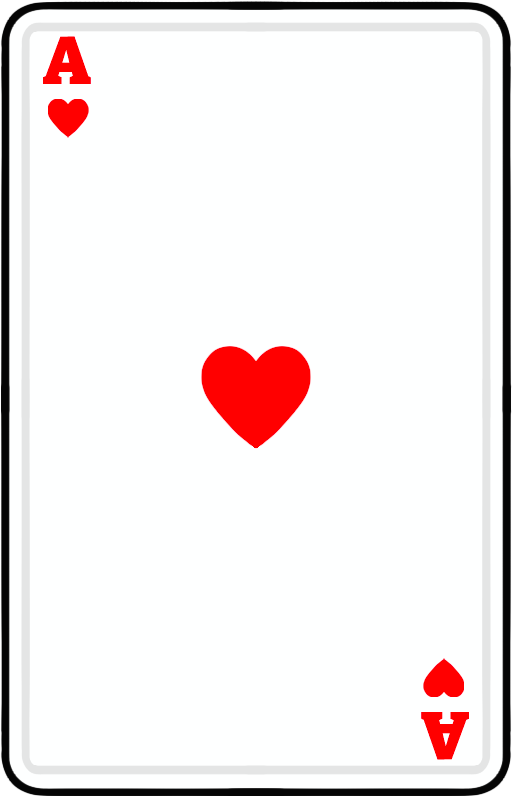
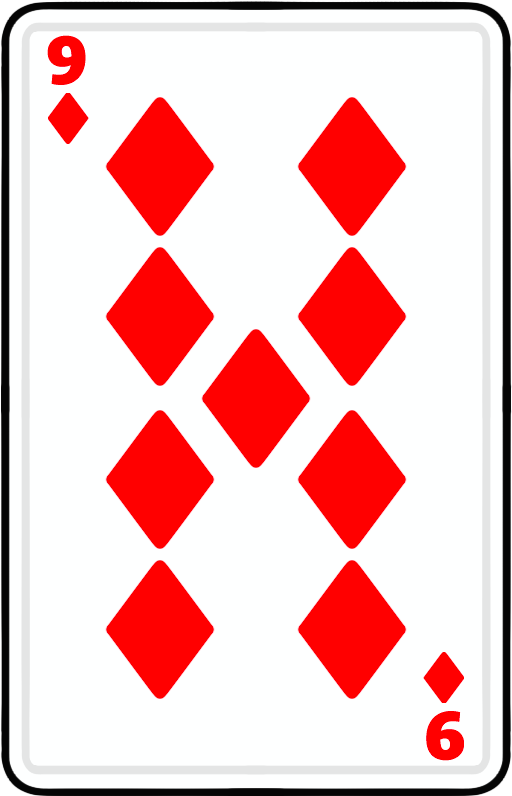
First seat. Ordering up here hands the opposing dealer a trump and a free discard, and players disagree about what it takes. One view orders three trumps with two of them King or higher. The other passes even the Jack and Ace of hearts with the Ace of diamonds and two clubs when a heart is turned, keeping first call of next and a chance to euchre the dealer.
Second seat. Players split here too. The aggressive view orders your partner up light: the 9 and 10 of trump with an off-suit Ace, or any bower with another trump, but never a single trump. The cautious view rarely orders here, with no control of the lead and the risk of spoiling the dealer's loner. Our computer players never go alone, so that risk is gone.
Third seat. Call only with 2 or more sure tricks, because the dealer can over-trump. The Jack of hearts (the left bower), the King and Queen of diamonds, and the Ace and 9 of spades is a safe diamond call as dealer; from third seat, the dealer can trump that Ace.
Playing the Dealer
Pick it up more often than not, and never turn down a bower unless you stop all three other suits. Holding the 10 and 9 of diamonds, the 10 and 9 of hearts, and the 9 of spades with the Jack of clubs turned up, pick it up and discard the 9 of spades. Three low trumps, such as the 10 and 9 of clubs with the Queen of clubs turned up, rarely get better, so pick those up too unless the opponents are on 8.
Discard to make a void. With the Ace and Queen of clubs, the King of spades, the 10 of hearts, and the 9 of diamonds under a turned Jack of clubs, throw the 9 of diamonds. Avoid discarding an Ace.
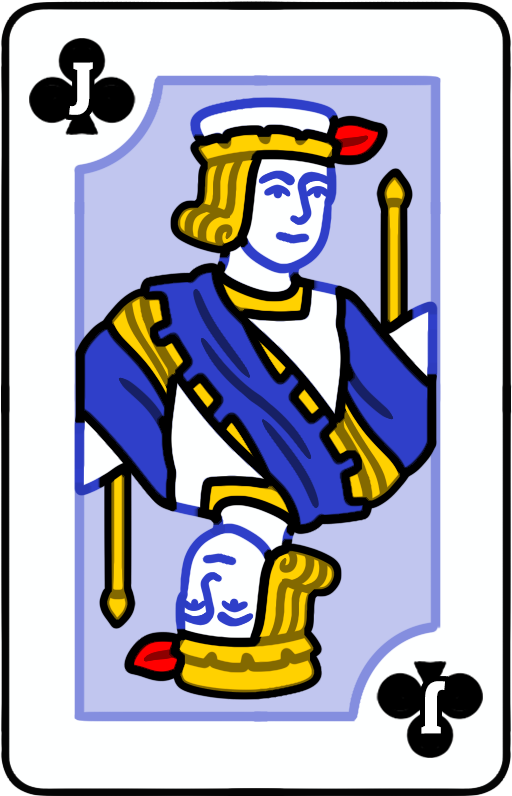
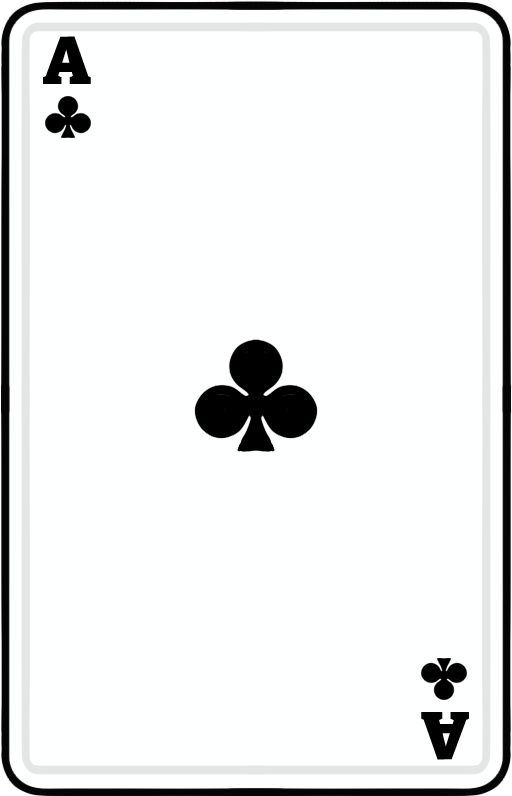
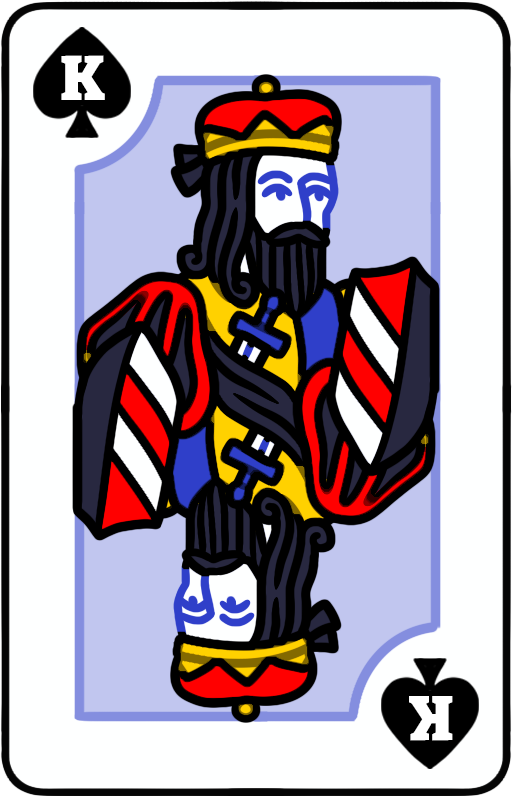
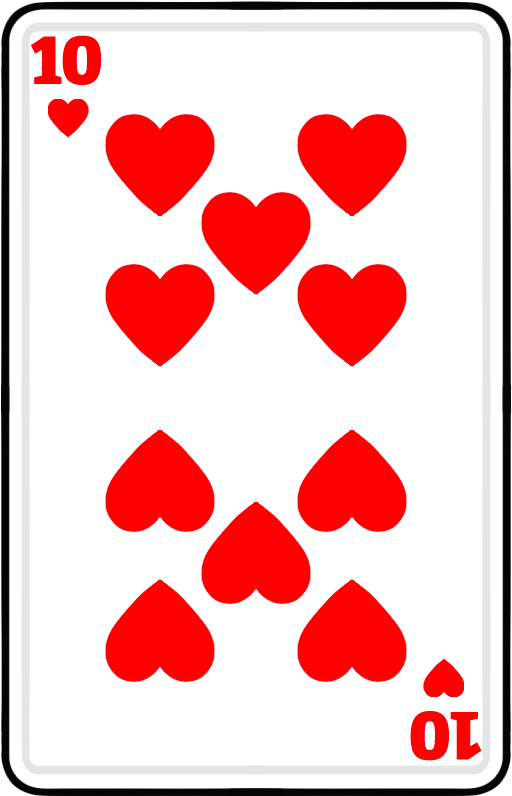
When you are stuck, and our game always sticks the dealer, name a suit you hold one or two cards of, never a void, and expect no help: your partner has passed twice. If your partner is the stuck dealer, don't lead trump to the forced call. If an opponent is stuck, attack with off-suit Aces and long suits.
Calling Next and Reverse Next
Next is the other suit of the turned-down card's color, and green is either suit of the other color: turn down the Queen of hearts, and diamonds is next. Reverse next is the dealer's partner naming a green suit. The euchre glossary has the rest of the table talk.
Next works because the dealer turned the suit down and the dealer's partner did not order it, which suggests their side lacks that color's Jacks, so first seat's partner more likely holds one. First seat calls next, even on a hand that looks weak, though a thin call wants a green Ace beside it.
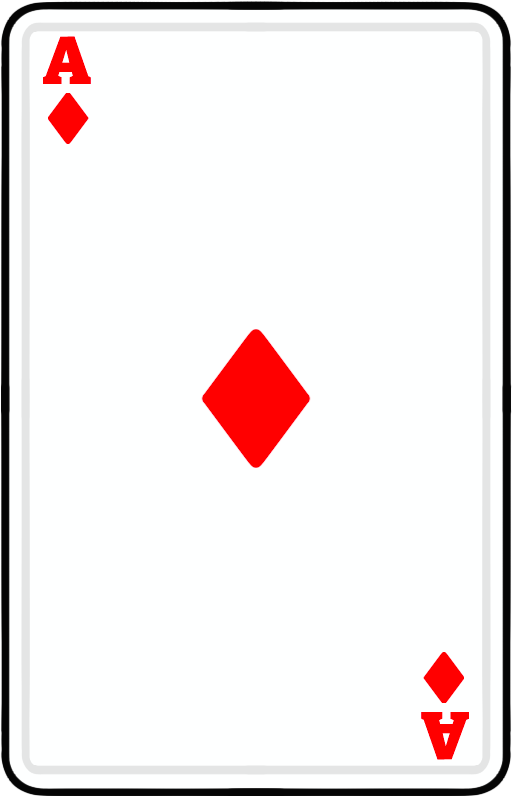
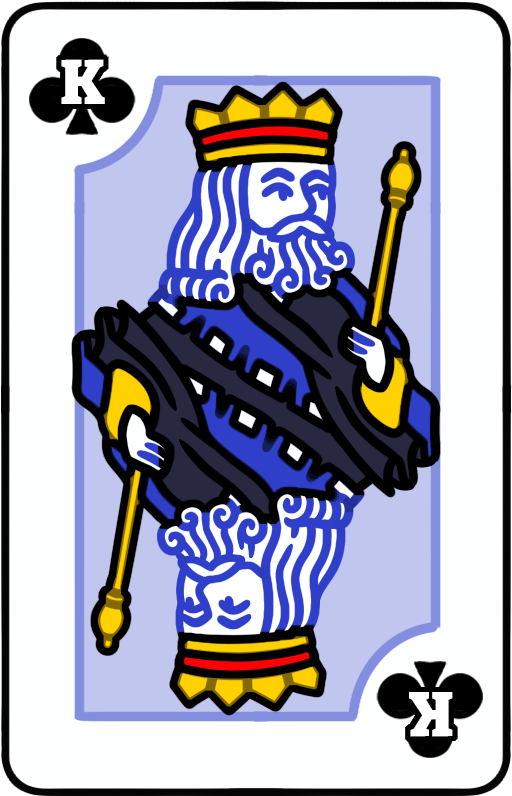
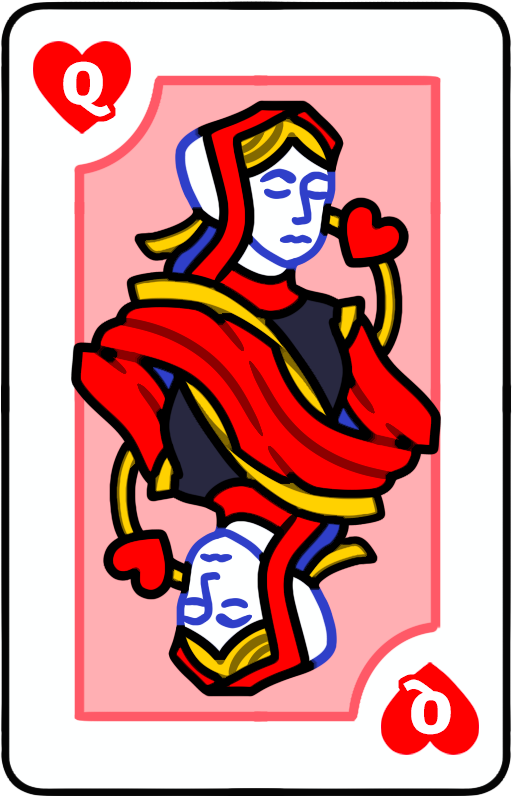
If first seat passes next, second seat leans to reverse next: your partner, the dealer, turned that color down, so their strength more likely sits in the other one.
What to Lead
The best card to lead in euchre depends on who made trump. If you made it, lead the right bower. If your partner made it, lead trump, even a single low one. If the opponents made it, lead a lone off-suit Ace, never the suit the dealer turned down, and not trump into the maker.
You made it: the right pulls the opponents' trumps and draws out the left.
Your partner made it: with hearts trump, holding the Ace of spades and one low heart, lead the heart first so a void opponent cannot trump your Ace.
The opponents made it: lead a lone Ace or an Ace with one small card; from Ace, King, and a small card, lead the King. Shorter is safer: at least one opponent holds none of your green suit 29% of the time when your Ace is a singleton, 44% with Ace and King, and 63% with Ace and two small cards. Lead trump into the maker only when the maker sits on your left.
Lead back through the dealer. After you win a trick in an off suit, lead it again: the dealer probably kept two cards of it after discarding, and your partner may trump the second round.
Mistakes to Avoid
What not to do in euchre comes down to nine habits:
- Don't trump your partner's winning Ace, unless you hold only trumps, need the lead, or the player on your left will trump it; then trump high.
- Don't turn down a bower as dealer unless you stop every other suit.
- Don't order the right bower to an opposing dealer without something like four trumps, or the left, Ace, and King.
- Don't lead the suit the dealer turned down.
- Don't skip leading trump to your partner's call, above all a third-seat call.
- Don't lead trump into the maker without a reason.
- Don't strip the guard from your left bower. Play the small trump under the right, and the left becomes the top trump.
- Don't trump too low. With the left and King of trump after your partner ordered up, trump with the left.
- Don't go alone at 8 or 9 points.
Going Alone
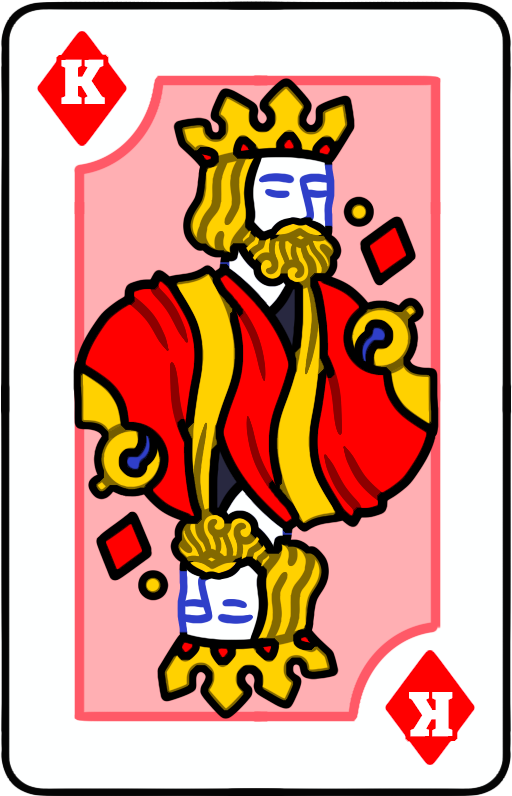
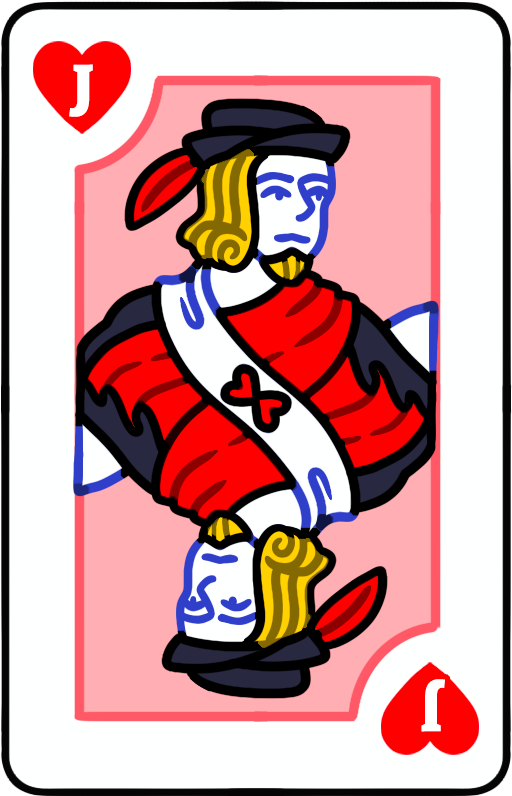
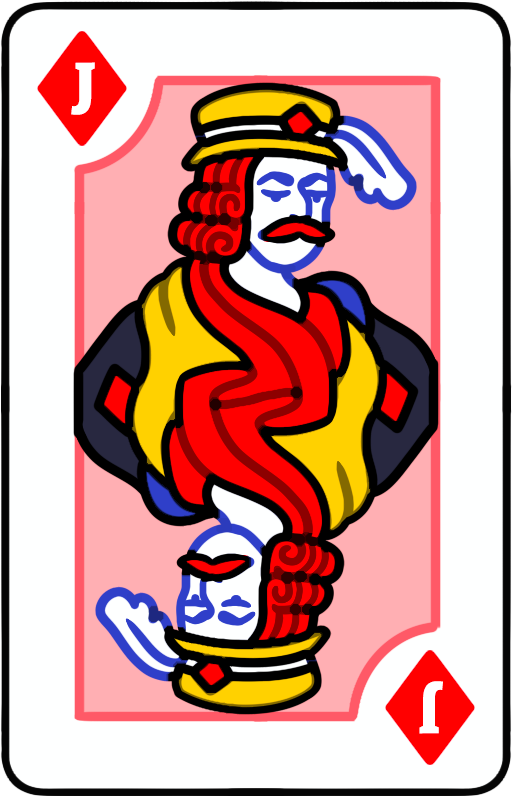
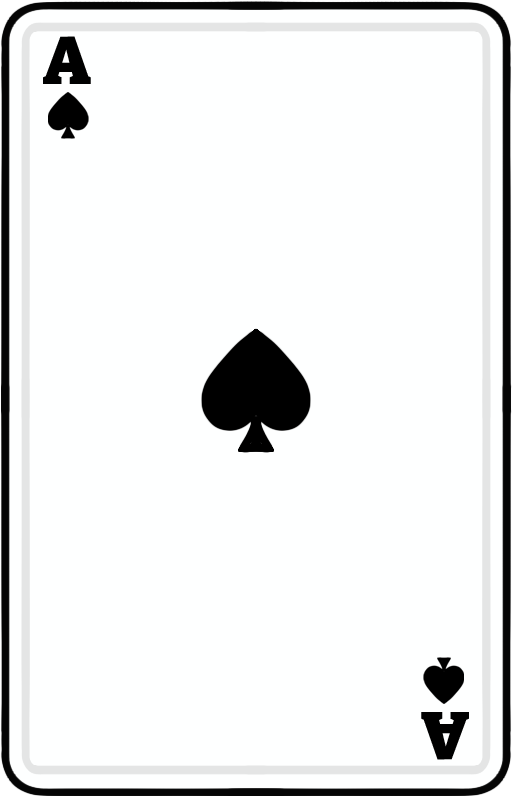
Go alone on three sure tricks, except on 8 or 9, where a march (on 8) or any point (on 9) already wins. The lay-down loner with the lead is the right bower, left bower, Ace of trump, one more trump, and any off-suit Ace. As dealer with both bowers and a third trump turned up, pick it up and go alone unless you are on 8.
A loner march scores 4 and a euchred loner gives the defenders 2 (see going alone). From 6 or 7 points, the loner range, a loner march wins outright. With the opponents on 8, a failed loner hands them the game.
Only you can go alone in our game, by pressing Alone as you make trump; the computer players never go alone, so you never defend a loner. From first seat you lead. As dealer, the opponent on your left leads. From second or third seat the opponent on your right leads, and a loner without the lead needs more, such as five trumps including the top three.
Defense
Play second hand low, with limits. With hearts trump, holding the Ace and 10 of diamonds, the King of spades, and the 10 and 9 of hearts, throw the King of spades on a Queen of clubs led from your right rather than trumping. Your partner may win it, you make a void, and a small trump can still win later. Do trump an opponent's Ace or King.
Trump high enough. "Don't send a boy to the mill": a low trump invites an over-trump. Holding two trumps after your partner made it, trump with the higher and lead the lower.
Guard and count. A guarded left, the left with one small trump, survives the right, and the Ace of trump with two more survives both bowers. Once trump is made, the trump suit holds 7 cards, the next suit 5, and each green suit 6.
Playing to the Score
Let the score change your calls; the scoring table lists every result.
- On 9, in the barn: any made hand wins, so call freely and never go alone.
- On 8: a march wins, so bring your partner.
- Opponents on 8: be careful. A euchre gives them the game, so pass the weak pickups.
- Opponents on 9: loosen up. A euchre costs you no more than letting them make trump, so the break-even falls from two in three to one in two.
Practice these euchre strategies in a game of euchre with a computer partner, then try the daily euchre challenge and compare your result with other players on the day's leaderboard.
Try these tips free with a computer partner against two computer opponents.
Play Euchre Now